
 Hi, I’m Andy
Traveler and photographer.
I don’t travel just to see places. I travel because I want to know if there’s more than just everyday life. More about me
Discover the best things to do in Hong Kong – a city that offers more than just skyscrapers
Here you’ll find my 20 top things to do in Hongkong – from iconic highlights to hidden gems across Hong Kong Island, Kowloon, the New Territories, and the Outlying Islands. Get inspired.
For more sights in each area, check out my dedicated travel guides.
More travel guides for Hong Kong (attractions)
- Hongkong – Die Metropole in der Übersicht
- Hongkong Island Sehenswürdigkeiten
- Kowloon Sehenswürdigkeiten
- Outlying Island Sehenswürdigkeiten
- Victoria Peak, über den Dächern Hongkongs
Don’t feel like reading? You can also find an overview of Hongkong’s attractions in our image gallery.

What to expect in this travel guide to Hongkong’s attractions
1. Central Waterfront – a promenade with a variety of attractions
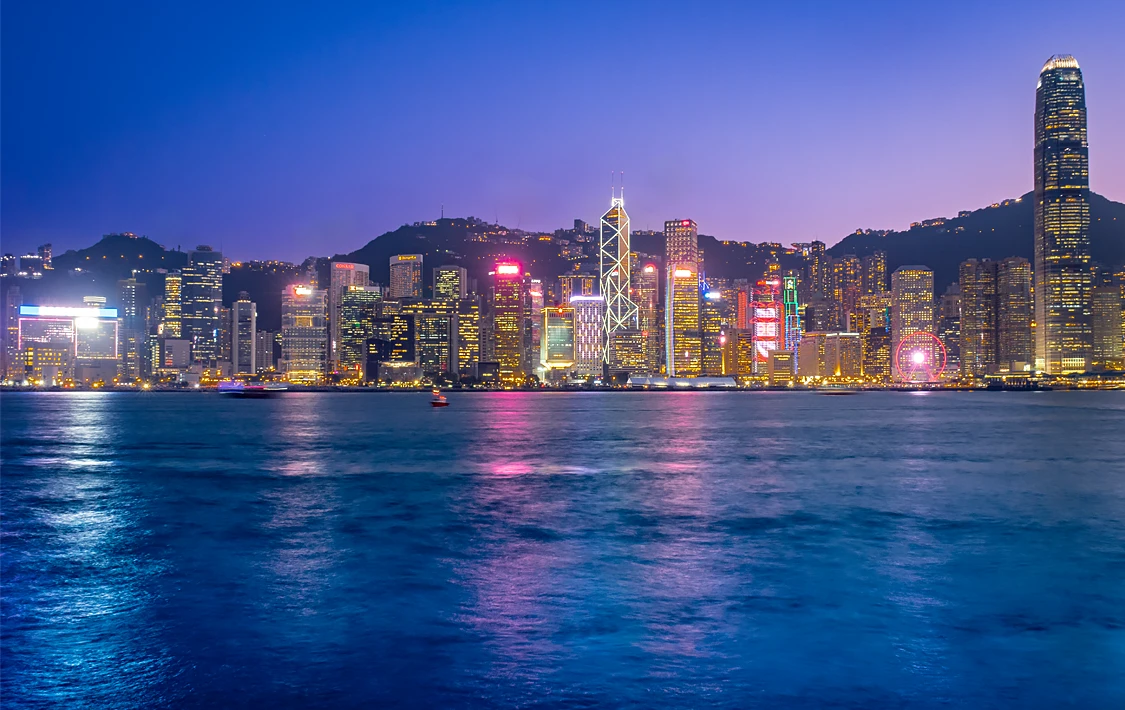
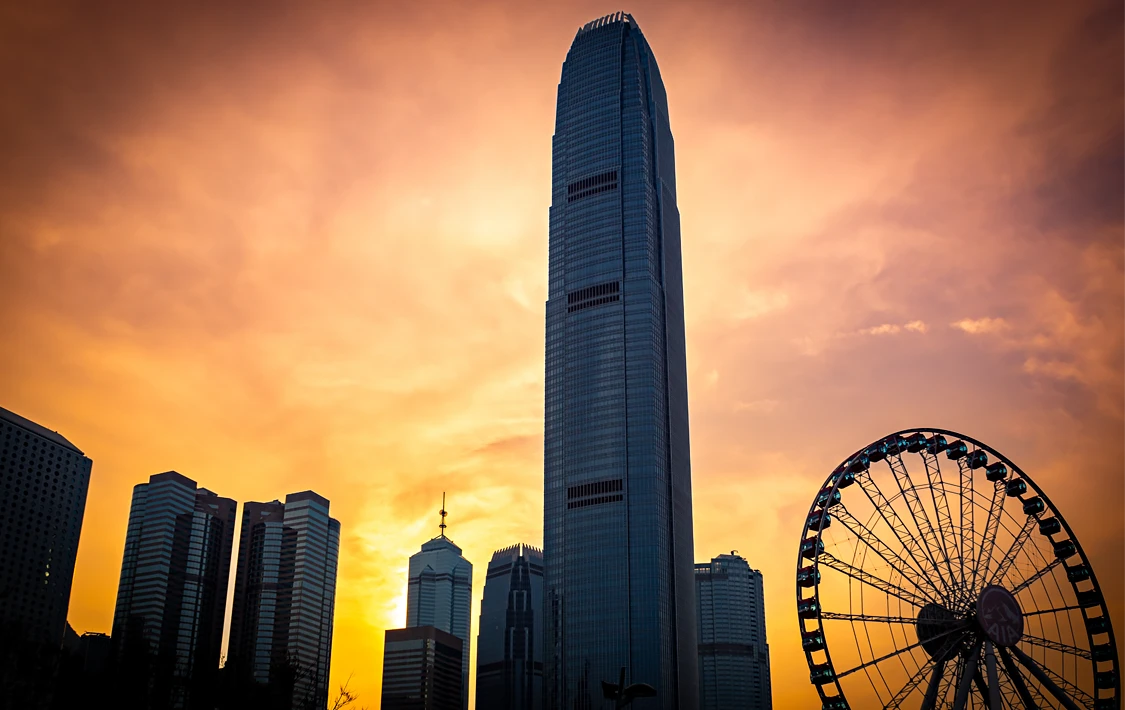
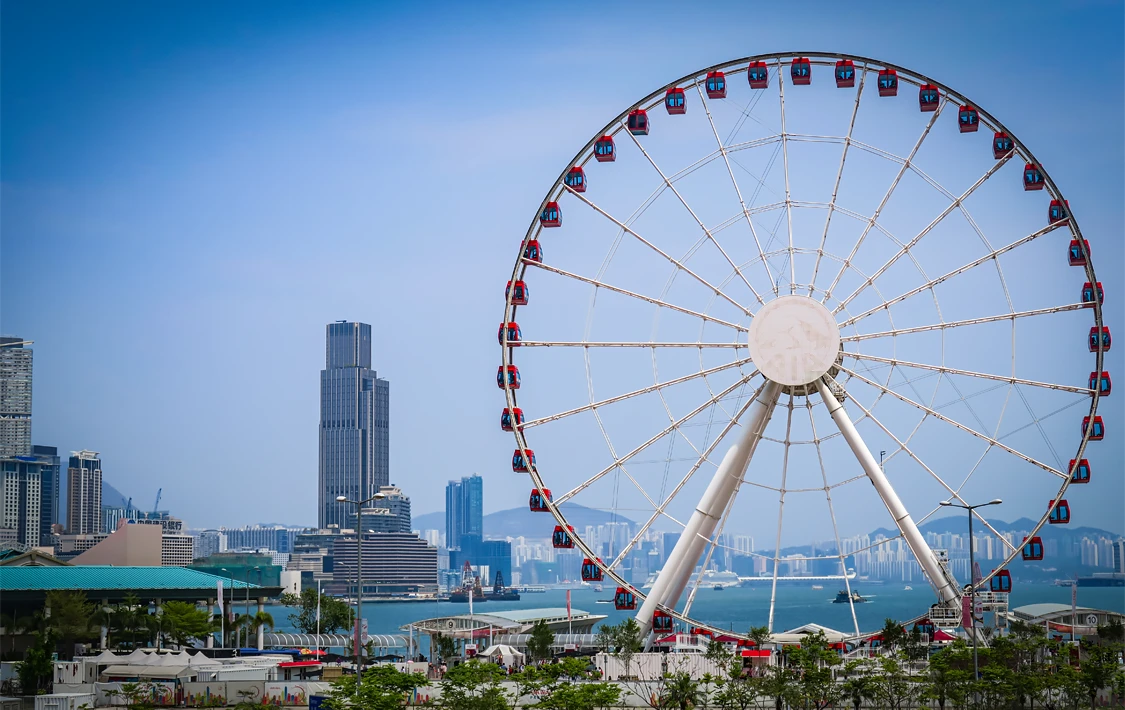
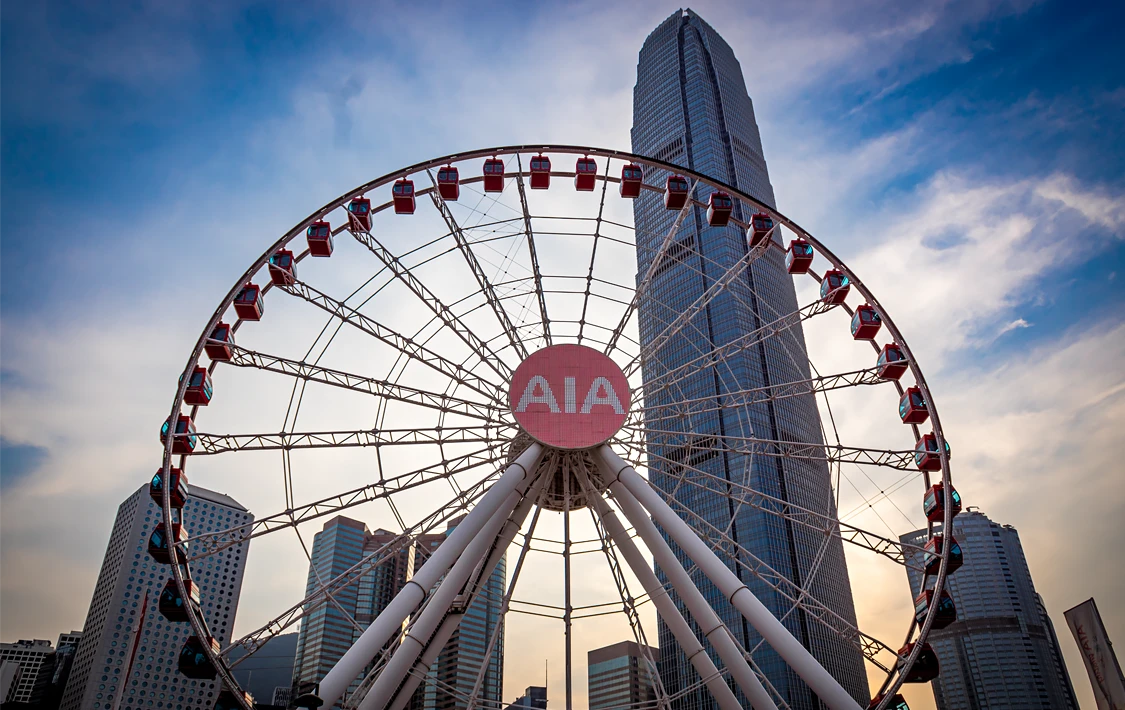
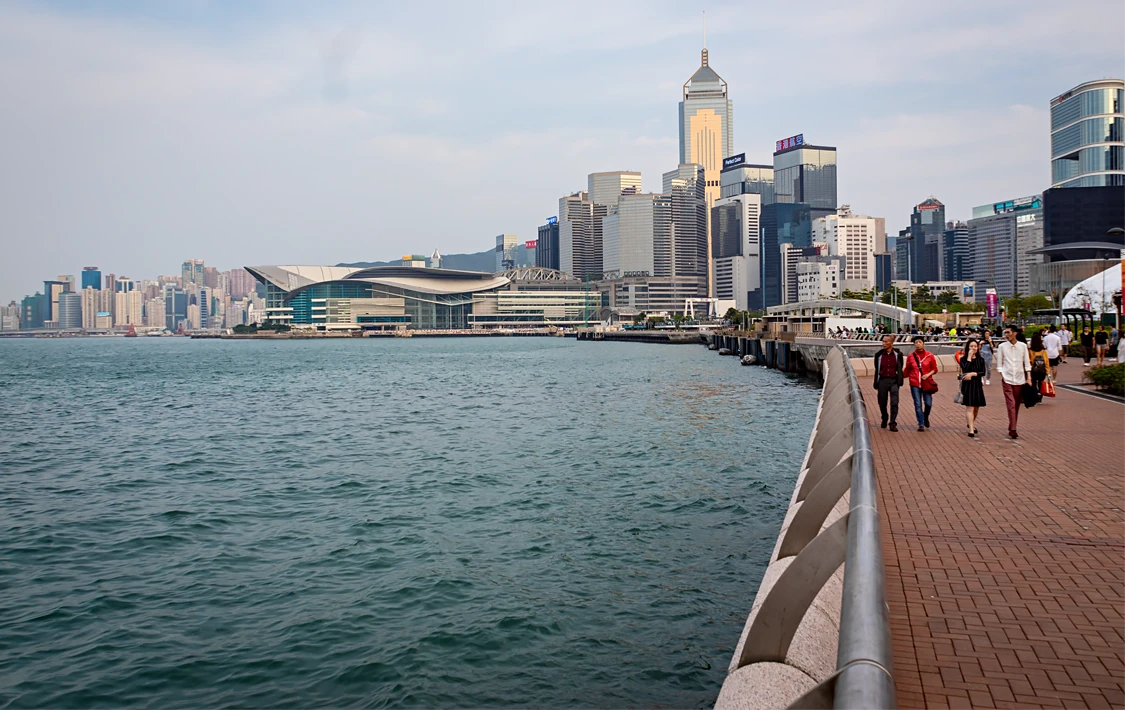
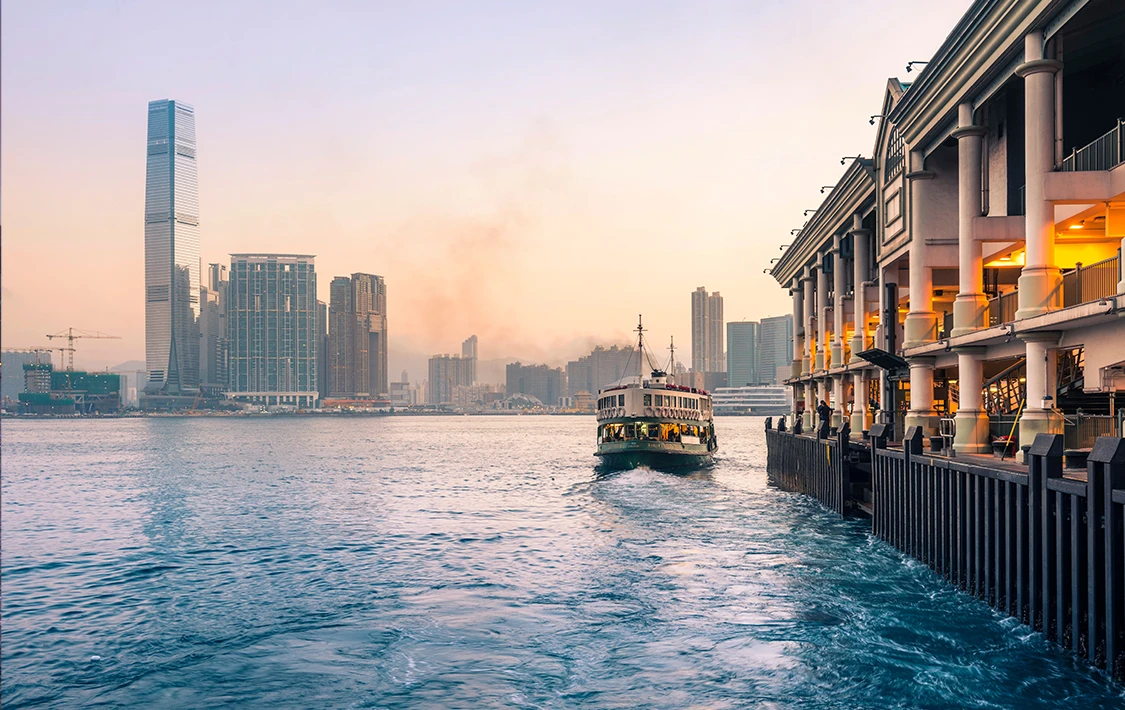

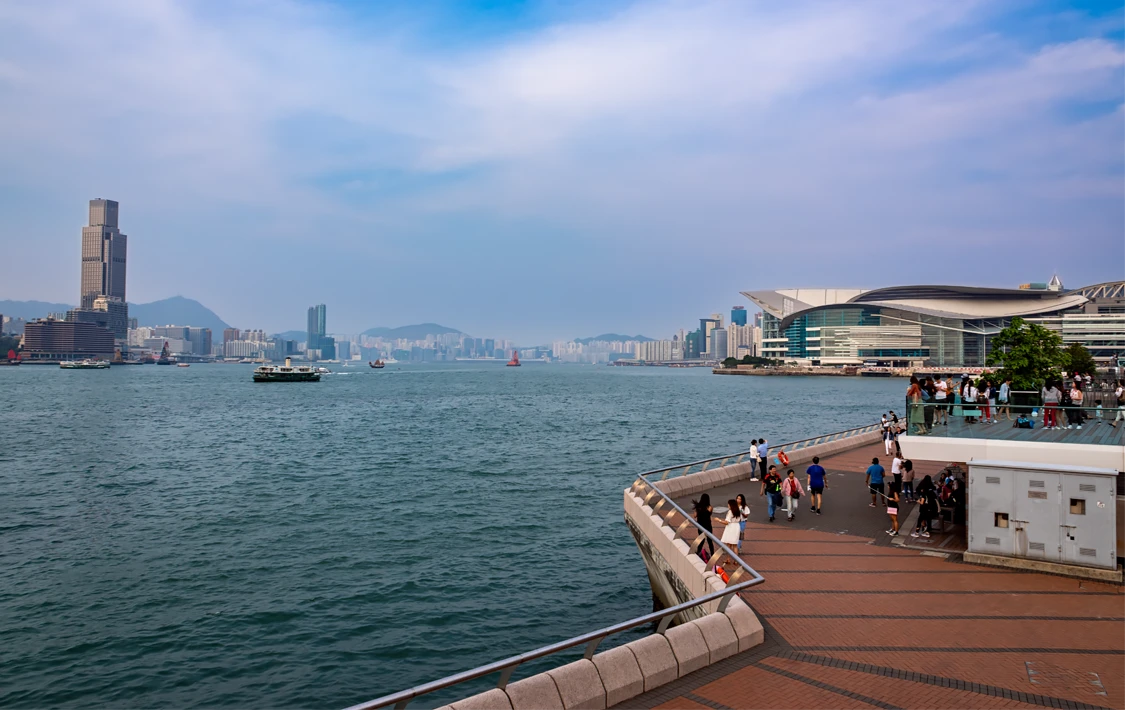
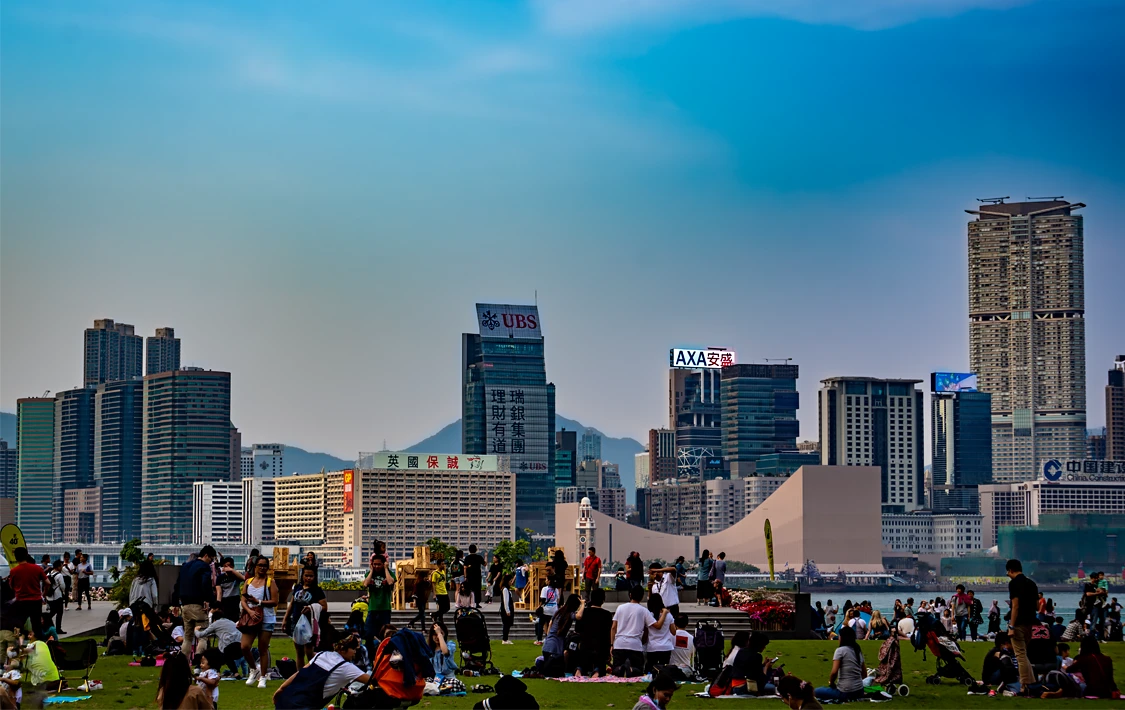
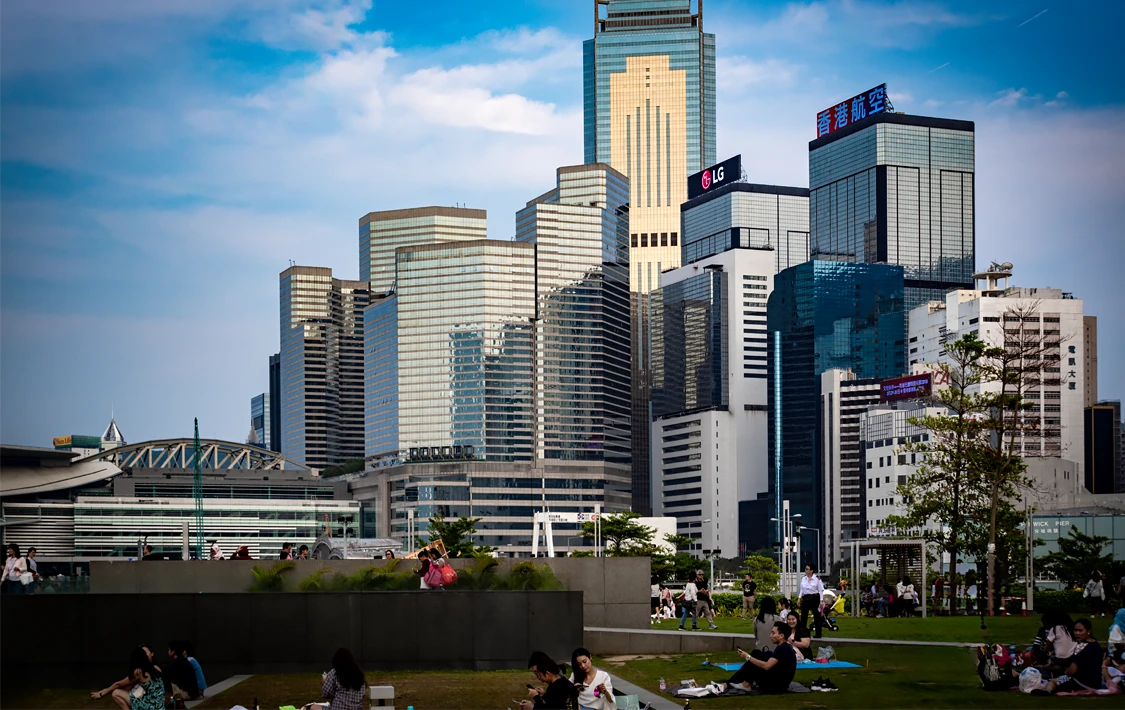

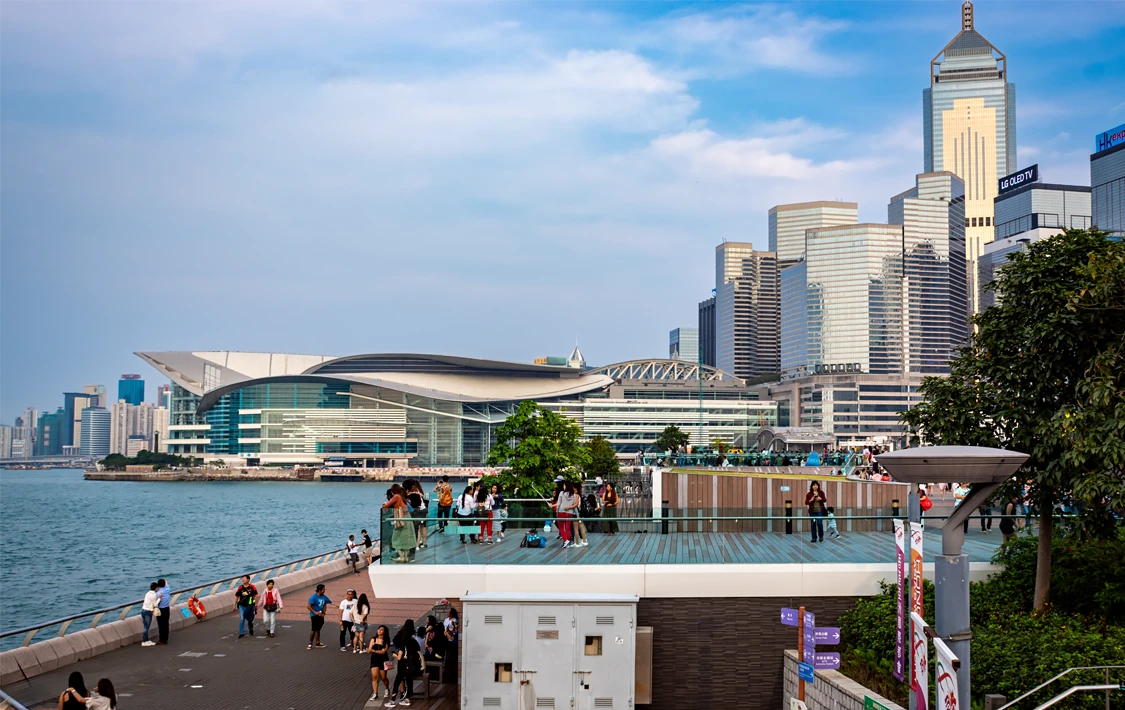
The Central Waterfront Promenade in Hongkong is more than just a place for views. It’s a place to slow down, take a walk, and discover some of the city’s most impressive sights along the way. With Victoria Harbour always in front of you, the skyline never really leaves your side.
Observation Wheel and AIA Vitality Park
The 60-meter-high Observation Wheel at the Central Harbourfront offers stunning panoramic views over Victoria Harbour and the skyline. A ride costs around HK$20 and takes about 15 minutes. Open from 11 AM to 11 PM, it’s an easy stop to pause, take it in, and just watch the city move. The Central Star Ferry Pier is only a short walk away.
- Location: View on Google Maps
- Getting there: take the MTR to Hong Kong Station
- Opening hours: Monday–Tuesday: 12:00 PM – 10:00 PM, Wednesday–Sunday: 11:00 AM – 11:00 PM
- Tickets / Price: From HK$20 (approx. €2.40). You can choose between different cabin options, and various packages are available
- More information: Visit the official website for tickets and details
- Attractiveness: Great views of Hongkong’s skyline and Victoria Harbour. Worth doing, but not essential.
Tamar Park
A relaxed walk along the promenade takes you to Tamar Park in about 15 minutes. The skyline stays with you the whole way, and even inside the park. On Sundays, it turns into a lively meeting spot for domestic workers in Hongkong.
- Location: View on Google Maps
- Getting there: via Admiralty Station (MTR)
- Opening hours: 24/7
- Tickets / Price: Free
- Attractiveness: A nice park with great views of Victoria Harbour, surrounded by skyscrapers.
Star Ferry
A stunning view of Victoria Harbour’s skyline doesn’t have to be expensive. A ride on the Star Ferry from Kowloon to Hongkong Island offers impressive views of Central’s skyline.
In operation since 1888, the Star Ferry carries over 70,000 passengers every day. The crossing from Tsim Sha Tsui to Central is especially recommended and, at around HK$3 (approx. €0.40), offers an affordable alternative to a harbour cruise.
- Standort: View on Google Maps
- Getting there: via Hongkong Station or Central Station (MTR)
- Opening hours: Ferries run from 6:30 AM to 11:30 PM every 10 minutes
- Tickets / Price: HK$3 (approx. €0.40). Octopus Card accepted. Learn more about the Octopus Card here.
- Attractiveness: A ride on the Star Ferry is something you shouldn’t miss. I recommend taking it from Tsim Sha Tsui to Central. Alternatively, you can also book a harbour cruise.*
- Info: Can easily be combined with a visit to Kowloon (from Central to Kowloon)
2. Mid-Levels Escalator – The world’s longest outdoor escalator

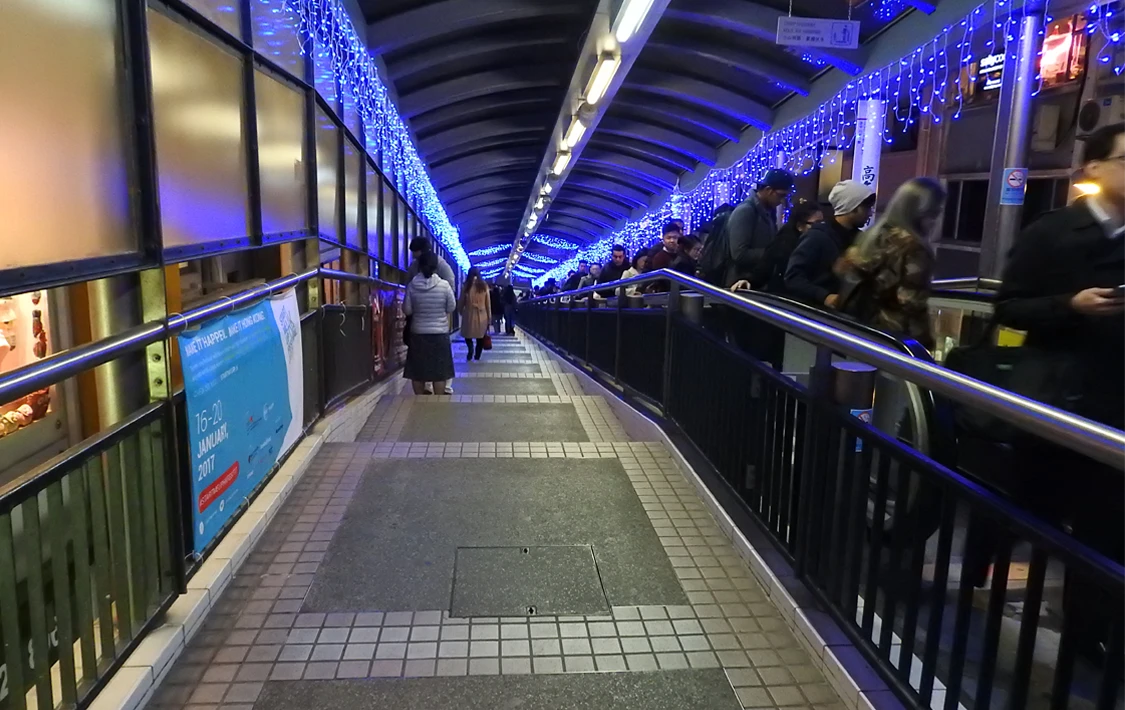
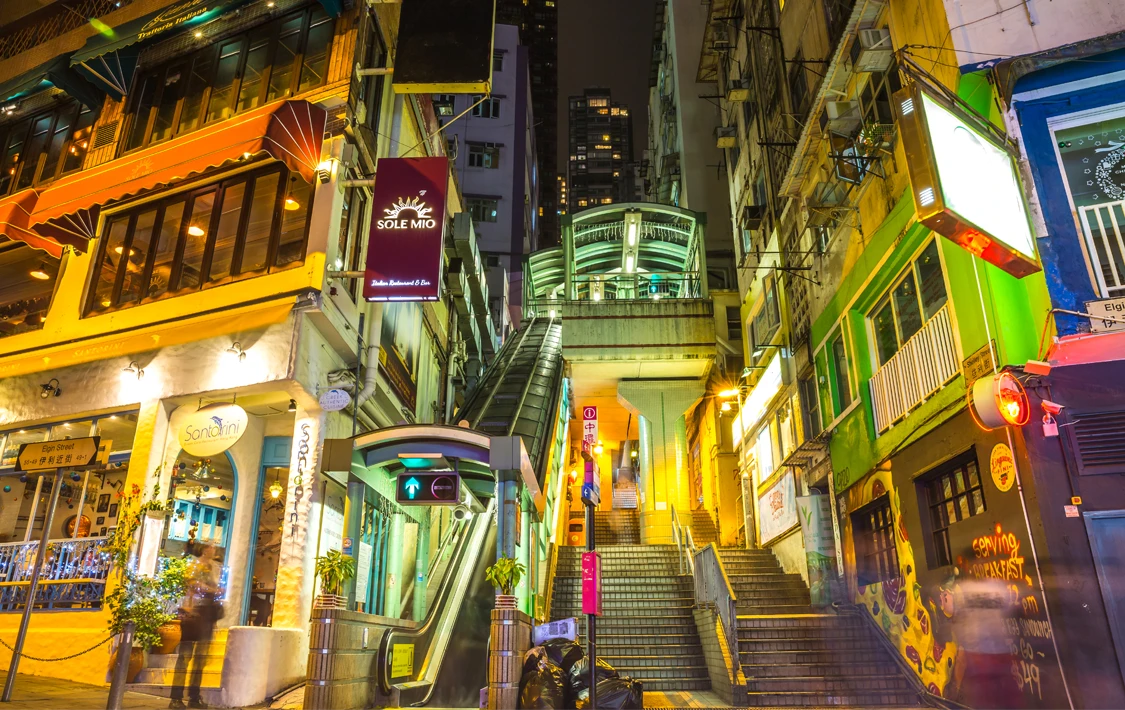
Ever taken a ride on the world’s longest outdoor escalator? The Mid-Levels Escalator is the longest covered escalator system in the world – so why not give it a try and tick off a record while you’re at it.
The entire system stretches for around 800 meters and consists of 20 connected escalators. The full ride takes about 15 to 20 minutes and covers roughly 135 meters in elevation. What makes it unique is that it only runs in one direction at a time: from 6 AM to 10 AM it goes downhill towards Central, and from 10 AM onwards it runs uphill to the Mid-Levels. A parallel footpath allows you to walk in the opposite direction at any time.
Along the way, you get a completely different perspective of Hongkong’s busy city life. The escalator passes through some of the most vibrant neighbourhoods, where modern high-rises meet traditional markets.
The Mid-Levels Escalator is not just a practical way to get around, but also one of Hongkong’s most popular sights. It’s also a great starting point for exploring areas like Soho or Lan Kwai Fong on foot, where you’ll find plenty of restaurants and bars – the perfect place to end your day.
Useful facts about the Mid-Levels Escalator
3. SoHo & Lan Kwai Fong – Dining and nightlife district
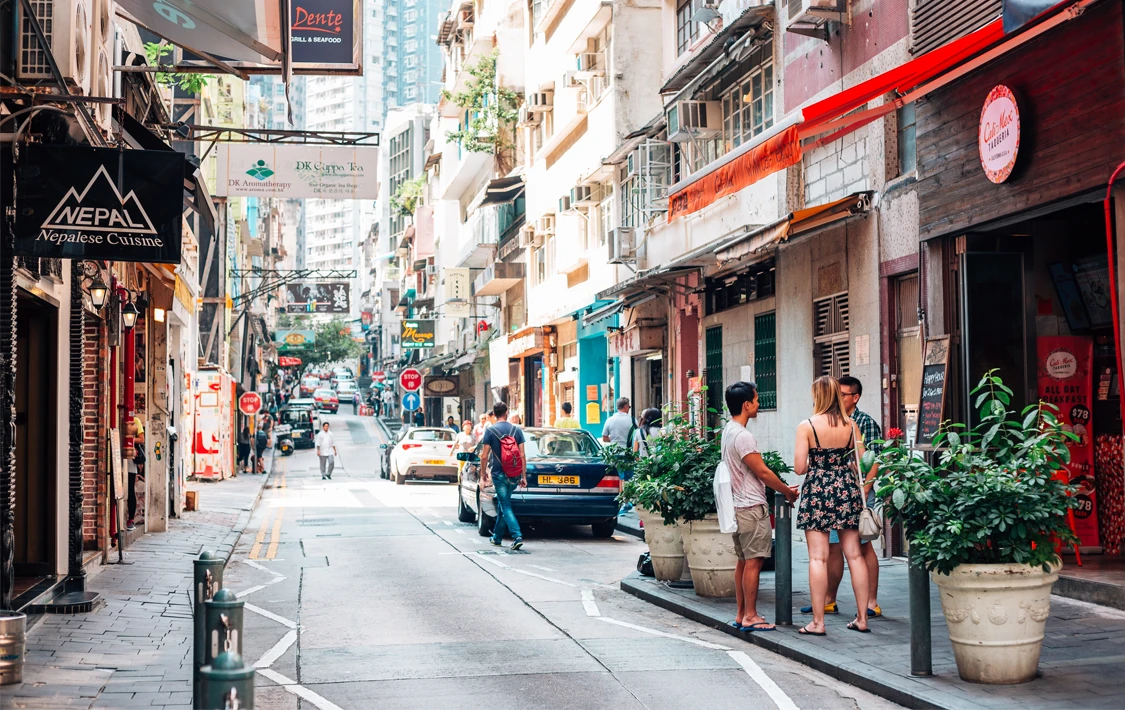
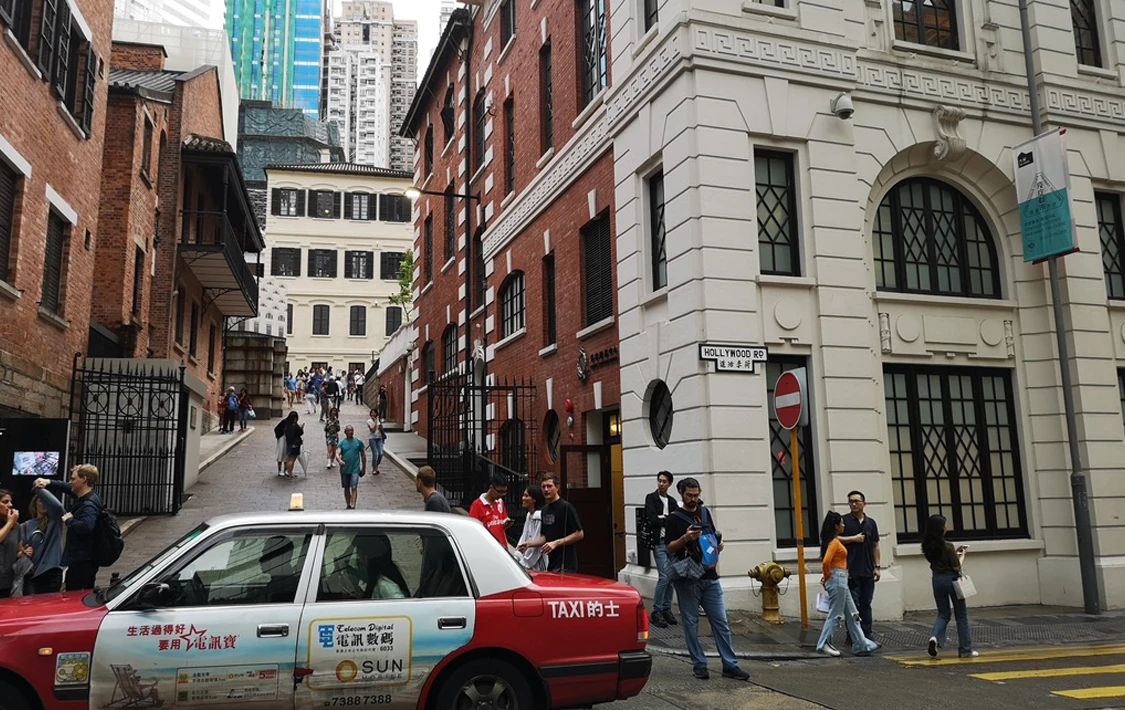
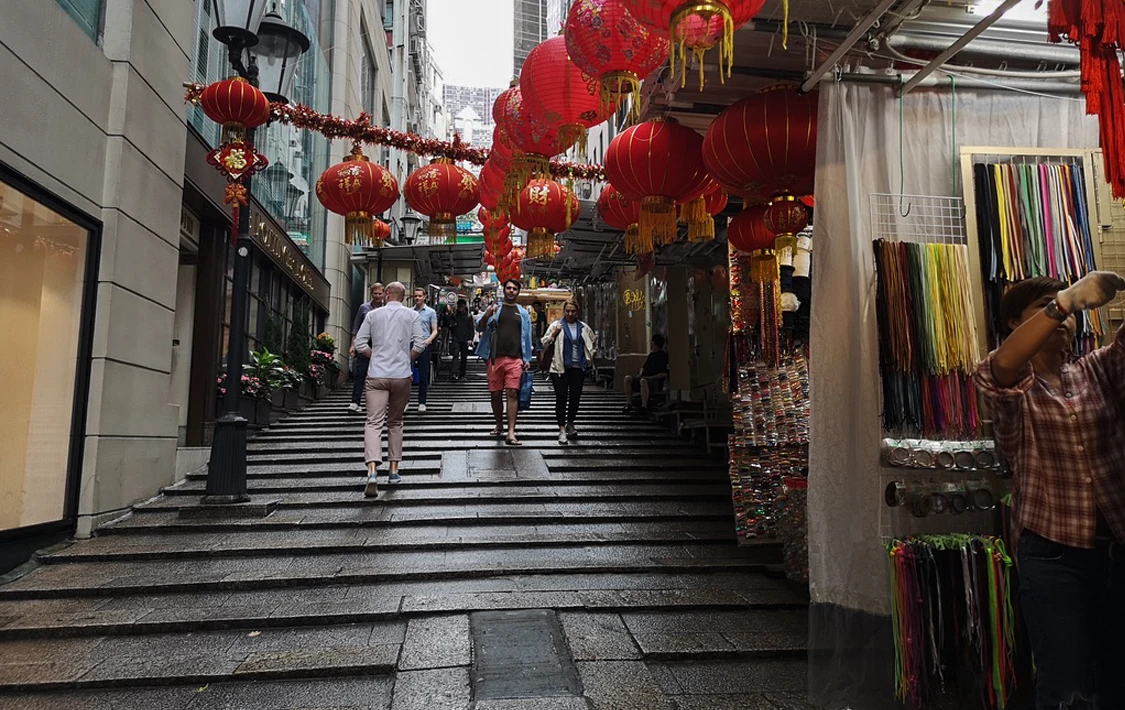
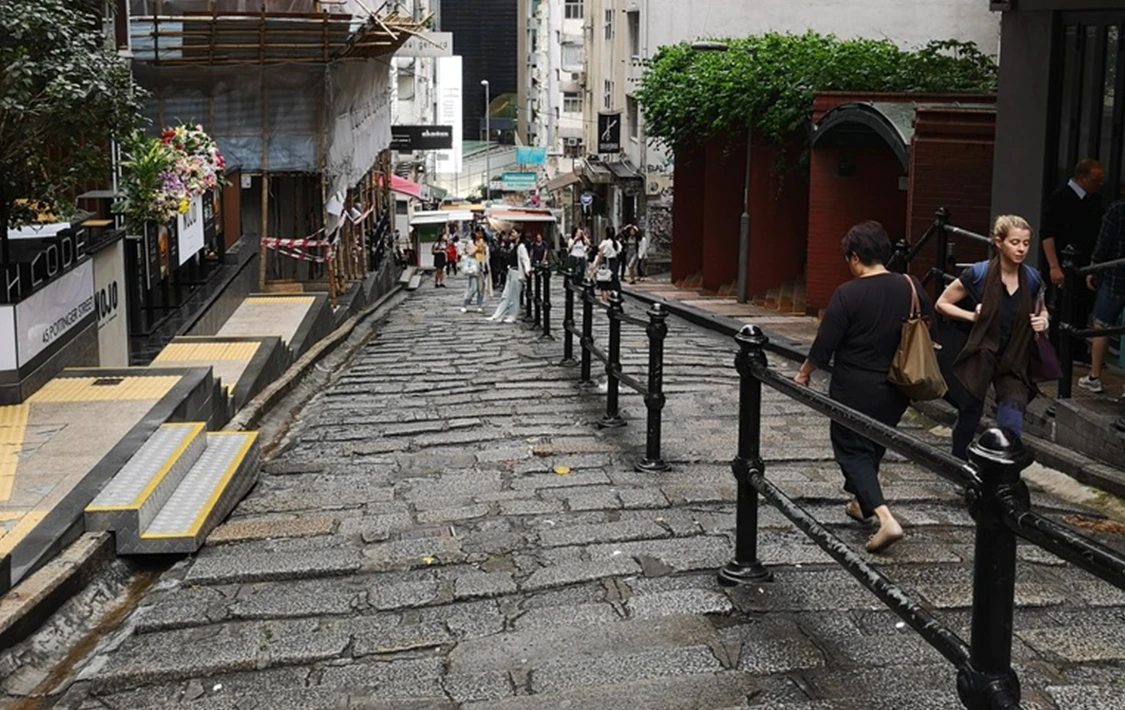



SoHo Hongkong – For Food Lovers
Hungry? Looking to treat yourself to great food? Then SoHo is exactly where you want to be. SoHo stands for South Hollywood Road and is known for its narrow streets lined with historic buildings. The area has a unique charm that’s hard not to fall for.
SoHo is a classic hotspot with an international vibe. Expats and travellers alike come here to explore the wide range of restaurants. Whether you’re hungry or just in the mood for a drink, you’ll find something that hits the spot. The culinary scene is incredibly diverse, offering just about everything you can think of.
The area is also home to a great selection of wine bars and clubs. Whether you’re after a relaxed evening with a glass of wine or a night out, SoHo has something for everyone. Many places offer outdoor seating, perfect for watching the city go by.
Lang Kwai Fong – Perfekt für Nachtschwärmer
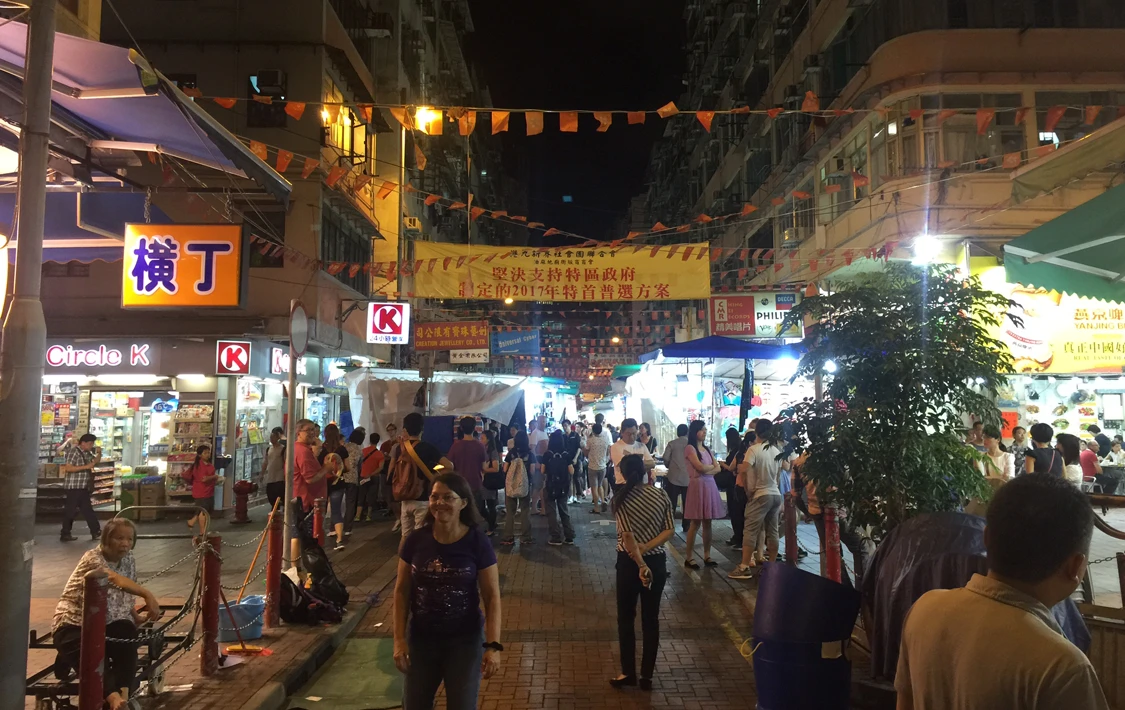
In the mood to go out? Lan Kwai Fong is one of the most famous nightlife districts in Hongkong. With over 90 bars, restaurants, and clubs, it’s the place to let loose and enjoy the night. From laid-back bars to upscale clubs, you can party here well into the early hours.
Just head to Lan Kwai Fong, follow your instincts, and go bar hopping. Alternatively, you can check out current events and parties on hkclubbing.com. This trendy area is especially popular with tourists and expats, but you’ll also find plenty of locals here.
Another highlight of SoHo is its proximity to other popular spots like Lan Kwai Fong and the Mid-Levels Escalator. You can easily start your evening in SoHo and end the night in one of the neighbouring districts.
Useful facts about SoHo
Useful facts about Lang Kwai Fong
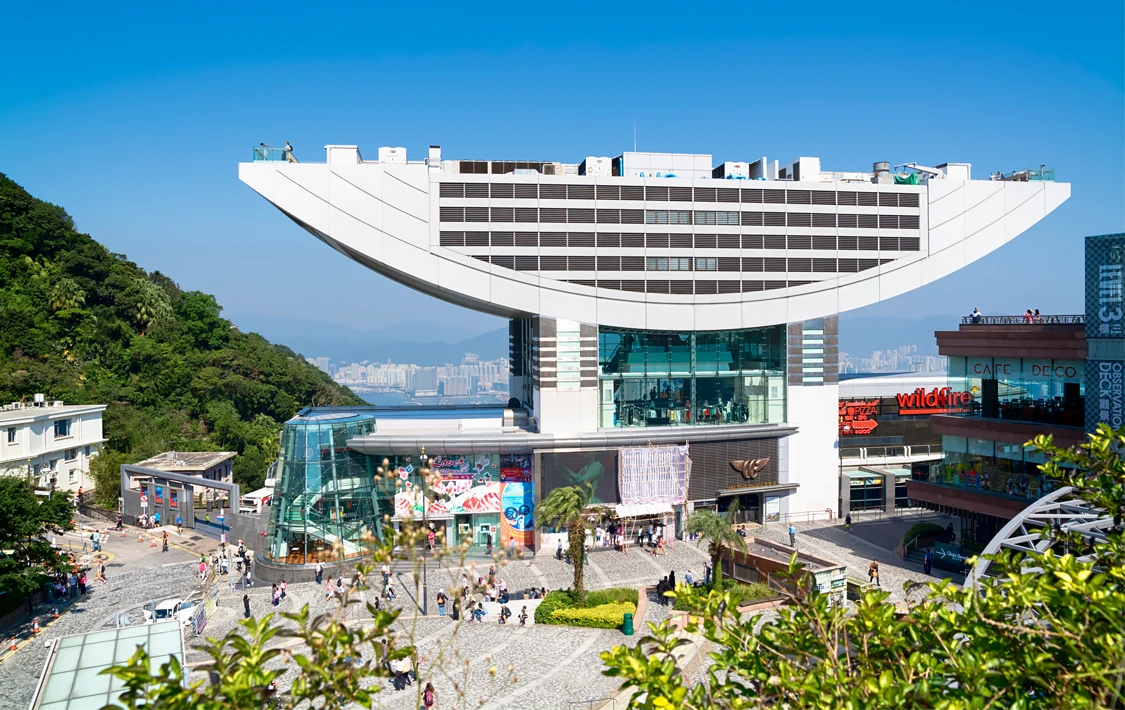
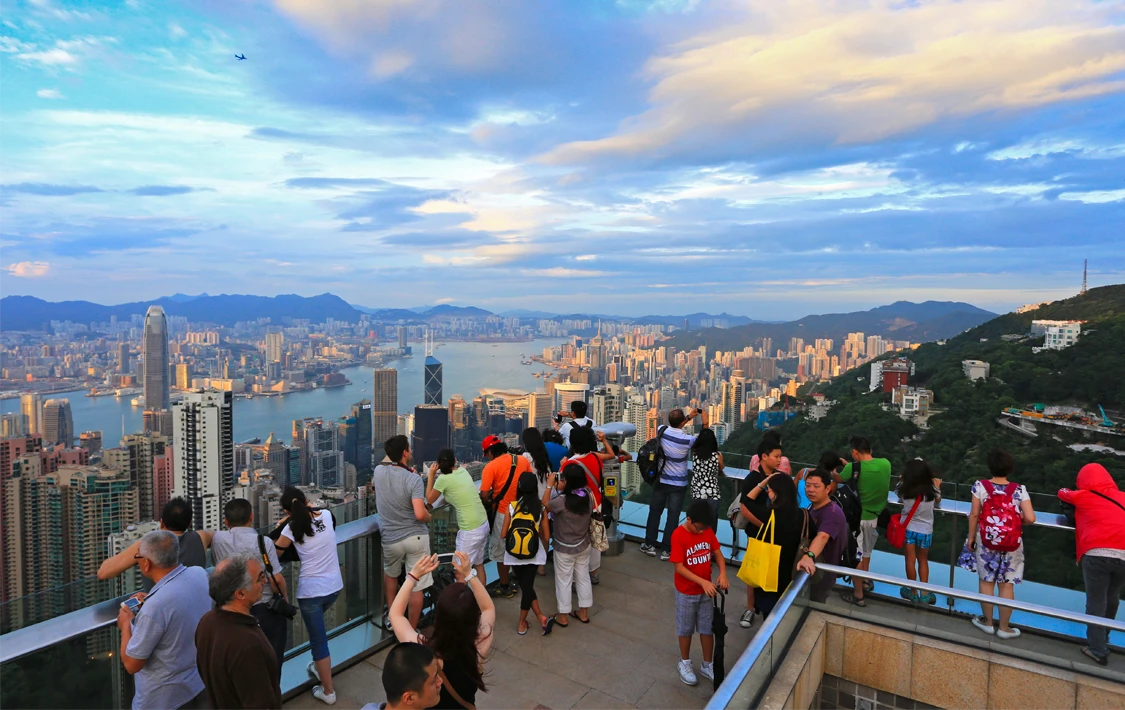
4. Victoria Peak – panoramic skyline views, one of Hongkong’s top attractions
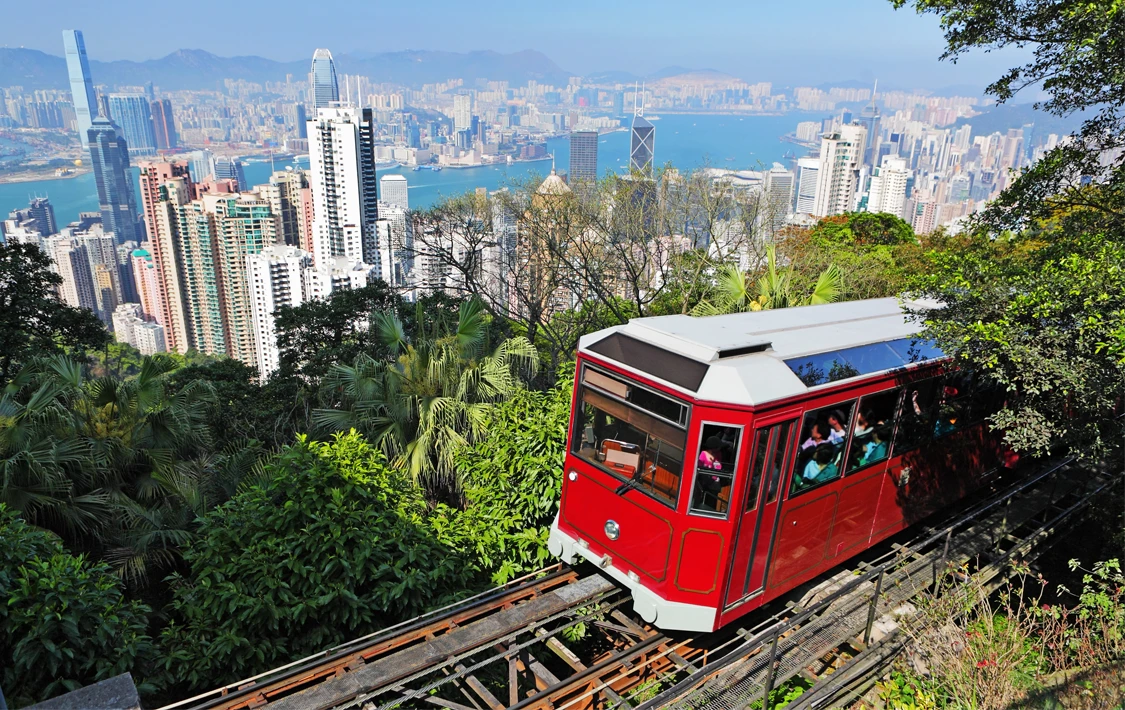


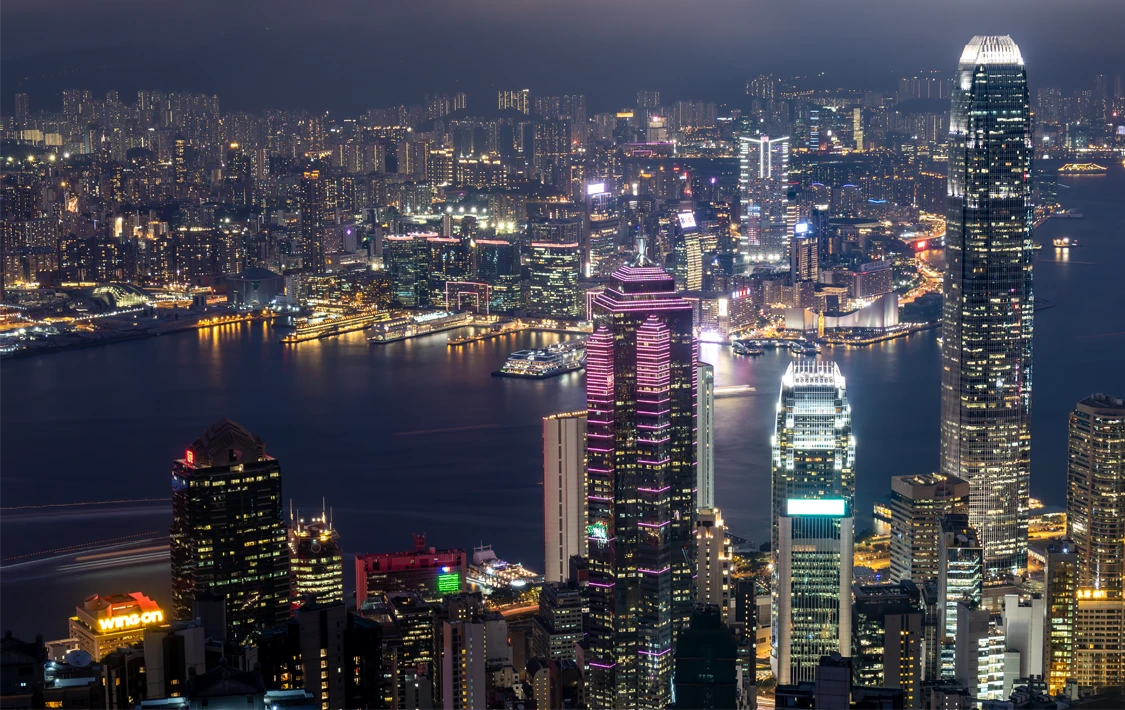
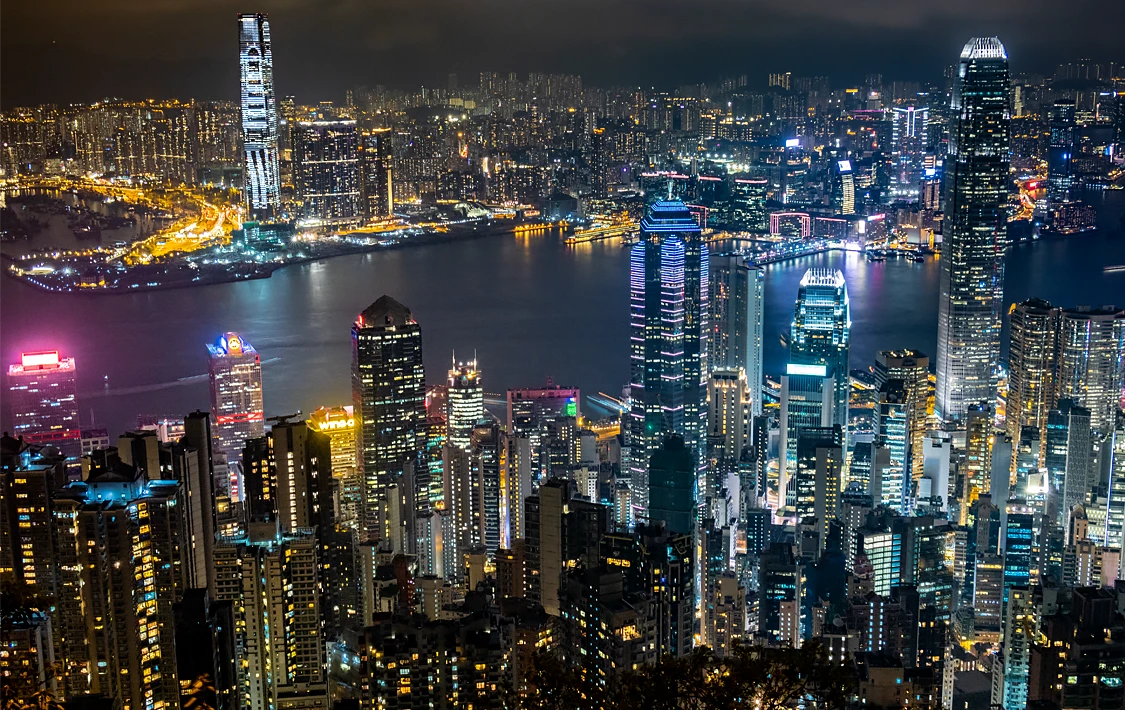
Skylines – they’re impressive, massive, and one of the most popular photography subjects. Nowhere is this more true than in Hongkong. With over 1,400 skyscrapers, its skyline is world-famous and one of the largest on the planet. No matter where you are in the city, it’s always there. Millions of travellers come here every year just to experience this jungle of high-rises.
There’s only one place that offers a true 360-degree panoramic view from above – Victoria Peak. Whether you take the iconic Peak Tram, hop on a bus, or hike your way up, the journey to the 550-meter summit is already an unforgettable experience, with incredible views along the way.
Once at the top, you’ll find stunning viewpoints and a 2.7-kilometre circular trail with breathtaking views over Hongkong, the skyline, and Victoria Harbour. Victoria Peak is one of the most visited attractions in Hongkong and an absolute must on your trip – you haven’t really been to Hongkong without seeing it.
Useful facts about Victoria Peak
5. Star Ferry – a scenic ferry ride worth taking
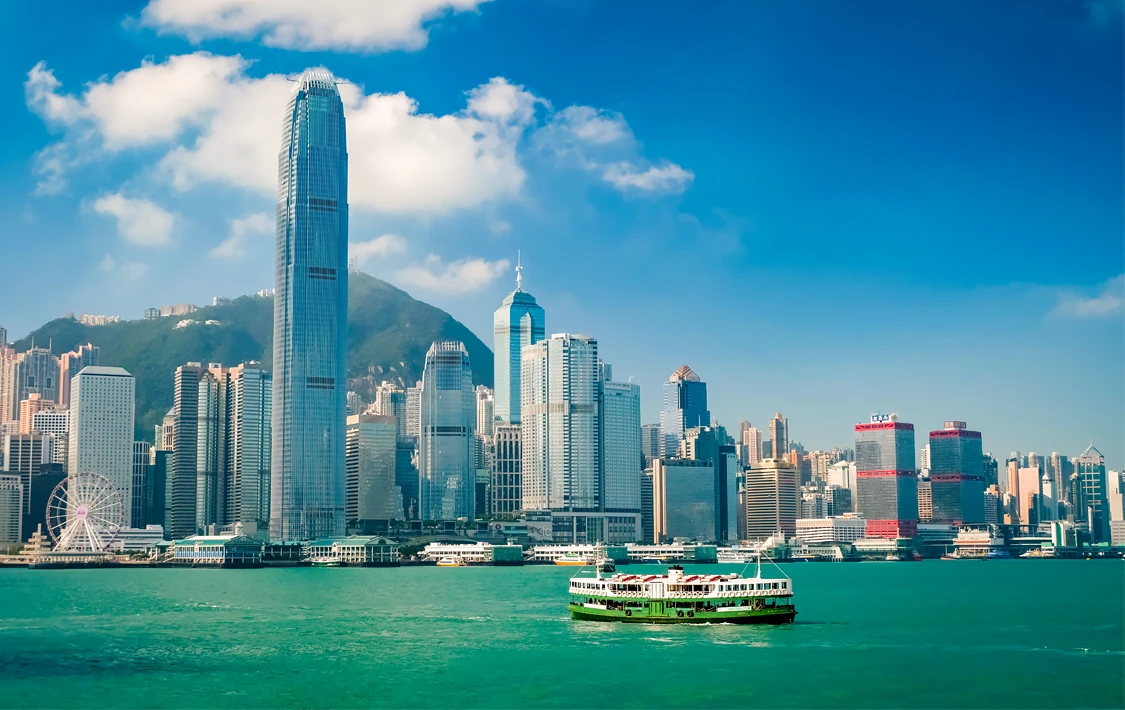

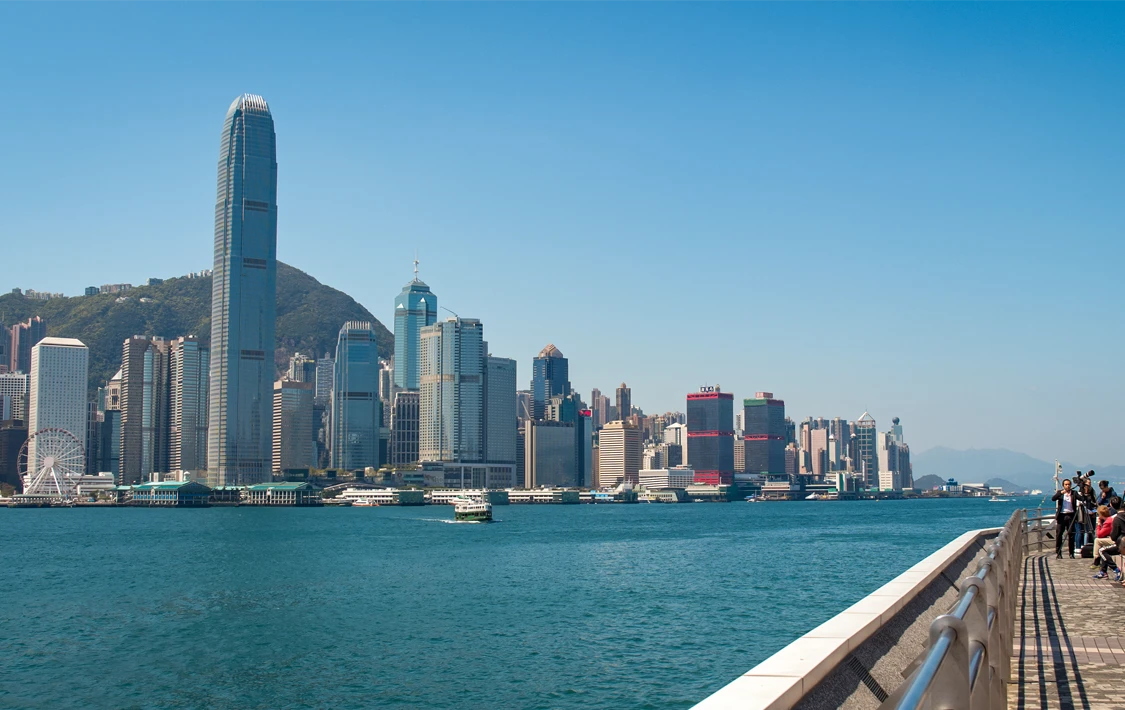
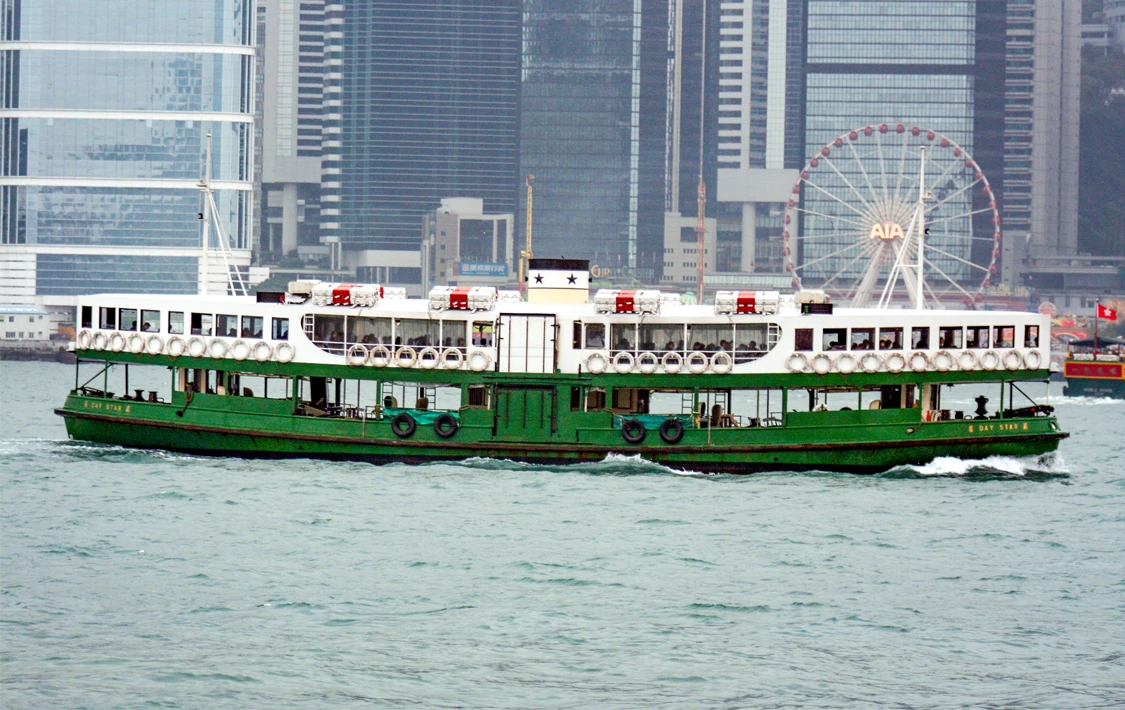
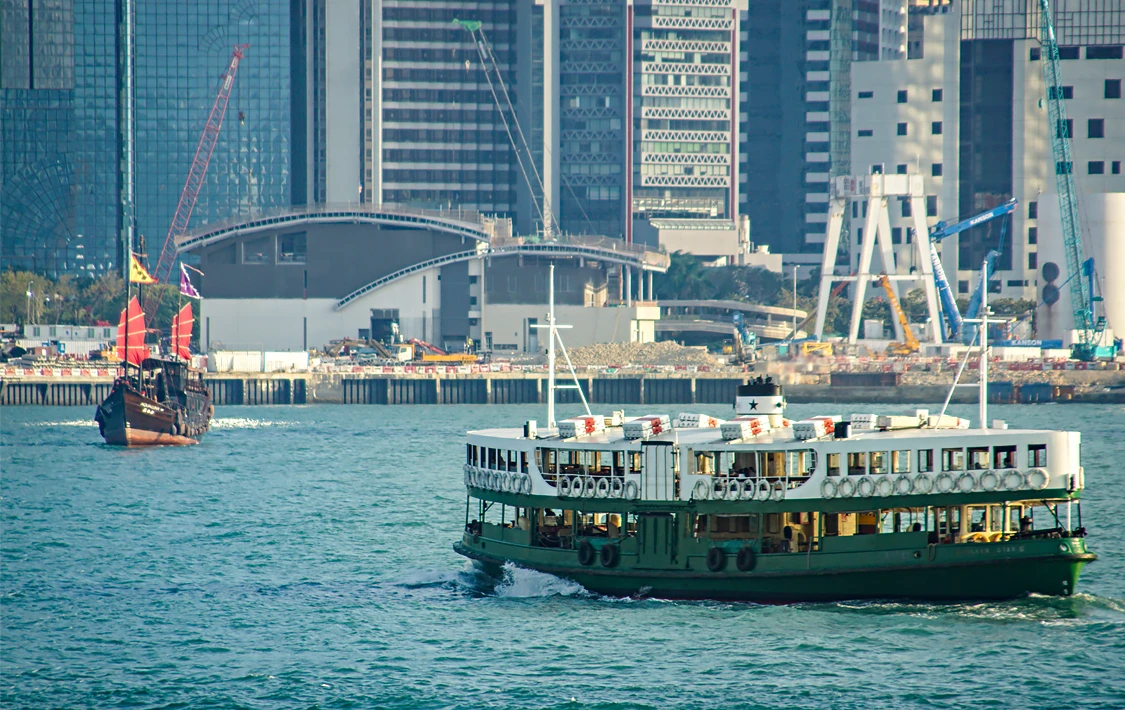
The Star Ferry has been in operation since 1888 and was the main form of transport between Hongkong Island and Kowloon until the Cross-Harbour Tunnel opened in 1972. The oldest ferry still in service is the Celestial Star, launched in 1956. Today, over 70,000 passengers use the ferry every day, adding up to more than 26 million per year.
A ride across Victoria Harbour is something you shouldn’t miss. The crossing from Tsim Sha Tsui to Central is especially worthwhile, offering incredible views of Hongkong’s impressive skyline. Tickets cost around HK$3 (approx. €0.40), making it a budget-friendly alternative to a harbour cruise. On a typical harbour cruise, however, you’ll usually get to experience the Symphony of Lights and see more of the harbour basin. These tours generally last around 90 minutes.*
Ferries run every few minutes, and the crossing itself takes only about 10 minutes. Still, it’s one of the best ways to admire and photograph Hongkong’s skyline (the Tsim Sha Tsui Promenade is also a great spot for photography). In the evening, when the city lights up, the experience becomes even more memorable.
In addition to regular services, the Star Ferry also offers special tours, such as the Harbour Tour, which takes you on a longer journey across Victoria Harbour and past additional sights.
The ferries themselves are a piece of living history, each with its own charm and traditional design. That’s what makes the Star Ferry more than just a means of transport – it’s an iconic symbol of Hongkong, representing the historic connection between Hongkong Island and the mainland.
What used to be something of an insider tip has now become one of Hongkong’s most popular attractions, and the Star Ferry is widely used by both locals and visitors alike.
Useful facts aboutStar Ferry
6. Ding Ding tram ride across Hongkong Island



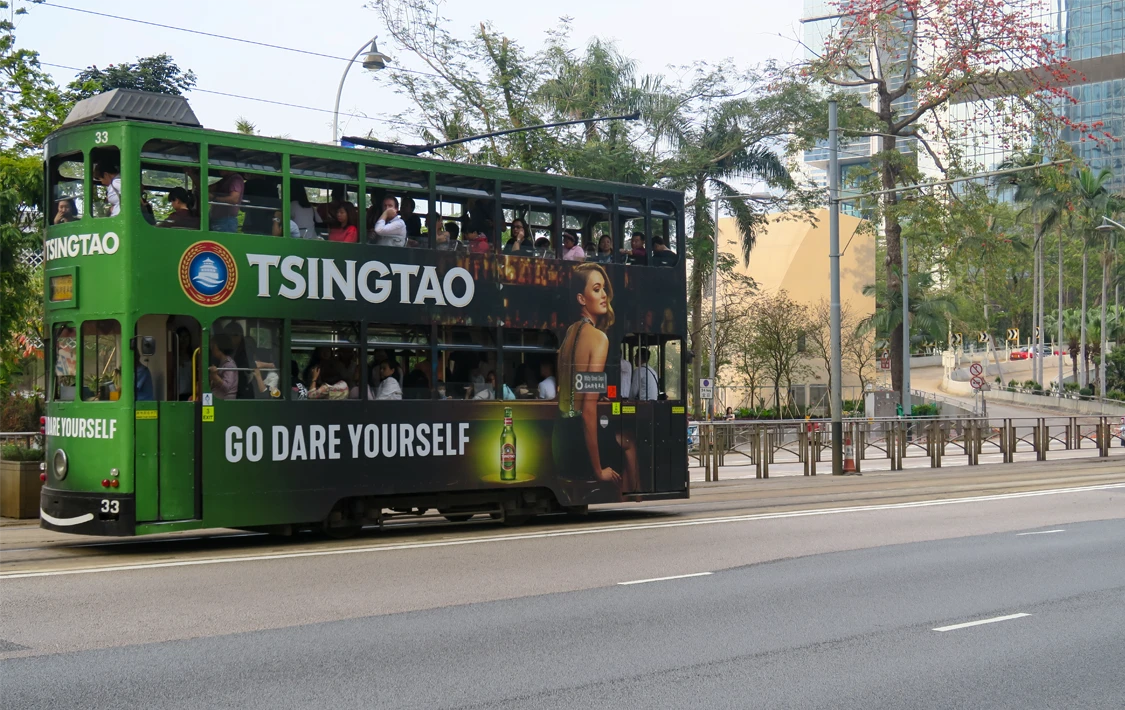
A stylish alternative to tourist buses
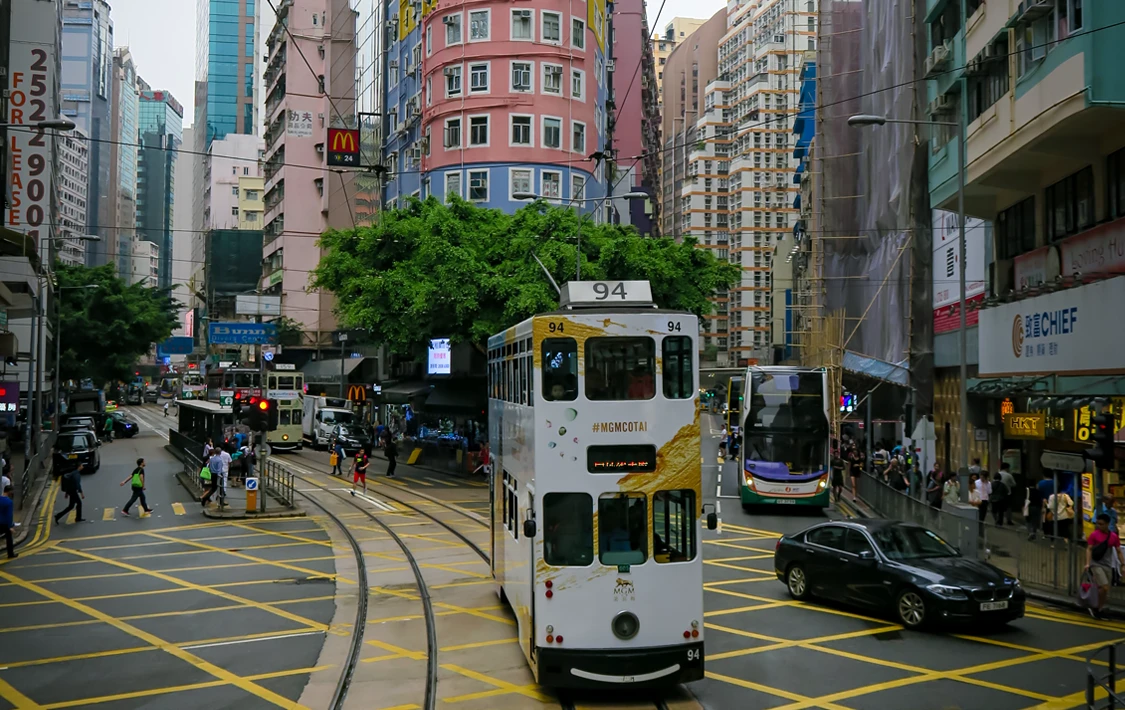
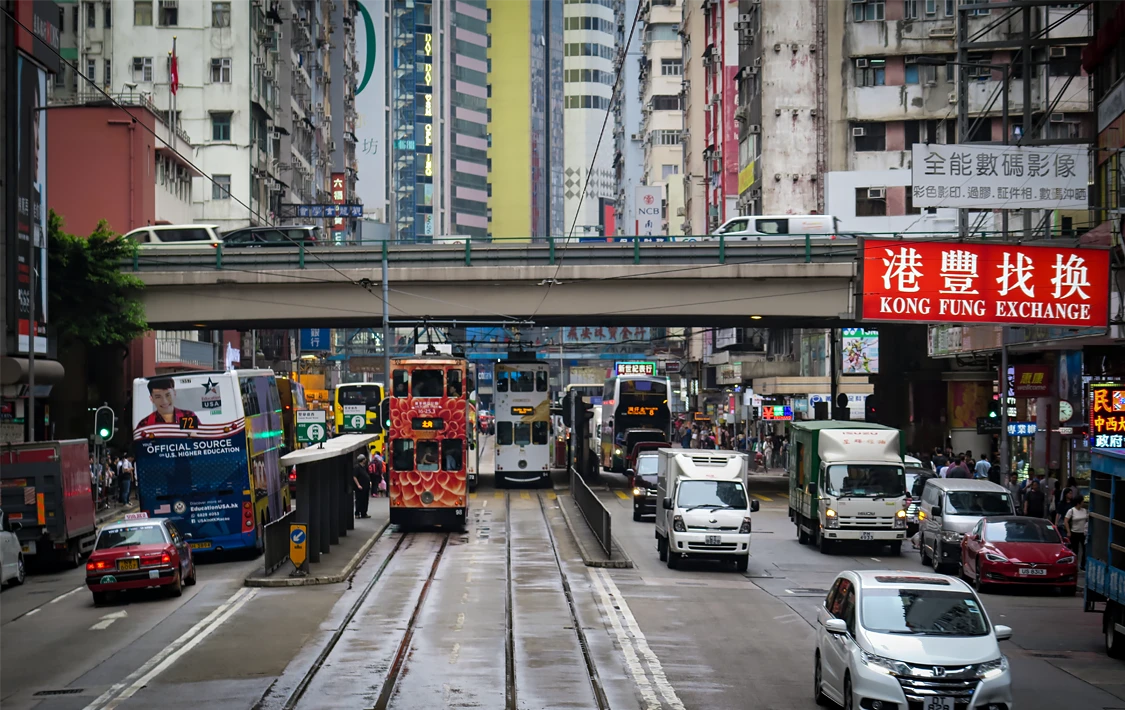
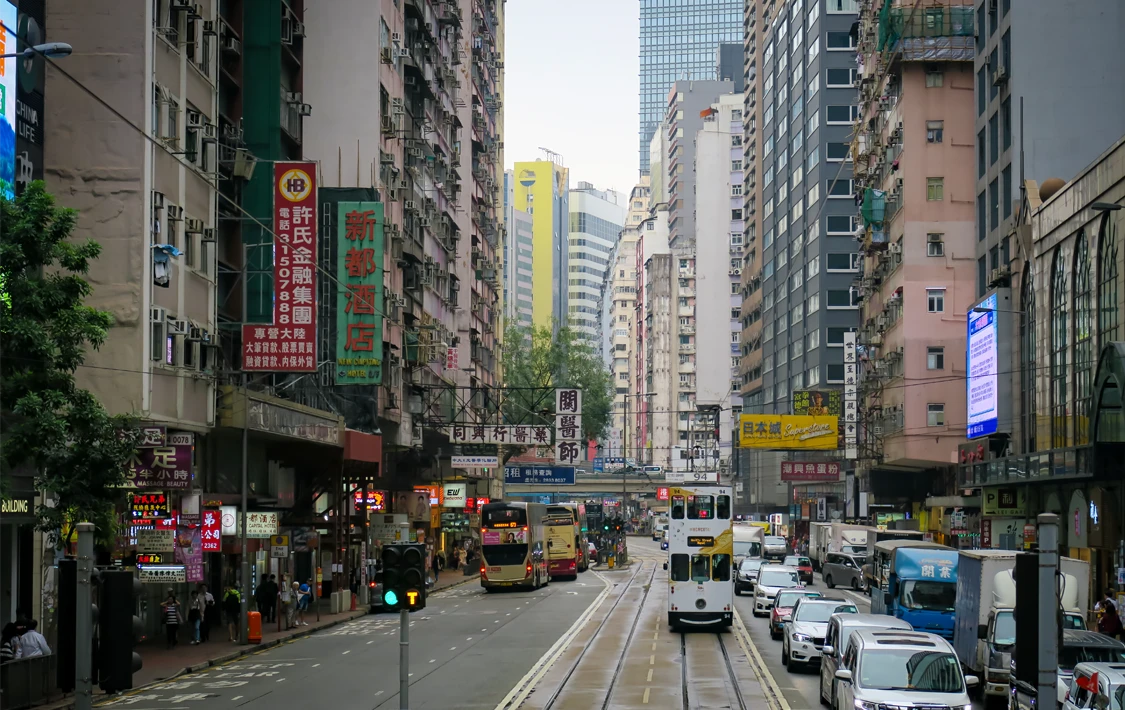
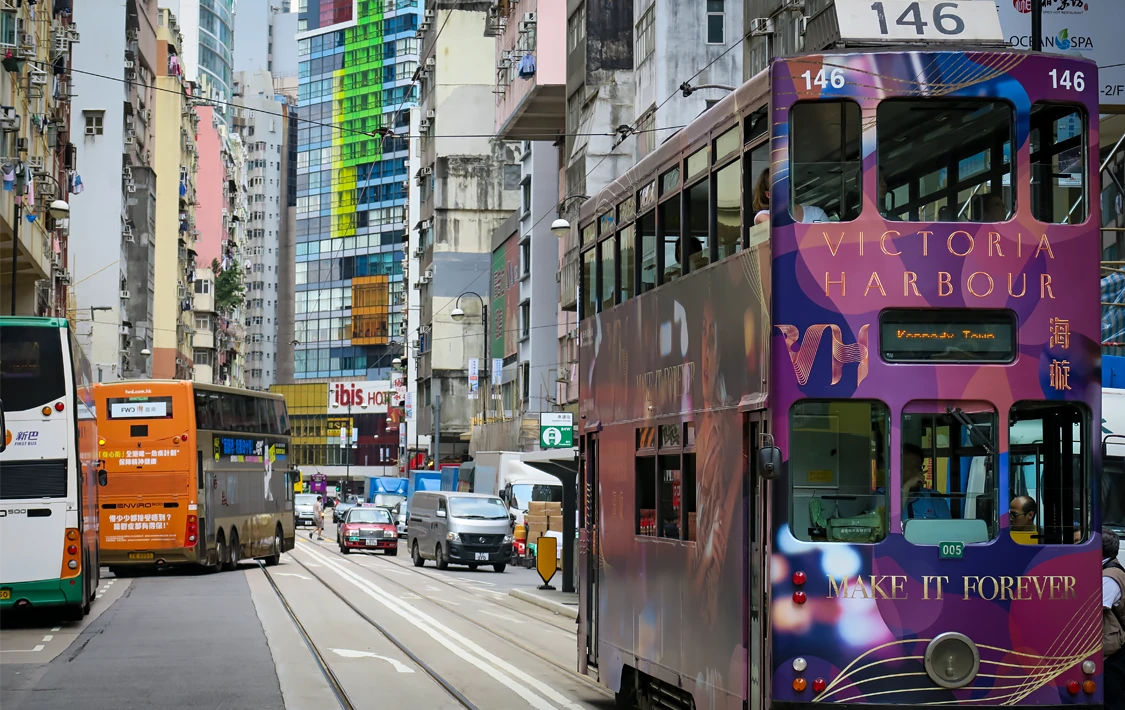
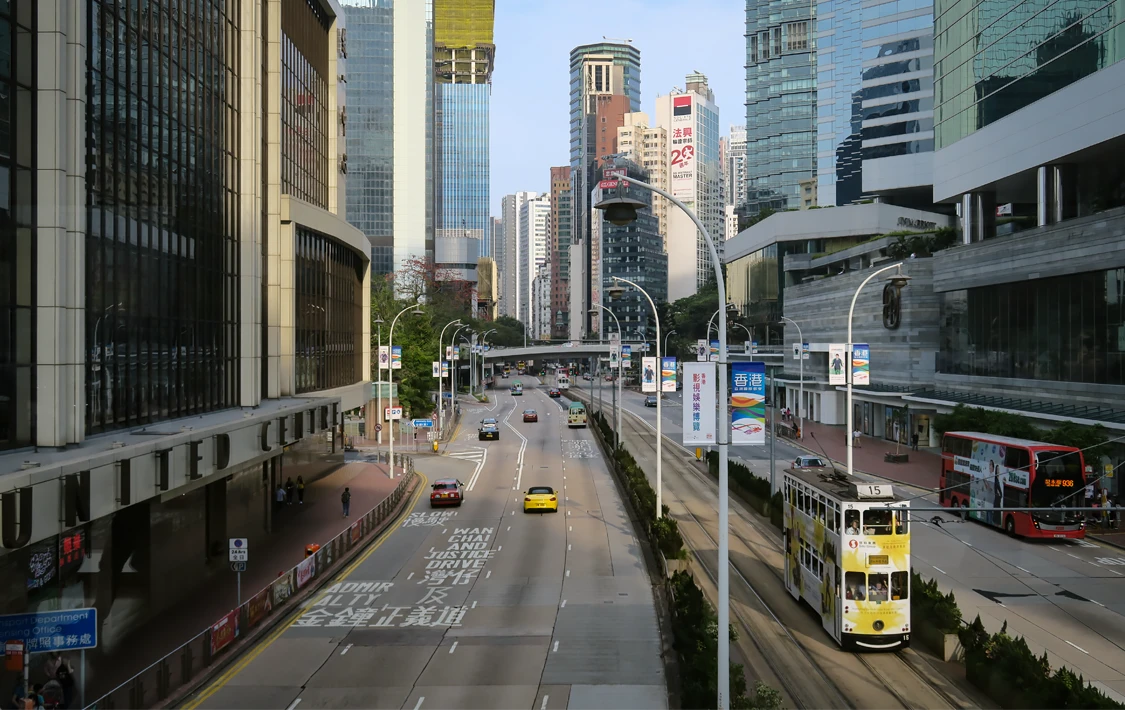
You know those double-decker sightseeing buses in cities like New York or London? Hongkong offers something just as cool with its iconic “Ding Ding” trams. In operation since 1904, the Hong Kong Tramways are a true attraction, and a ride along the skyline gives you a completely different perspective of the city.
Passing street markets, banks, and colonial buildings, the journey itself becomes part of the experience. The classic wooden trams are also a stylish alternative to crowded sightseeing buses. Just hop on, sit back, and enjoy.
Slow down to the rhythm of the city
The Ding Dings rattle and roll through Hongkong’s urban canyons at a maximum speed of around 40 km/h, though the average speed is much lower. It’s the cheapest and slowest way to get around Hongkong, but without a doubt one of the most enjoyable.
If you ever feel the need to slow down, simply take a few stops on the tram and let the city unfold around you. Between Kennedy Town and Causeway Bay, you’ll find a stop roughly every 250 metres.
Tip: Try to grab a window seat on the upper deck of the double-decker trams – it offers the best views. The top spots are right at the front or back of the tram. To secure one, it’s best to board at one of the terminal stations.
Prices: The nostalgic and famous Ding Ding is one of the cheapest ways to get around Hongkong. A ride costs a flat fare of HK$2.60 for adults, no matter how far you travel. You pay when exiting the tram, either in cash (exact fare only, no change) or with the Octopus Card. Boarding is at the rear, and you exit at the front (in the direction of travel).
Useful facts about the Ding Ding tram ride
7. Diversity in the heart of Hongkong: Hong Kong Park
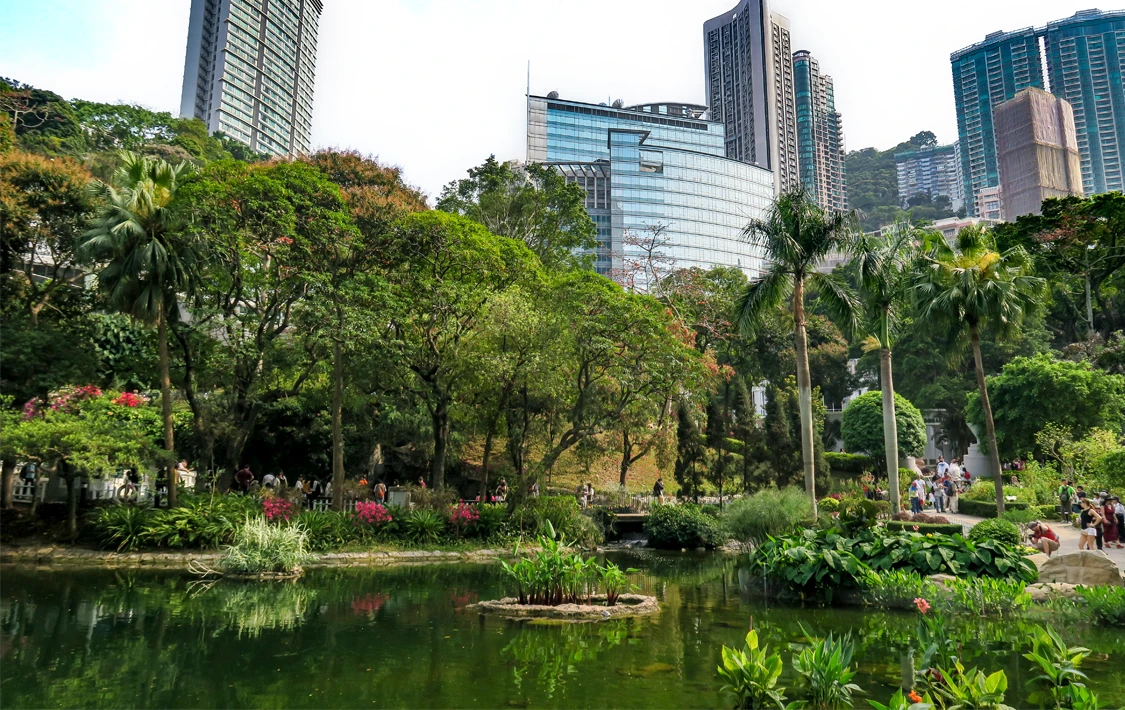
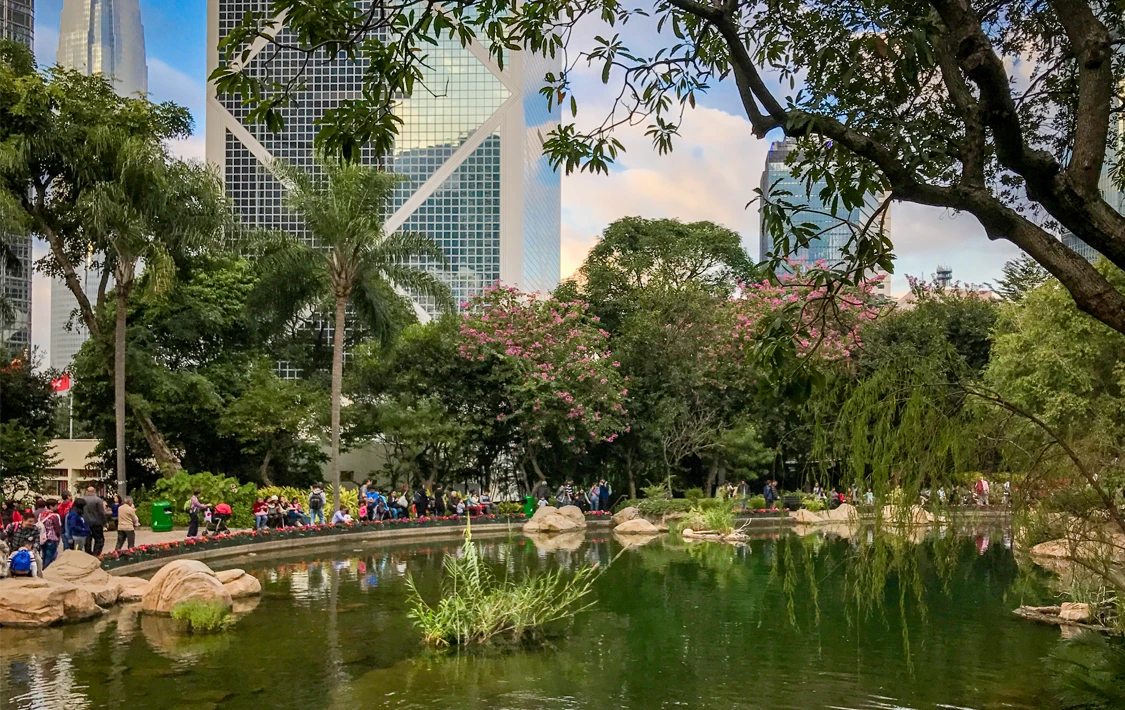

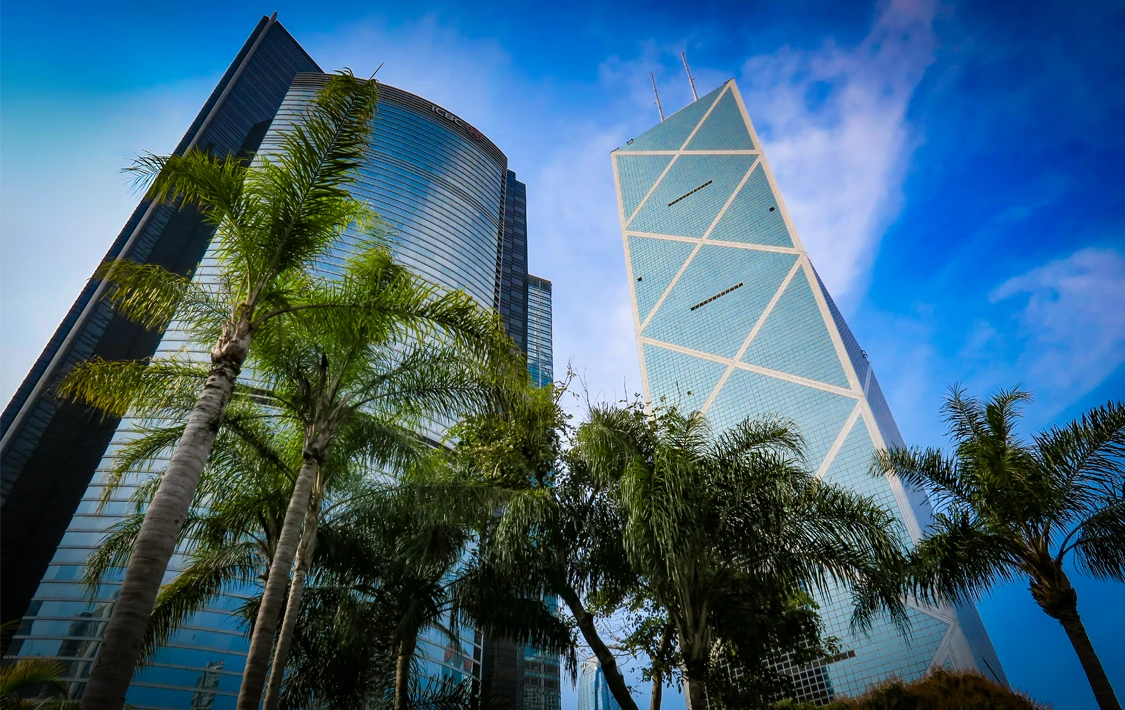

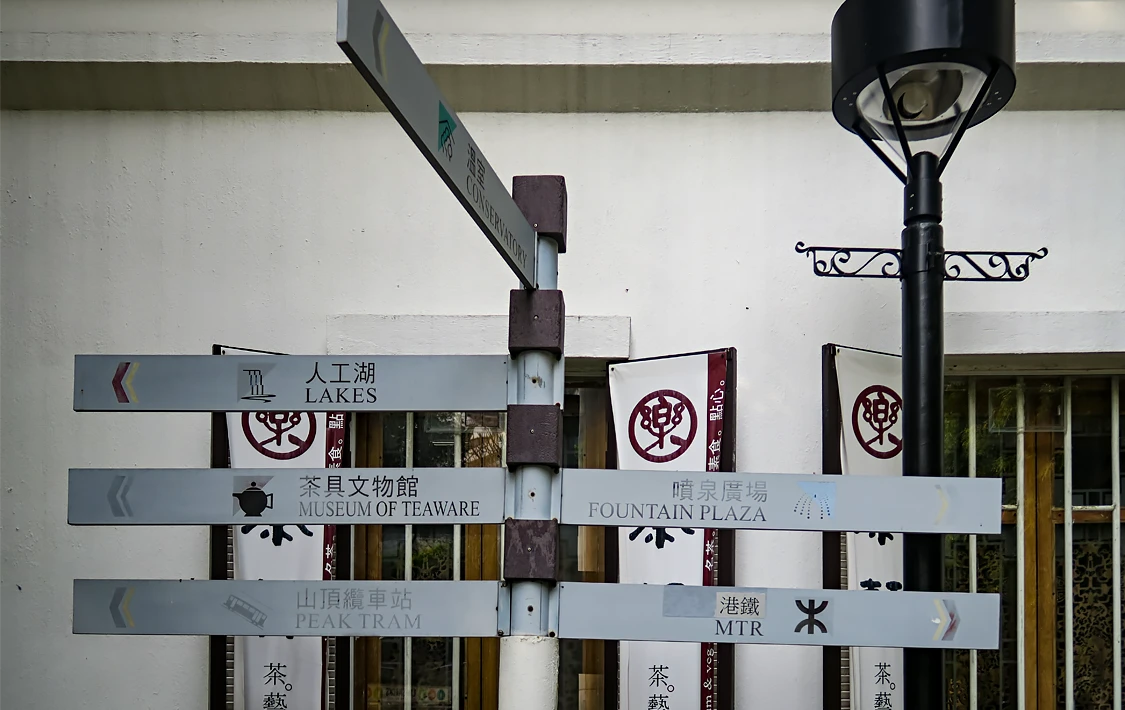
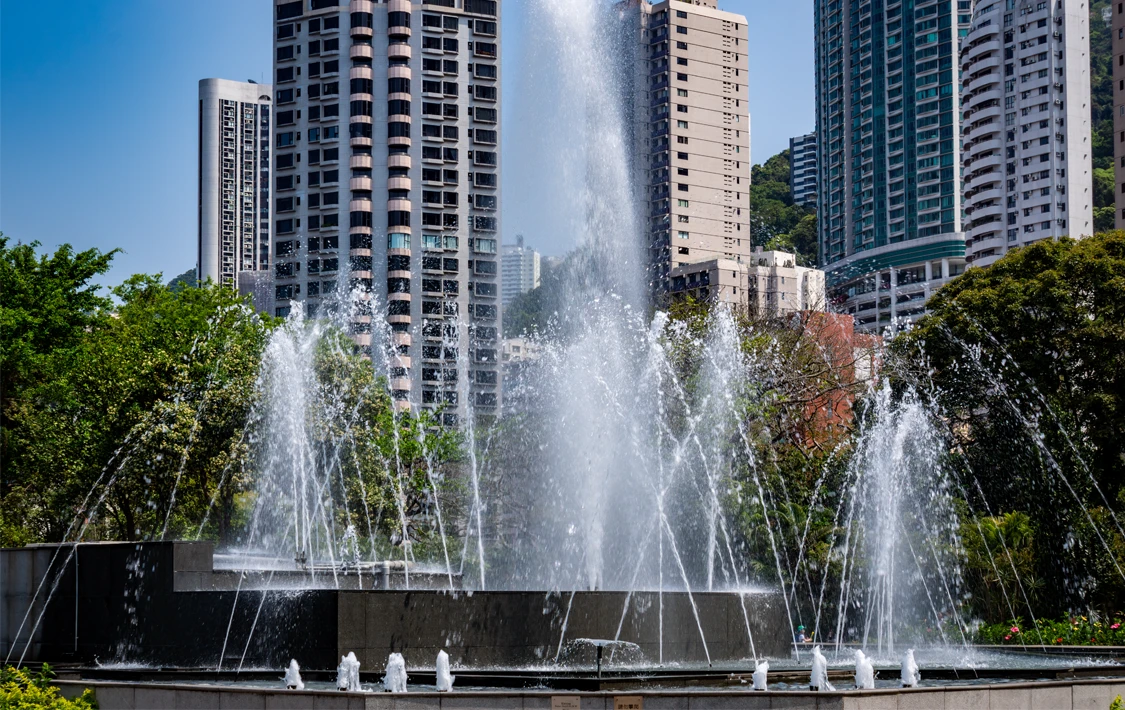
Hong Kong Park offers a fascinating blend of nature and urban surroundings. Colourful and vibrant, it creates a striking contrast to the surrounding skyscrapers. The carefully designed garden features two artificial lakes and a waterfall, home to a variety of fish and turtles. It’s also a great spot to capture some impressive photos.
In addition to its green spaces, the park is home to historic colonial buildings, a large playground, and the biggest greenhouse in Southeast Asia. Around one million people visit the park every year.
Historic colonial buildings
The park covers an area of around 80,000 square metres and was once a military barracks. Several historic buildings from that time have been preserved:
- Cassels Block: Former barracks for married British officers, now the Hong Kong Visual Arts Centre (since 1992)
- Rawlinson House: Residence of the British Deputy General, now used as an office within the park (since the 1980s)
- Wavell House: Former quarters for married British officers, converted into a training centre in 1991
- Flagstaff House: The world’s first museum of tea (since 1984), showcasing teaware from the Tang Dynasty to the present day
Children Playground
Travelling with kids? The park features a playground of around 1,000 square metres spread across six different levels – sure to light up your kids’ faces.
More highlights – don’t miss
- Forsgate Conservatory: The largest of its kind in Southeast Asia, covering over 1,400 square metres and showcasing a wide variety of exotic plants and flowers from different climate zones.
- Edward Youde Aviary: A walk-through aviary covering over 3,000 square metres, home to more than 600 birds from around 80 species, designed like a jungle with a circular walking path.
Visit the Edward Youde Aviary even if you’re not a big bird lover. The atmosphere is unique – a jungle in the middle of the city, surrounded by skyscrapers.
Useful facts about Hongkong Park
8. Hongkong Zoological and Botanical Gardens
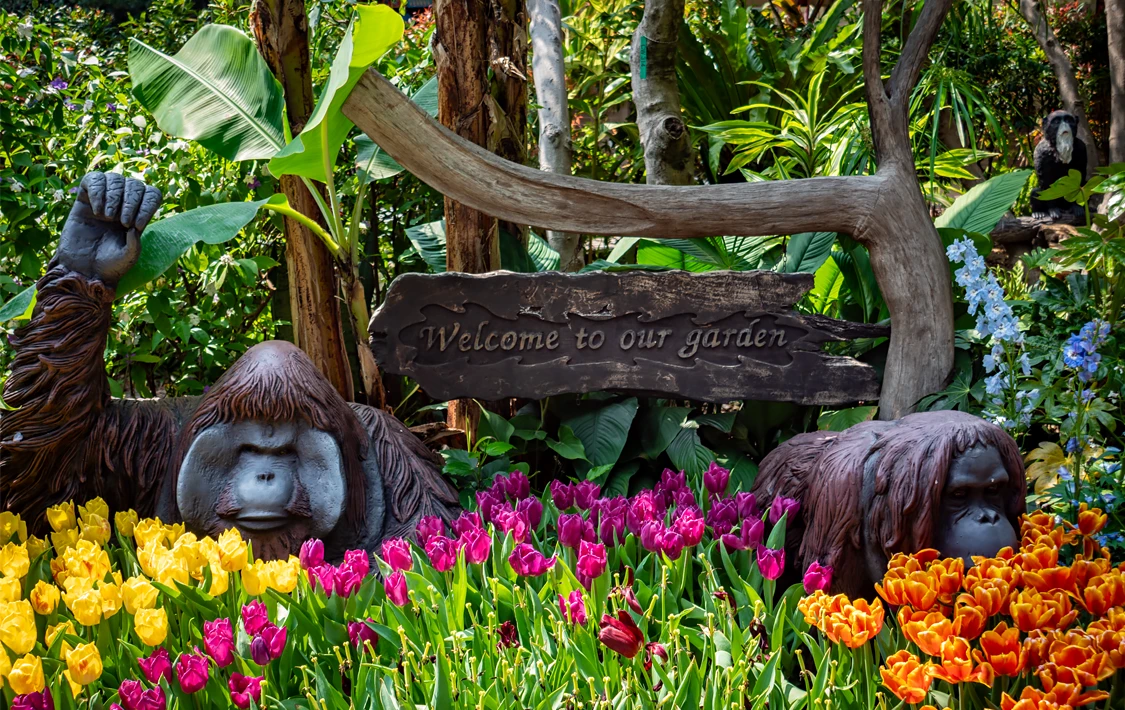



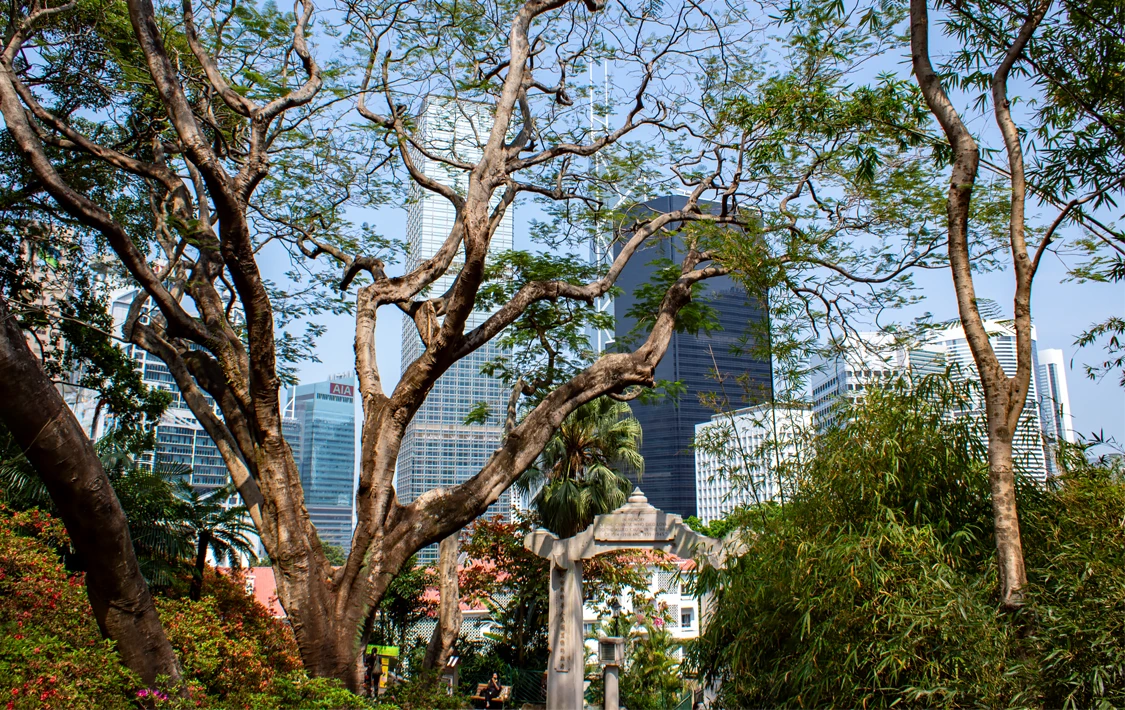
The Hong Kong Zoological and Botanical Gardens, established in 1871, were once the very first garden in Hongkong. Covering an area of 5.6 hectares, the park showcases a rich variety of species. Around 200 birds, 70 mammals, and 30 reptiles live here across 40 enclosures. Among them are flamingos, orangutans, various monkey species, and turtles. The aviary is especially worth visiting, home to a wide range of exotic bird species.
The gardens are also home to around 900 different plant species, most of them from tropical and subtropical regions. Major plant groups include conifers, figs, palms, rubber trees, magnolias, camellias, and azaleas. One of the highlights are the rare and unusual orchids, which can be found throughout the gardens.
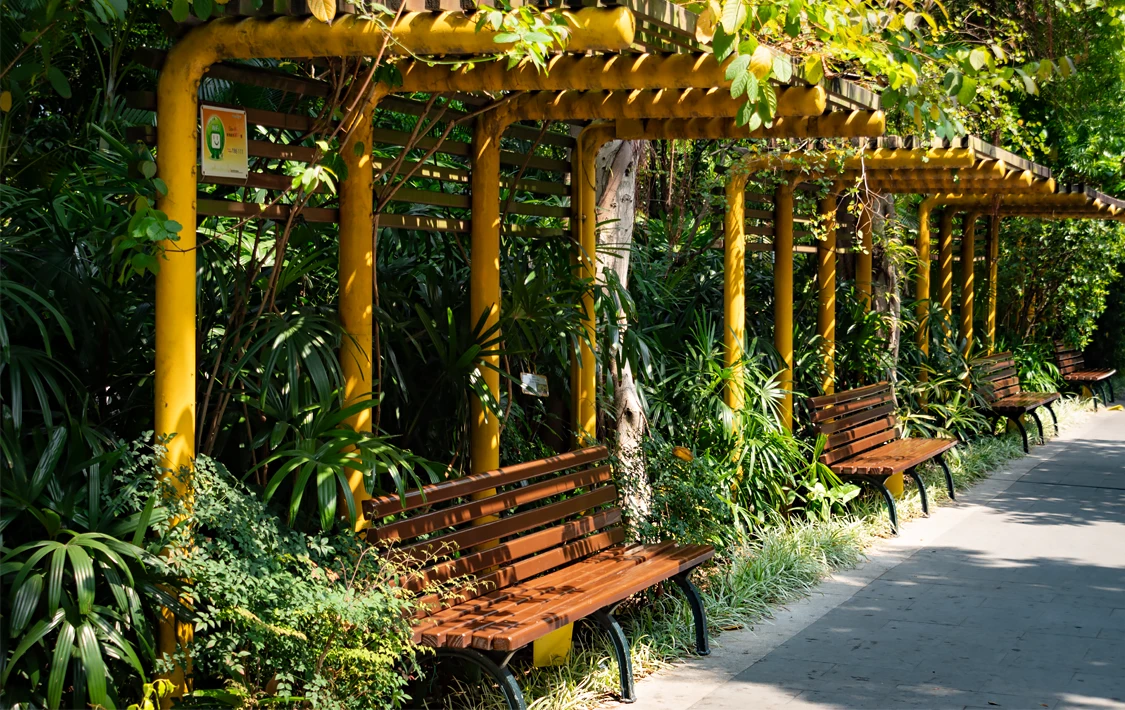
In addition, the park features peaceful walking paths, shaded seating areas, and even a small pond filled with aquatic plants and fish. It’s the perfect place to escape the hustle and bustle of the city and unwind in a green oasis. The gardens are popular with both locals and visitors alike.
For those interested in history, information boards throughout the park explain its development over time. The Hong Kong Zoological and Botanical Gardens are a place of relaxation that showcases the region’s botanical and zoological diversity.
Useful facts about the Hong Kong Zoological and Botanical Gardens
9. Causeway Bay – a shopping paradise and a visit to Victoria Peak


Shopping in Causeway Bay
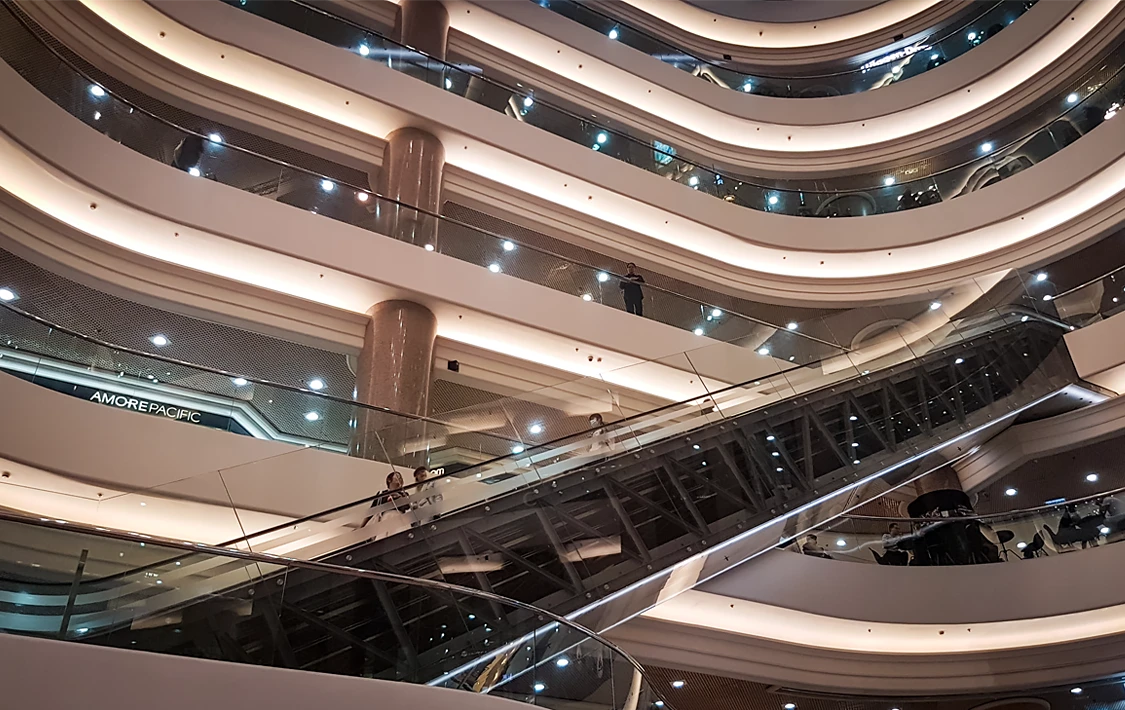
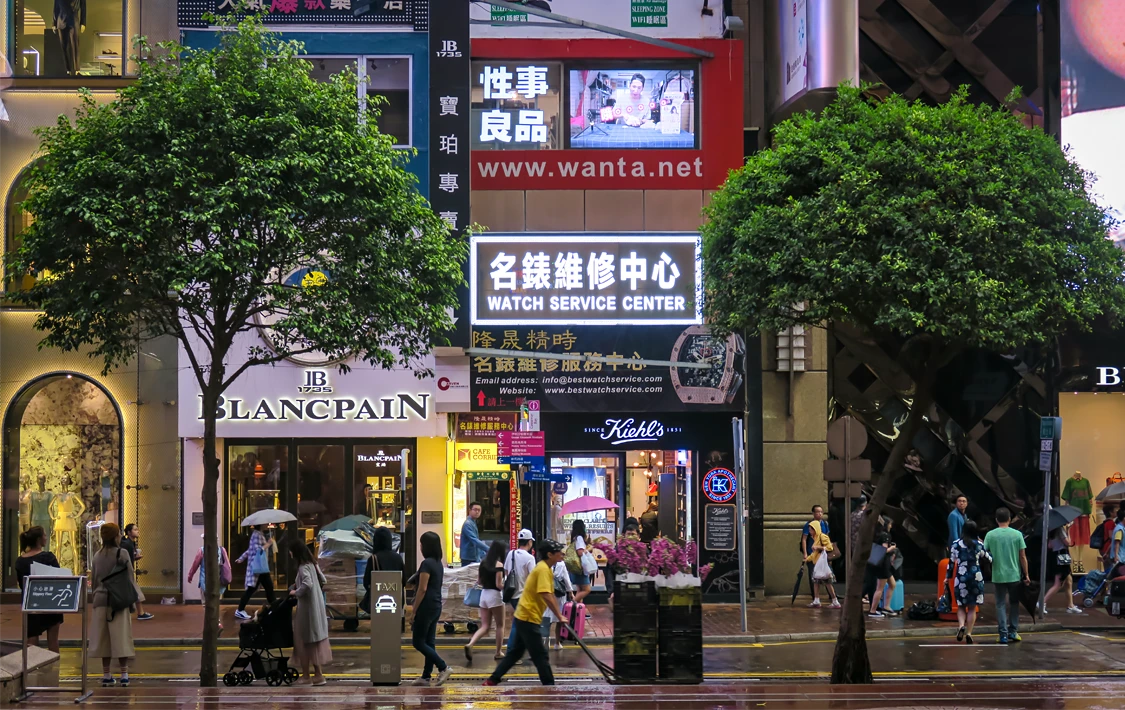
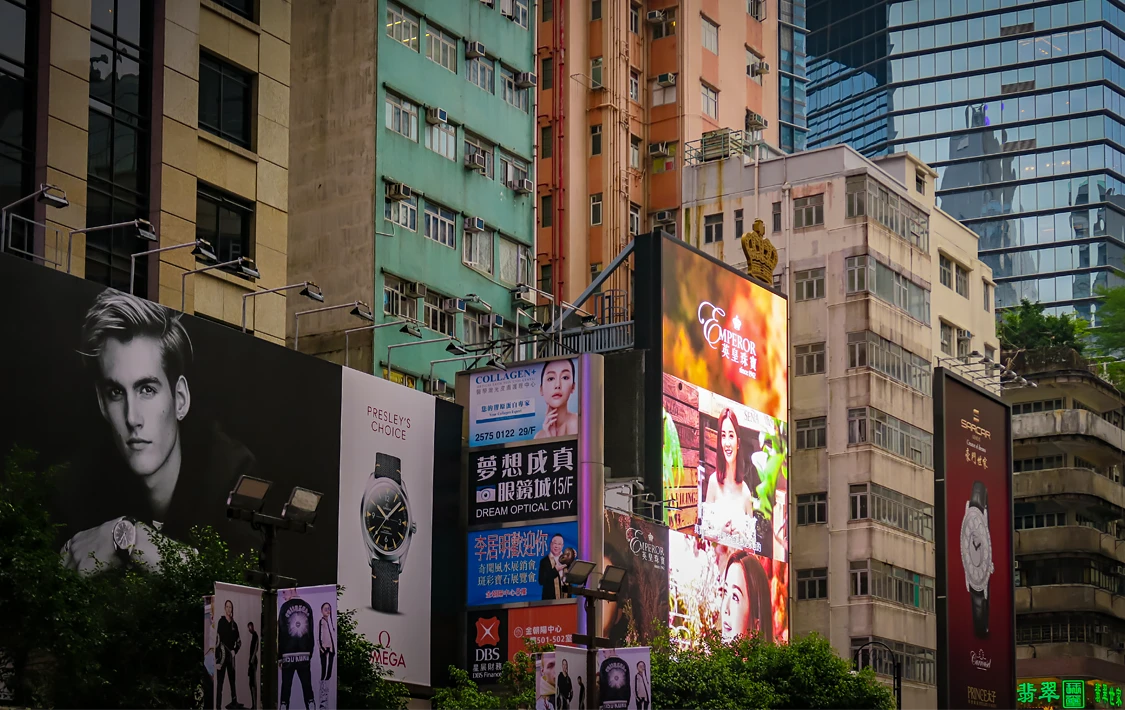
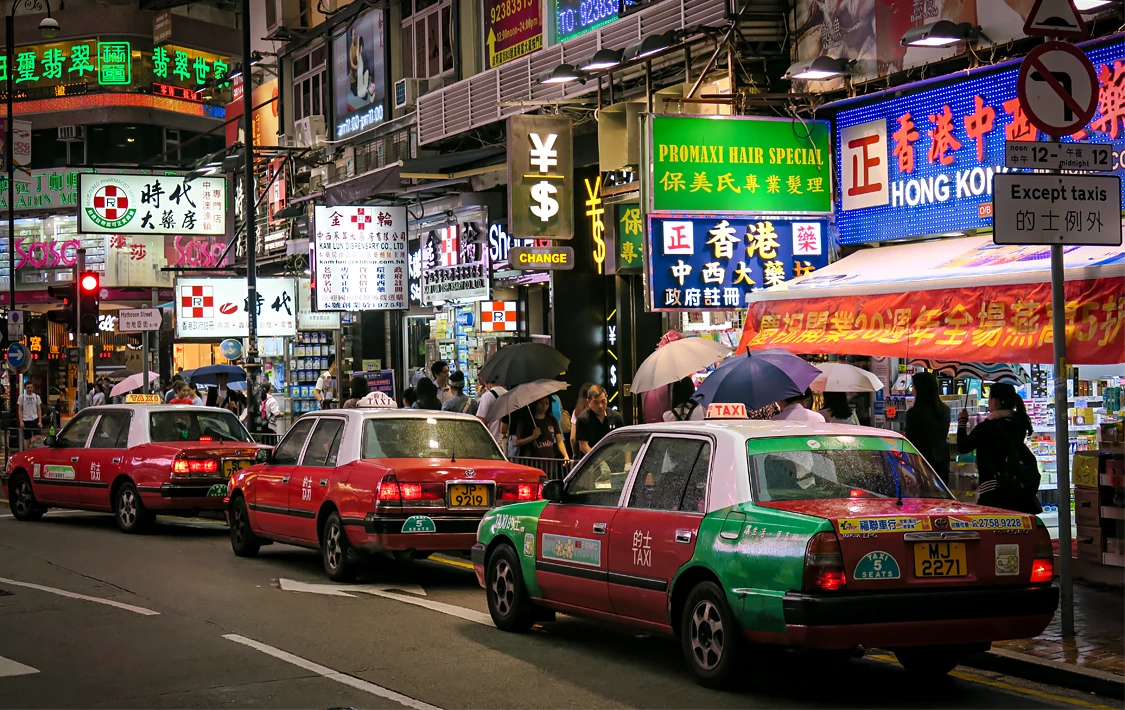
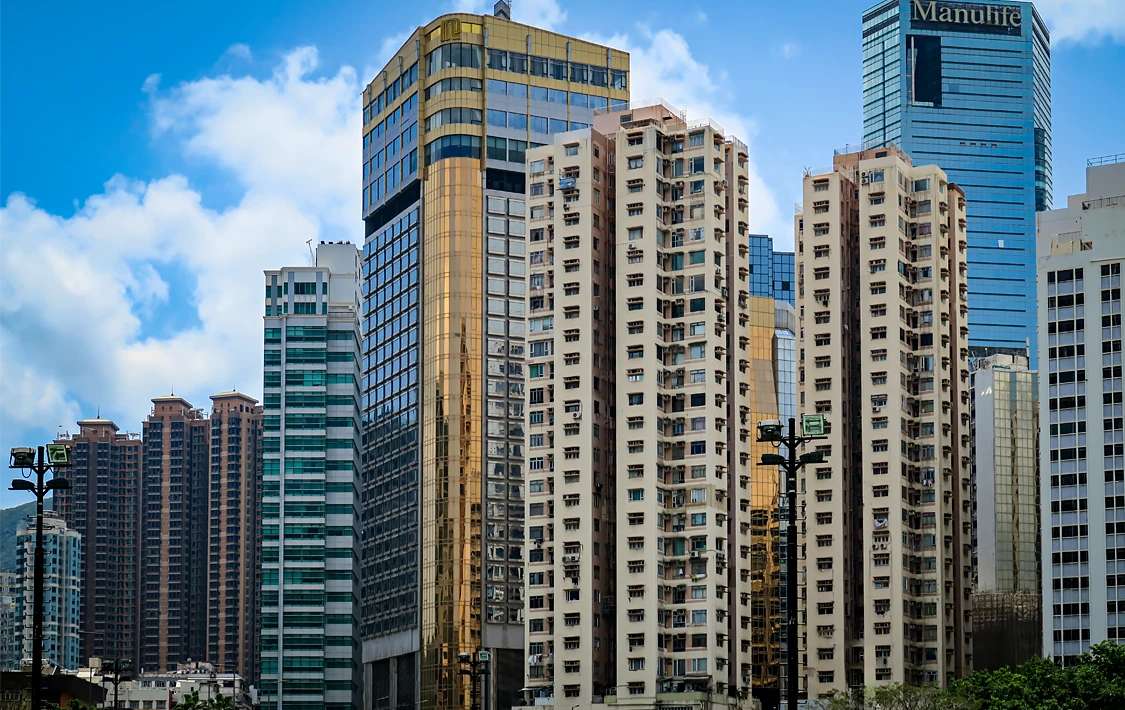
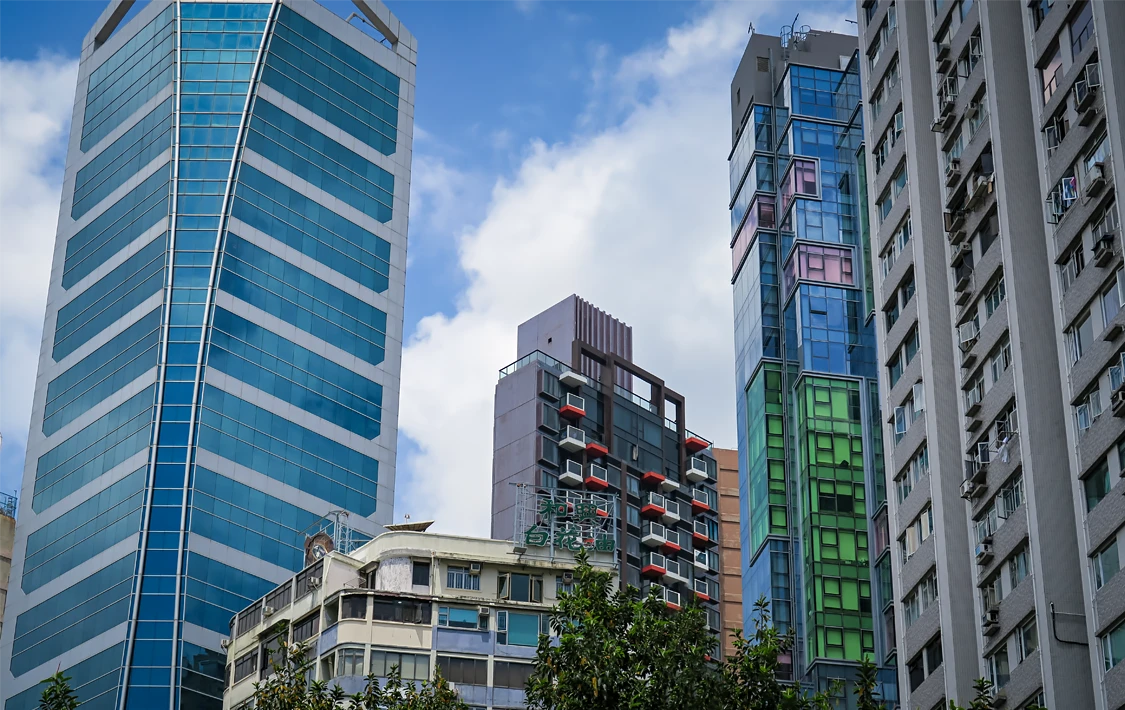
Causeway Bay is one of the liveliest districts in Hongkong and a true paradise for shopping lovers. You’ll find huge malls like Times Square and Hysan Place, as well as traditional markets and smaller boutiques. The area also offers a wide range of dining options, from street food to upscale restaurants serving all kinds of cuisines.
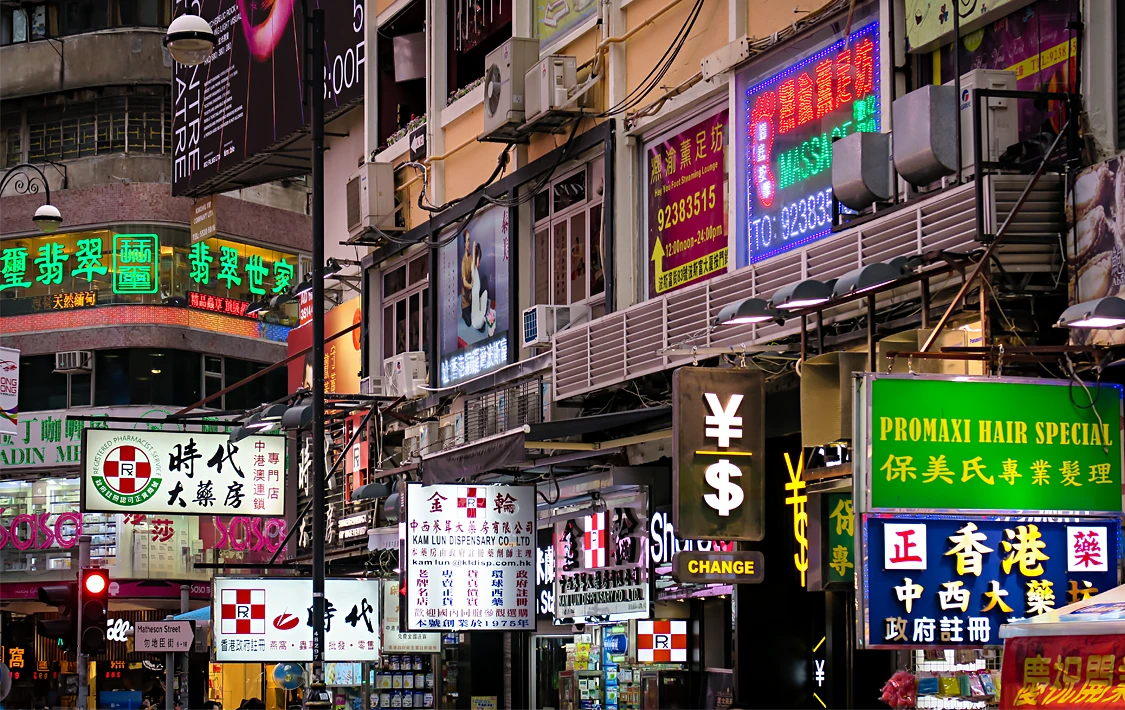
At night, Causeway Bay comes alive with neon lights and bars, making it a great place to spend an evening in the city.
The district is incredibly busy and has a character all of its own. At times, it can feel overwhelming – the crowds, the constant movement, the endless impressions. In some moments, it reminded me of the intense atmosphere of Mong Kok. But that’s exactly what makes Causeway Bay so unique.
If you’re looking for shopping, this is the place to be. Causeway Bay is one of the many shopping hotspots in the megacity of Hongkong. I found the Times Square Mall especially impressive. Opened in 1993, the mall spans an incredible 16 floors and features more than 230 international stores. Floors 10 to 13 are dedicated to a wide selection of restaurants and bars. The mall is open daily from 10 AM to 10 PM.
Other major shopping centres in the area include Times Square, the World Trade Center, and Sogo.
Relax at Victoria Park – the green heart of Causeway Bay
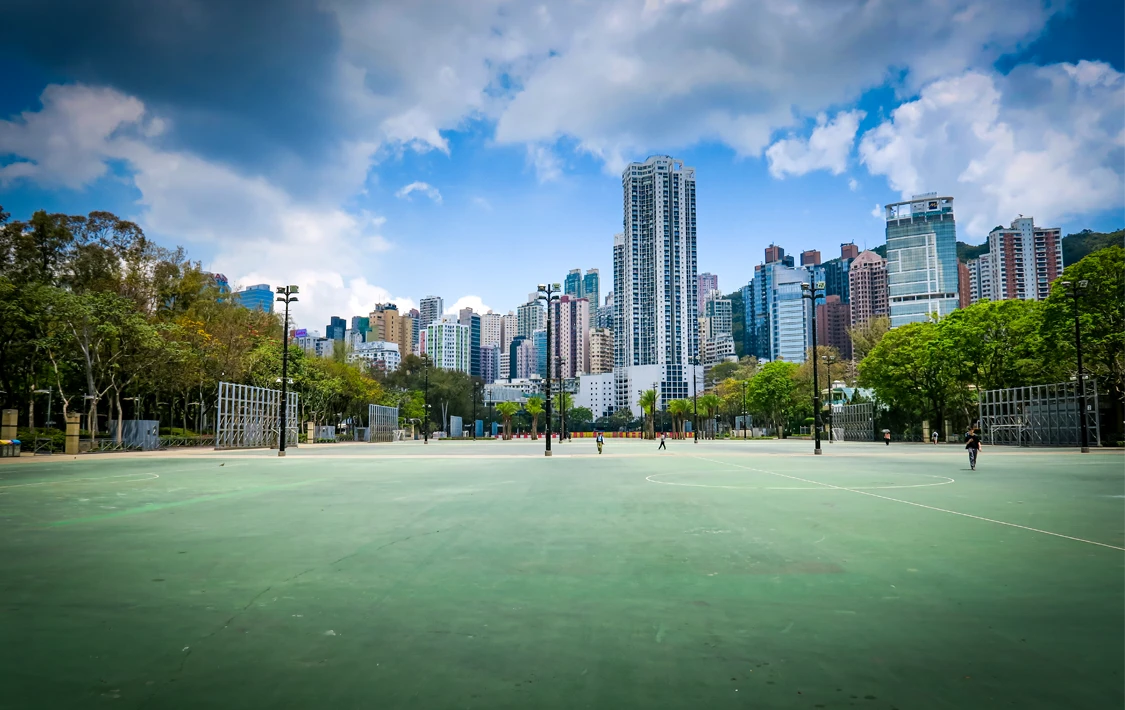
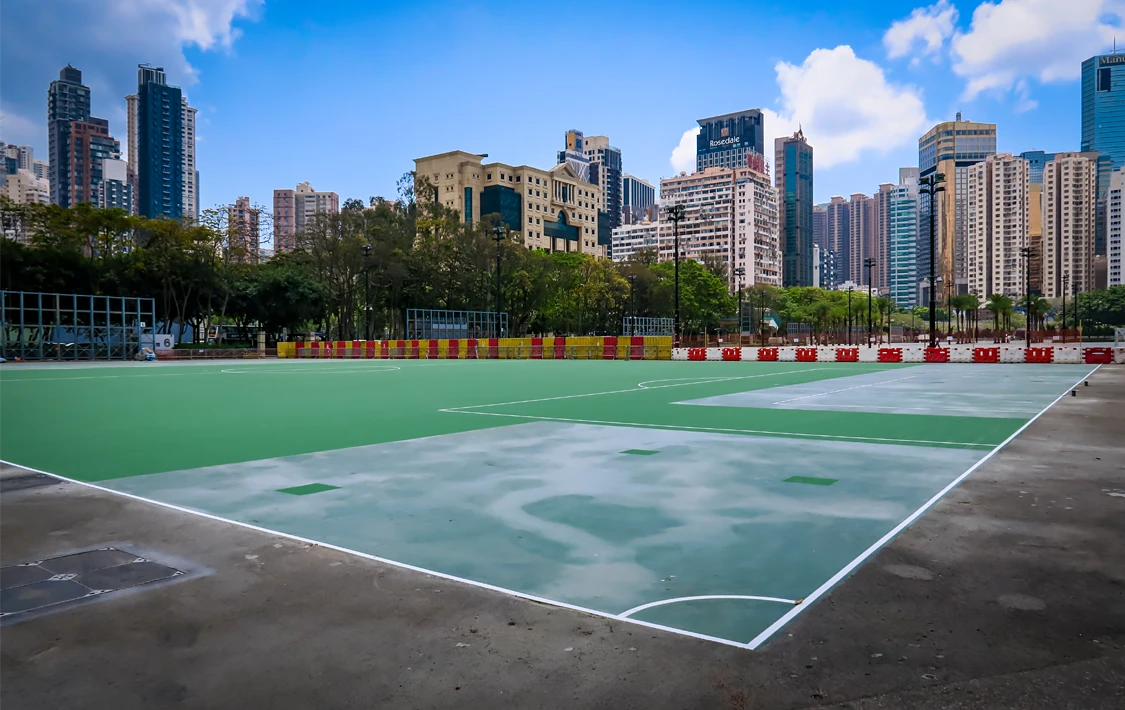
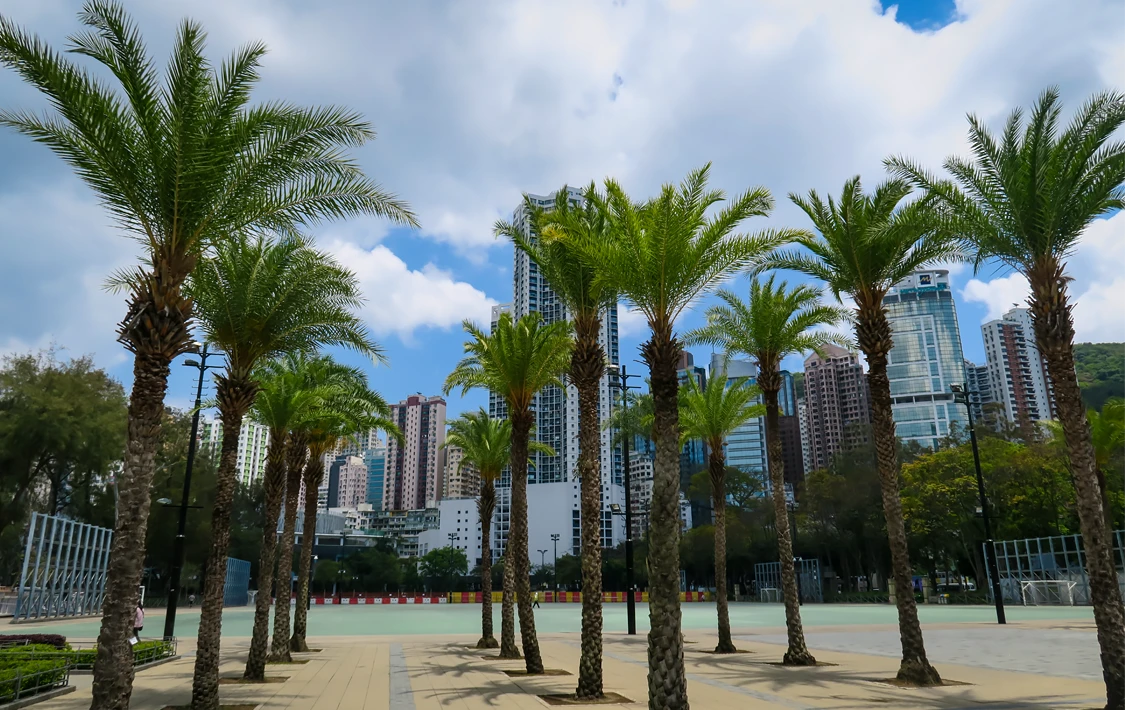
Victoria Park is the largest park on Hongkong Island and offers the perfect escape from the busy streets of Causeway Bay. With plenty of greenery, open spaces, and a more relaxed atmosphere, it’s an ideal place to slow down.
The park features football pitches, tennis courts, swimming pools, and other sports facilities. If you feel like being active, this is the place to go. There’s also a playground for children, as well as fountains and ponds where model boats are often seen on the water.
On Sundays, the park becomes a popular meeting place for local domestic workers and can get quite busy. If you prefer a quieter experience, it’s best to visit during the week. During my visit, I didn’t come across many tourists.
Victoria Park is also a great starting point for a walk along the skyline promenade. You’ll find more details in our Hongkong Island travel guide.
Useful facts about Victoria Park
10. Ocean Park – adventure and entertainment


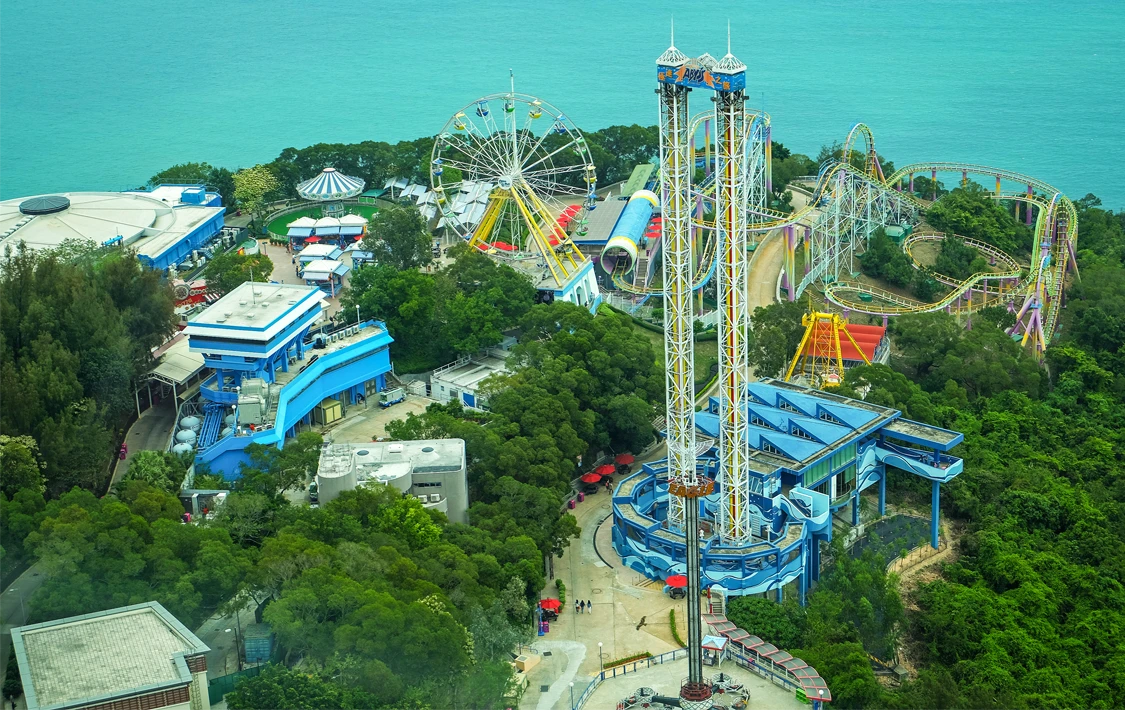
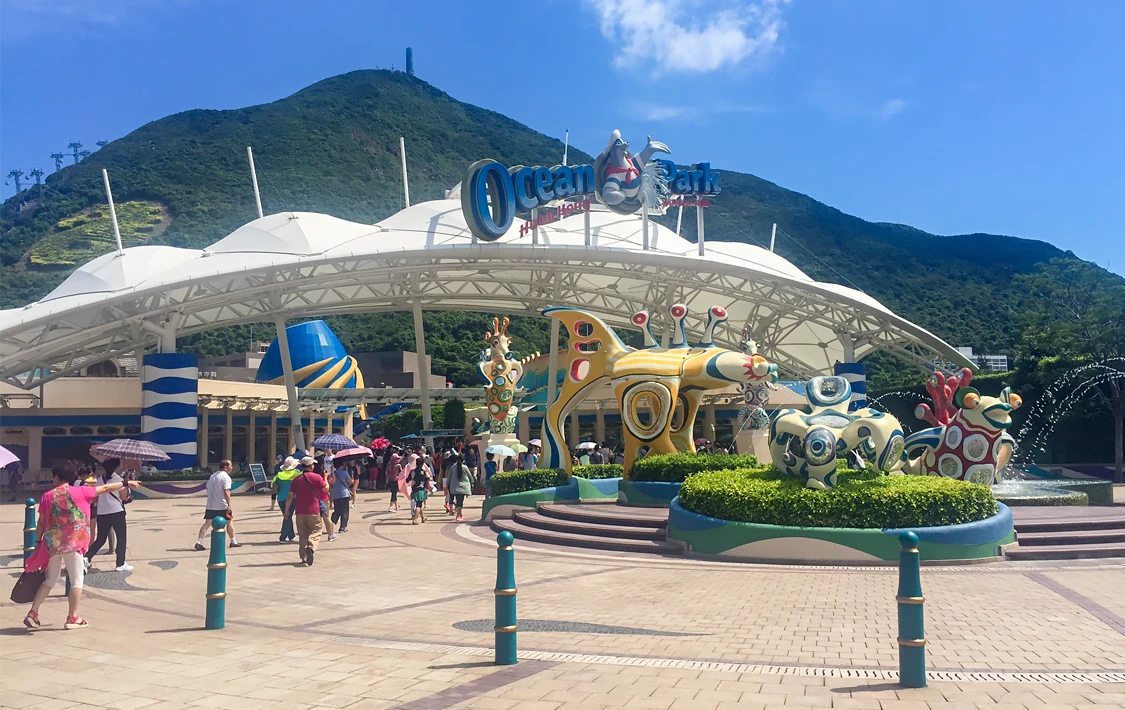
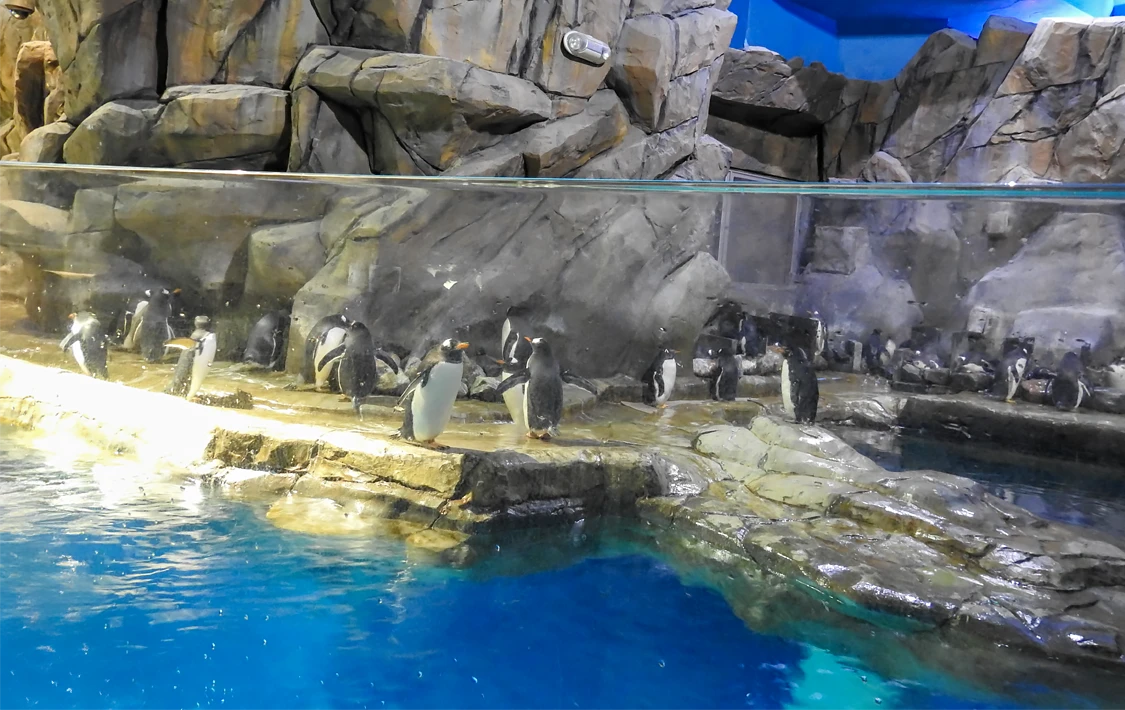
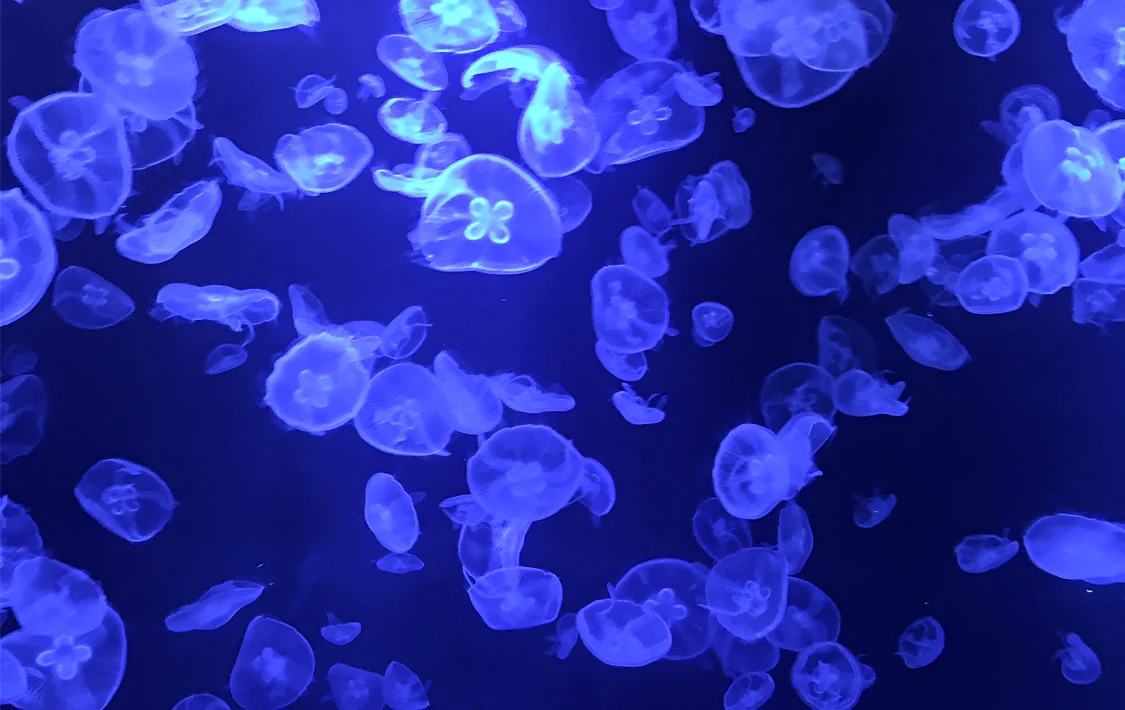
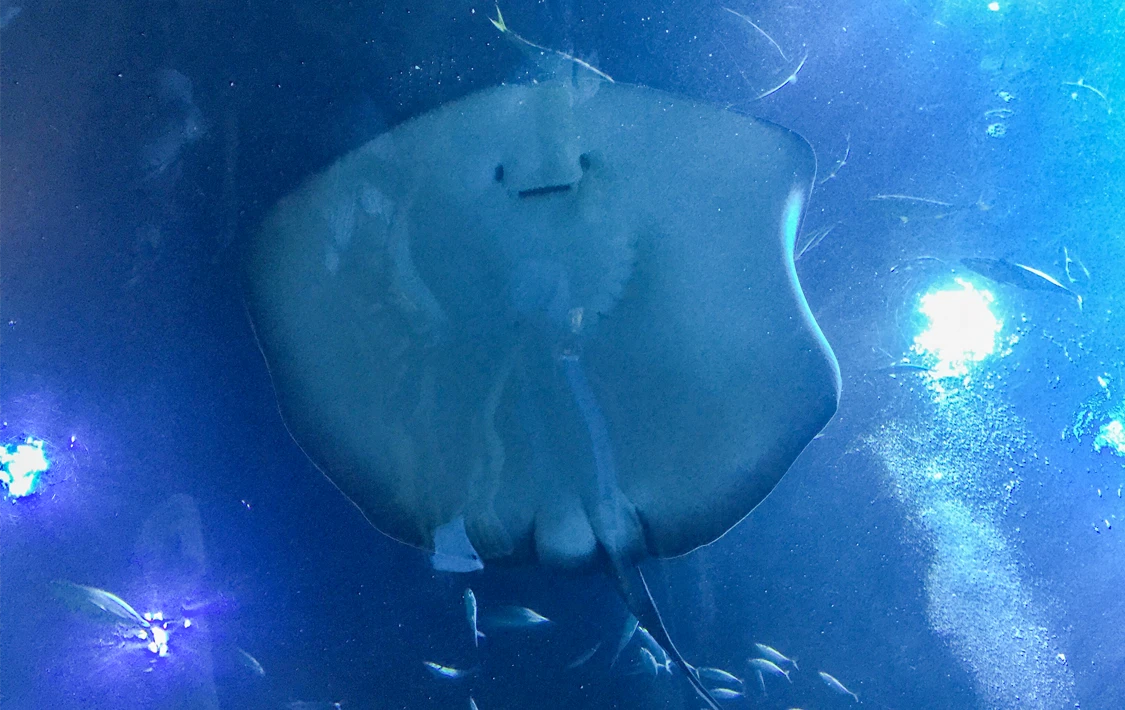
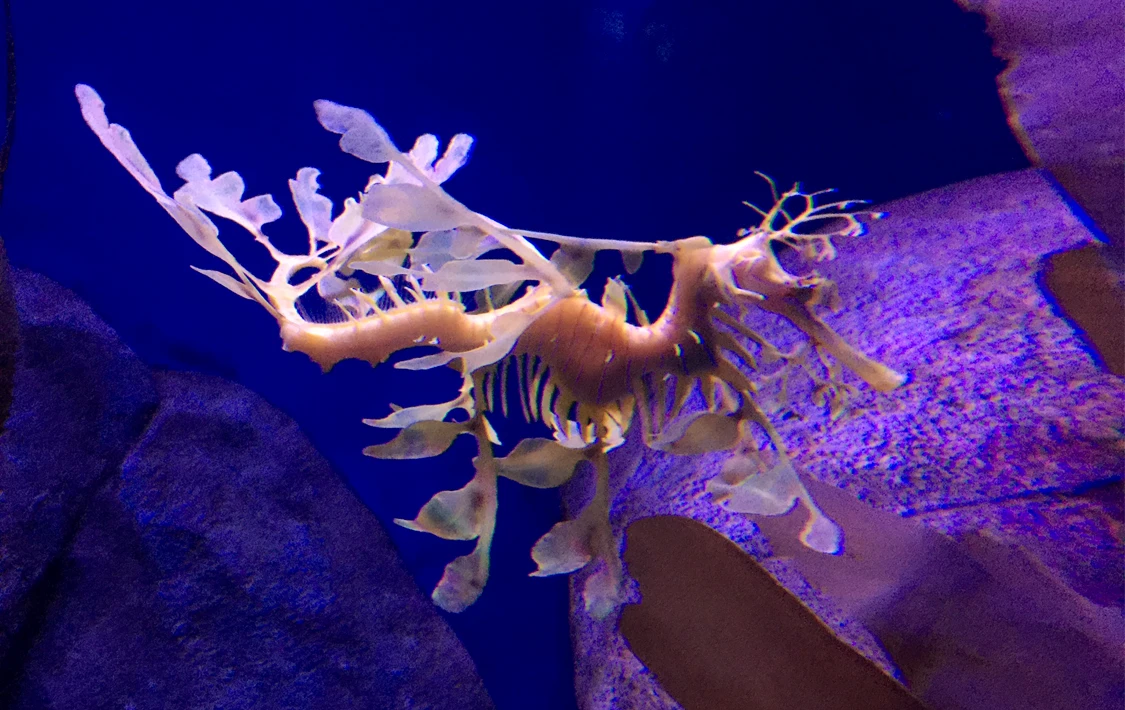
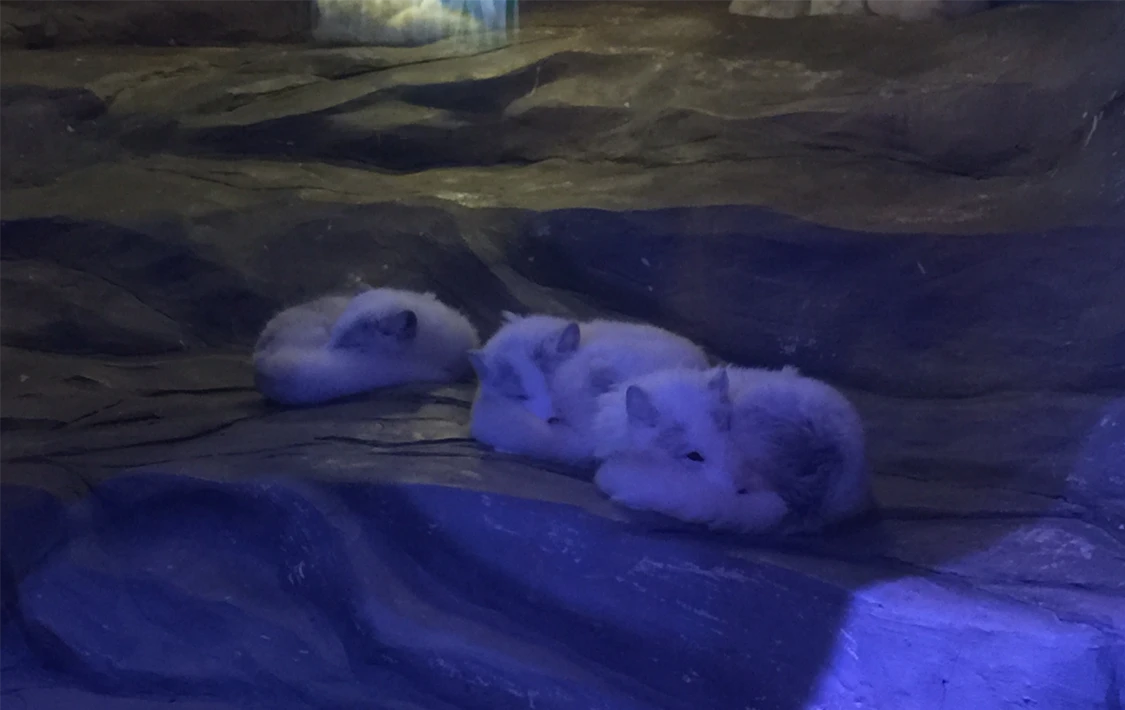
Do you like theme parks? Got some time to spare? Then Ocean Park could be a great option for you. This diverse park offers not only an impressive underwater world, but also animal habitats from Australia as well as the North and South Poles. On top of that, you can enjoy thrilling roller coasters or explore a recreation of old Hongkong.
Aquarium world at Ocean Park
Ready for an underwater adventure? Then you’ll love the aquariums at Ocean Park. Inside a विशाल hall, you’ll encounter more than 5,000 colourful fish from over 400 different species. The journey begins at the reef aquarium, where you can admire tropical fish and corals, and continues through a tunnel surrounded by sharks, rays, and other marine life. The grand finale awaits at the Grand Aquarium, where a 13-metre viewing panel offers a stunning look into the world of sharks and rays.
Polar Adventure
From the tropical heat of Hongkong to the icy North and South Poles in just a few steps. In this part of the park, you’ll encounter penguins, walruses, and seals. You can also learn more about climate change and its impact on wildlife in polar regions.
More wildlife
Ocean Park is also home to other fascinating animals such as pandas, koalas, and a wide variety of jellyfish.
Old Hong Kong
The Old Town section is a recreation of Hongkong from the 1950s to the 1970s. It takes you back in time and lets you experience the atmosphere of past decades. You can admire nostalgic trams or even take a ride in a rickshaw. Of course, you’ll also find plenty of places to eat and drink here.
Rides and attractions
Love roller coasters or river rafting? You’ll definitely find something for you here. From a bridge, you can even shoot water cannons at the river rafters – a lot of fun 😊
I’m not a big roller coaster fan myself, so I can’t give detailed insights into each ride.
Ocean Park Cable Car & Ocean Express
Ocean Park is huge – so large, in fact, that you can get around using a cable car or a small train. I tried both and would definitely recommend doing the same, as each offers a unique experience.
Taking the cable car gives you incredible views over Aberdeen and the park itself. On the Ocean Express, you’ll enjoy an immersive animation that takes you deep into an underwater world.
Useful facts about Ocean Park
11. Beach vibes at Repulse Bay and Stanley
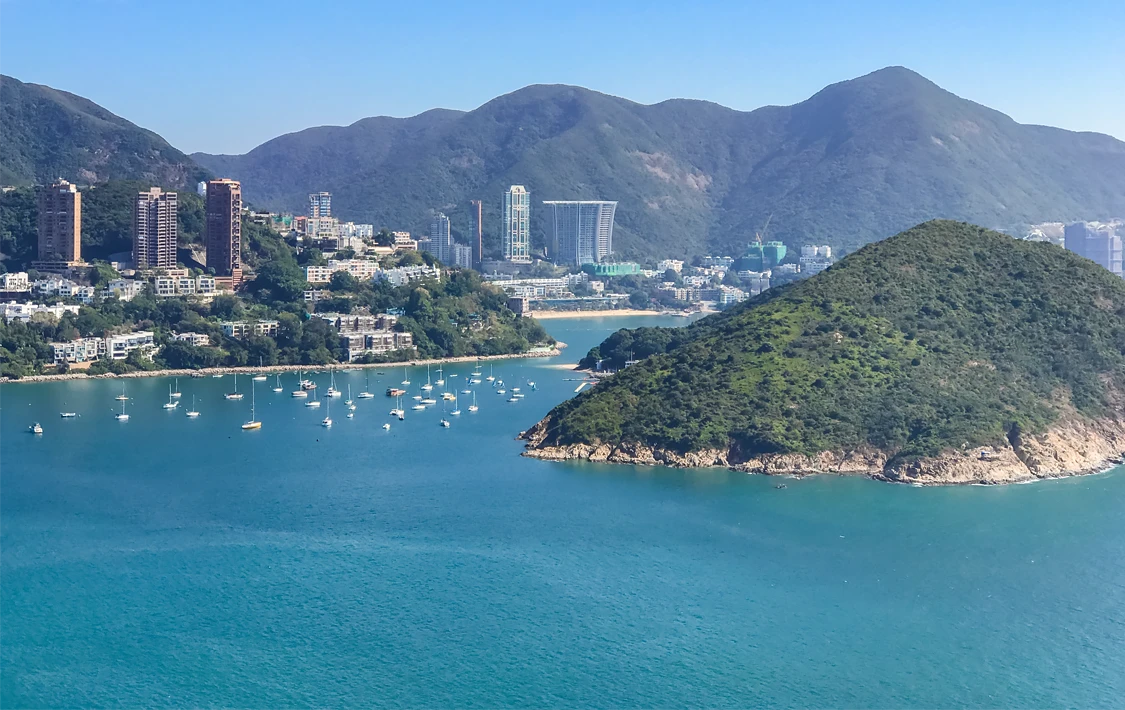


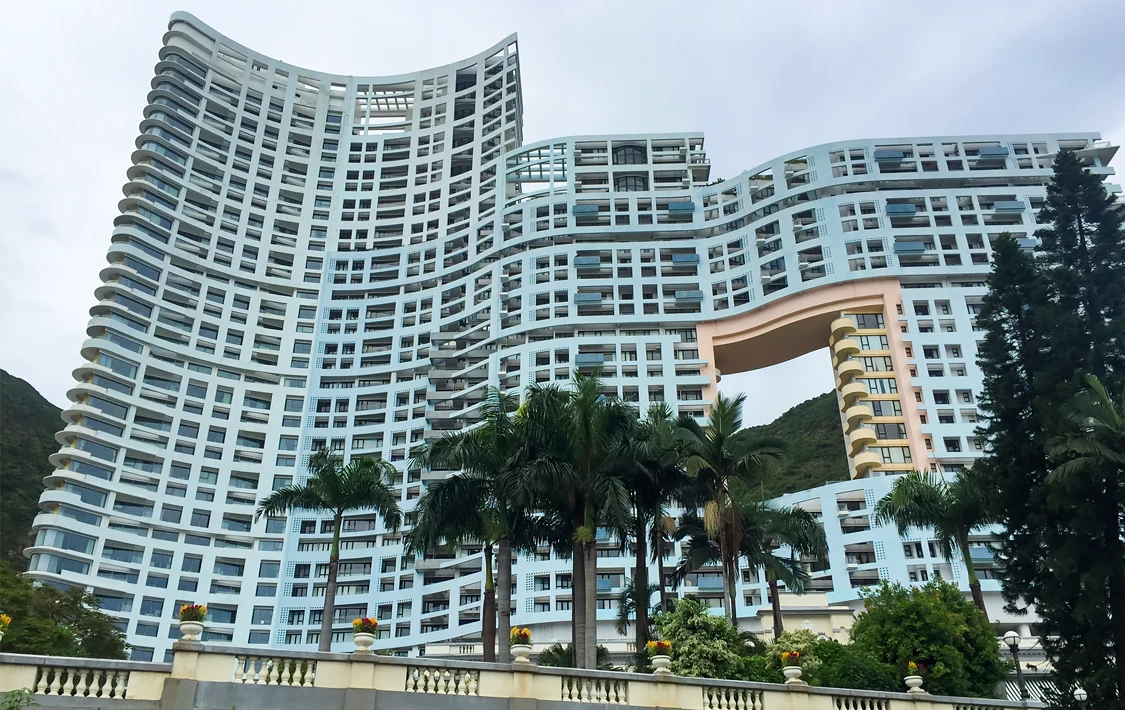


Repulse Bay Hongkong – a break from the city
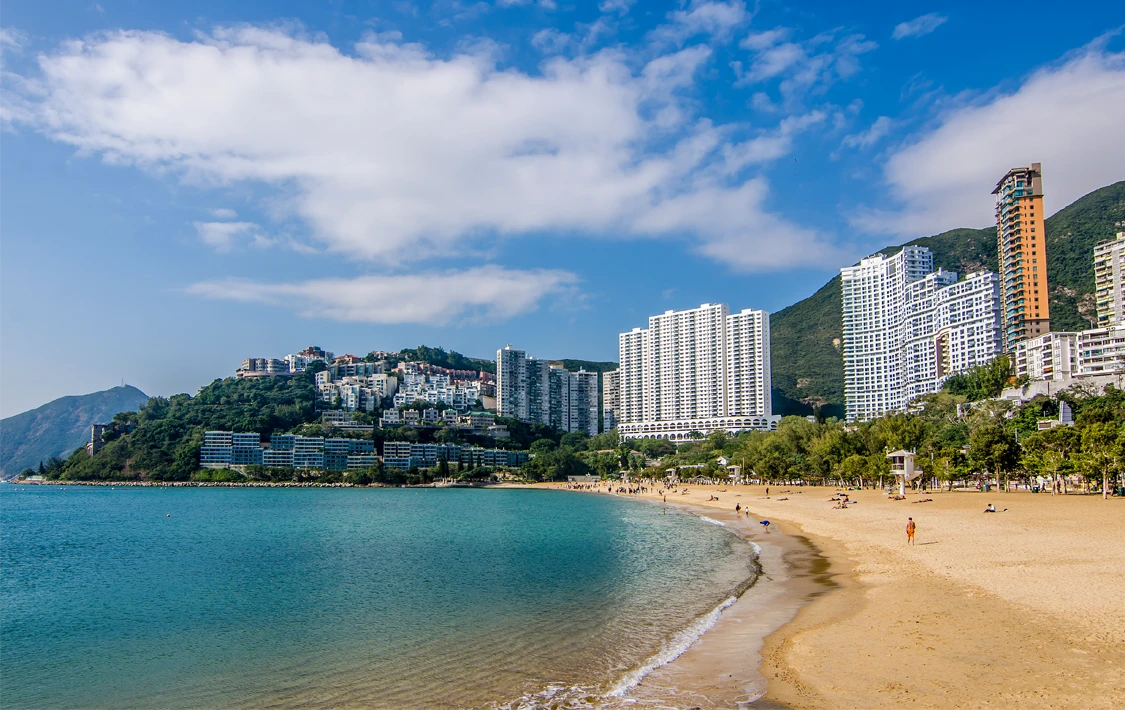
Had enough of the busy city? How about a swim, some sun, and a bit of relaxation? Then Repulse Bay might be exactly what you’re looking for.
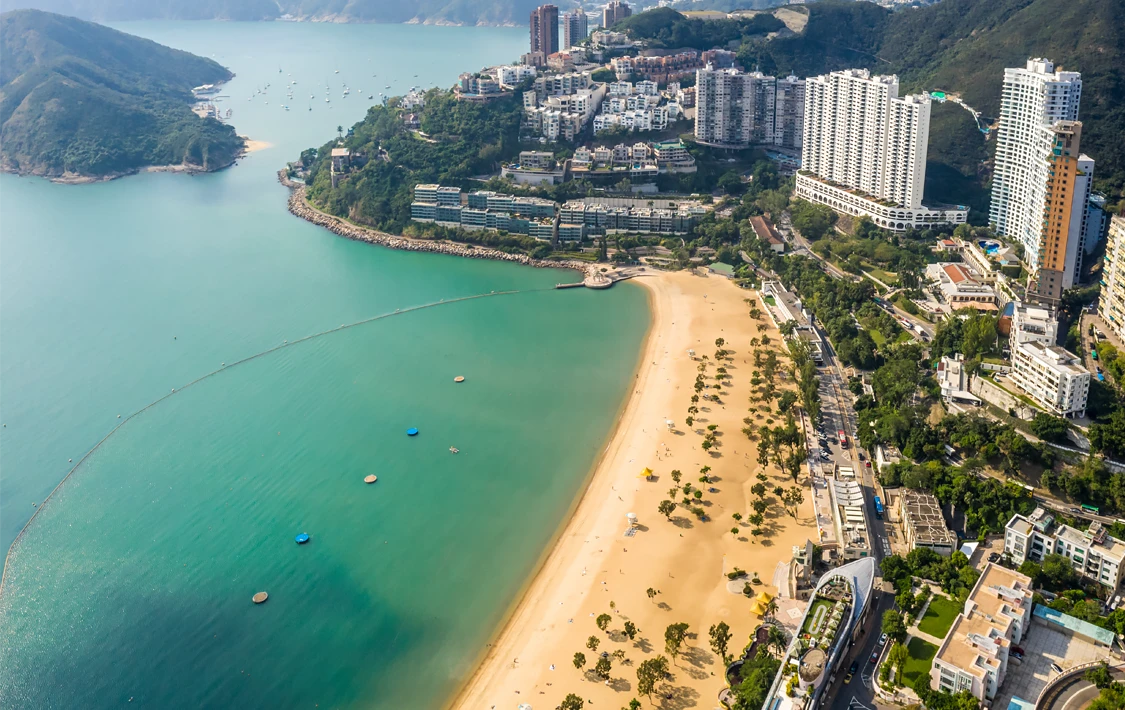
Repulse Bay is a wide, beautiful sandy beach with relatively calm waters – perfect for cooling off. Golden sand meets turquoise water, creating a real holiday vibe. Honestly, this beach could just as well be somewhere in the Caribbean. It’s the perfect spot to take a break from sightseeing or shopping.
For safety, a large net protects swimmers from sharks, and during the main season, lifeguards are on duty. Depending on the time of year, water temperatures range from a cooler 16°C to a warm 26°C.
Zhenhai Tower Park – Repulse Bay
Right next to the beach, you’ll find the picturesque Zhenhai Tower Park. Built in traditional Chinese style, the park features several beautiful statues, including figures of the Heavenly Queen and the Goddess of Mercy. If you’re already here, it’s definitely worth a stop – maybe even at sunset to round off a beach day.
More beaches nearby
There are several other beautiful beaches close to Repulse Bay, each with its own charm and a great way to experience Hongkong’s natural side:
- Deep Water Bay Beach
- Middle Bay Beach
- South Bay Beach
- Chung Hom Kok Beach
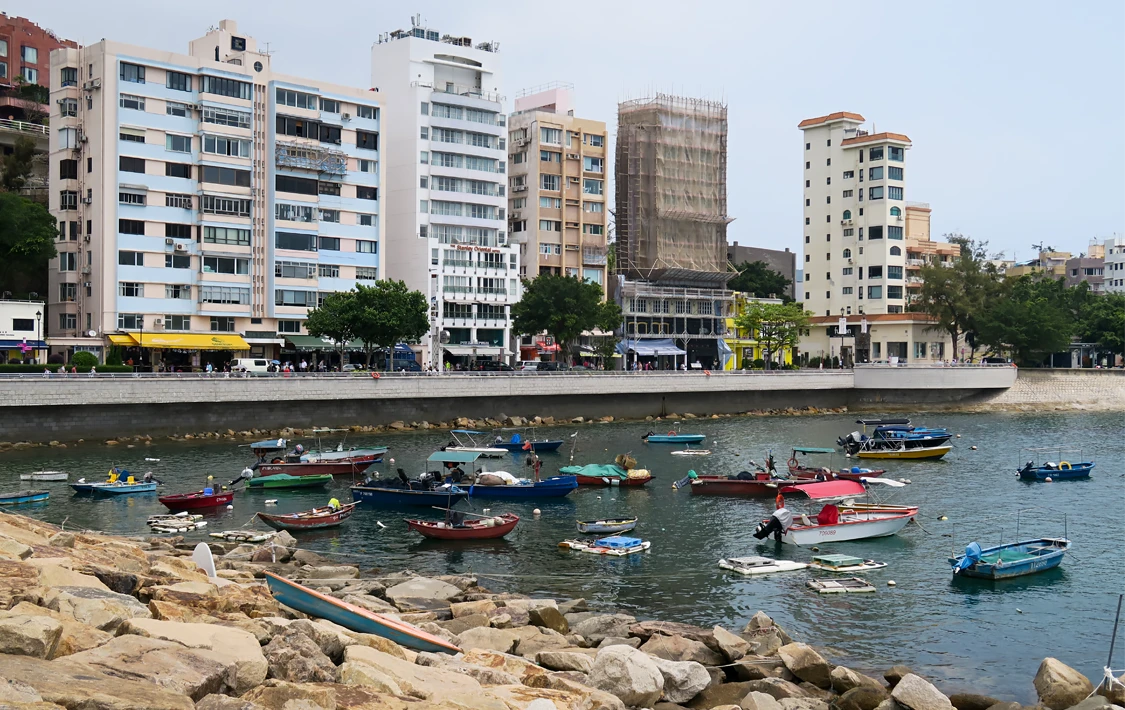
Stanley – coastal vibes in a megacity
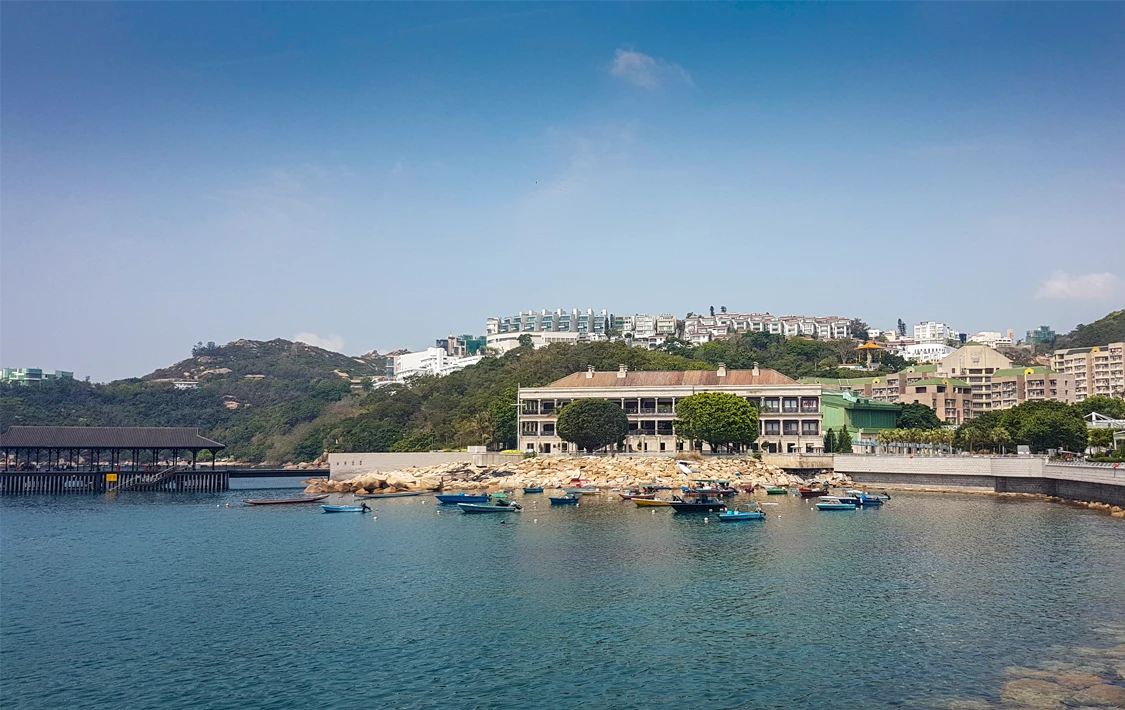
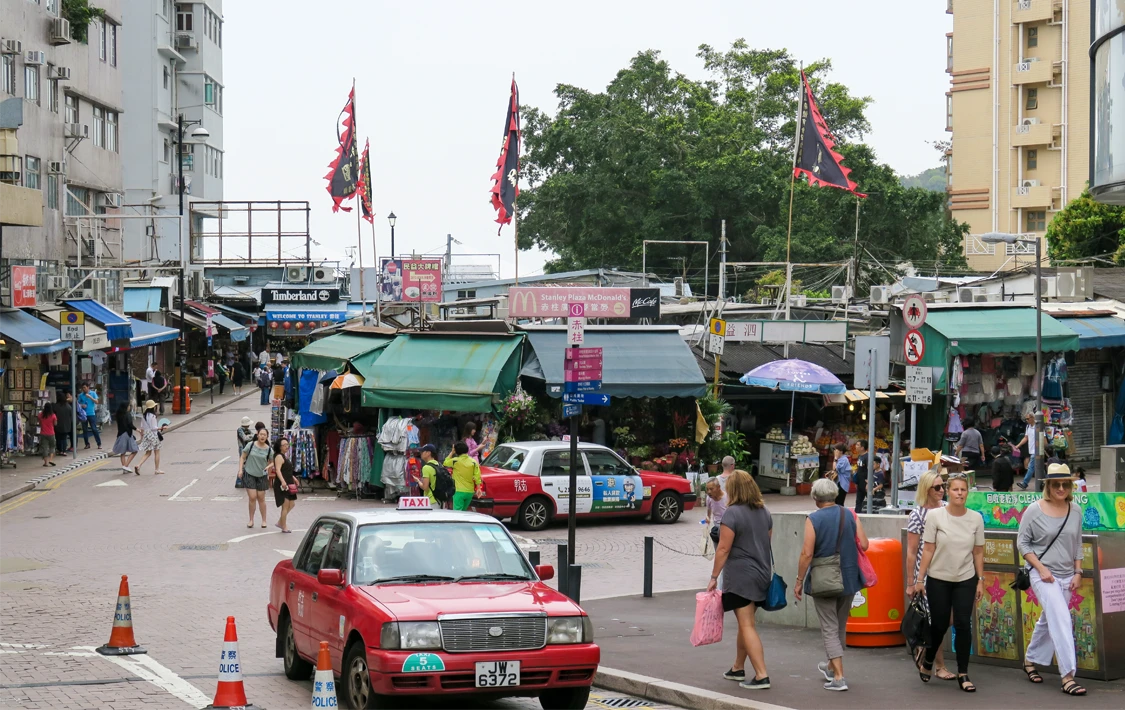
A seaside village feel in the middle of a megacity? Beach life on Hongkong Island? You’ll find both in Stanley. It’s a great destination for a day trip or as part of a visit to the southern side of Hongkong Island.
Stanley is perfect for escaping the city for a few hours and enjoying a relaxed break by the sea. Along the waterfront promenade, you’ll find plenty of restaurants, bars, and cafés. Sit down, look out over the water, watch the fishermen, and take in the atmosphere around Stanley Bay.
Stanley Main Beach
Not far from the promenade lies Stanley Main Beach. The sand is golden, the water is shallow and calm – ideal conditions for swimming. During the warmer months, however, it can get quite busy and sometimes feels a bit like the beaches of Rimini.
Shopping in Stanley
As you’d expect in Hongkong, shopping is never far away. Stanley is home to a well-known street market offering handicrafts, clothing, accessories, and more. If you’re looking for something more upscale, head to Stanley Plaza, a three-storey shopping centre with international brands, sports gear, and beach essentials.
Stanley Blake Pier
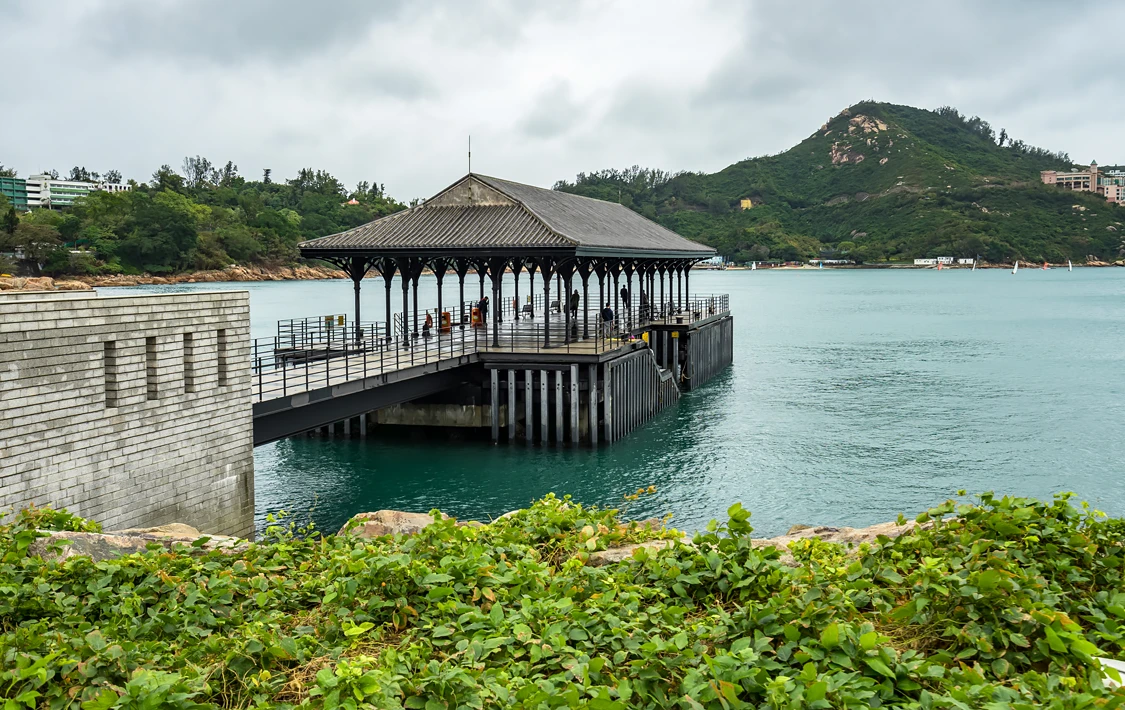
Another highlight is the architecturally interesting Stanley Blake Pier. Named after the 12th Governor of Hongkong, it was originally located in Central and served as a landing point for governors and British royalty before being relocated to Stanley. From here, you can also book trips to nearby Po Toi Island, which offers beautiful views over Stanley Bay.
Ma Hang Park with panoramic views
For a great panoramic view over Stanley and the sea, head to Ma Hang Park. Here you’ll find a butterfly garden, fitness deck, and birdwatching platforms. The park is also home to a temple built in 1805 by fishermen to honour the Taoist god Pak Tai, protector of fishermen.
Useful facts about Repulse Bay
Useful facts about Stanley
12. Shek O – relaxed surfer vibes
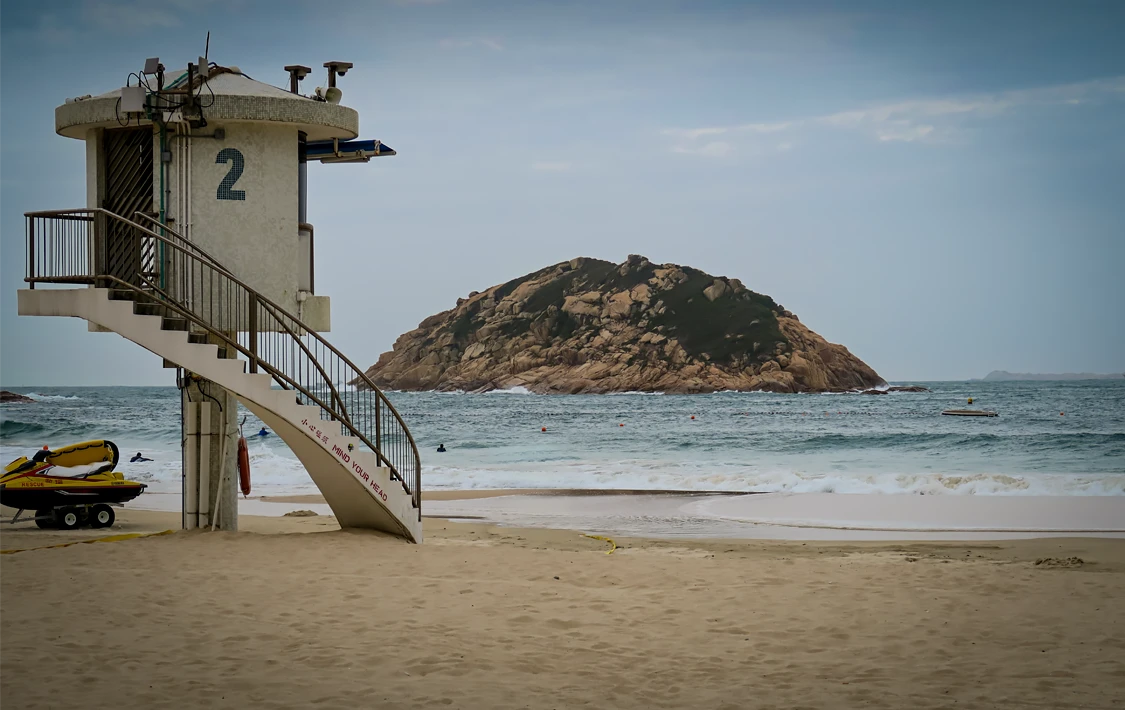
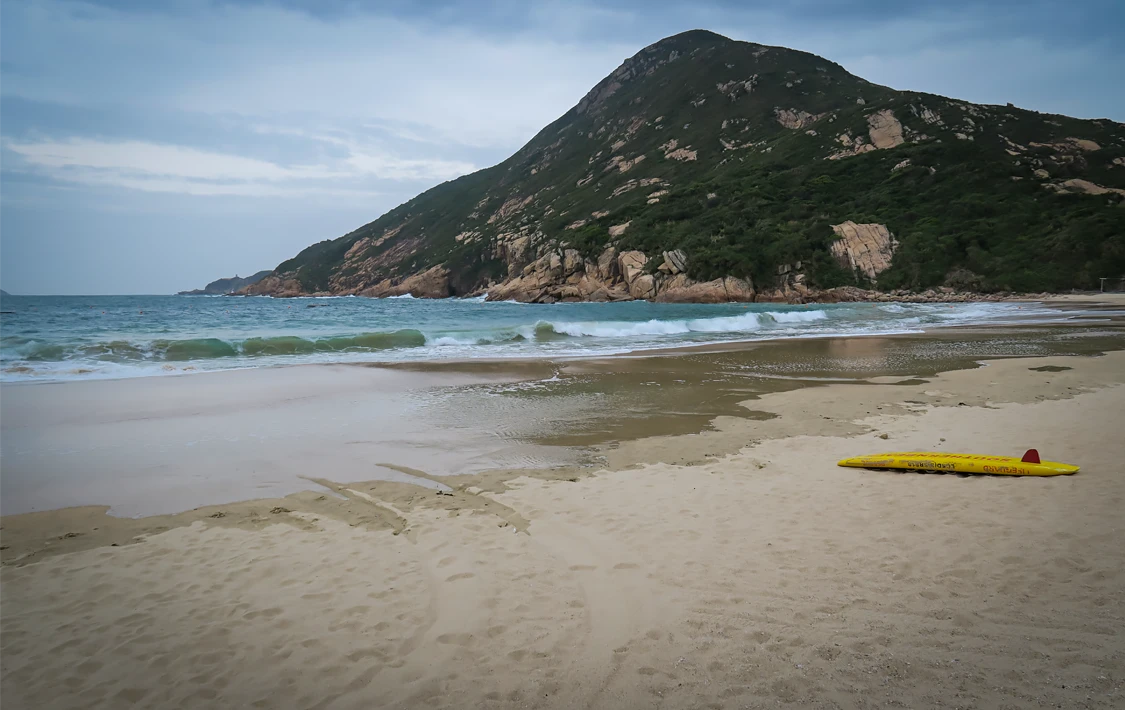
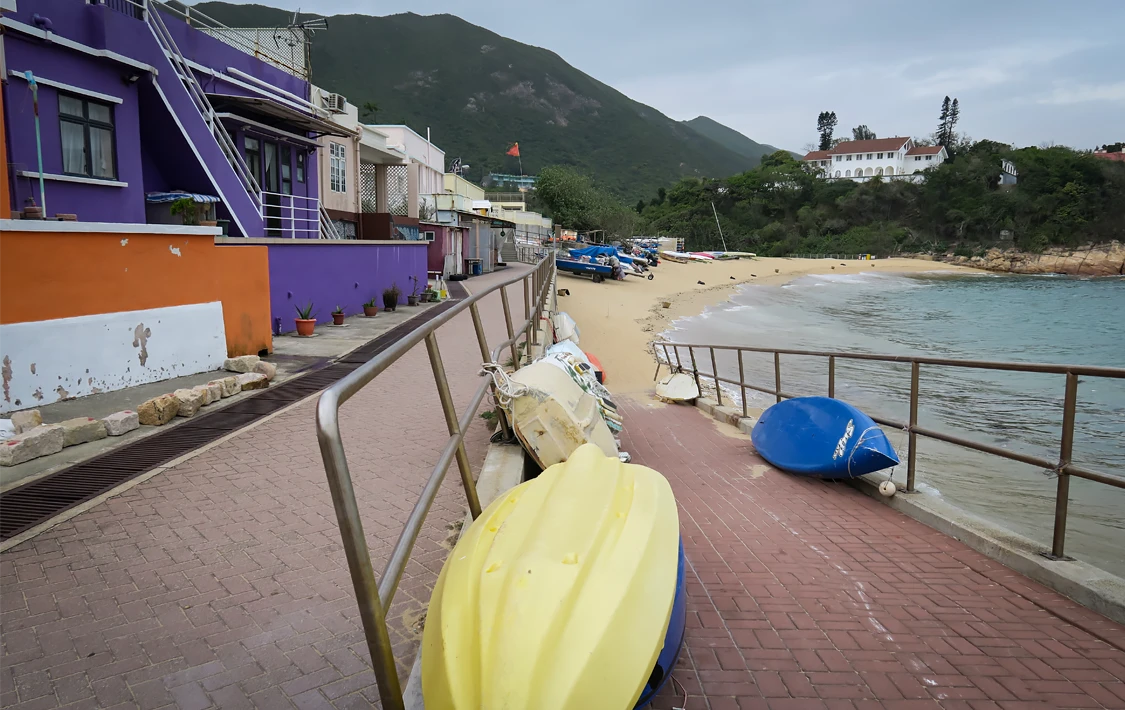
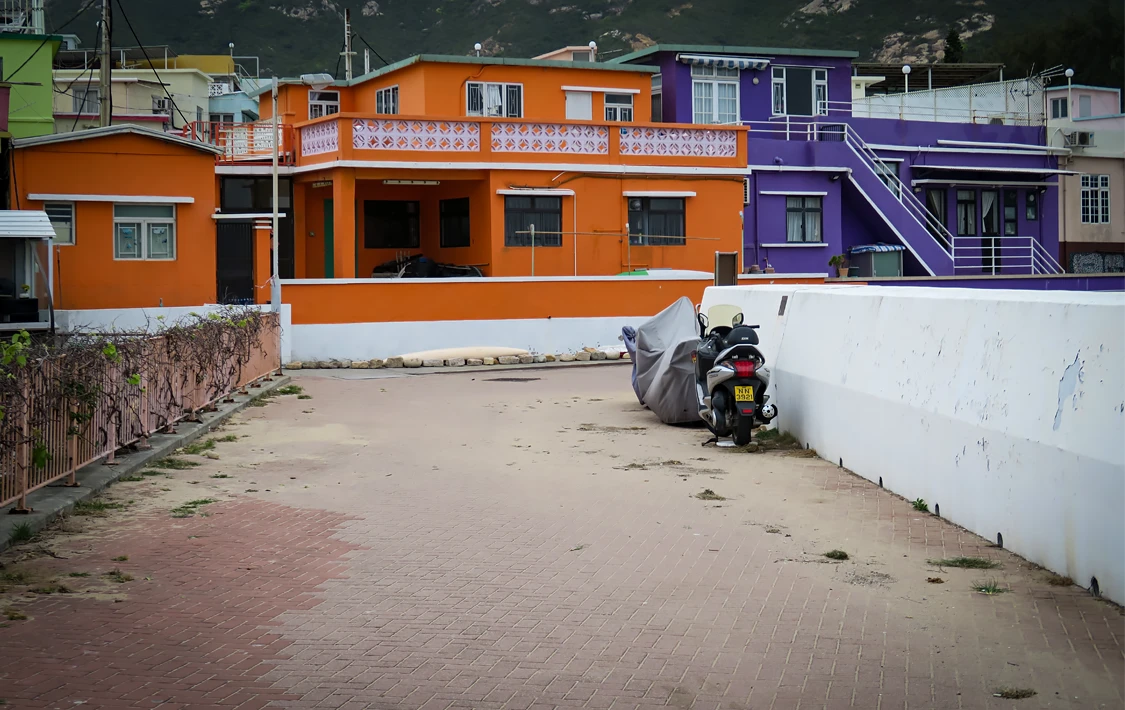
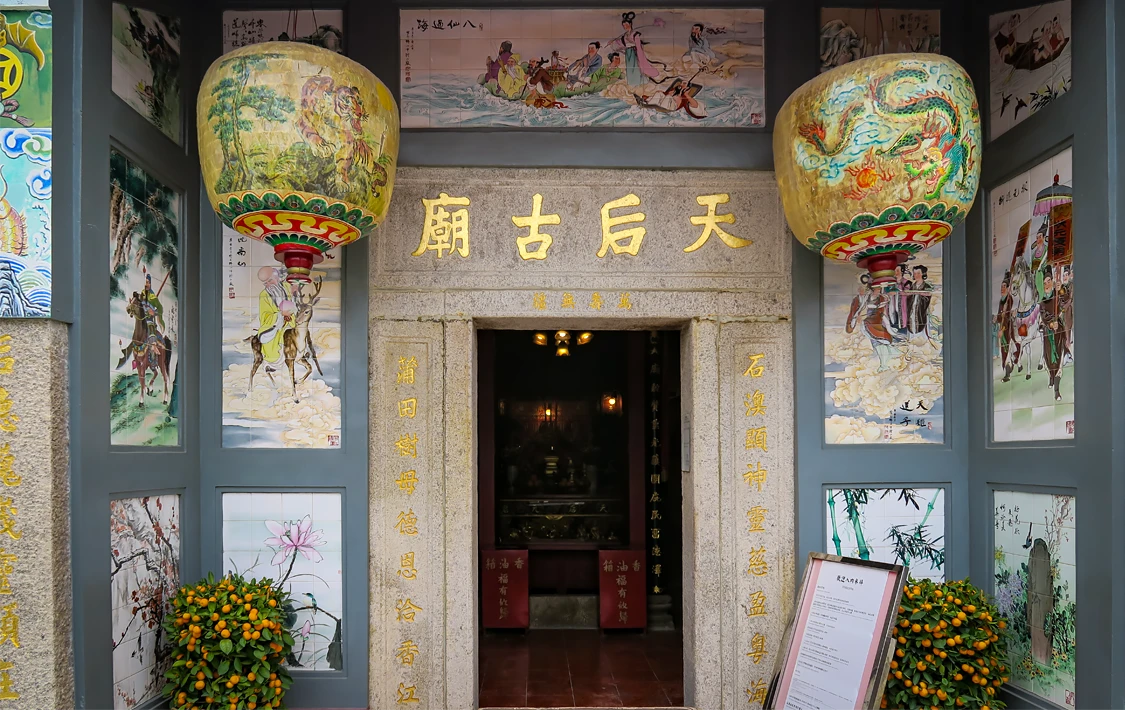

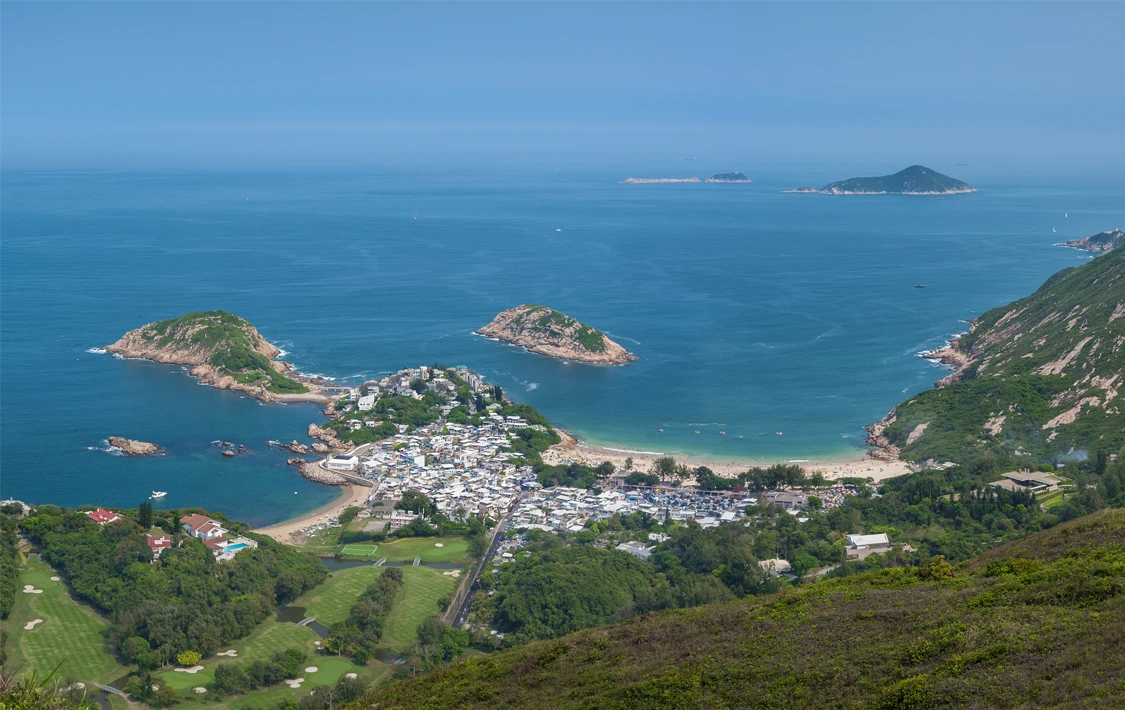
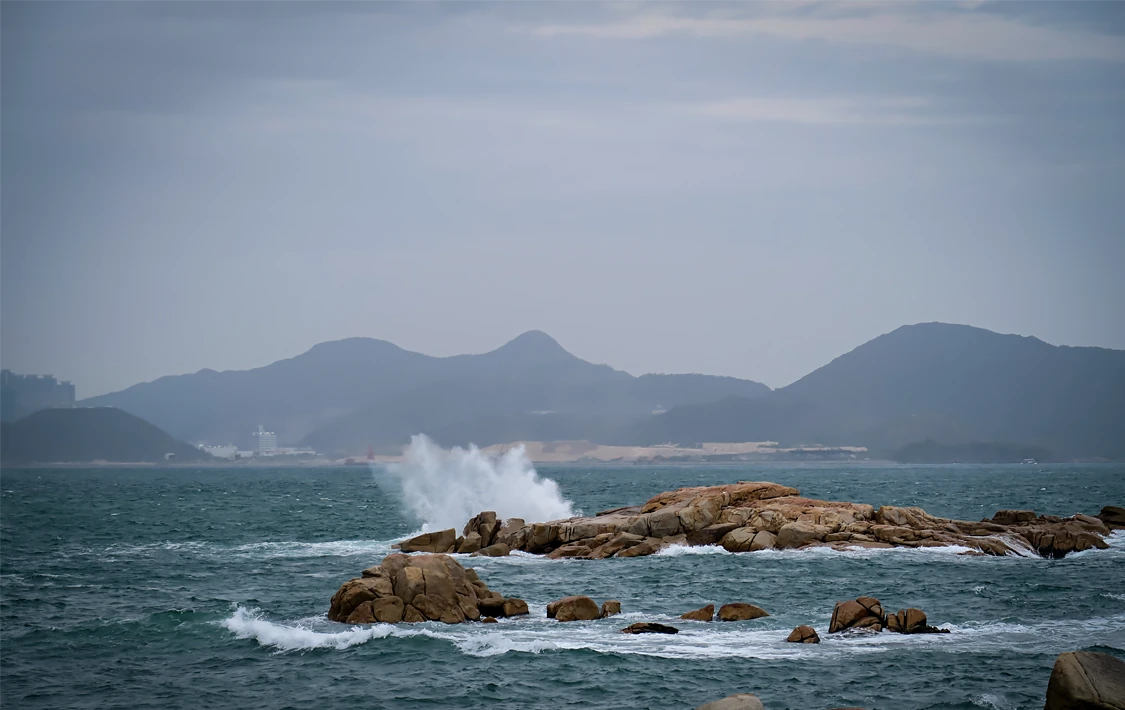
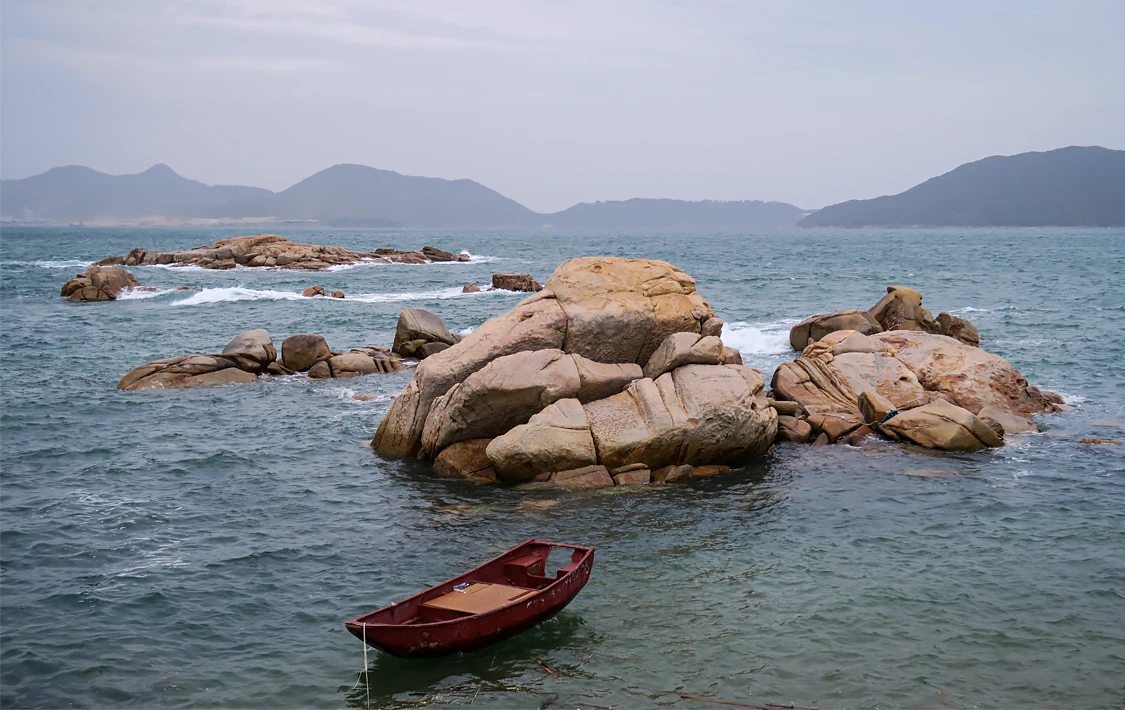
Surfing, hiking, swimming, barbecuing, relaxing – sounds like your kind of place? Then head to the picturesque Shek O. The peninsula is home to two beautiful beaches: Shek O Beach and Big Wave Bay Beach. Both feature golden sand and are perfect for spending some time by the sea. The area is also the starting point for one of Hongkong’s most famous hiking trails.
Beaches and a surfer’s paradise
The beaches around Shek O are especially popular with surfers, thanks to great waves and ideal conditions. The vibe is laid-back and relaxed – exactly what you’d expect from a surfer’s paradise. The village itself is dotted with pubs and restaurants, and especially on weekends, it can get quite busy.
Shek O offers a complete contrast to the megacity of Hongkong – it’s hard to believe that just a few kilometres away, you’ll find a skyline filled with towering skyscrapers.
Dragons Back Trail
Another popular highlight in Shek O is the Dragon’s Back Trail. This 8.5 km hike is part of the 50 km-long Hongkong Trail that runs across Hongkong Island. The trail offers spectacular coastal views and is a must for hiking enthusiasts. I didn’t get the chance to hike it myself, but it’s definitely on my list for next time.
Useful facts about Shek O
13. Tsim Sha Tsui Promenade & Symphony of Lights – Hongkong’s top attraction in Kowloon
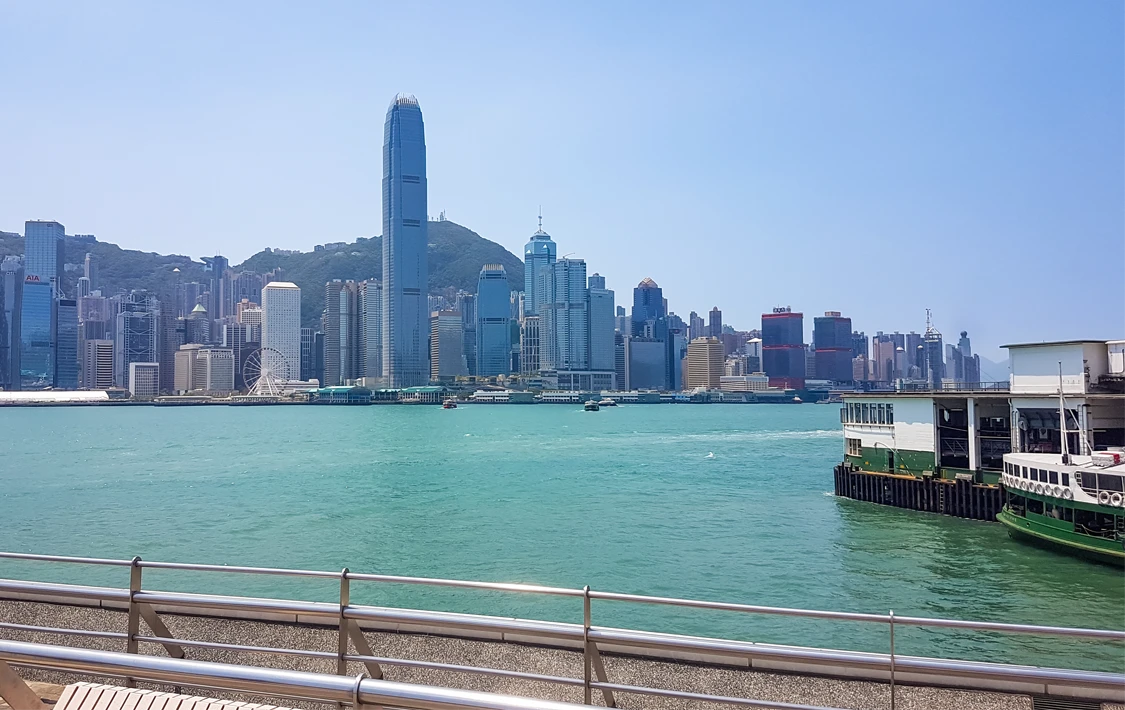
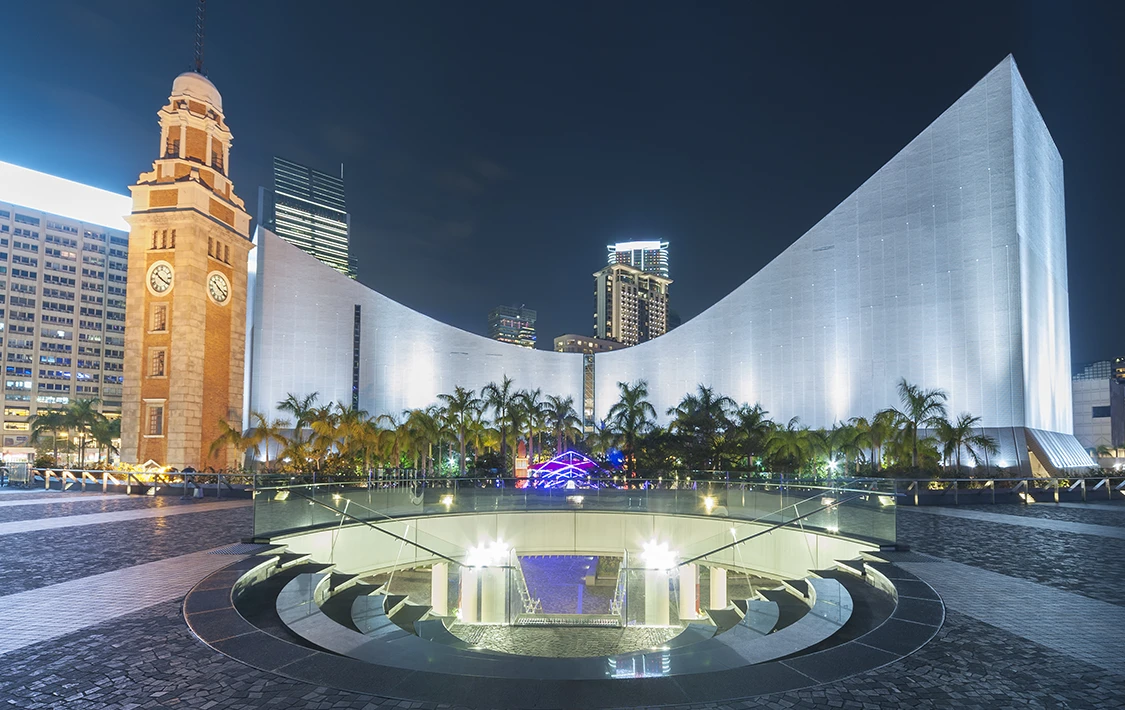
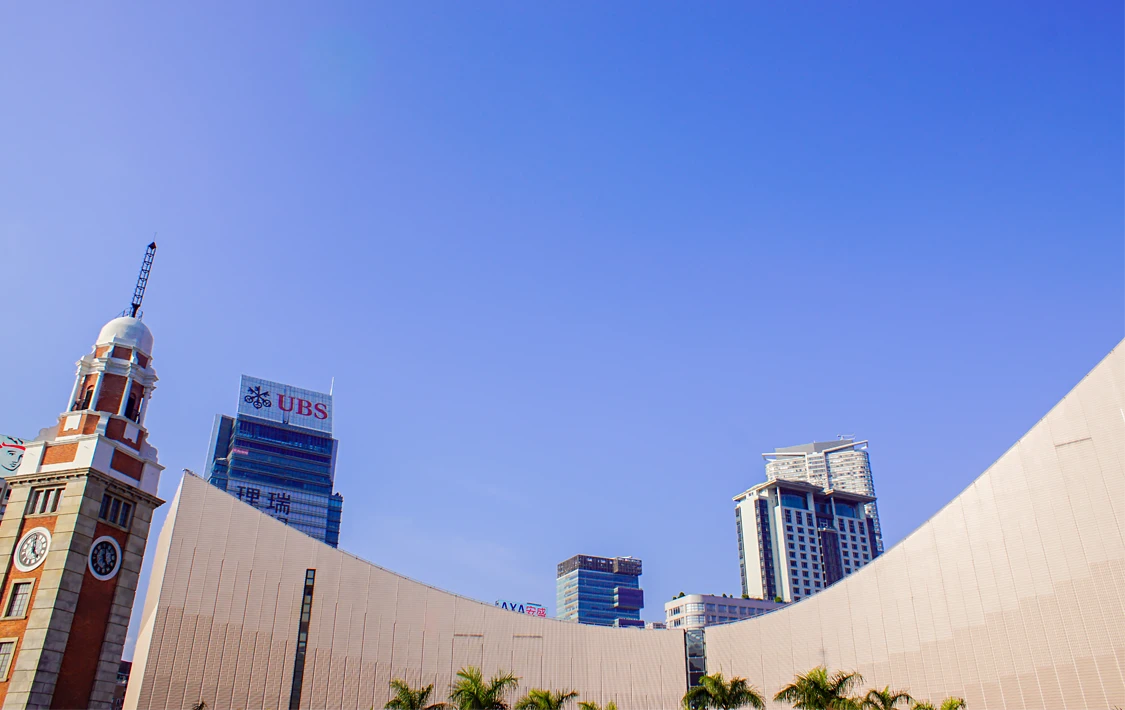
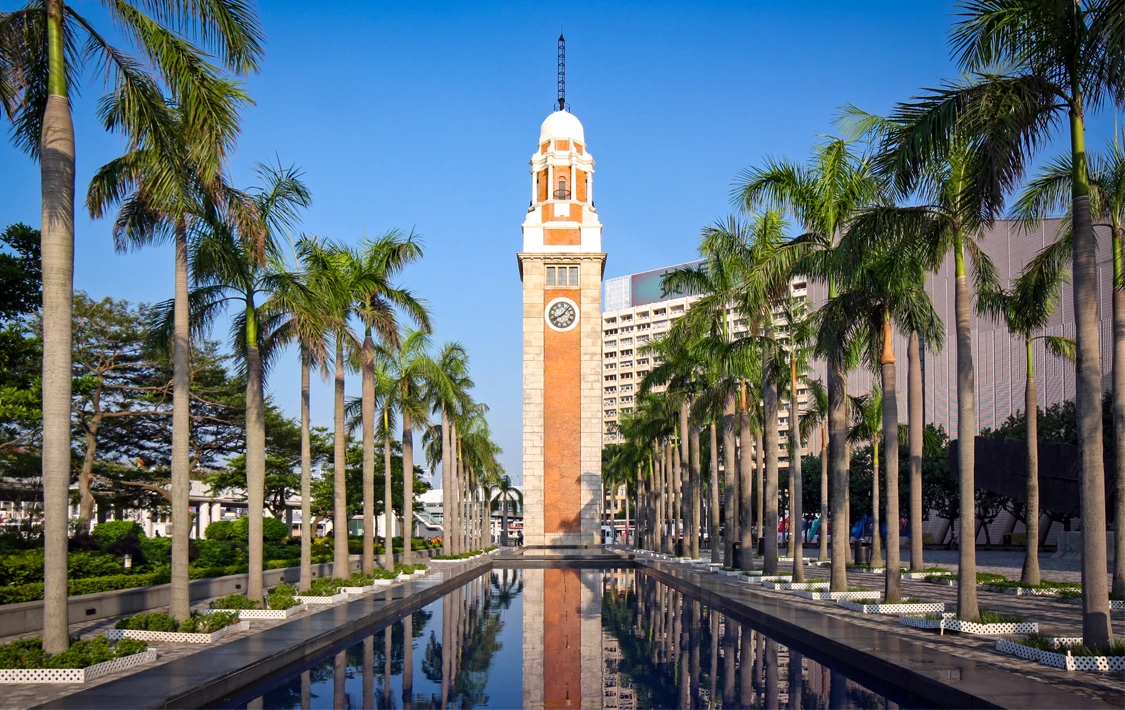


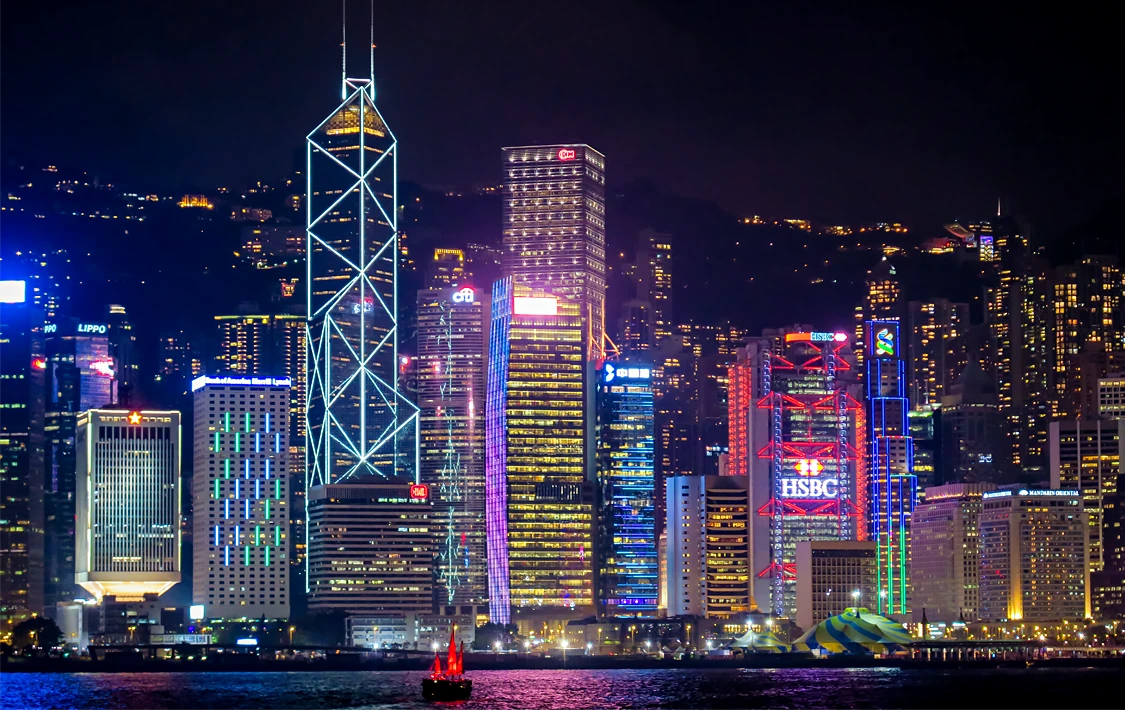
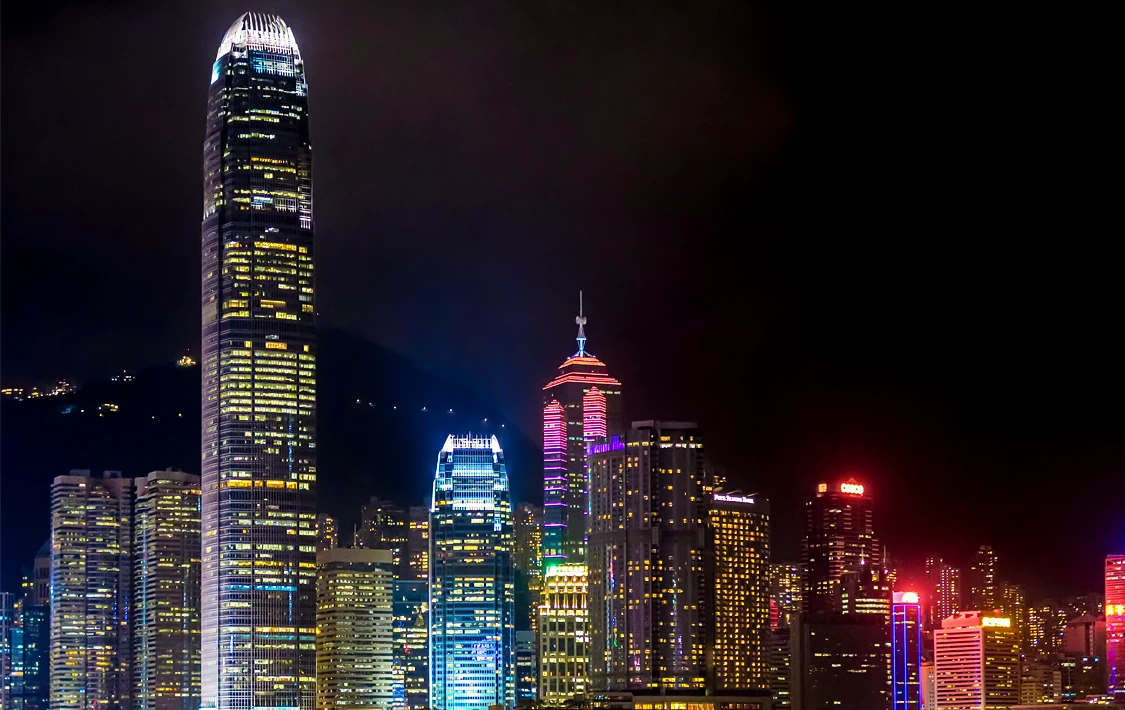

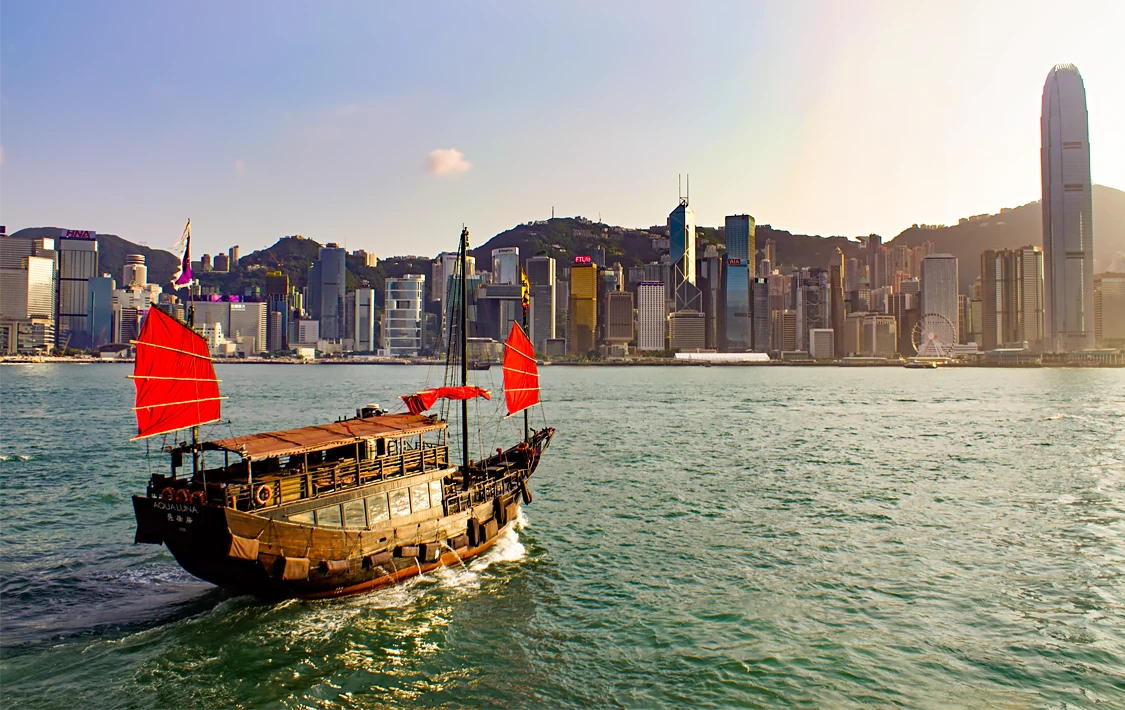
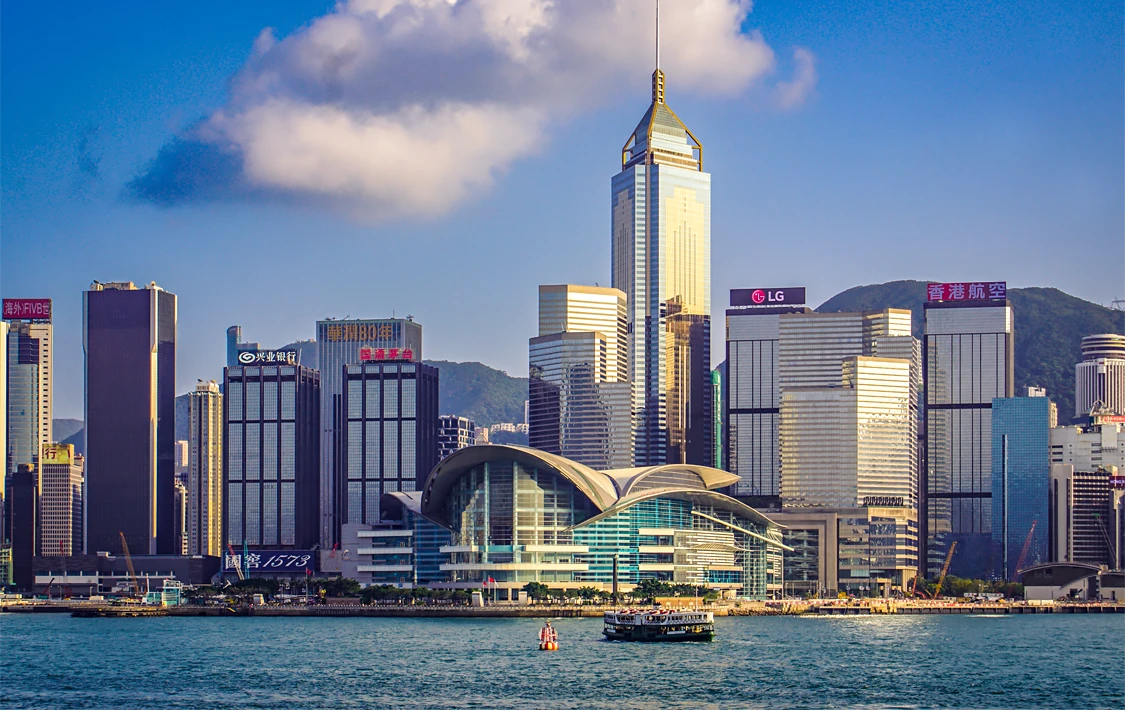
Want to admire the skyline and push your camera to its limits? Then the Tsim Sha Tsui Promenade along Victoria Harbour is exactly your place. This roughly 1.5-kilometre waterfront walk sits at the southern tip of Kowloon and is an absolute must for your Hongkong trip.
Along the entire promenade, you’ll be treated to breathtaking views of the skyline – the perfect setting to fill your memory card with endless shots.
Tsim Sha Tsui Promenade – suggested route for your visit
For orientation, the promenade runs parallel to Salisbury Road. Along the way, you can make a short detour to Salisbury Garden and the Hong Kong Space Museum. You can view the route directly on your smartphone via Google Maps.
This part of the city is very busy and attracts large numbers of tourists – no surprise, as the promenade offers one of the best skyline views in Hongkong. Early in the morning, it’s still relatively quiet, but the later you arrive, the more crowded it becomes. By evening, it can get extremely lively.
The best way to start your walk is from the Star Ferry Pier, although you can of course begin from the opposite direction as well. You’ll find more details about individual spots in our “Kowloon sights” travel guide.
Spots you should visit along the Tsim Sha Tsui Promenade
- Star Ferrie- (Pier)
- Railway Clock Tower
- Hongkong Cultural Center
- Kowloon Public Pier
- Hongkong Museum of Art
- Avenue of Stars / Garden of Stars
Symphony of Lights and the best time to visit
Ideally, visit the promenade once during the day and again at dusk – both times offer completely different atmospheres. For the best experience, plan your visit to the Kowloon Public Pier between 6 PM and 8 PM.
At this time, you can enjoy the skyline in daylight, watch the sunset as it bathes the city in golden light, and then see it transform into a sparkling sea of lights as night falls. Around 7 PM, the city begins to glow – an unforgettable experience.
Every evening at 8 PM, the skyline turns into a stage for the Symphony of Lights. This laser show lasts around 14 minutes and is definitely worth adding to your list. Best of all, it’s completely free.
Getting there – Tsim Sha Tsui Promenade
Take the MTR to Tsim Sha Tsui Station and use Exit E towards Salisbury Road. Turn right and walk through the pedestrian underpass to the Hong Kong Cultural Centre. The western end near the Star Ferry Pier is just a short walk from there.
Alternatively, you can use Tsim Sha Tsui East Station – both stations are roughly the same distance away.
Recommended option
Staying on Hongkong Island or starting your trip from there? Then take the ferry to Kowloon. The crossing already offers incredible views of the skyline and is an experience in itself.
Useful facts about the Tsim Sha Tsui Promenade
14. Avenue of Stars & Garden of Stars – Tsim Sha Tsui Promenade
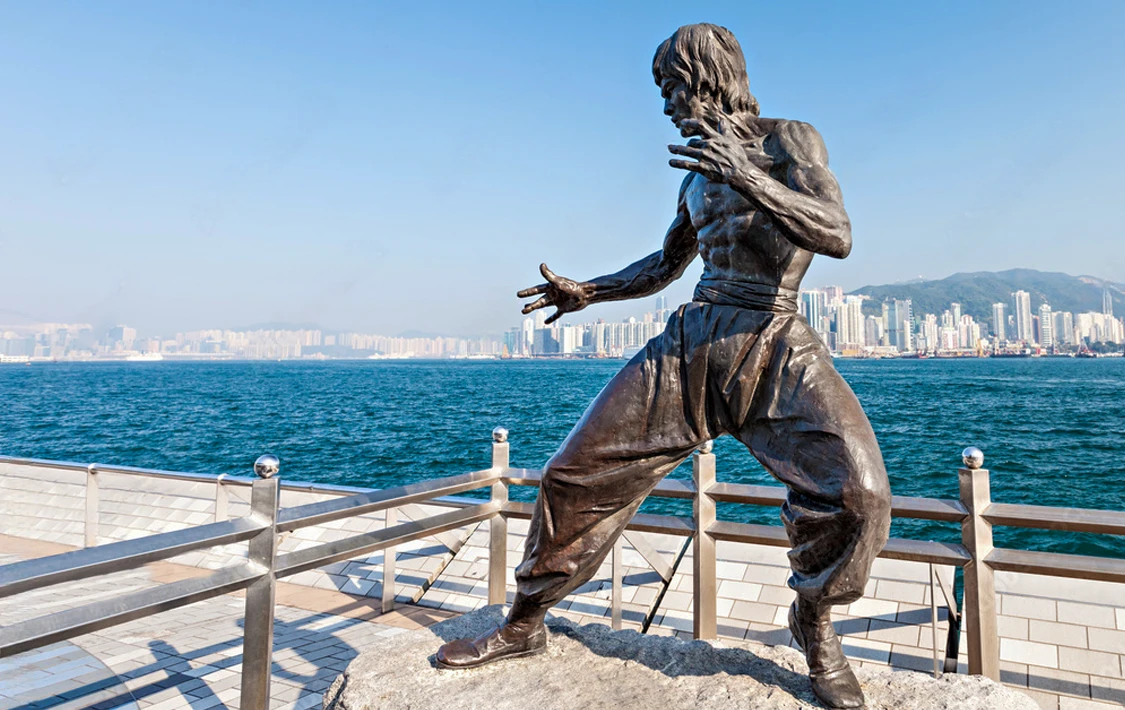

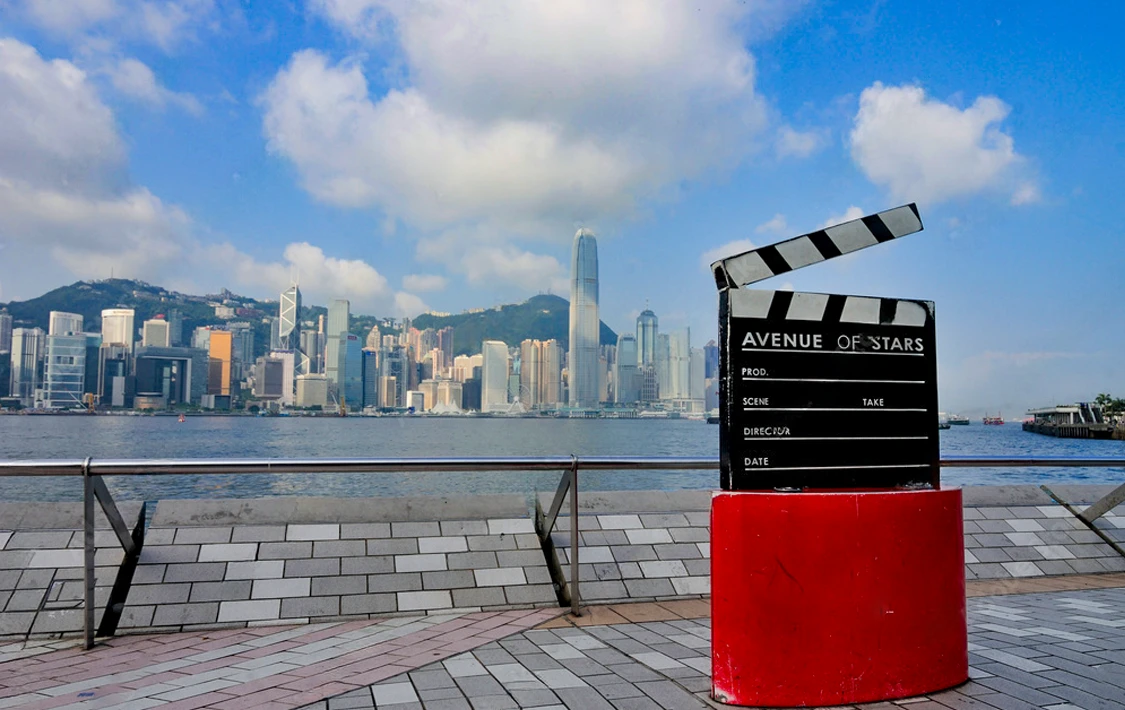


The Avenue of Stars in Hongkong is Asia’s version of the famous Walk of Fame in Los Angeles. Set against the impressive skyline of Victoria Harbour, you’ll find over 100 handprints and statues of well-known film stars. Due to a three-year renovation, the Avenue of Stars was temporarily relocated to the Garden of Stars. Since February 2019, the renovation has been completed and most of the sculptures have returned to their original location.
The redesigned walkway was inspired by Bruce Lee’s philosophy “be like water” and enhanced with flowing water features and various light elements. Using augmented reality technology, you can interact with the stars via your smartphone and watch film clips. The Avenue of Stars is located right next to the Hong Kong Museum of Art. Dive into the film history of Hongkong – often referred to as the Hollywood of Asia.
Useful facts about the Avenue of Stars
15. Mongkok – experience authentic Hongkong
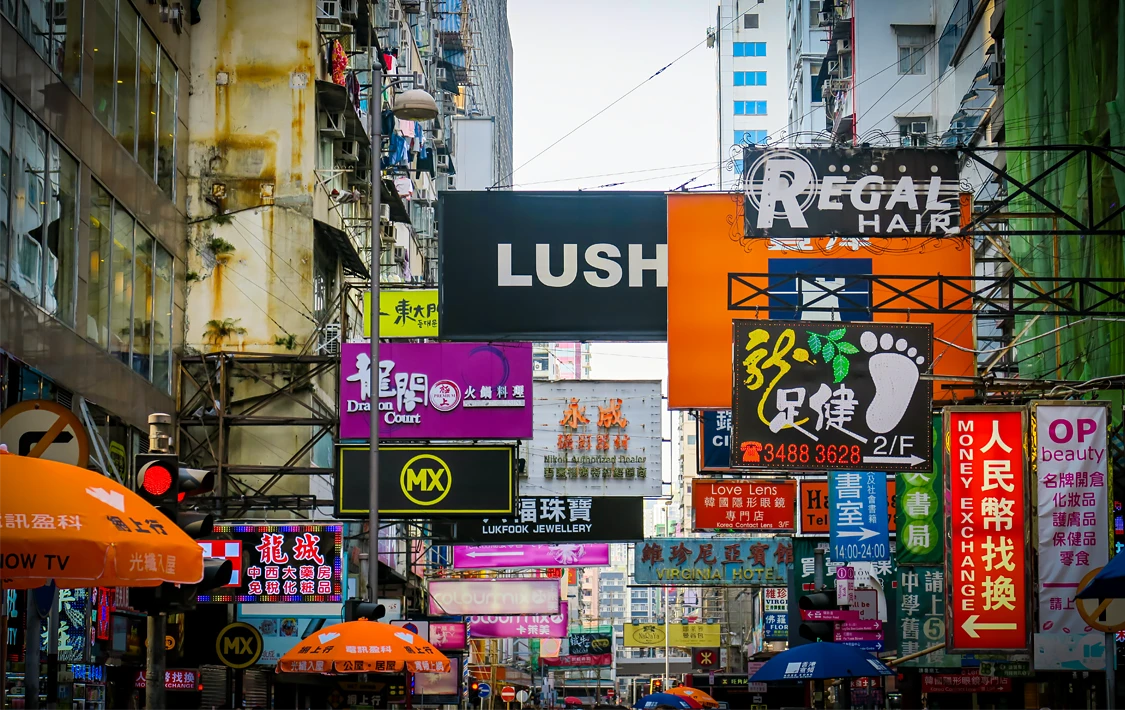

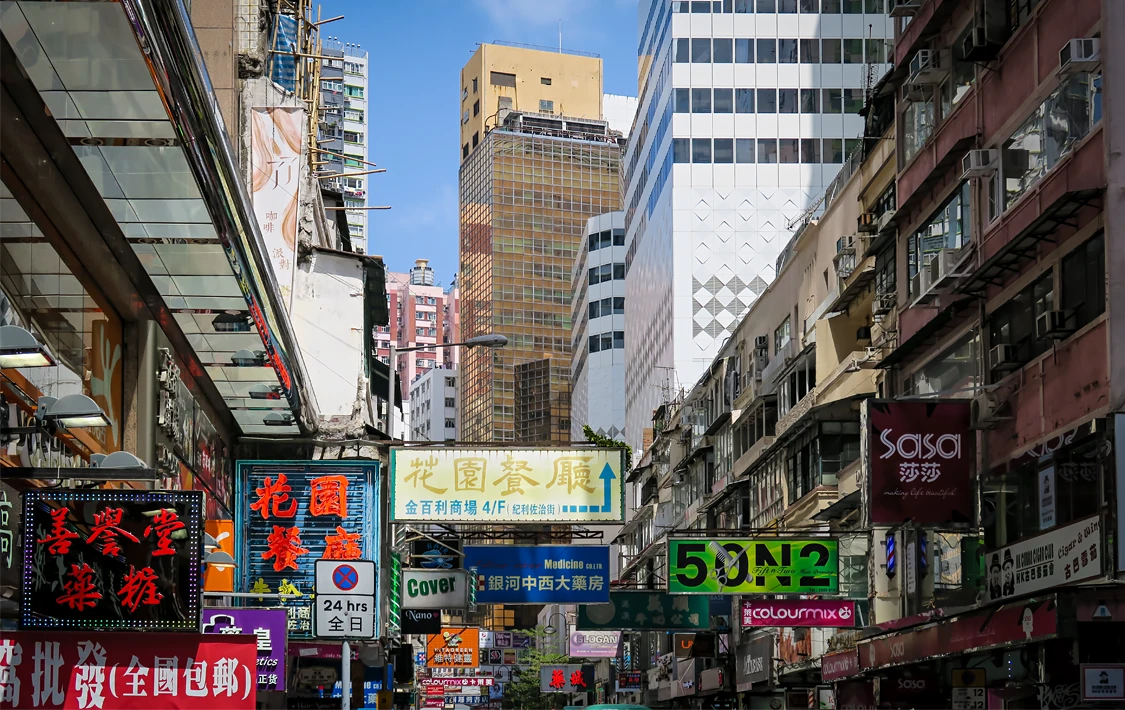
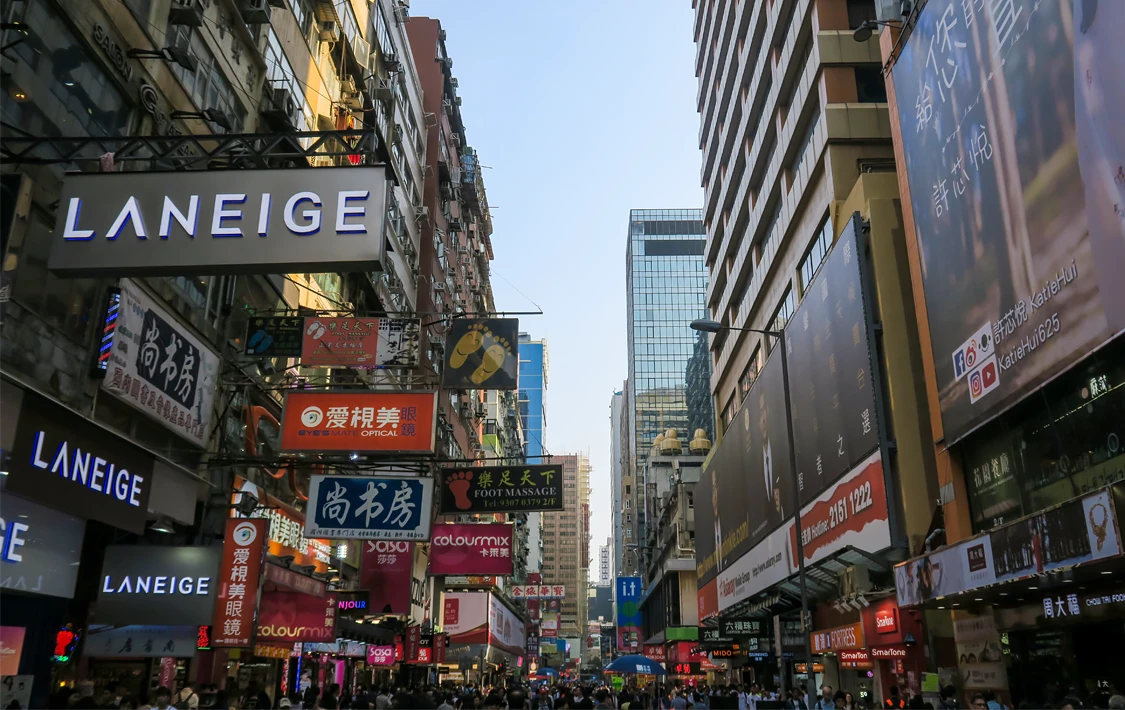

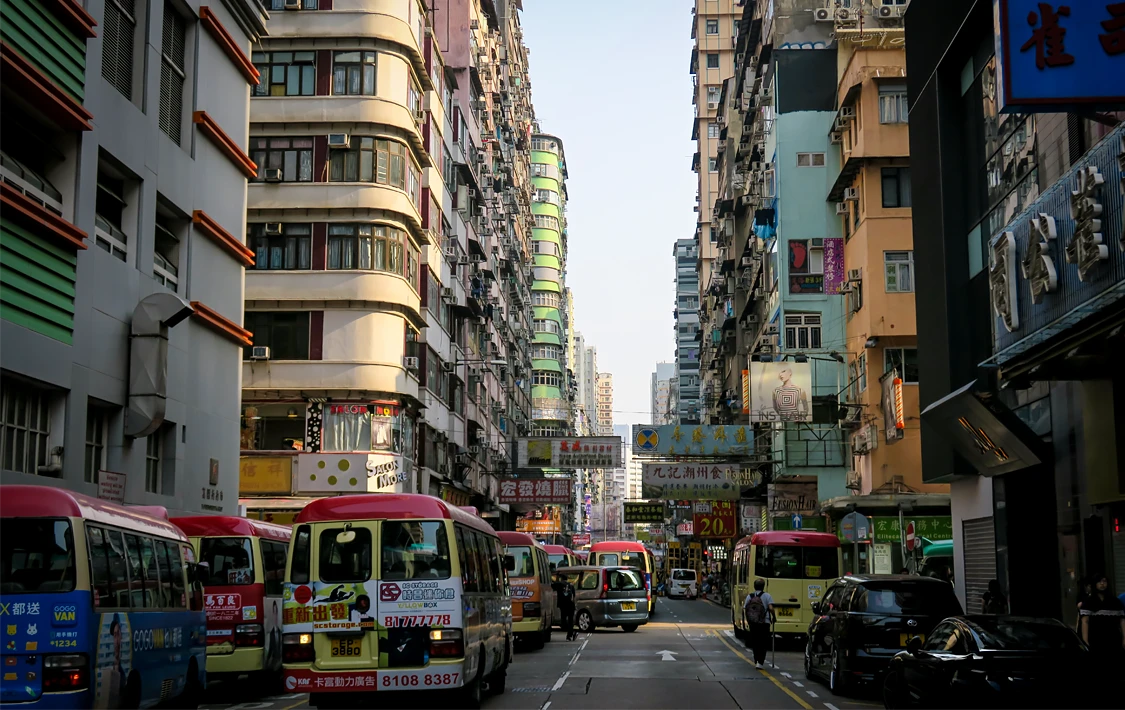
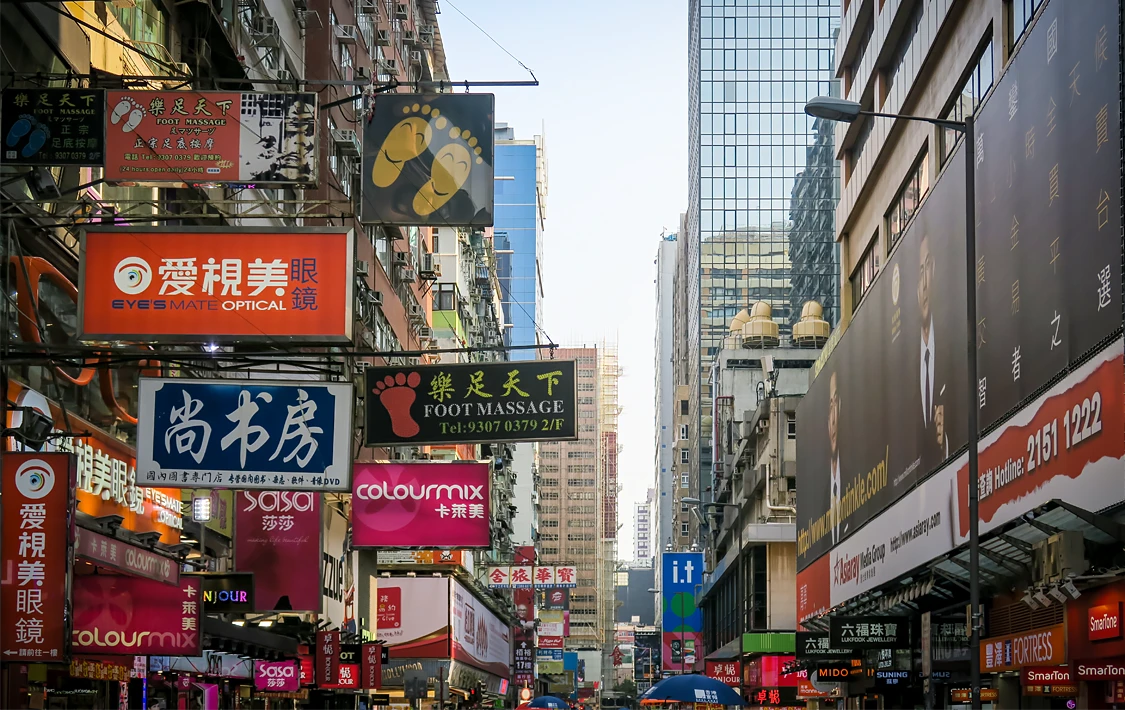
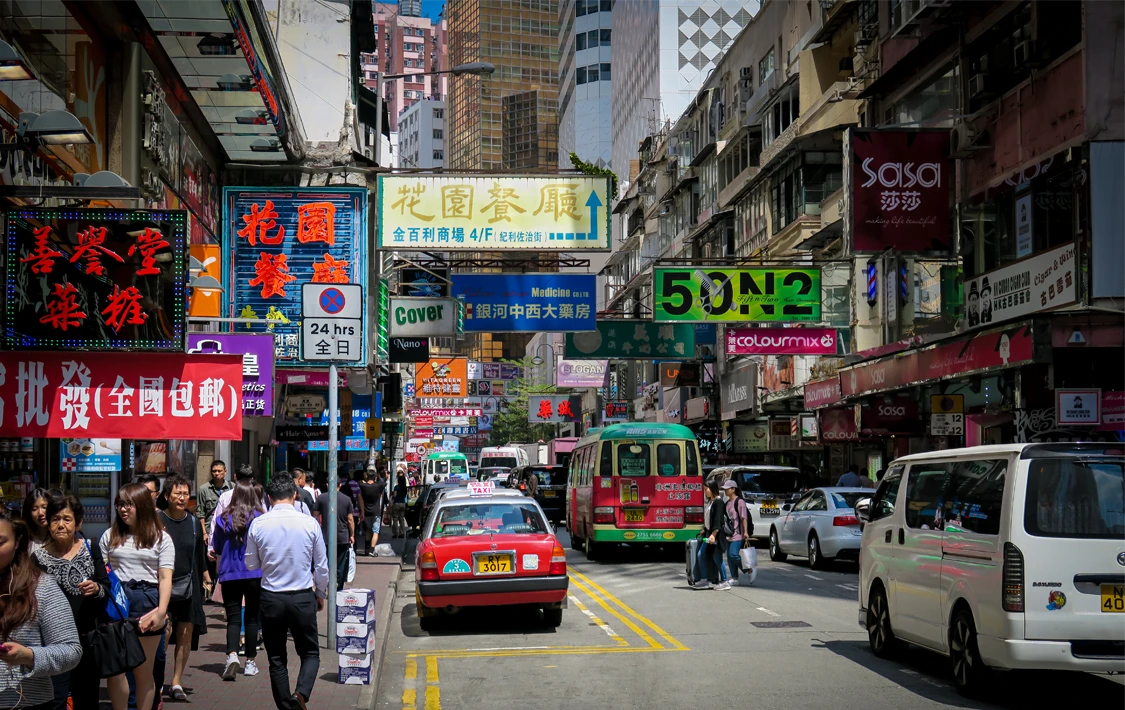
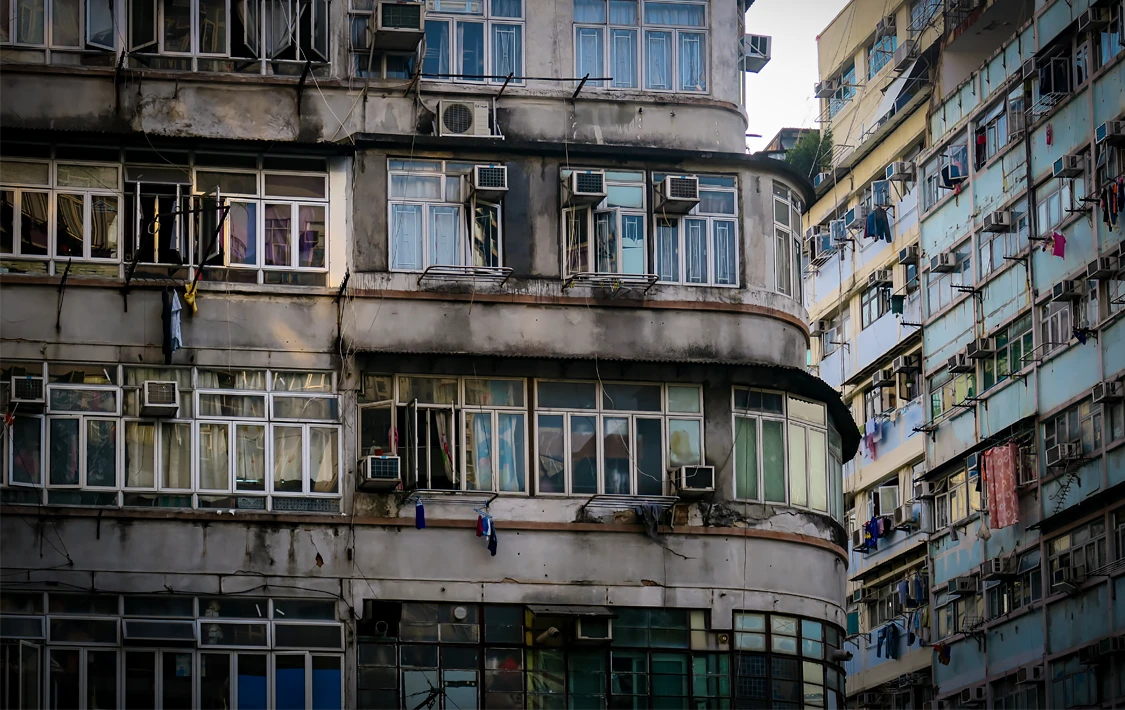
What were your main reasons for visiting Hongkong? Let me guess – the skyline? No doubt, that alone is worth the trip. Most itineraries include places like Victoria Peak, the Avenue of Stars, or Victoria Harbour. And rightly so – these are spots you definitely shouldn’t miss.
But then there’s Mong Kok – a district that’s often overlooked or treated as an afterthought when planning a trip. In my opinion, completely undeserved.
Authentic vibes in Mongkok
Mong Kok may no longer be a hidden gem, but it offers a much more authentic atmosphere than the typical tourist hotspots. This is where the real Asian vibe becomes tangible.
Surrounded by colourful neon signs and glowing billboards, you step into a completely different world. Hongkong is already a wild and vibrant megacity, but Mong Kok takes it to another level – louder, busier, and more intense. With a population density of around 50,000 people per square kilometre, Mong Kok once even made it into the Guinness World Records as the most densely populated district in the world.
Shopping paradise Mongkok
Mong Kok is the shopping hotspot. From upscale boutiques in the southern part of the district to countless affordable street markets, you’ll find it all here.
Beyond shopping, the area is also known among locals as a place for entertainment and nightlife. Just head to Mong Kok and let your (shopping) instincts guide you. You’ll find more details about the individual markets in our Kowloon travel guide.
Markets and shopping centres in Mong Kok
Here’s an overview of the main markets:
- Ladies Market: A paradise for bargain hunters, with a wide selection of clothing, accessories, and souvenirs.
- Langham Place: A modern shopping mall with numerous international brands and restaurants.
- Mongkok Computer Center: The perfect place for tech and electronics lovers.
- Sneakers Street: A must for sneaker fans, with a huge selection of sports shoes and streetwear.
- Flower- und Bird Market: A charming market with a wide variety of flowers, birds, and other pets.
- Goldfish Market: A fascinating market specialising in goldfish and other aquarium animals.
- Temple Street Night Market: A lively night market known for its street food stalls and diverse vendors.
Useful facts about Mongkok Hongkong
16. Chi Lin Tempel and Nan Lian Garden
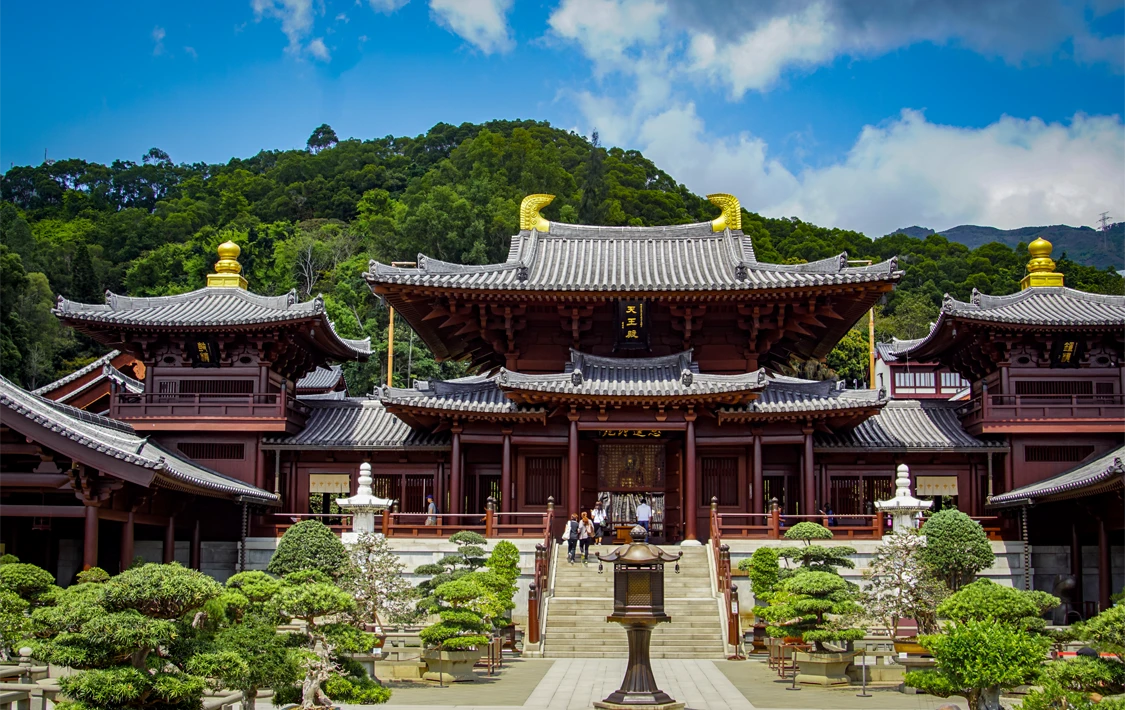
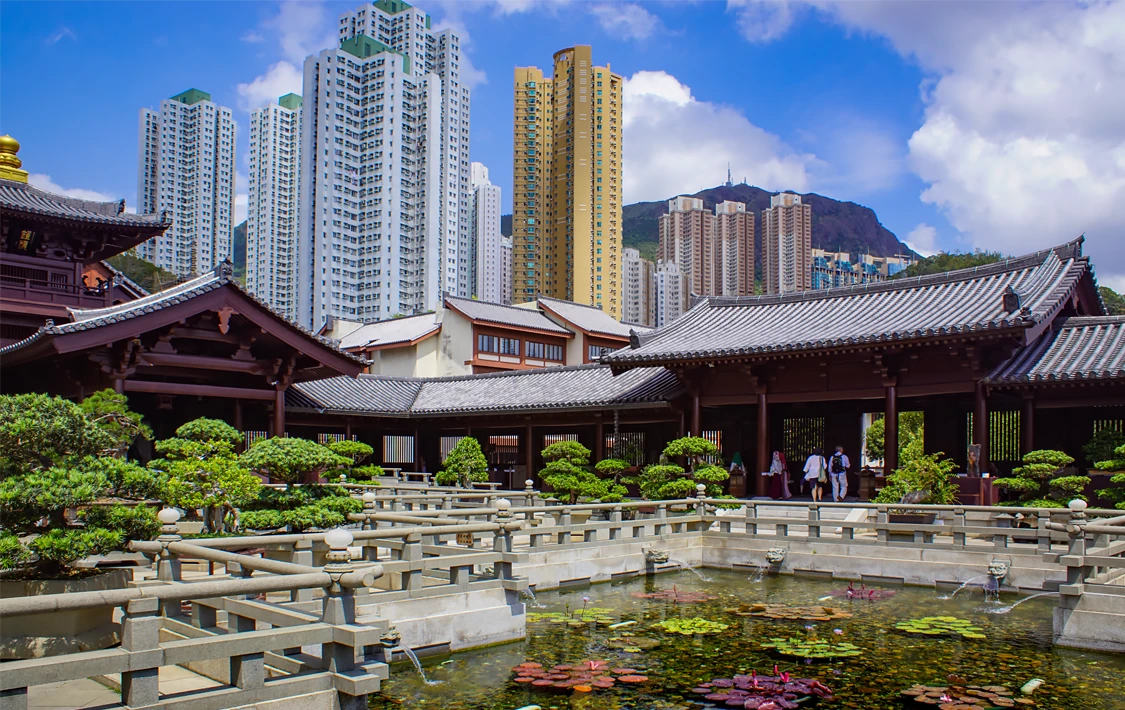

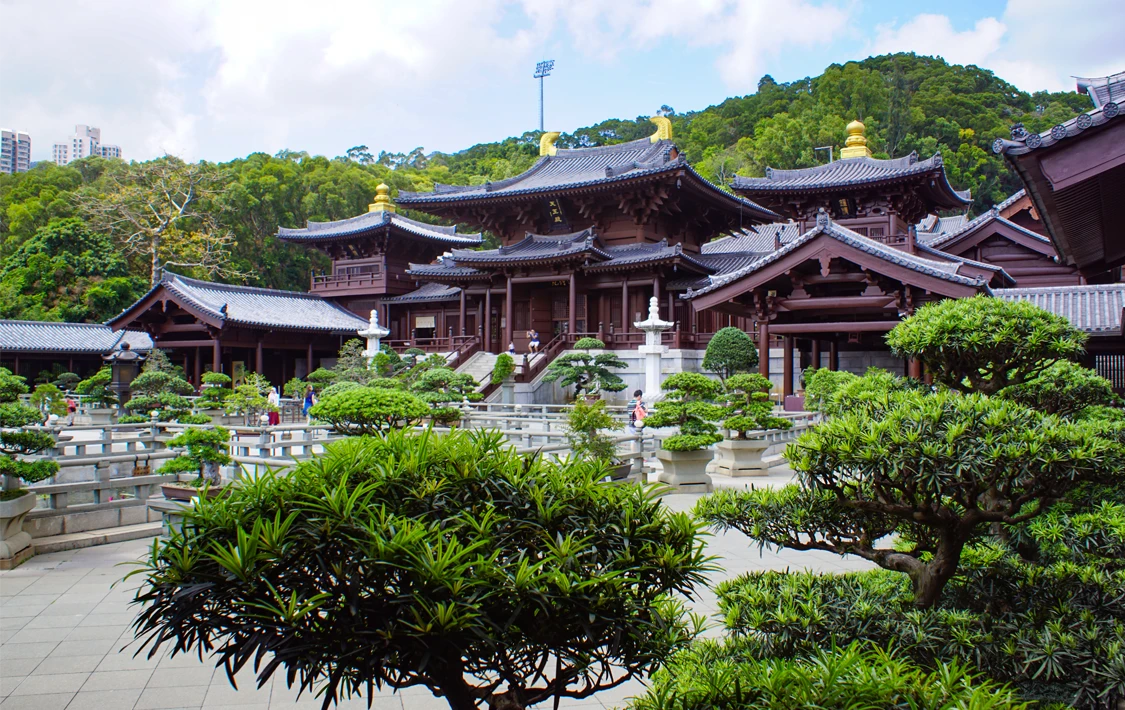
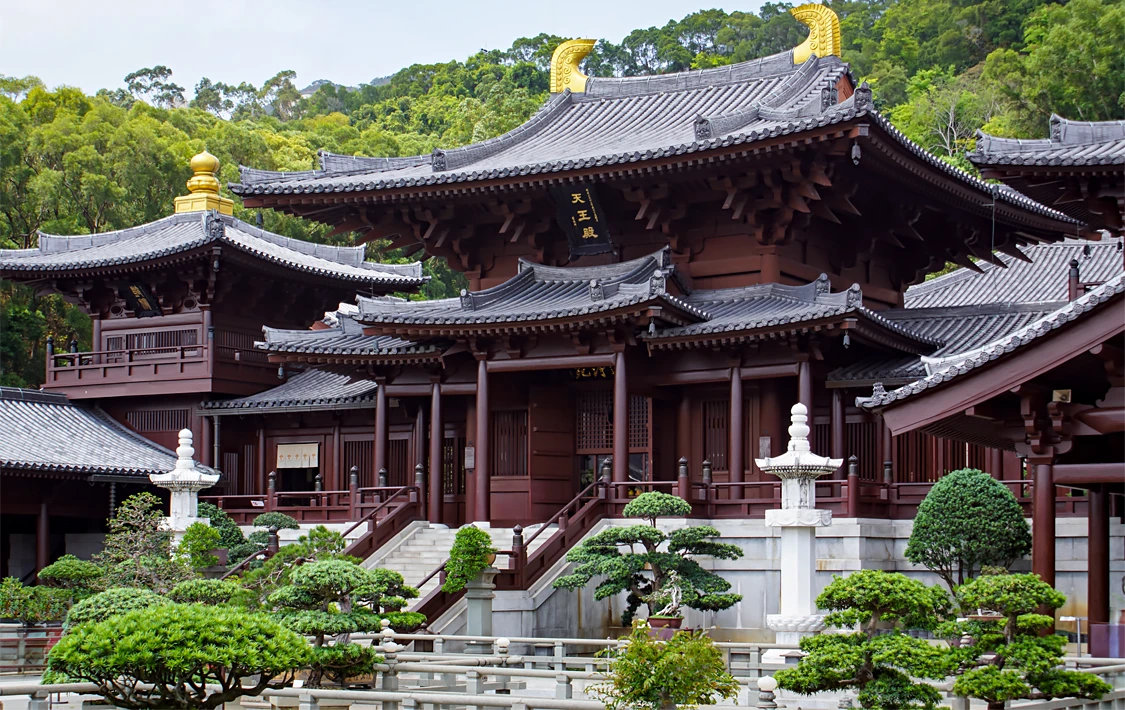

Chi Lin Nunnery is one of the attractions in Kowloon you shouldn’t miss. As soon as you enter the impressive complex, you’re greeted with a beautiful view of the temple and the garden in front, with its inviting lotus ponds. Surrounded by skyscrapers, the site creates a striking contrast between tradition and modernity.
The well-maintained grounds around the wooden temple are home to a variety of plants and carefully arranged bonsai trees, displayed in intricately carved pots. Inside the temple halls, you’ll find relics and statues made of gold, wood, and clay, representing Buddhist deities. If you’re looking for a break from the concrete and crowds, a visit to Chi Lin Nunnery offers a peaceful and cultural escape.
Originally built in 1934 as a retreat for Buddhist nuns, the complex was renovated in 1998 in the style of the Tang Dynasty. One of its most remarkable features is that the entire wooden structure was built without nails – the pieces are fitted together like a puzzle, symbolising harmony between people and nature.
Nan Lian Garden
Right next to Chi Lin Nunnery lies the picturesque Nan Lian Garden, which can easily be visited at the same time. Covering around 3.5 hectares, the garden is also designed in the style of the Tang Dynasty and offers a peaceful retreat.
Every element – from stones to trees – has been carefully placed according to traditional design principles. Surrounded by skyscrapers, you can stroll through this beautifully landscaped park and discover highlights such as the Golden Pavilion, connected by the Zi-Wu bridges, a wide variety of plants and trees, the Chinese Timber Architecture Gallery, and two artificial ponds with koi fish.
Behind a carefully designed waterfall, you’ll even find a vegetarian restaurant – the setting there is truly unique. Nan Lian Garden is a perfect spot to relax, unwind, and capture some stunning travel photos.
The garden was a joint project between Chi Lin Nunnery and the government and was opened to the public in 2006.
Useful facts about Chi Lin Nunnery
Wissenswertes zum Nan Lian Garden
17. Ten Thousand Buddhas Monastery – Tempel Highlight in Hongkong
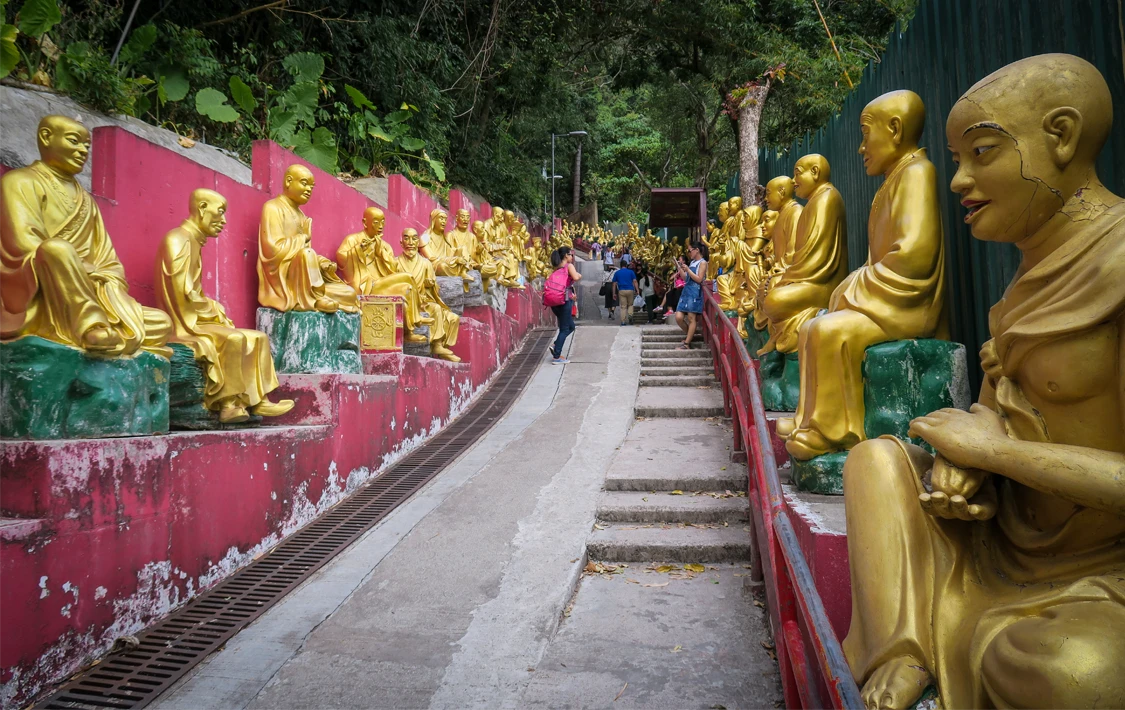
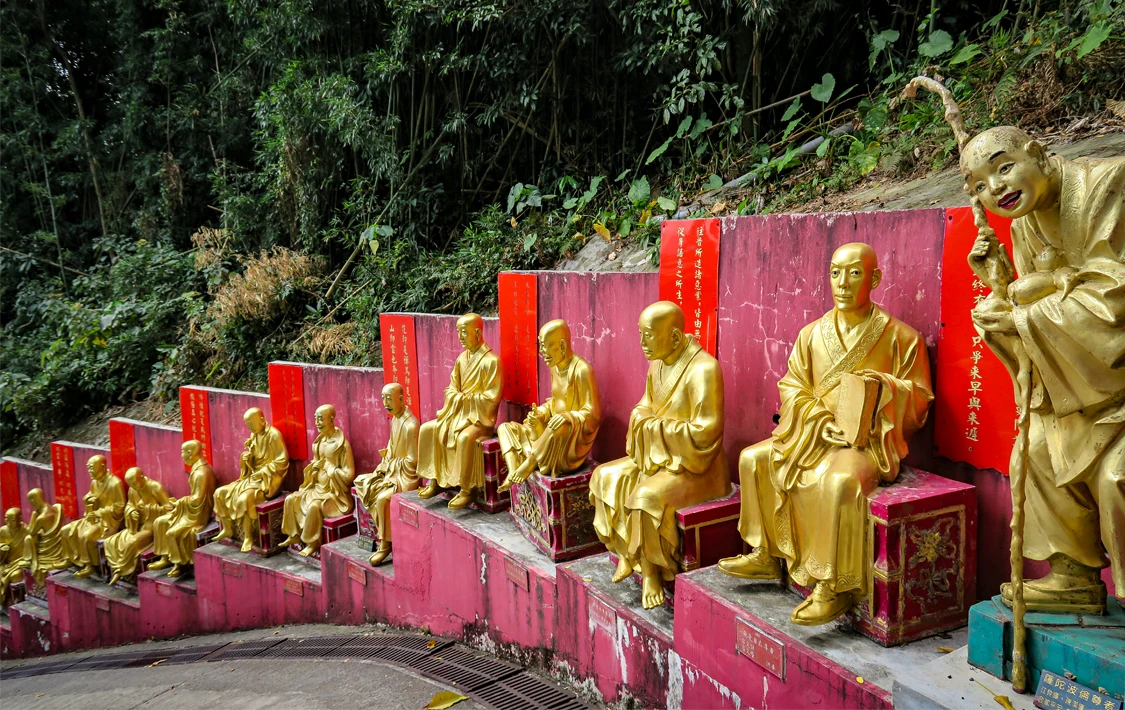
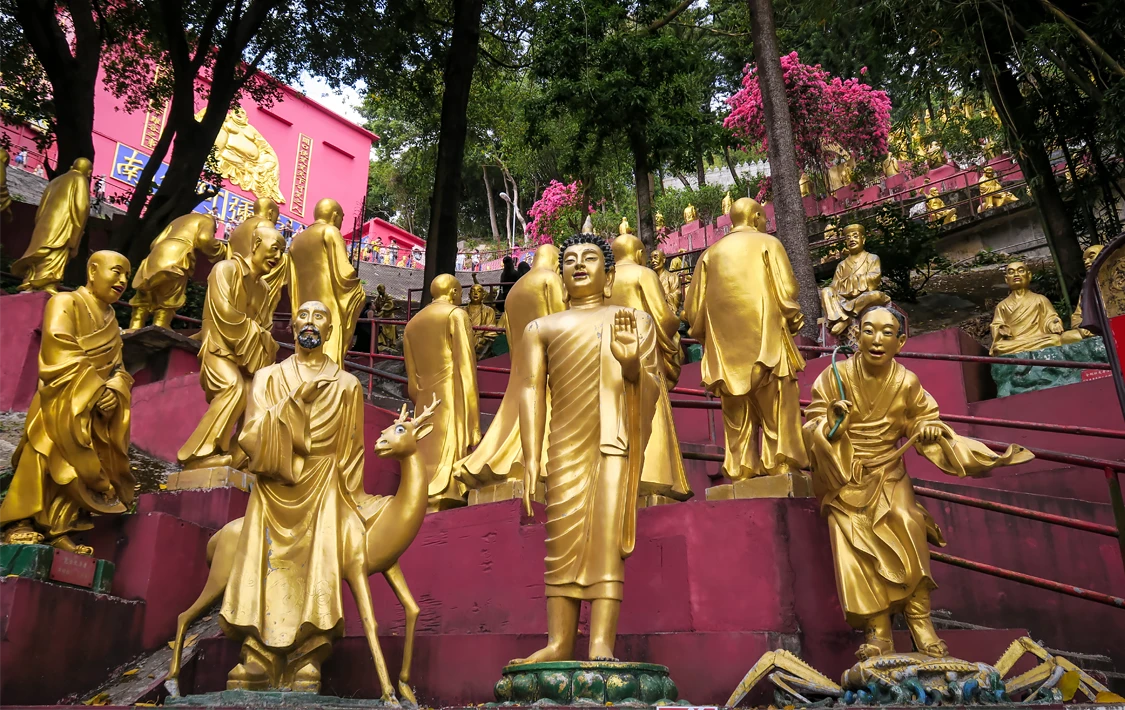
Do you like temples? Good – so do I. As a true temple fan, I’ve visited countless ones across Asia. Whether in Chiang Mai, Bangkok, or Angkor Wat, they all have one thing in common – they’re impressive, often magnificent, and stay with you long after your visit.
Hongkong also has a number of temples worth visiting, though many of them feel more understated compared to places like Thailand or Myanmar. While temples there often shine in gold and grandeur, Hongkong’s temples are usually more modest. But as always – there are exceptions.
Ten Thousand Buddhas Monastery
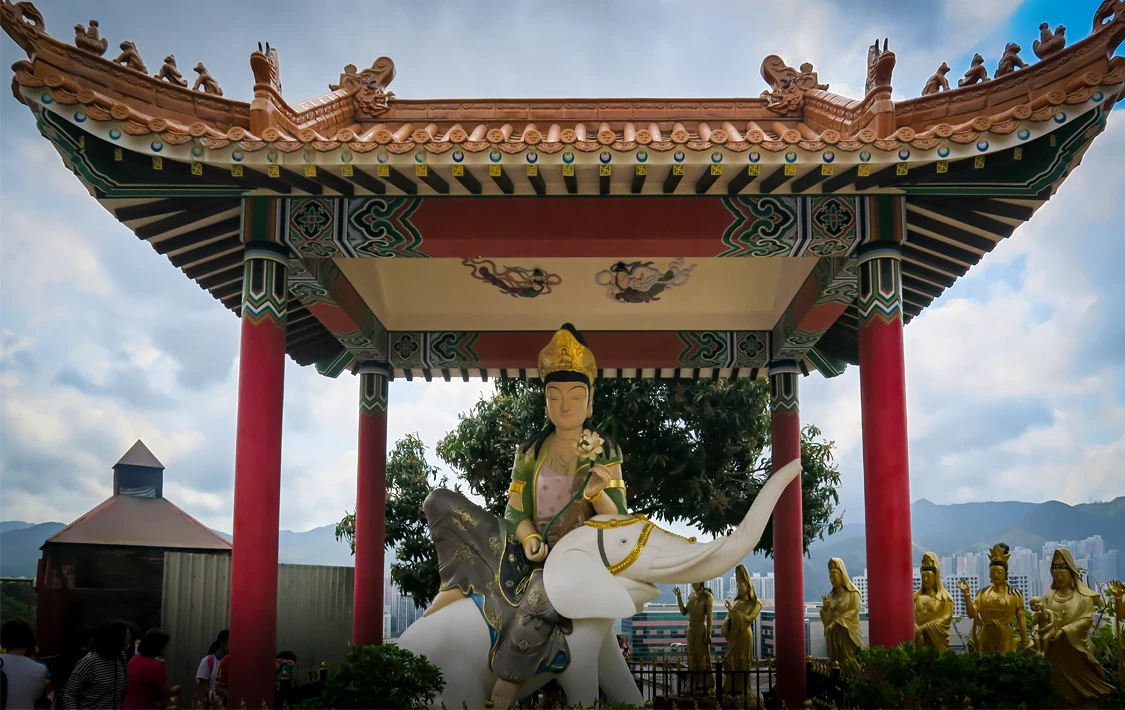
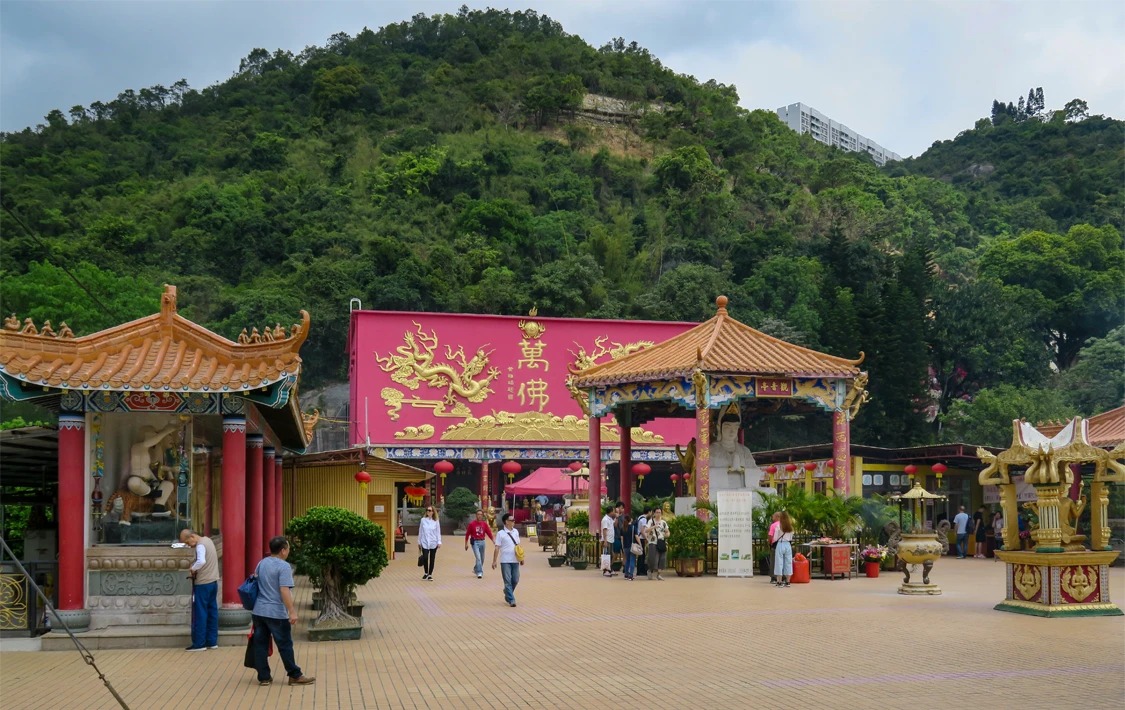
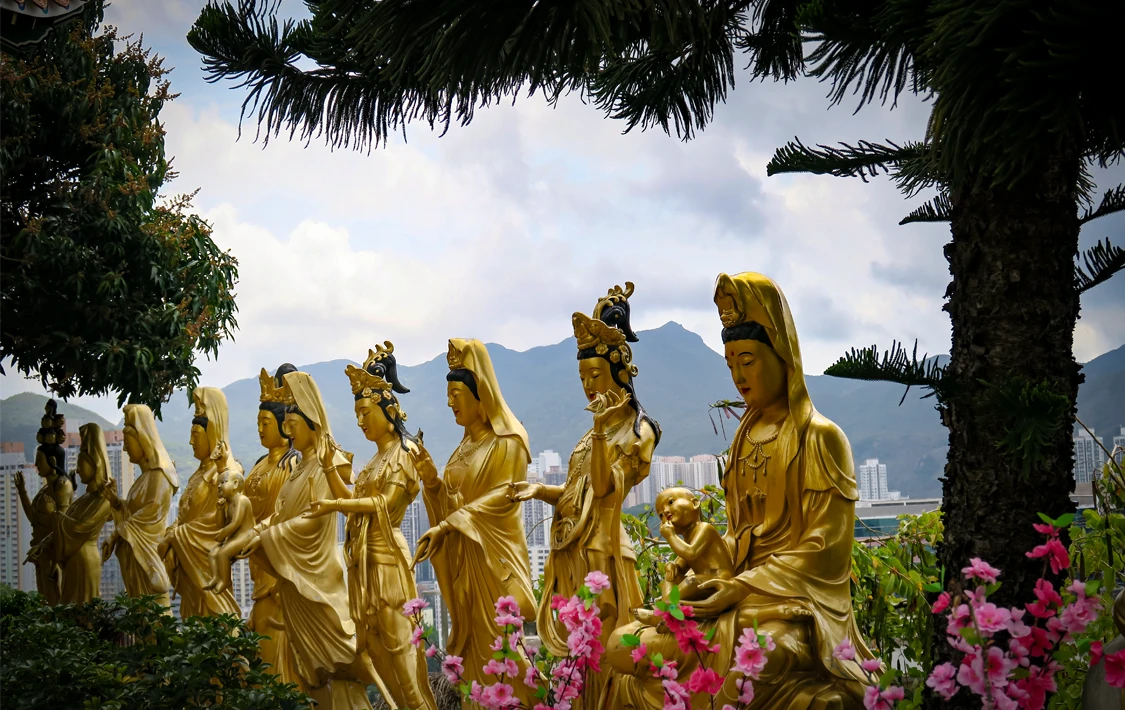
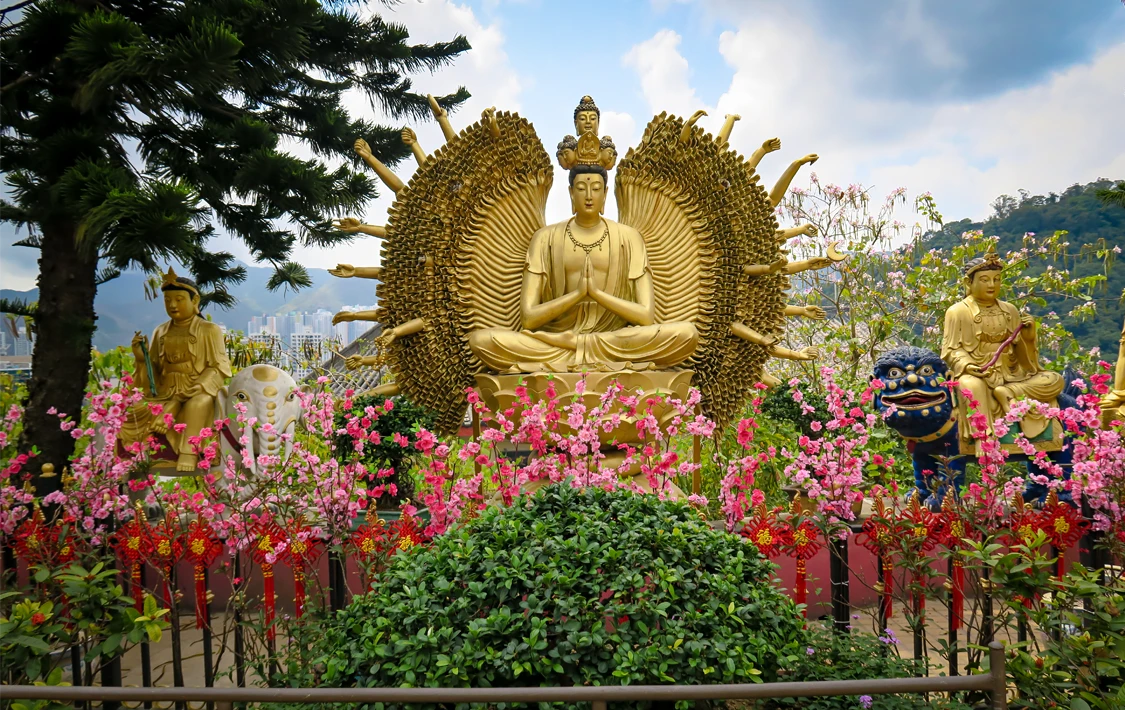
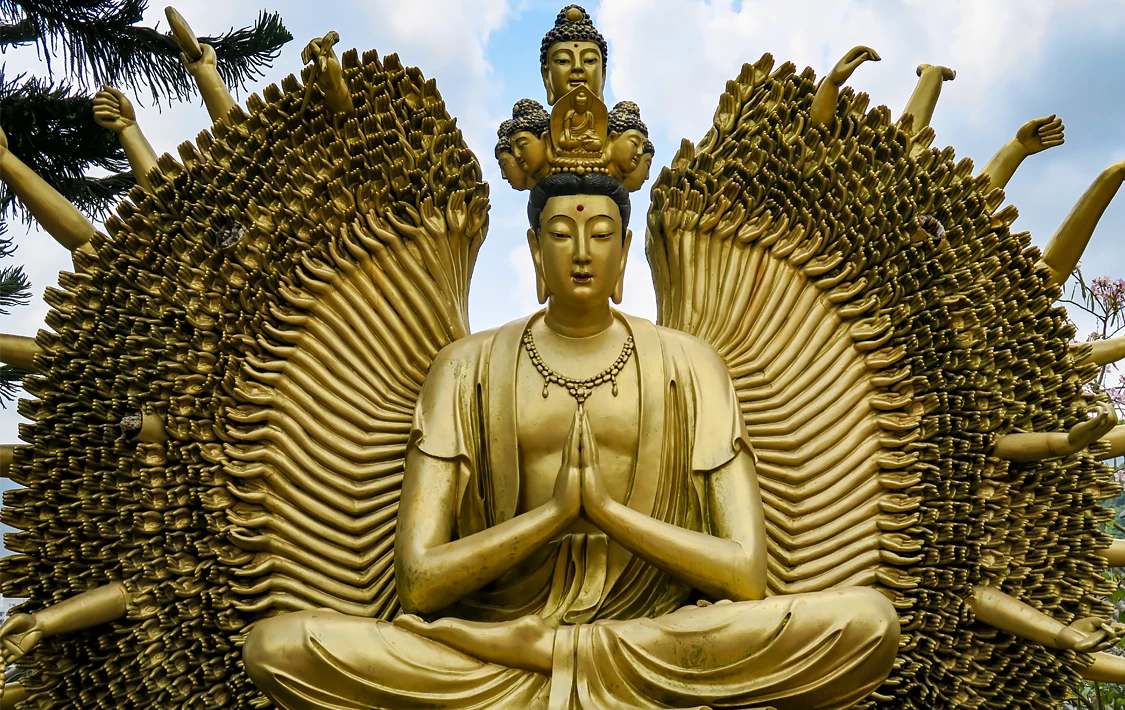
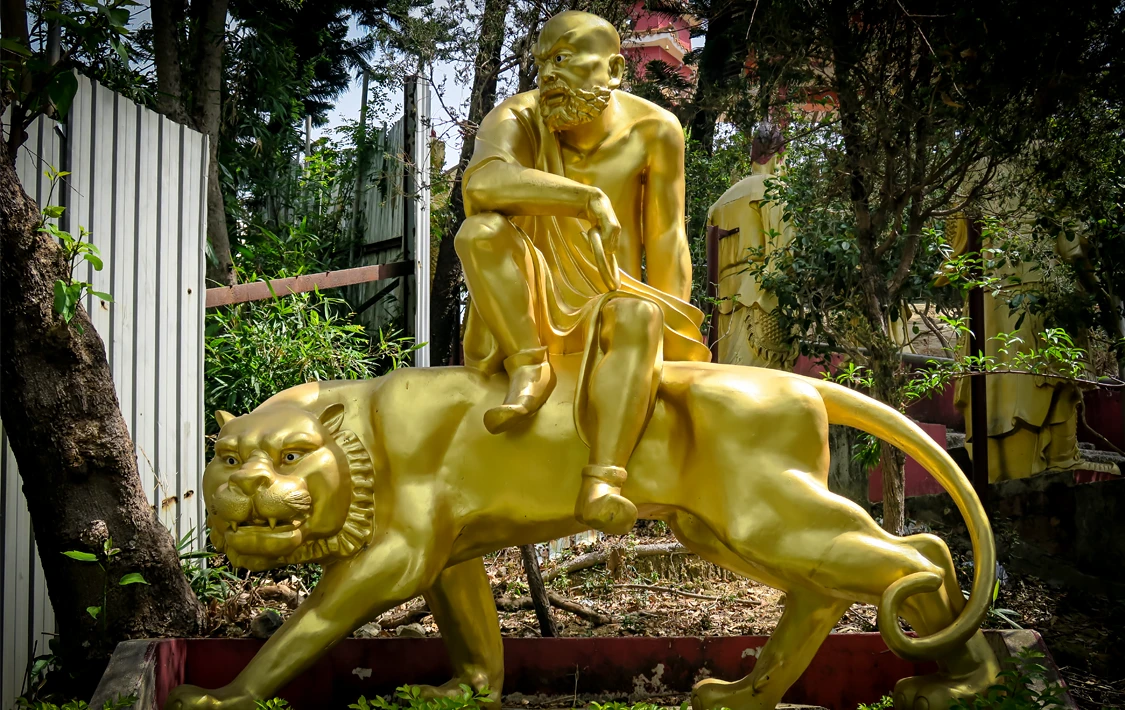
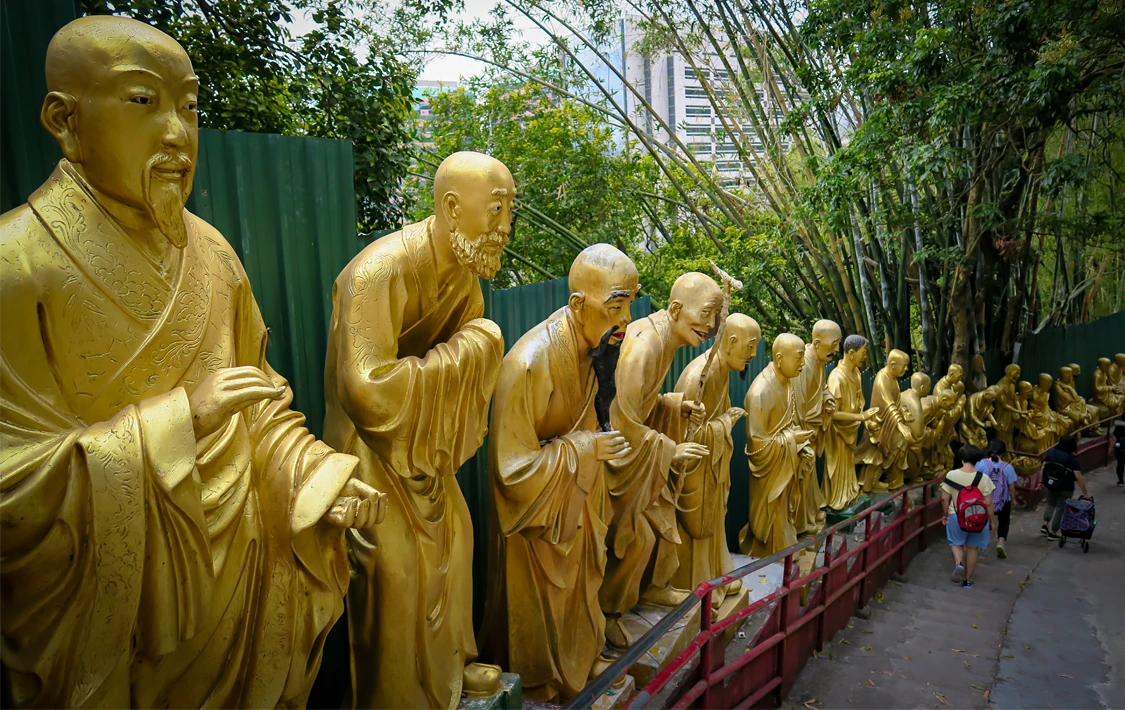
In the New Territories, you’ll find the Ten Thousand Buddhas Monastery – an impressive temple complex that can easily compete with some of the most beautiful in Asia. The climb alone is worth it: along the 430 steps leading up to the temple, you’ll be accompanied by more than 500 golden statues, each one uniquely designed. You could easily spend hours just admiring these figures.
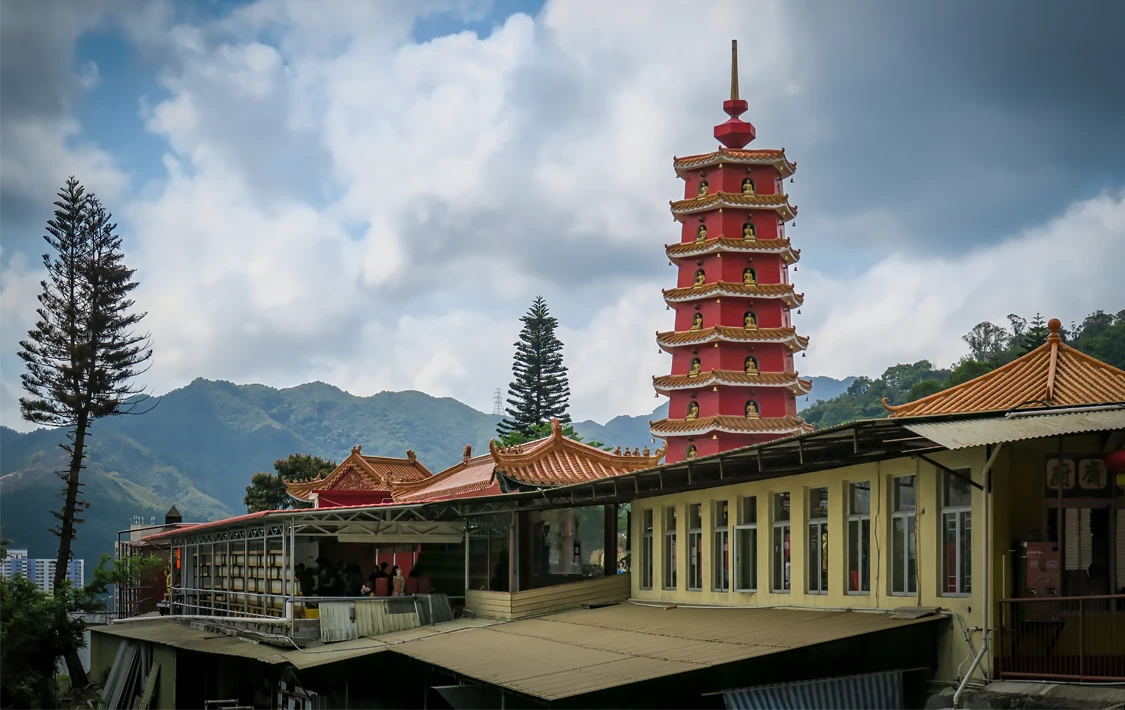
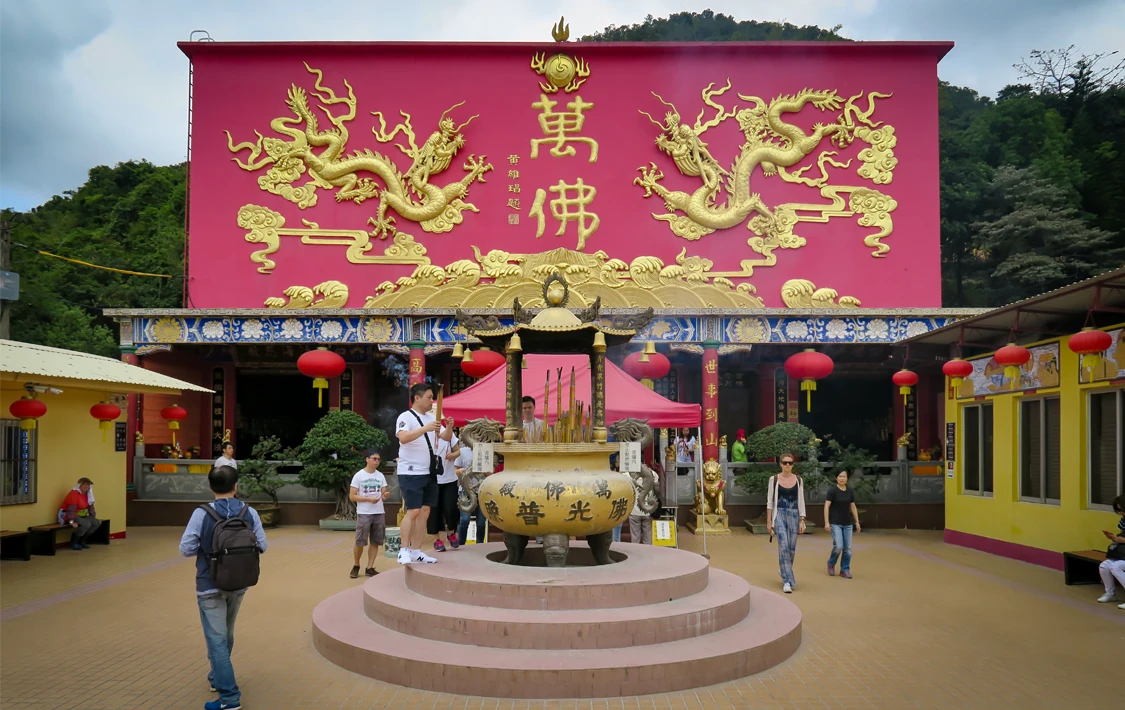
Once you reach the top, you’ll arrive at the complex, built in the 1950s, which consists of five temples, four pavilions, and a pagoda. The name “Ten Thousand Buddhas” is actually a bit misleading – the main hall alone houses around 12,800 small Buddha statues.
Highlights of the temple complex
Another highlight is the nine-storey pagoda, offering great views over the New Territories and Sha Tin. Between the main hall and the pagoda, you’ll find 18 life-sized golden statues representing Buddha’s most important disciples.
You’ll also come across the statue of the Fire King, built in the form of a white elephant, as well as a blue lion statue dedicated to the God of Great Wisdom. The area around the temple is home to wild monkeys, so with a bit of luck, you might spot a few along the way.
Surprisingly, this temple is often overlooked in many travel guides – something I personally can’t understand, as it’s easily one of Hongkong’s highlights.
Useful facts about the Ten Thousand Buddhas Monastery
18. Ngong Ping 360 Cable Car & Tian Tan Buddha (Big Buddha)
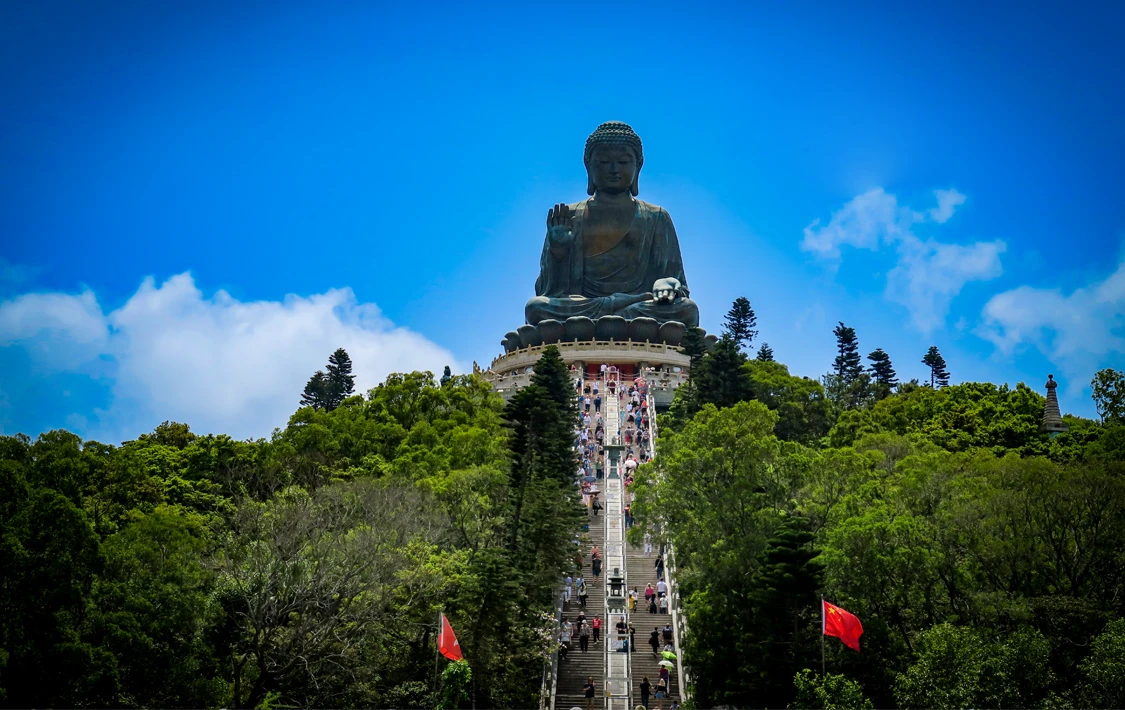

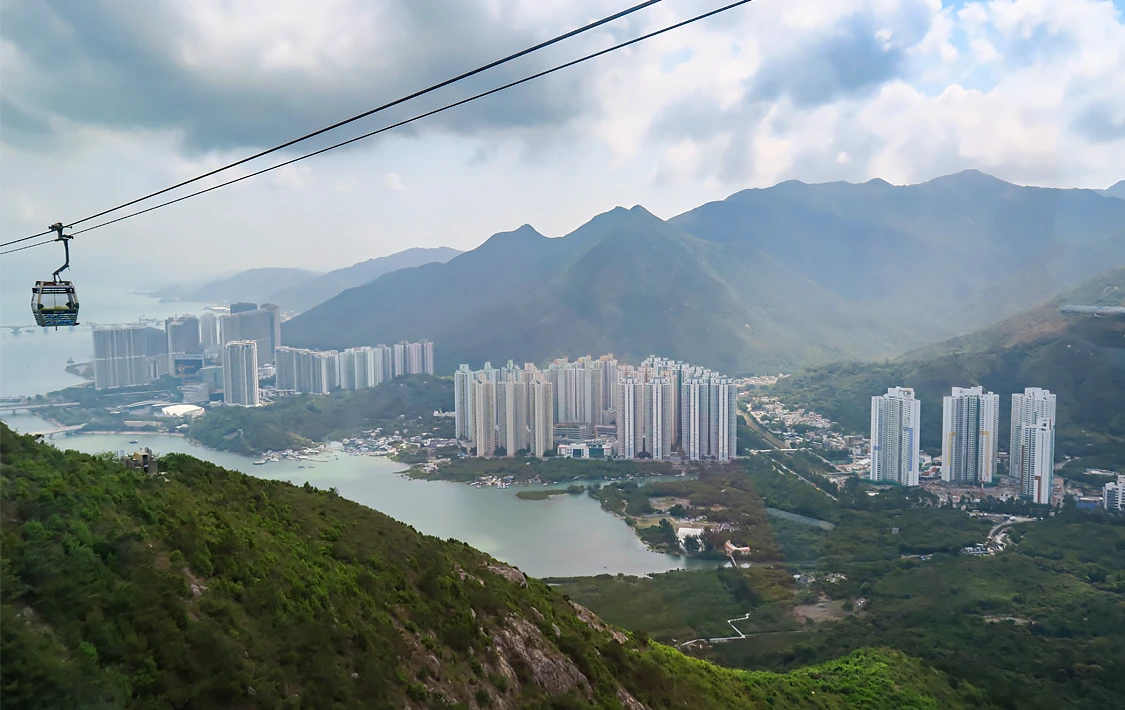
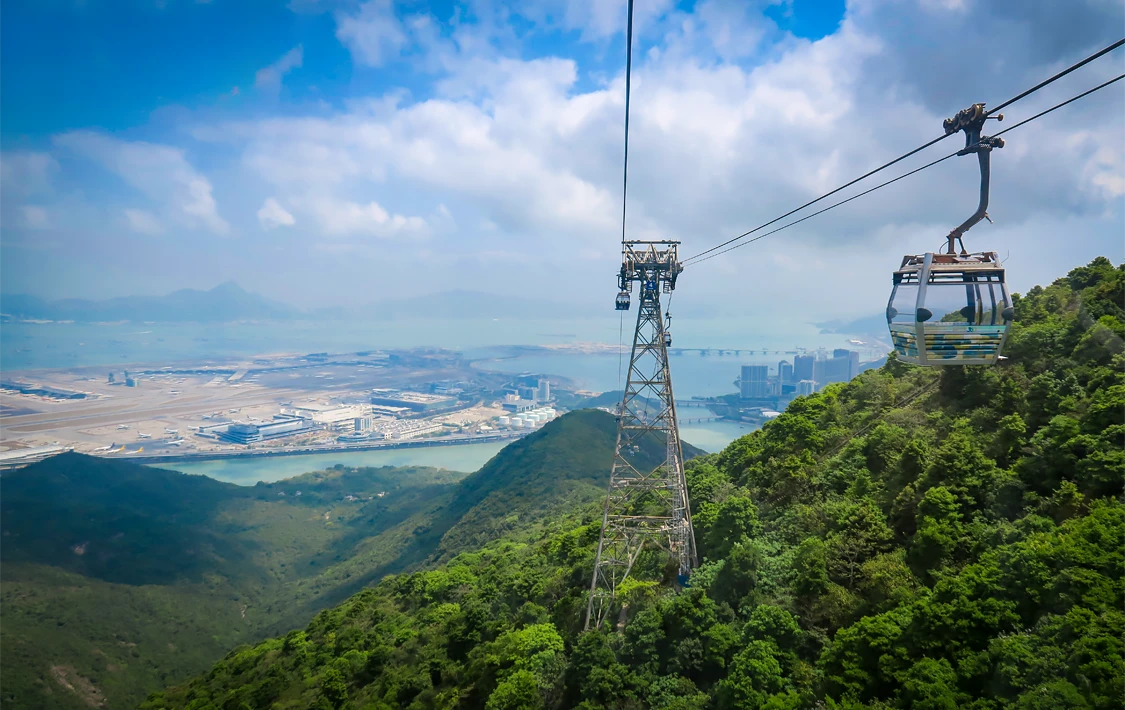
Ngong Ping 360 Cable Car – a spectacular ride in Hongkong
Experience the breathtaking journey on the Ngong Ping 360 Cable Car, one of Hongkong’s most impressive attractions. While cable car rides are quite common in Switzerland and nothing out of the ordinary, this one still completely blew me away.
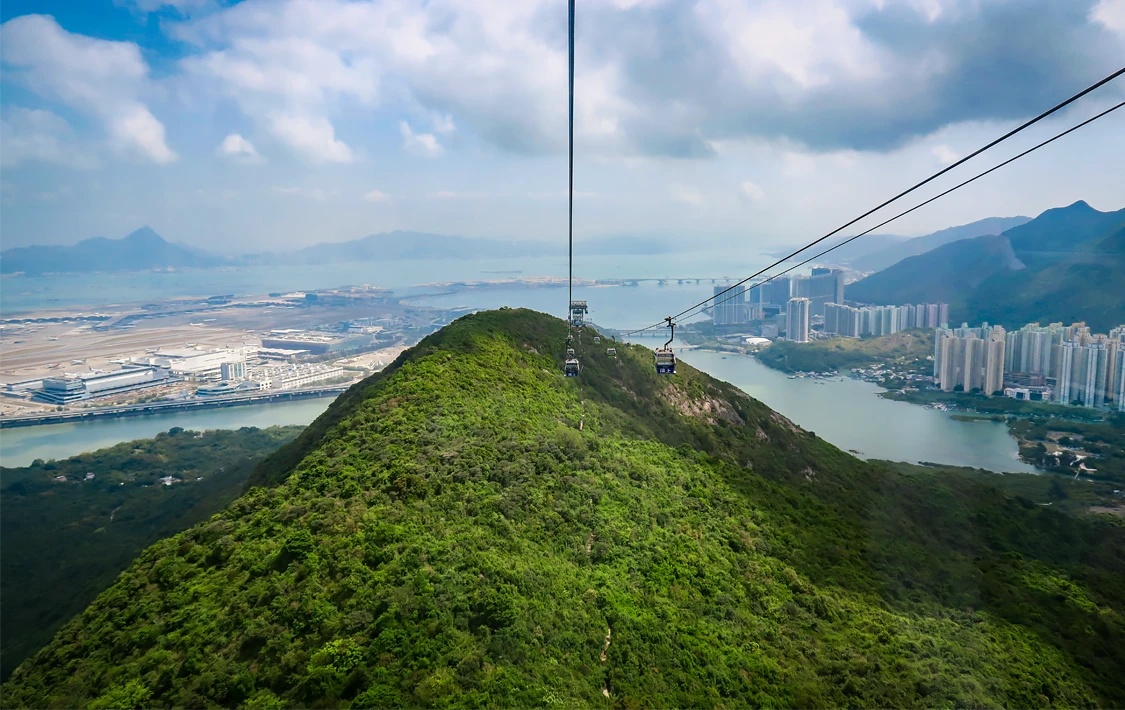
The 5.7-kilometre route takes you from Tung Chung to Ngong Ping in about 25 to 30 minutes, offering stunning views along the way. One of the highlights is the sharp 60-degree turn after Airport Island – something I had never experienced before, even as a Swiss used to cable cars.
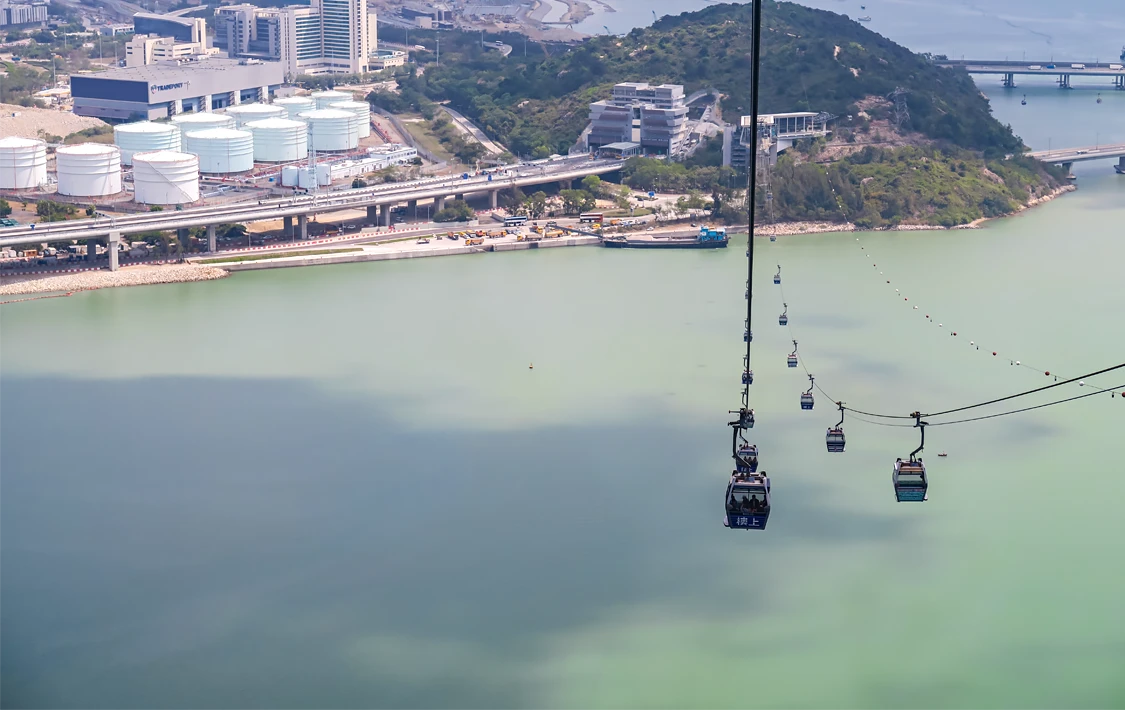
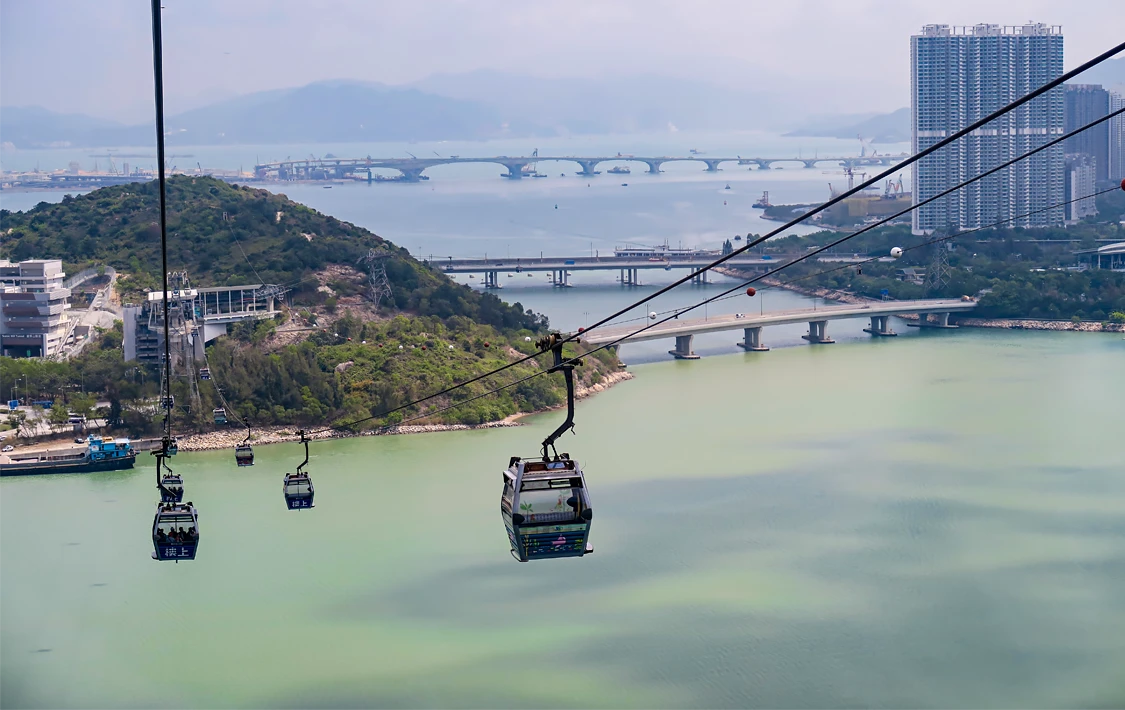
As the gondola glides over Tung Chung Bay, you’ll enjoy incredible views of the bay, the airport, the South China Sea, and the lush green hills of the surrounding national park. The most impressive section, in my opinion, is the 1.5-kilometre stretch over open water without any supporting towers – definitely the highlight of the ride.
Tian Tan Buddha and more highlights on the mountain
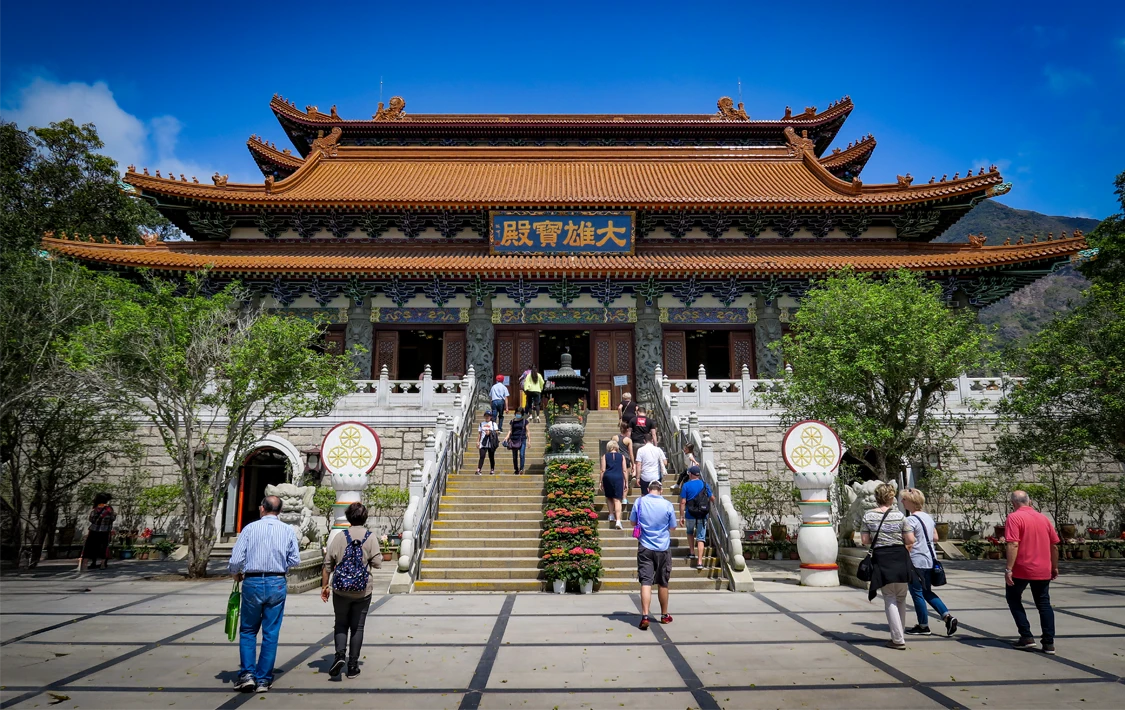
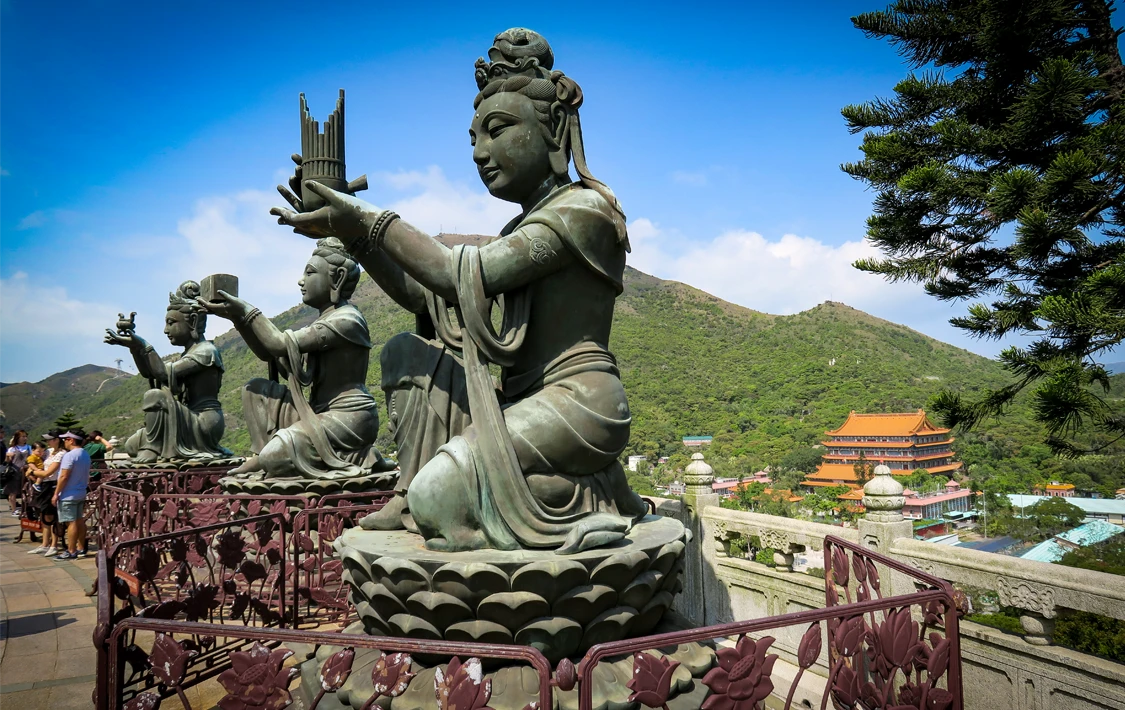
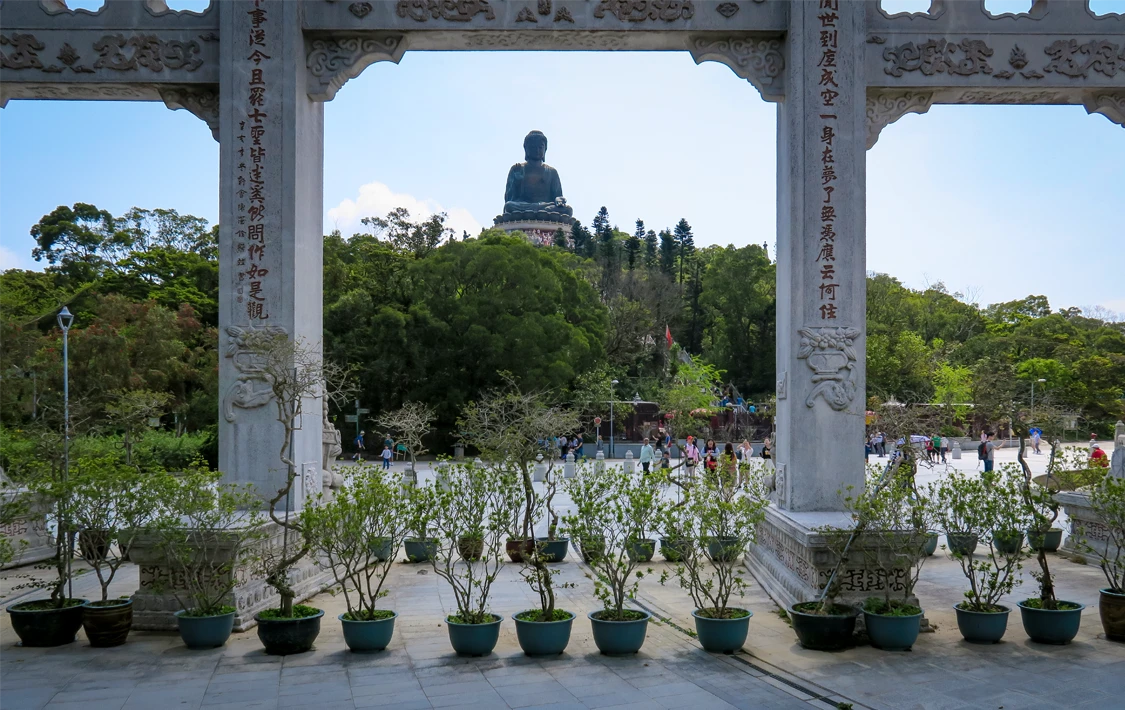
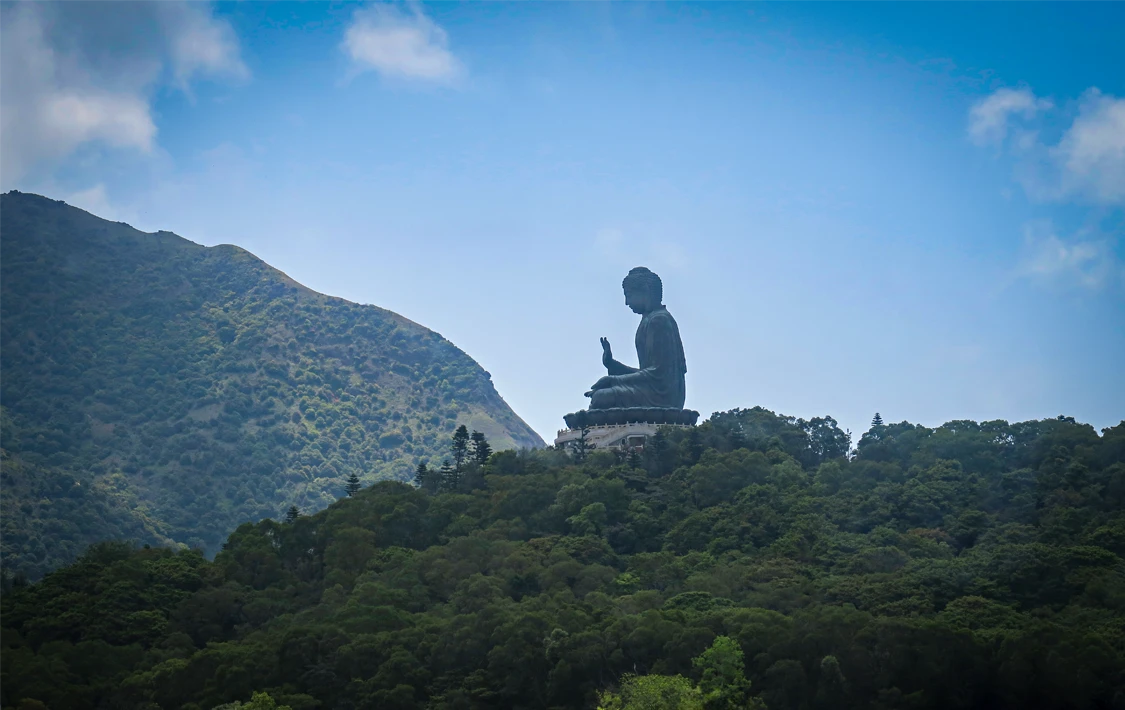
Once at the top, you’ll arrive at the scenic Ngong Ping Village, known for its themed attractions and traditional architecture. A short walk takes you to the majestic Tian Tan Buddha, visible from afar. Standing 34 metres tall, this bronze statue is one of Hongkong’s most iconic landmarks.
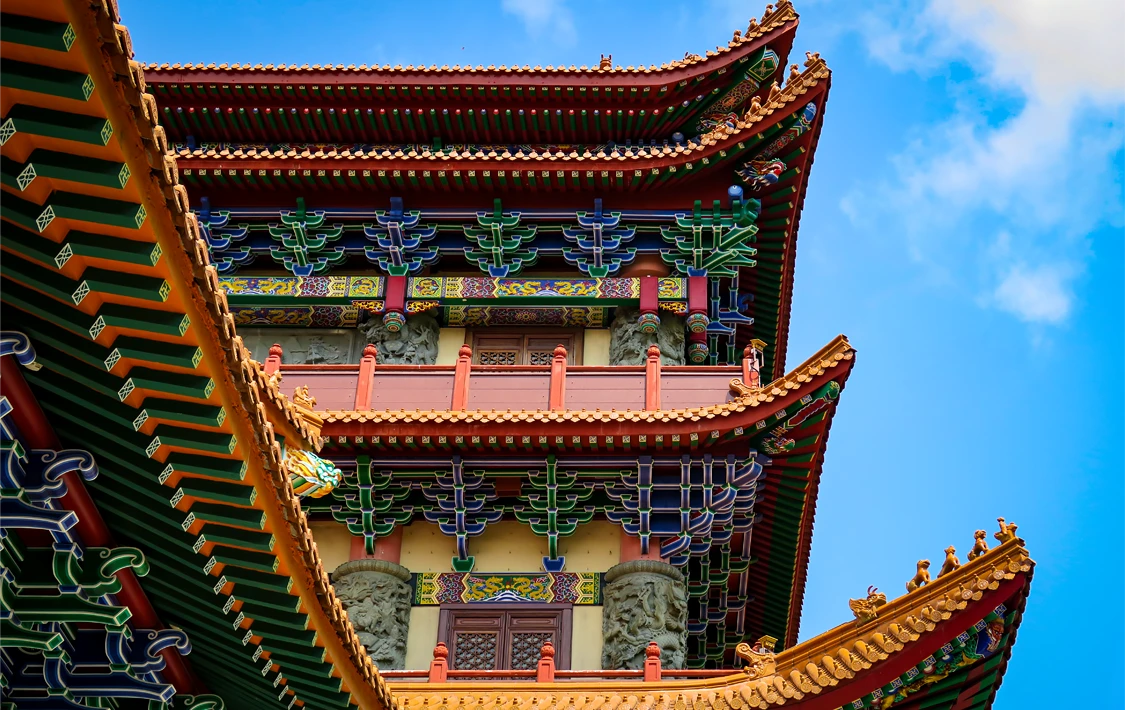
Right next to it, you’ll find the historic Po Lin Monastery, well worth a visit. Explore the temple halls, pagodas, and gardens while immersing yourself in Buddhist culture. The entire area offers a unique blend of spiritual atmosphere and cultural heritage.
You’ll find more detailed information about Ngong Ping and the Big Buddha in my travel guide to the Outlying Islands.
Useful facts about the Ngong Ping cable car
19. A visit to the fishing village of Tai O – a step back in time
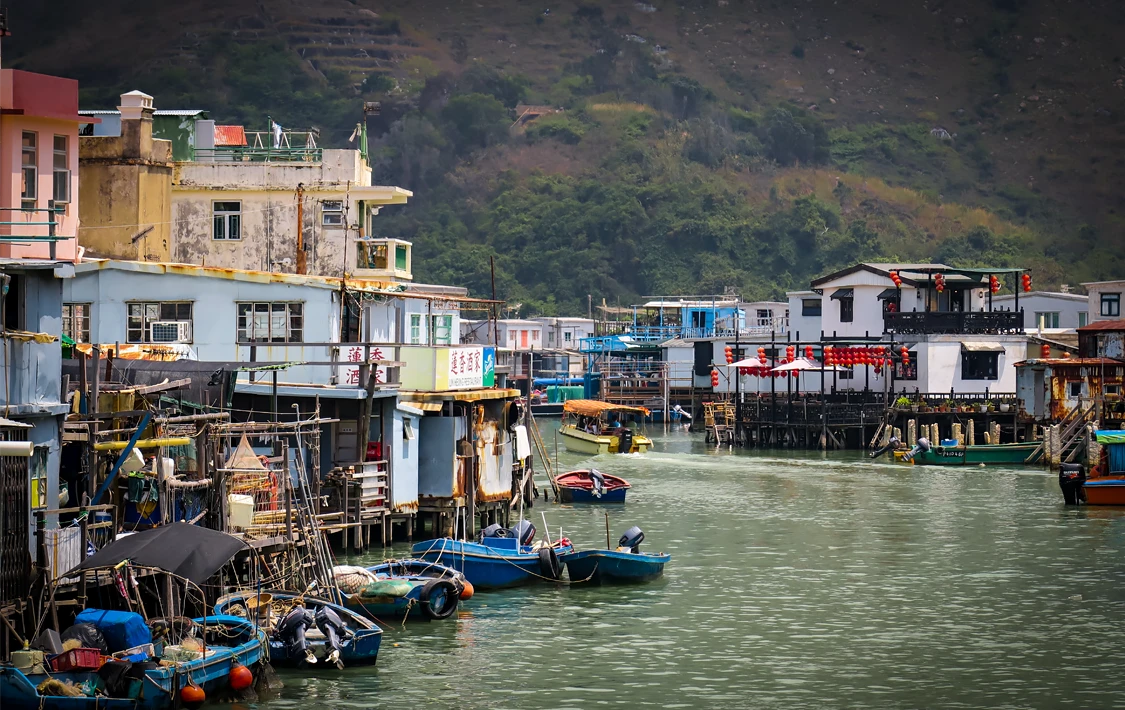

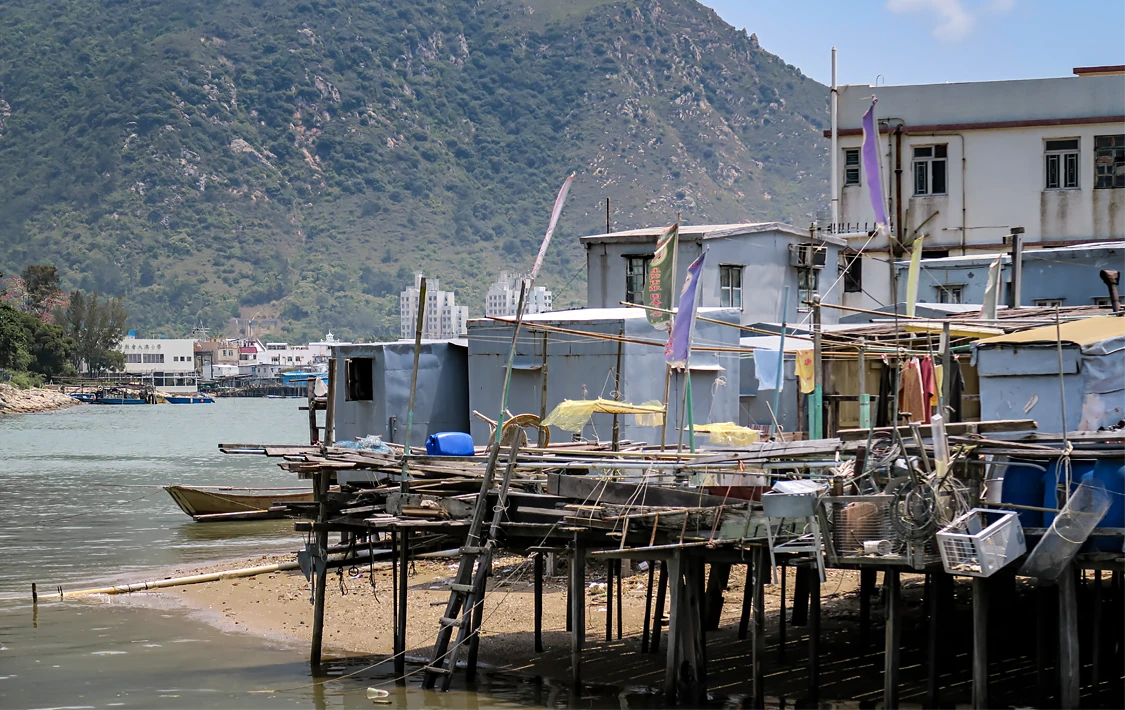
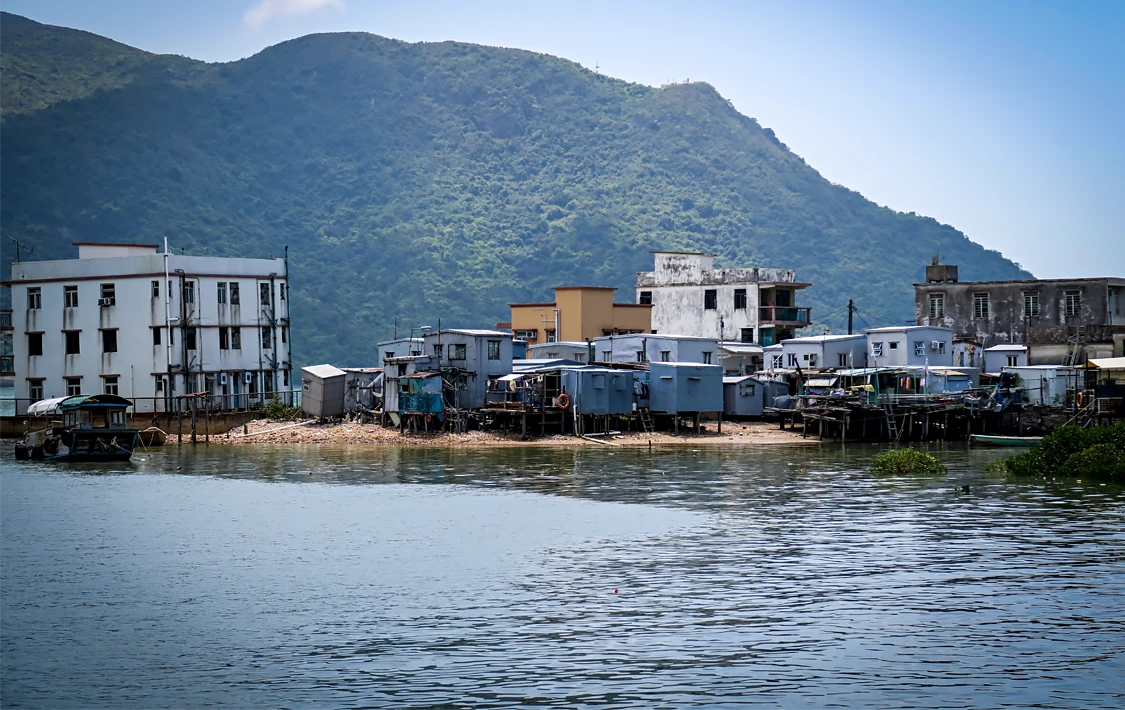
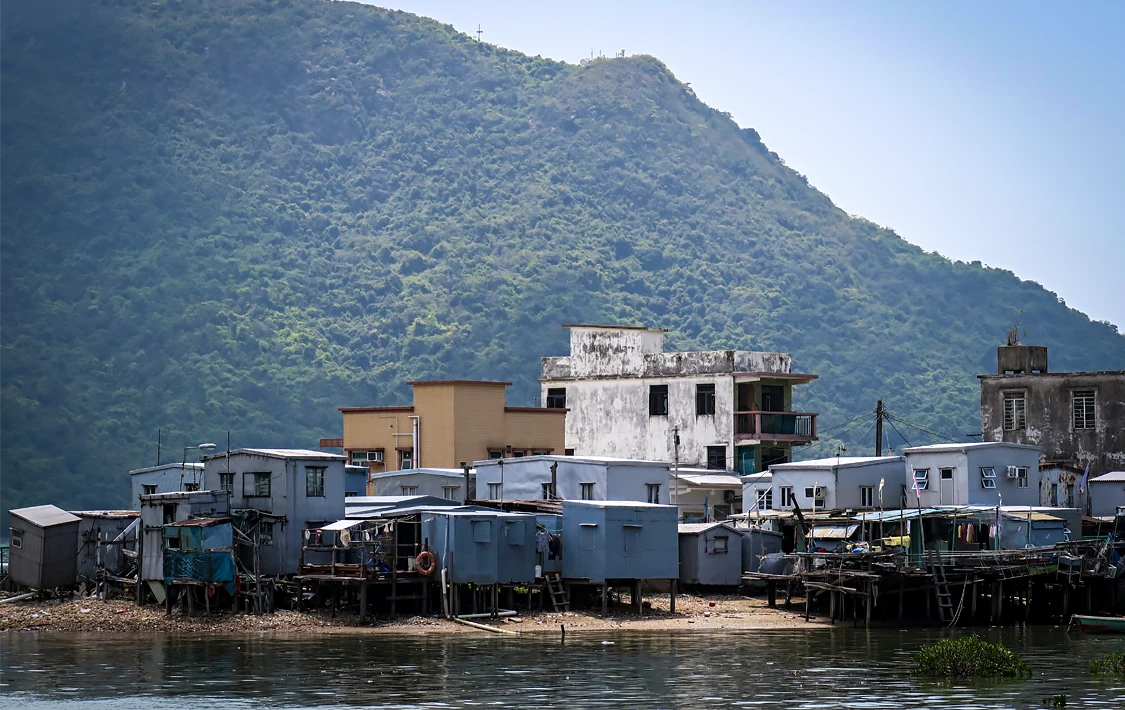

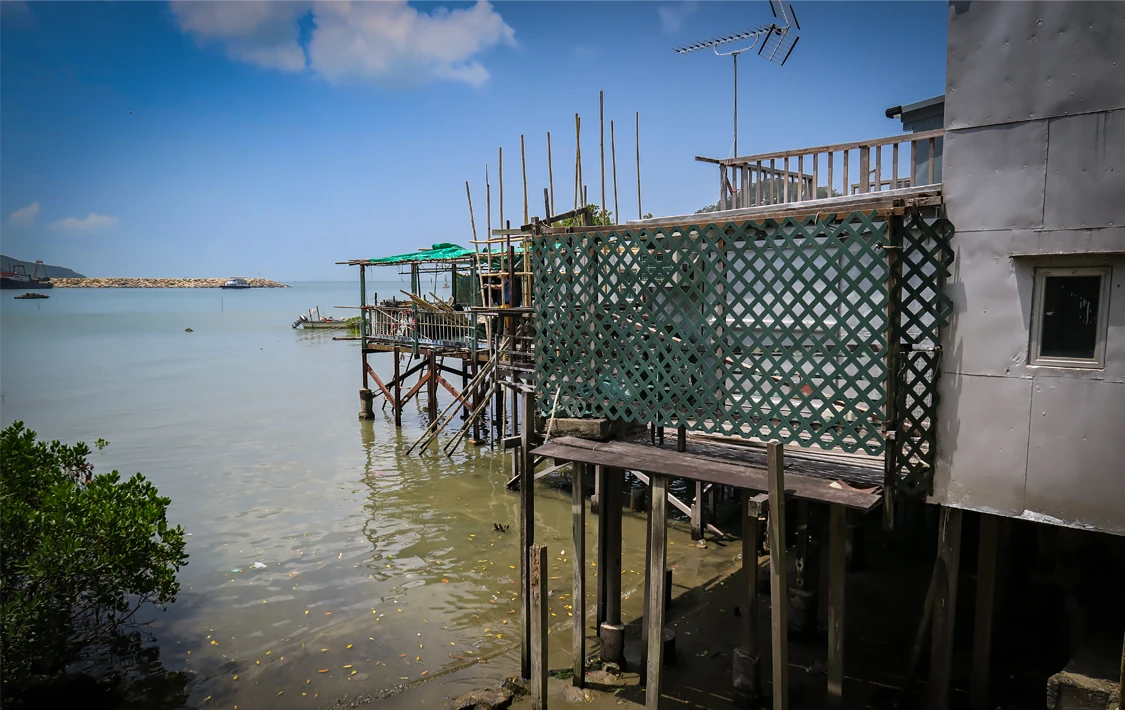


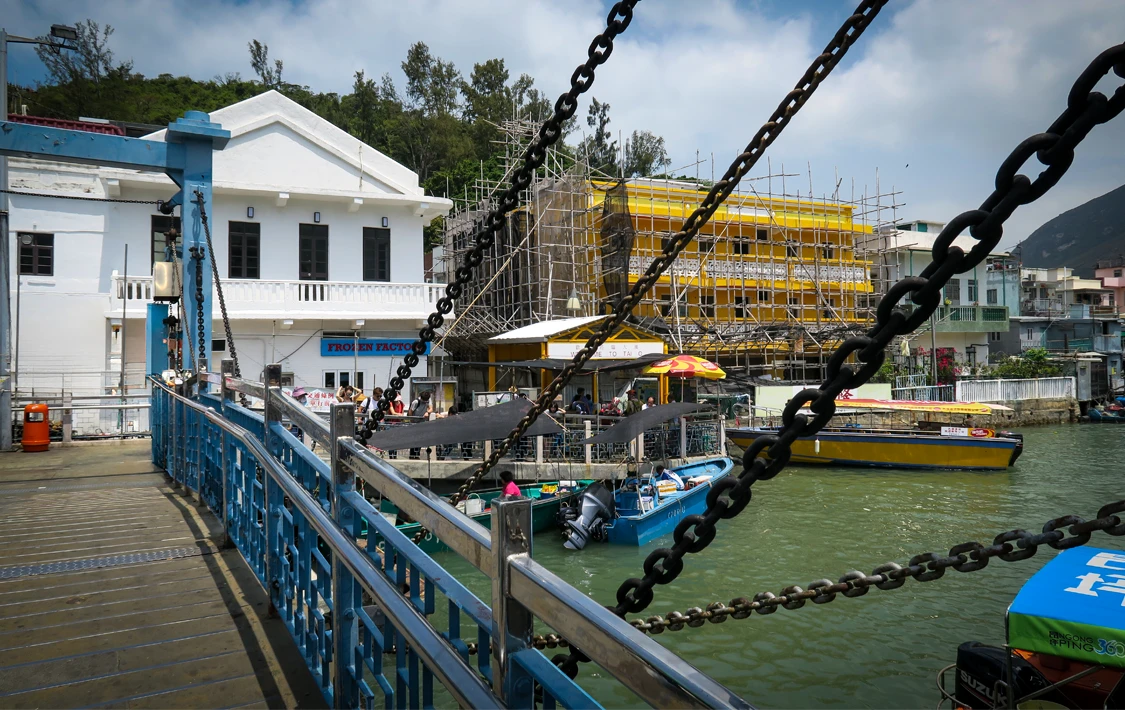
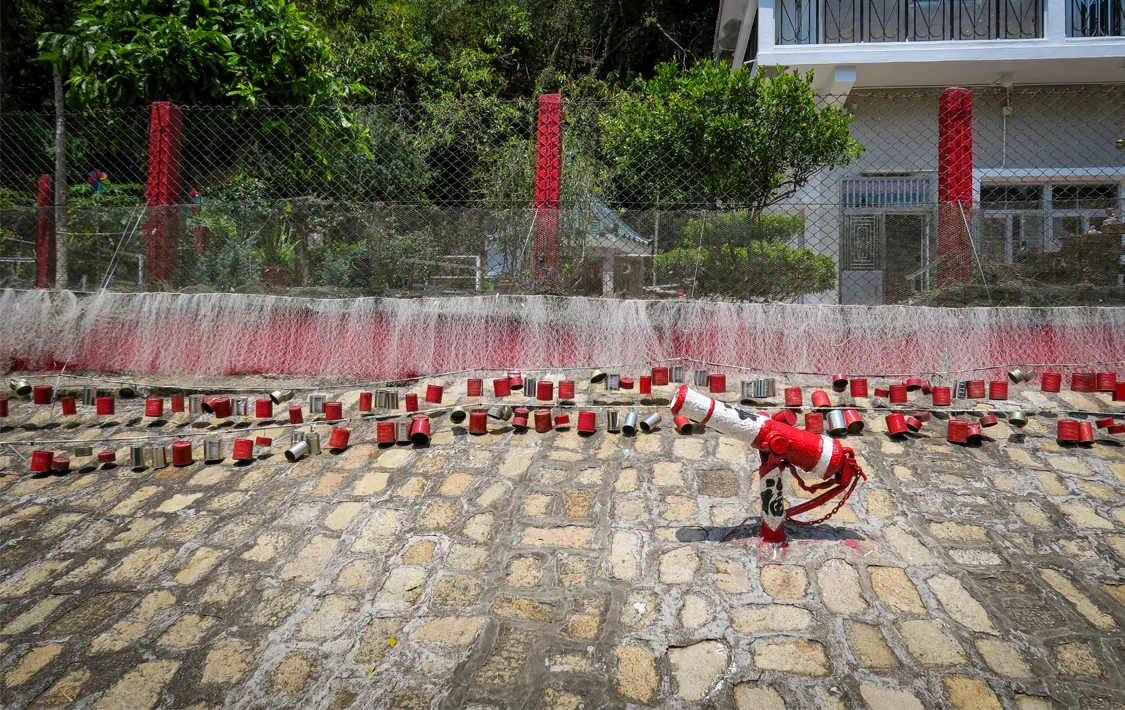
A visit to the fishing village of Tai O feels like stepping back in time. Located along the coast, the village offers a complete contrast to modern Hongkong life. While the city is defined by skyscrapers and concrete, the people of Tai O still live in traditional stilt houses built over the water. This unique architecture has earned Tai O the nickname “the Venice of Hongkong” – even if the comparison might be a bit of a stretch.
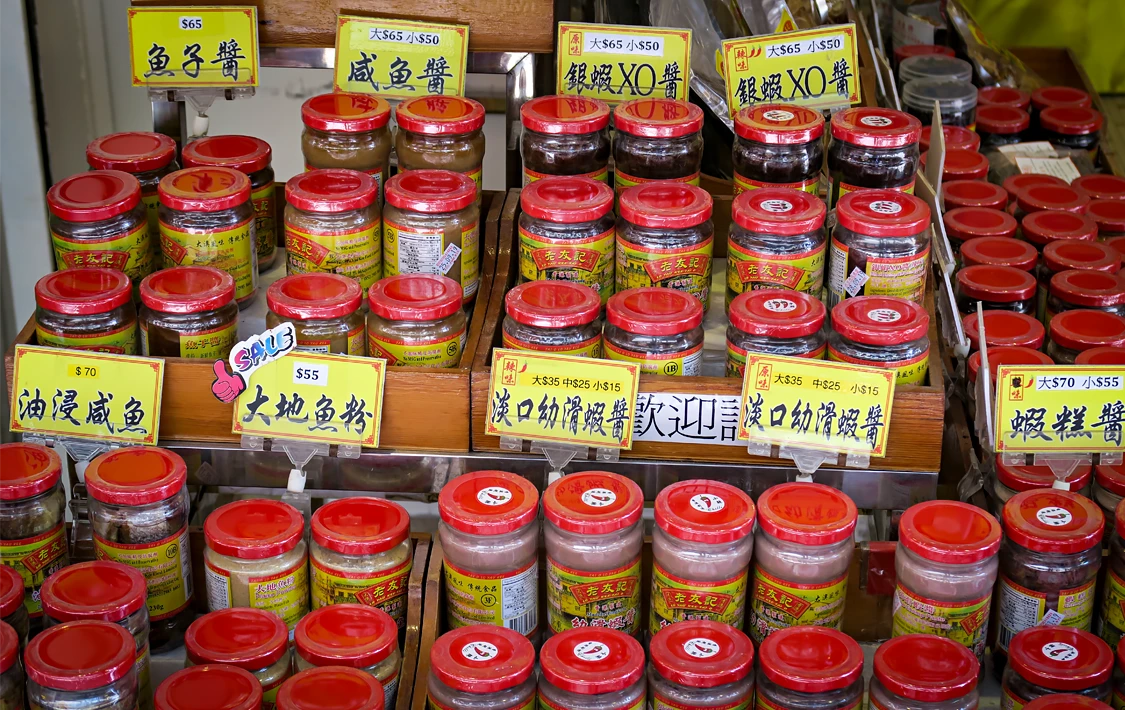
Once one of the most important fishing ports in China, Tai O still relies heavily on fishing today. The village is filled with small shops and markets offering a wide range of seafood products. It’s especially known for its dried salted fish, which you’ll see hanging throughout the village, filling the air with its distinctive smell. Another local speciality is shrimp paste, stored in large blue containers and widely used in Asian cuisine.
Highlights in Tai O:
As you explore the village, here are a few spots you shouldn’t miss:
- Tai O Chun Bridge: The village is divided into two parts by a narrow channel. Until 1996, a ferry operated here before being replaced by a drawbridge. The bridge can still be lifted for fishing boats and offers a great spot for photos.
- Tai O Promenade: Right next to the bus stop, you’ll find a small promenade with a pier. It’s a nice place for photos or to start your walk towards the Tai O Infinity Pool, which is a bit off the beaten path but worth a visit for many.
- Heritage Hotel: At the end of the waterfront, you’ll come across a former police station that has been converted into a hotel. From here, you can also reach Shek Tsai Pier, offering beautiful views over Tai O.
- Boat trip: Tai O is a great starting point for boat tours. These take you along the river and out into the open sea, where you might be lucky enough to spot the famous pink dolphins, known for their unique colour.
A trip to Tai O gives you a unique insight into traditional fishing village life and offers a refreshing contrast to the fast-paced city of Hongkong. It’s a place where history and culture are still very much alive.
Useful facts about Tai O
20. Explore Hongkong’s islands – Lantau, Cheung Chau and Lamma Island

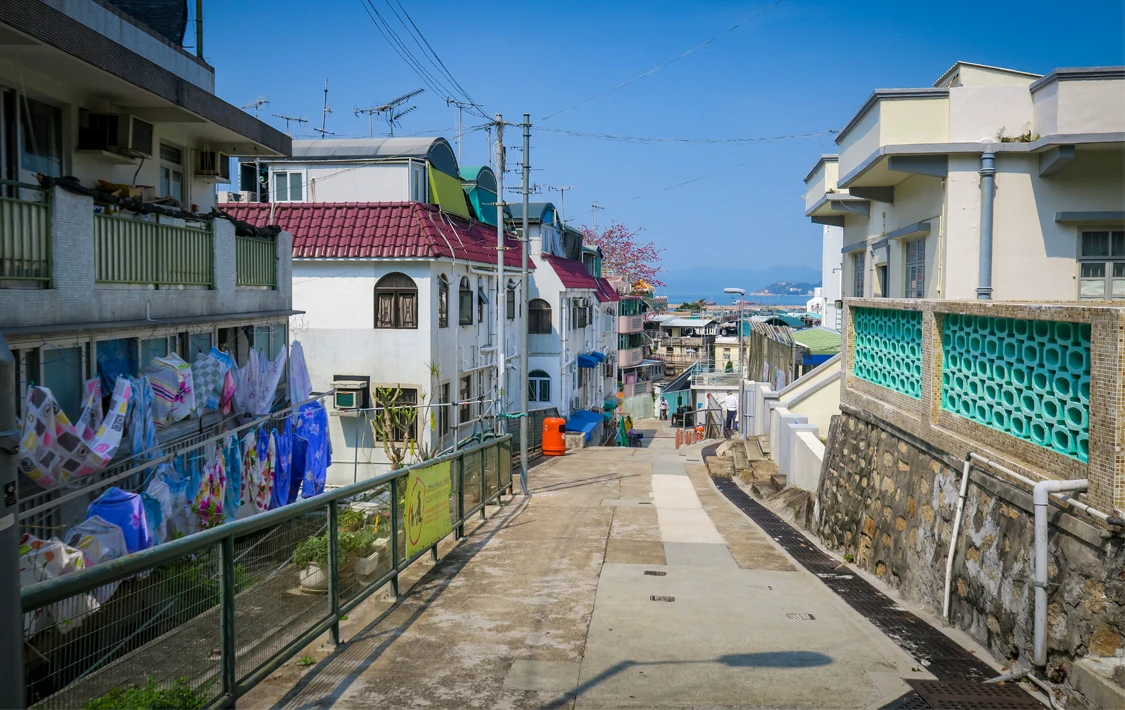


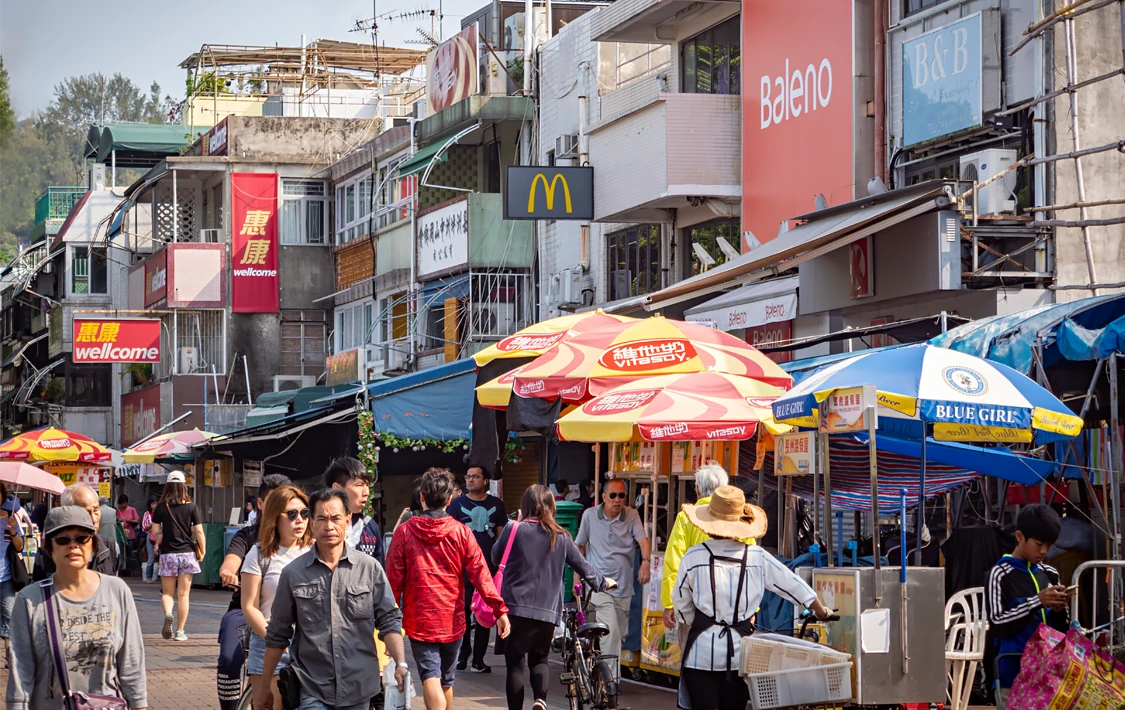
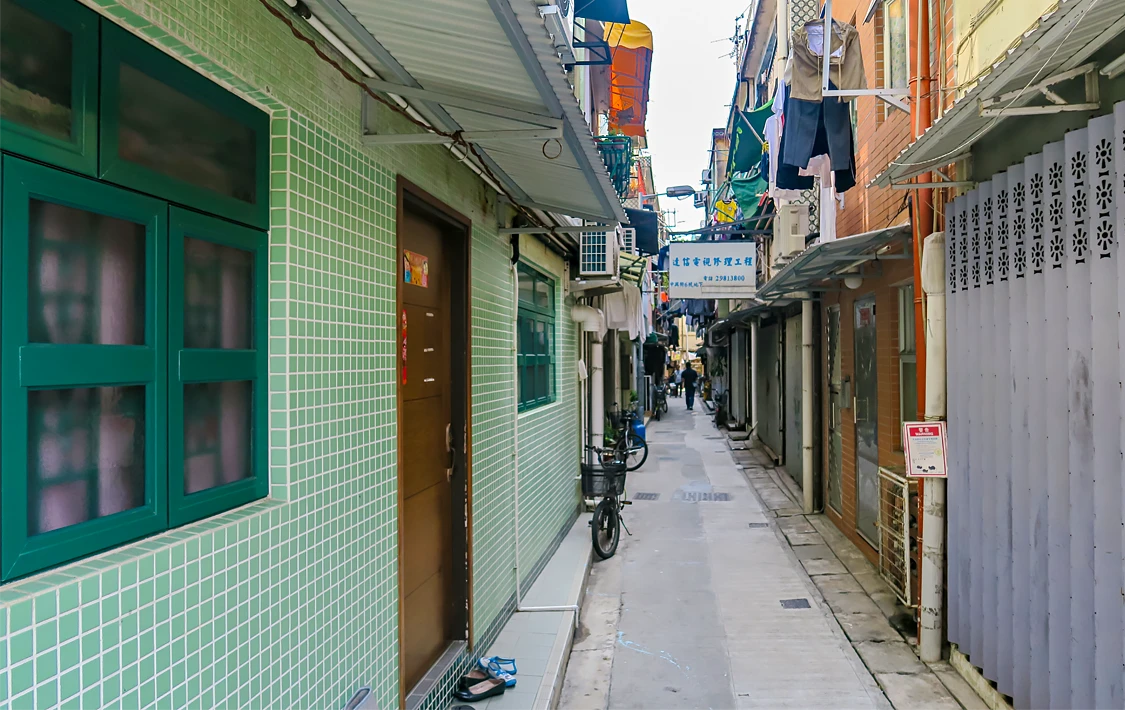
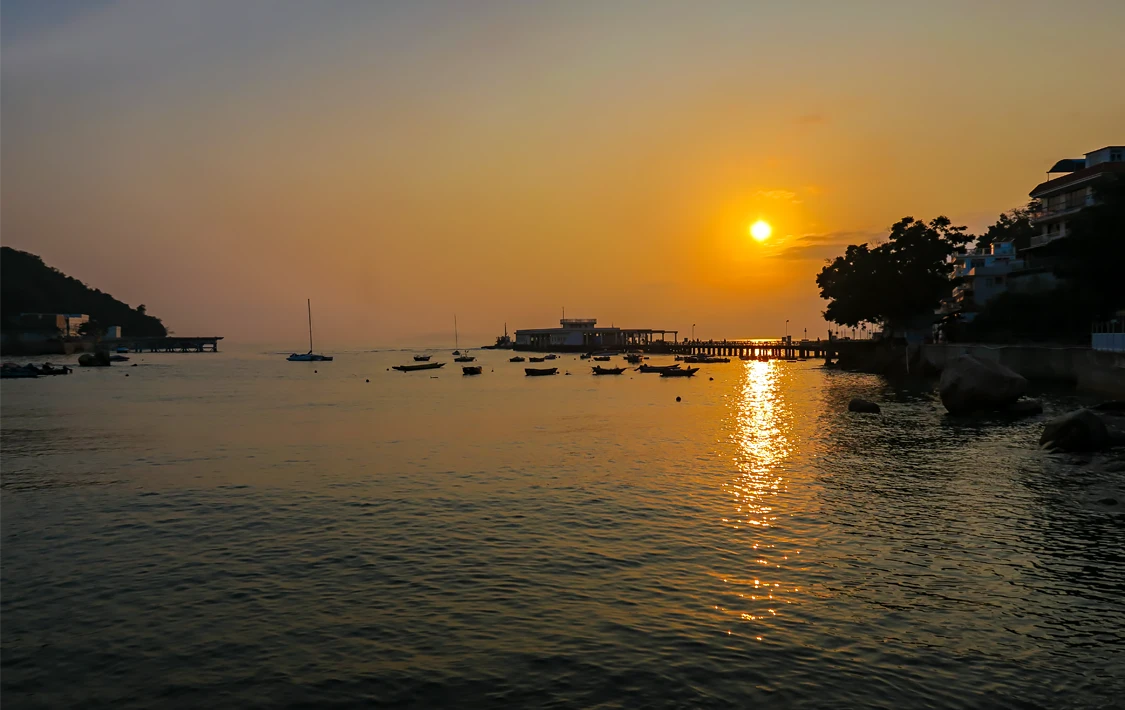
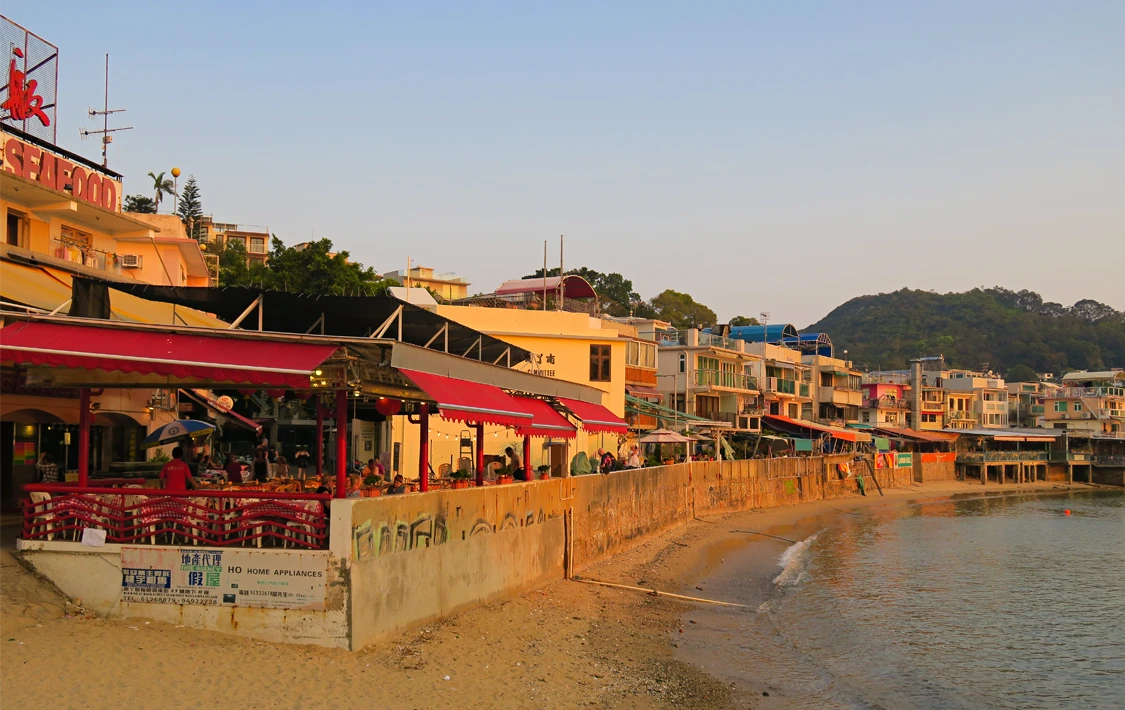
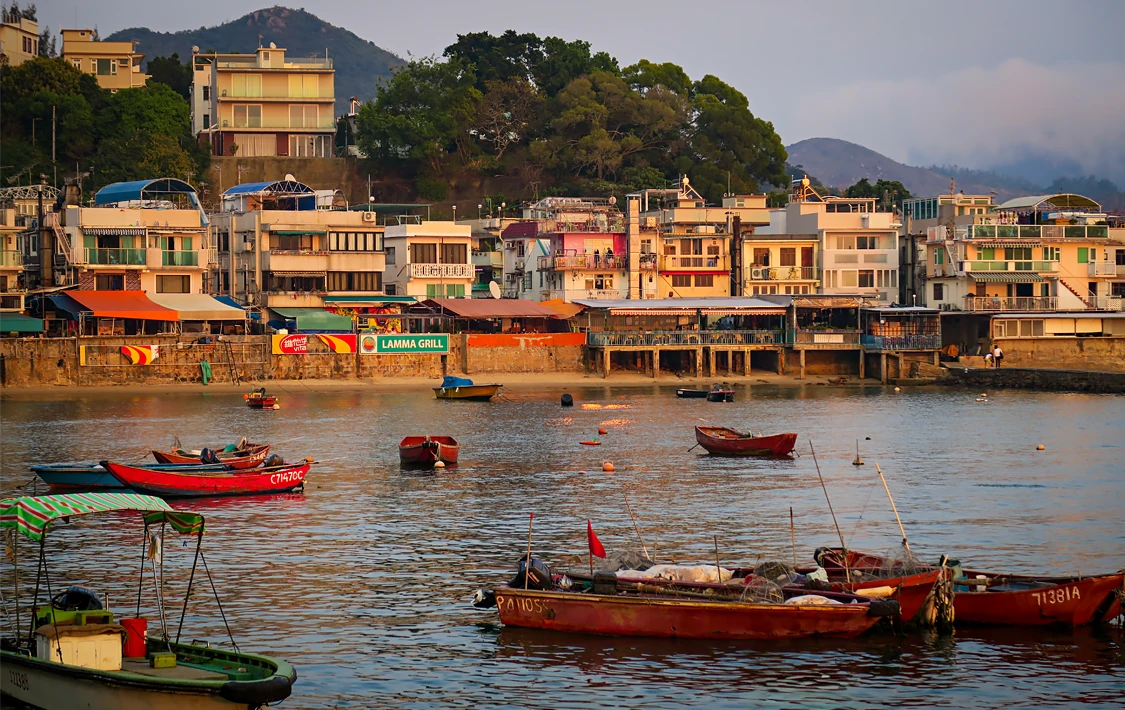

Have you fallen in love with Hongkong’s impressive skyline? Every great love needs a little break now and then to stay exciting. Why not visit one of the many islands around Hongkong and give your skyline romance a short pause – chances are, you’ll fall in love all over again when you return.
Hongkong is surrounded by more than 260 islands – quite a number, right? These islands offer the perfect escape from the hustle and bustle of city life. Lantau, Lamma, or Cheung Chau – each has its own atmosphere and unique sights.
Whether you’re looking for nature, relaxing on beautiful beaches, discovering temples, or even visiting Disneyland – Hongkong’s outlying islands have something for everyone.
Three islands you shouldn’t miss
- Lantau Island: Expect spectacular highlights like the Ngong Ping 360 Cable Car, taking you on a breathtaking ride over Tung Chung Bay and through lush green hills to the famous Big Buddha. Explore Ngong Ping Village, visit Po Lin Monastery, and enjoy fantastic views of the surrounding landscape.
- Cheung Chau Island: Known for its relaxed vibe and charming fishing villages, this island invites you to wander through narrow streets and enjoy local food. Discover scenic beaches and soak up the lively atmosphere of the village.
- Lamma Island: A perfect mix of nature and culture. Enjoy hikes along beautiful coastal trails, explore traditional villages, and experience the island’s laid-back lifestyle. A visit to Sok Kwu Wan and dinner at one of the many seafood restaurants should definitely be on your list.
You’ll find more details about the outlying islands in our dedicated travel guide.
Where to stay in Hongkong
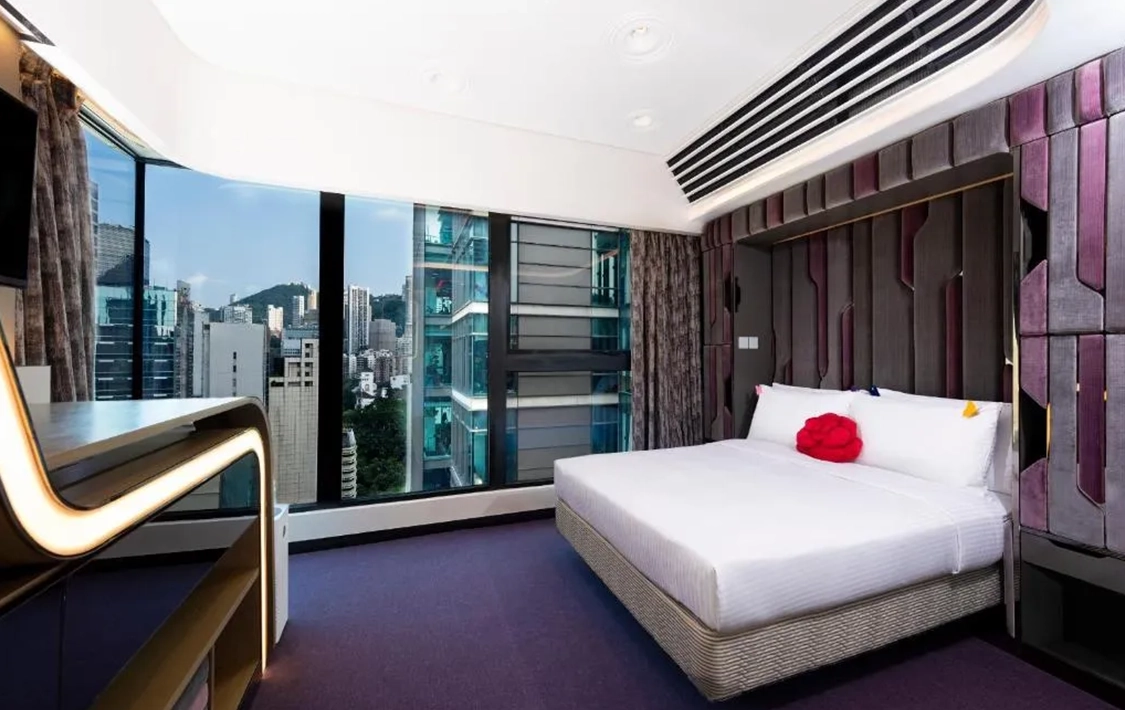
Where I stayed – Dorsett Mongkok (Kowloon)
Located in the heart of Kowloon, the Dorsett Hotel offers a convenient base for exploring Hongkong. You’ll find various shopping and dining options in the surrounding area.
The rooms are simple but functional, and the nearest MTR station (Olympic Station) is about a 10-minute walk away. Popular attractions such as the Ladies Market, Temple Street, Tsim Sha Tsui, and the Avenue of Stars can be reached by metro in around 15 to 20 minutes.
The Dorsett Mongkok is not as centrally located as some other hotels, but for Hongkong standards, it falls into the more affordable range. If you’re not in a rush and want to keep your budget under control, this could be a good option for your stay.
Where I stayed – Gloucester Luk Kwong Hotel (Hongkong Island)
On another visit, I stayed at the Gloucester Luk Kwong Hotel on Hongkong Island. The location is very central, with easy access to the MTR, making it a great base for exploring the city.
For Hongkong standards, the rooms are surprisingly spacious and offer good value for money. You’ll also find plenty of restaurants, shops, and nightlife options in the surrounding area.
If you’re looking for a centrally located hotel with relatively large rooms at a reasonable price, the Gloucester Luk Kwong is definitely worth considering.
The Salisbury – centrally located (Kowloon)
The Salisbury stands out with its excellent location in Kowloon, right by the Tsim Sha Tsui Promenade. You can reach the Avenue of Stars within just a 5-minute walk. Most rooms offer spectacular views of Victoria Harbour and Hongkong’s iconic skyline.
Many of Kowloon’s main attractions are right on your doorstep. Other sights, such as the markets in Mong Kok, can be reached by MTR in around 20 to 30 minutes. The nearest metro station is just around the corner and only a short walk away.
The hotel not only offers functional rooms but also features an indoor pool.
Compared to the Dorsett Hotel mentioned earlier, The Salisbury is priced slightly higher, but it also offers a much more central location. In my opinion, it provides great value for money and strikes a good balance between a prime location and an affordable stay. It’s definitely one of my top choices for my next trip to Hongkong.
Regent Hong Kong (Kowloon)
The Regent Hong Kong also impresses with its perfect location right on the Tsim Sha Tsui Promenade. Most of Kowloon’s main attractions are within walking distance and can be reached in just a few minutes. There’s also an MTR station nearby.
At the Regent, you can expect true five-star comfort, along with stunning views of Victoria Harbour and Hongkong’s impressive skyline. The hotel also features an outdoor pool and, for Hongkong standards, spacious rooms with excellent amenities.
However, a stay at the Regent is not for budget travellers. All Hotels in Kowloon here.
Butterfly on LKF Boutique Hotel (Hongkong Island – Central)
Hongkong Island is home not only to many of the city’s top attractions, but also to its iconic skyline and dense forest of skyscrapers. This is where you’ll find international corporations – and those who can afford to live here are certainly at the top end of Hongkong’s price range. As a result, the Central district is one of the most expensive areas in the city, and accommodation here reflects that.
A centrally located option that still offers good value for money is the Butterfly on LKF Boutique Hotel. The hotel is within walking distance of major sights such as Lan Kwai Fong, the Mid-Levels Escalator, and Hong Kong Park.
The Peak Tram, which takes you up to Victoria Peak with its incredible skyline views, is also just a short distance away.
Hotel Madera Hollywood (Hongkong Island – Central)
Hotel Madera Hollywood is located in the vibrant Central district on Hongkong Island and is perfect if you want to be right in the middle of the action. Thanks to its central location, you can quickly reach many of the city’s main attractions, as well as trendy restaurants and bars.
The spacious suites offer a charming mix of modern comfort and retro design. The hotel also features a fitness centre, so you can stay active during your trip.
Wharney Hotel (Stadtteil Hongkong Island – Wan Chai)
Das Wharney Hotel befindet sich im lebendigen Wan Chai-Viertel, einem idealen Ausgangspunkt, um Hongkong zu erkunden. Von hier aus erreichst du schnell das Nachtleben, Restaurants und Einkaufsmöglichkeiten. Die Zimmer sind komfortabel und bieten alles, was du für einen angenehmen Aufenthalt brauchst. Besonders erwähnenswert ist der Aussenpool, der an heissen Tagen für eine willkommene Abkühlung sorgt, sowie die Sauna, die nach einem langen Tag Entspannung bietet.
Holiday Inn Express Hong Kong (Hongkong Island – Causeway Bay)
Holiday Inn Express in Causeway Bay offers a central location at a fair price. Situated right next to Times Square, it’s perfect for convenient shopping.
The rooms are simple and comfortable, and the included breakfast makes for an easy start to the day. The location is especially practical if you want quick access to the city centre or explore the lively surroundings.
Getting around – how to explore Hongkong’s sights
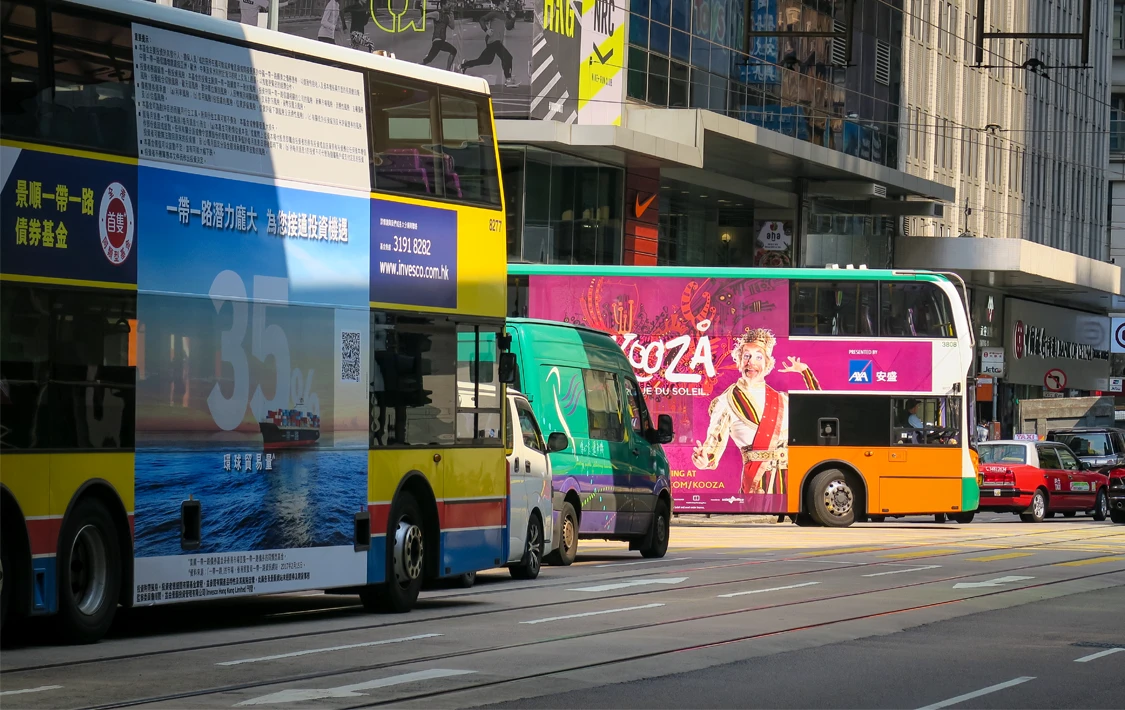
Getting around Hongkong is easy and very convenient. Whether by bus, MTR, or ferry, you can reach all major attractions and districts using the excellent public transport system. Taxis are also widely available, but they are significantly more expensive, and drivers often speak limited English.
Octopus Card
I highly recommend getting an Octopus Card (stored-value card). With a single card, you can use ferries, buses, and the MTR without any hassle.
One of the biggest advantages is that you don’t have to worry about carrying small change. It also saves you from queuing at ticket counters or machines. The Octopus Card is even accepted as a payment method in some shops, such as 7-Eleven.
Ideal length of stay to explore Hongkong’s attractions
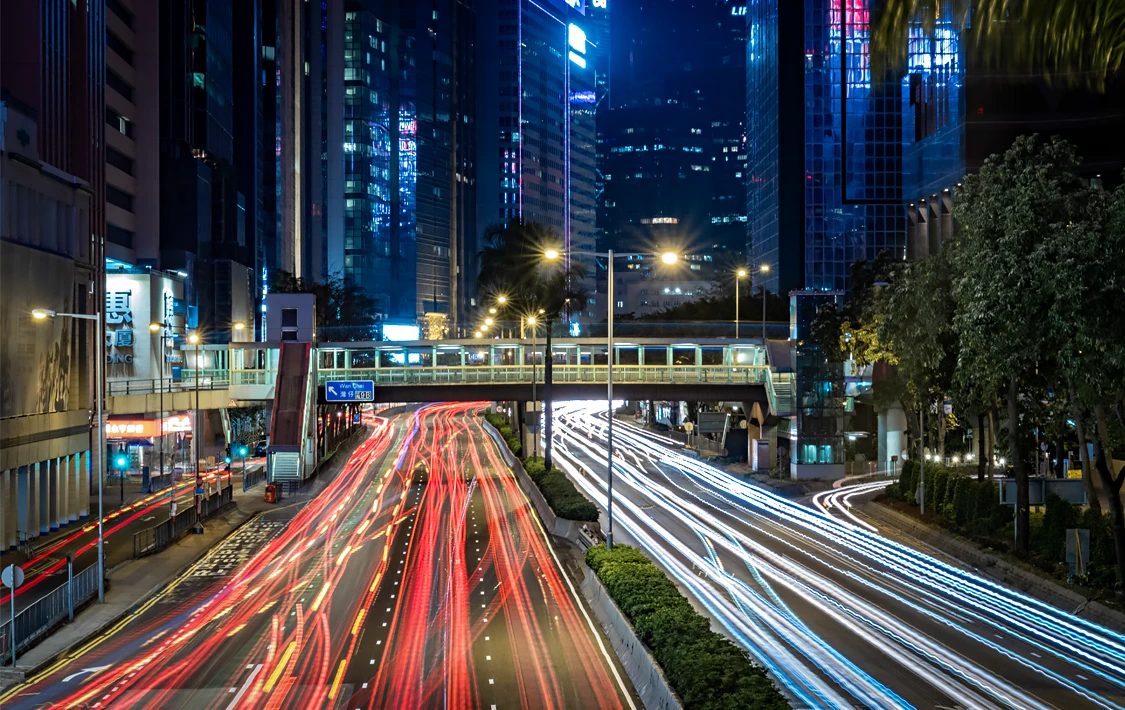
This largely depends on what you want to see and your budget. Hongkong is an expensive city, and your trip definitely won’t be a bargain – it’s something to keep in mind.
Personally, I consider three days in Hongkong the absolute minimum. Within that time, you should be able to cover the main highlights such as Victoria Peak, Victoria Harbour, Mong Kok, and a tram ride.
There’s really no upper limit – you could easily spend two weeks in Hongkong, if not longer. The city is incredibly diverse, and it’s unlikely you’ll ever get bored. Whether it’s exploring the skyline, shopping, nightlife, hiking, visiting the islands, or relaxing at the beach – Hongkong has it all.
Best time to visit Hongkong’s attractions
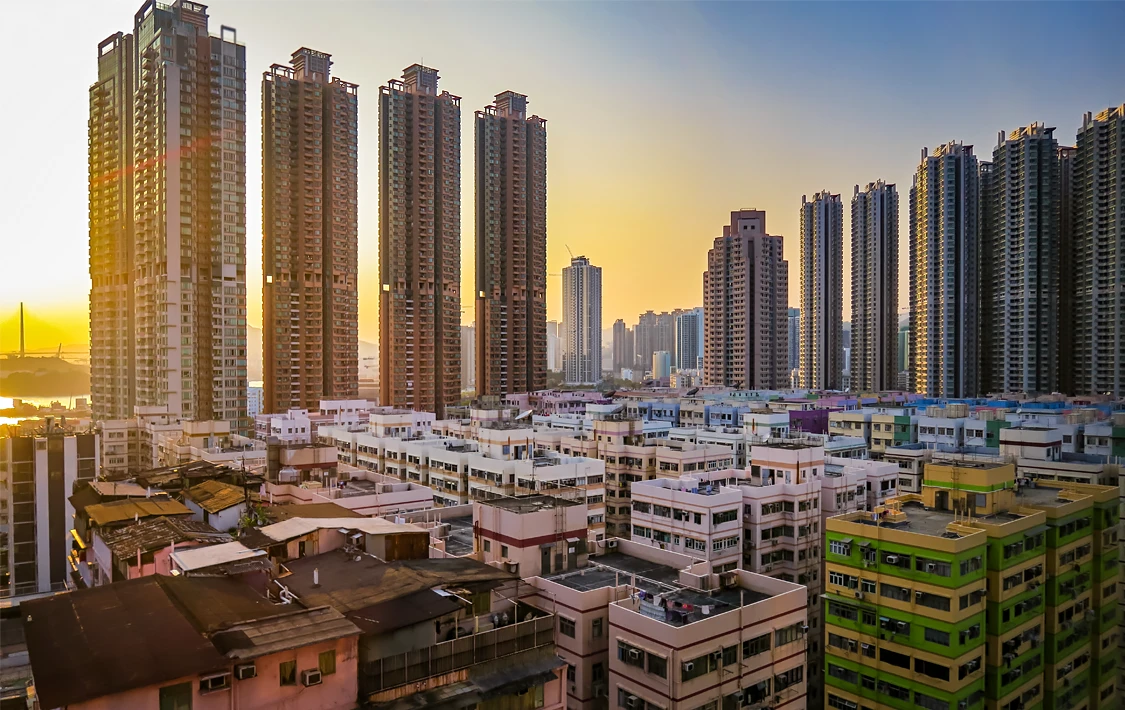
The best time to visit Hongkong is during the European autumn, winter, and spring. In summer, heavy rainfall and typhoons can occur.
In general, the ideal travel period is between September and April. During these months, the weather is usually more stable, with less frequent rain. Temperatures and humidity are also much more comfortable compared to the European summer.
Final thoughts on Hongkong’s attractions
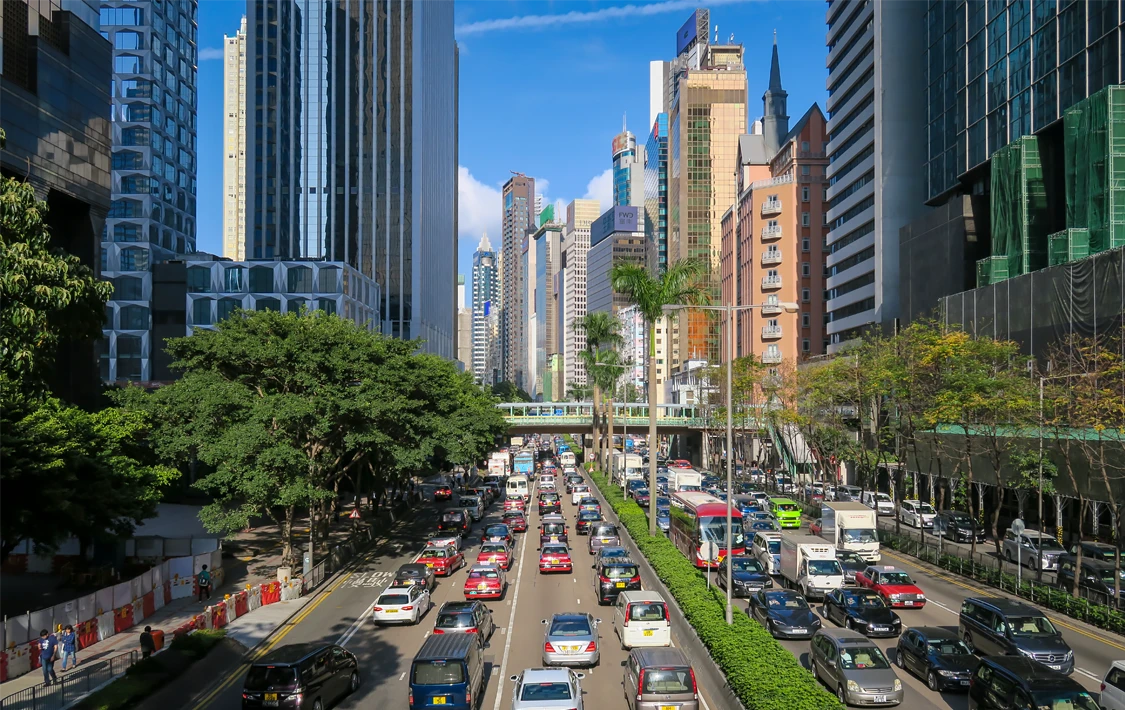
“Andi, do you feel like visiting Hongkong with us?” It didn’t take me a second to answer that question from two friends with a clear yes. Hongkong had been on my bucket list for a long time, and now that dream was finally coming true.
Both of them know the city like the back of their hand – what could be better than exploring a place with locals? They told me about Hongkong’s uniqueness, the endless sightseeing opportunities, and the adventures waiting around every corner. My trip was originally planned for one week, but the city quickly cast its spell on me – in the end, I stayed for two.
Hongkong truly has so much to offer and reveals its diversity in so many ways. Whether it’s relaxing at the beach, admiring the skyline from the Tsim Sha Tsui Promenade or Victoria Peak, shopping in Mong Kok, hiking on the outlying islands, visiting theme parks, or taking a spectacular cable car ride to the Big Buddha – attractions in Hongkong are anything but rare.
I was completely fascinated by this vibrant metropolis and will definitely be back.
At this point, a big thank you to Gilbert and Sandro for an unforgettable time!
Do you have any questions about this travel guide or Hongkong’s attractions?
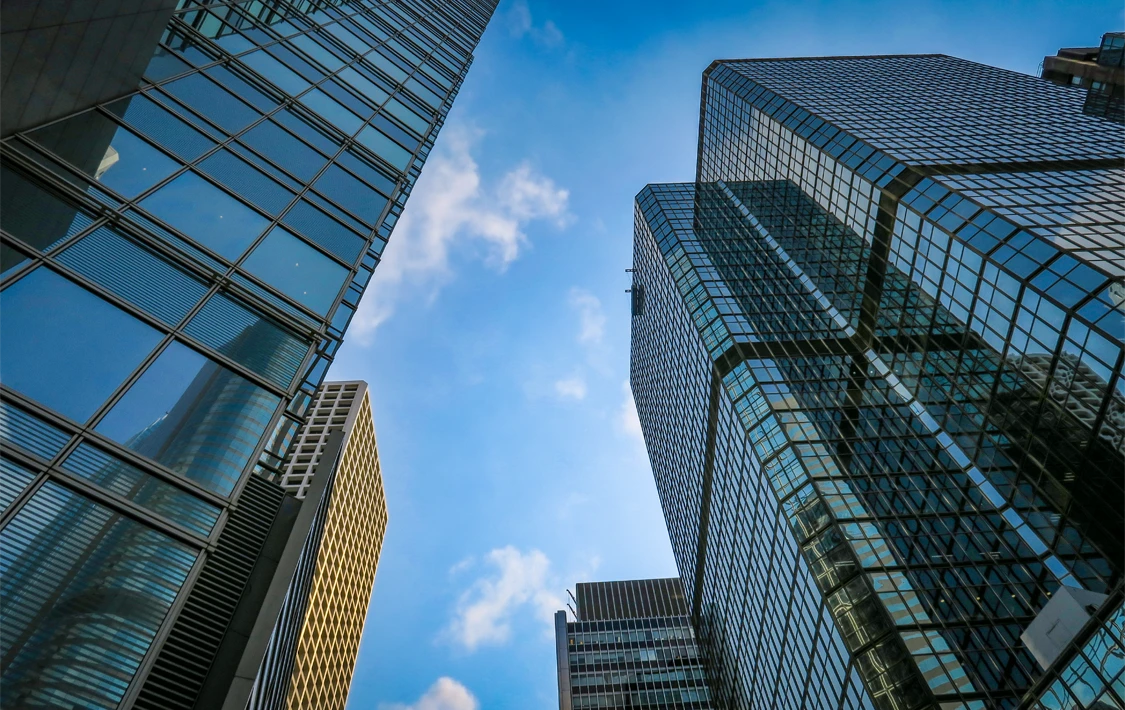
Are you planning a trip to Hongkong or have you already been there? How did you like this Chinese metropolis? I’d love to hear your thoughts – feel free to leave a comment!
If you have any questions that this travel guide didn’t answer, just drop them in the comments as well.
*Affiliate disclosure:
Please note that this website contains affiliate links. This means we may earn a small commission if you purchase products or services through these links. Using these links does not affect the price you pay, but it helps us maintain this website and continue providing high-quality content.