
 Hi, I’m Andy
Traveler and photographer.
I don’t travel just to see places. I travel because I want to know if there’s more than just everyday life. More about me
Georgetown Penang Attractions – Discover the Colourful Highlights of the UNESCO World Heritage City
Georgetown on Penang Island is home to one of the best-preserved historical city centres in Asia. The multicultural city has been shaped by strong influences from India, China, the Middle East, and Europe, making Georgetown a vibrant reflection of Asia’s multicultural heritage and European colonial history.
As you explore Georgetown, you’ll encounter beautiful and colourful architecture that defines the entire cityscape. The city offers an incredible wealth of history, diverse cultures, and is famous for its exceptional street food scene. In fact, Georgetown is often referred to as Malaysia’s food capital. For food lovers, there are sightseeing tours combining the city’s top attractions with some of the best street food spots, which you can find online*.
The attractions in Georgetown, Penang are diverse and absolutely worth exploring. In fact, the entire old town itself feels like one giant attraction. It’s therefore no surprise that Georgetown has been recognised as a UNESCO World Heritage Site since 2008.
Beyond its historic buildings, Georgetown is internationally known for its creative street art, attracting visitors from all over the world.
If you prefer exploring Georgetown’s attractions as part of a guided tour, you’ll find several organised tour options online*.
Not in the mood to read? Then take a look at our photo gallery of Georgetown instead.
What to Expect in This Georgetown Penang Travel Guide:
1. Kek Lok Si Temple – The Largest Buddhist Temple in Malaysia
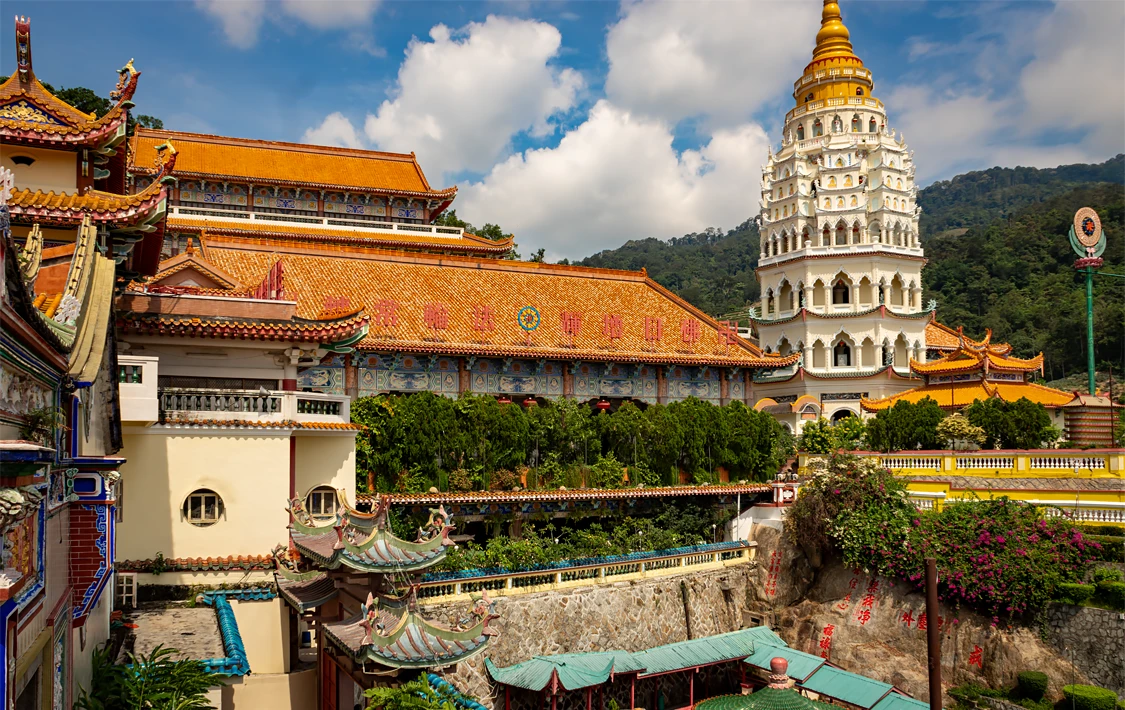
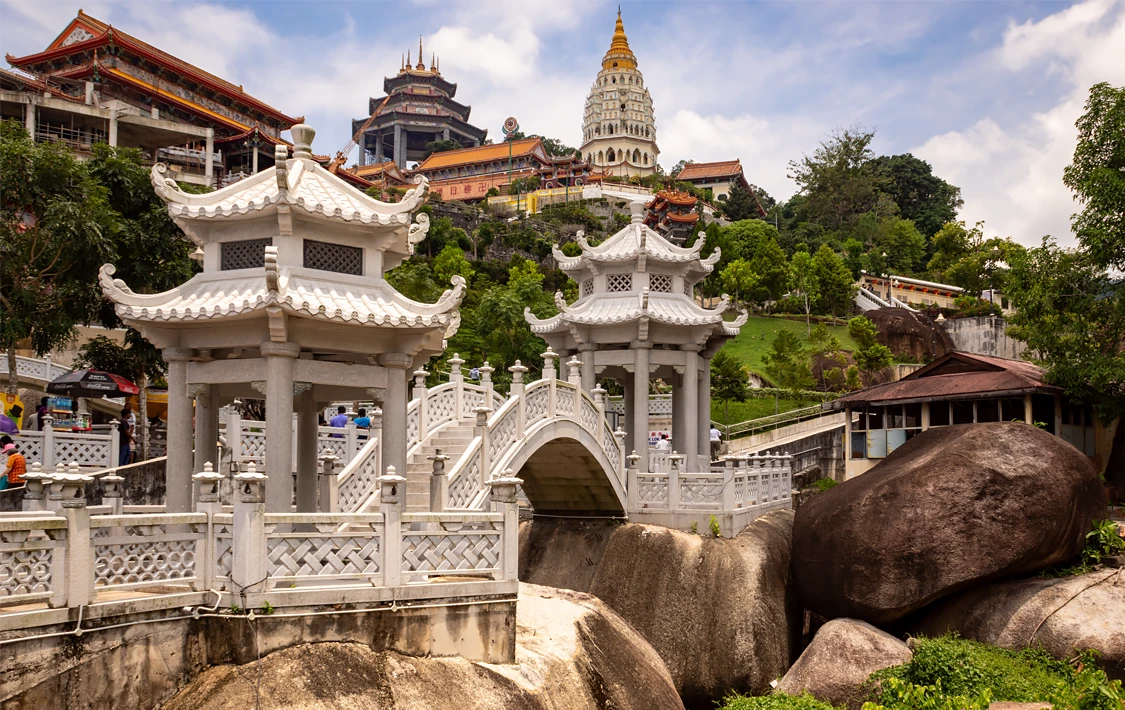
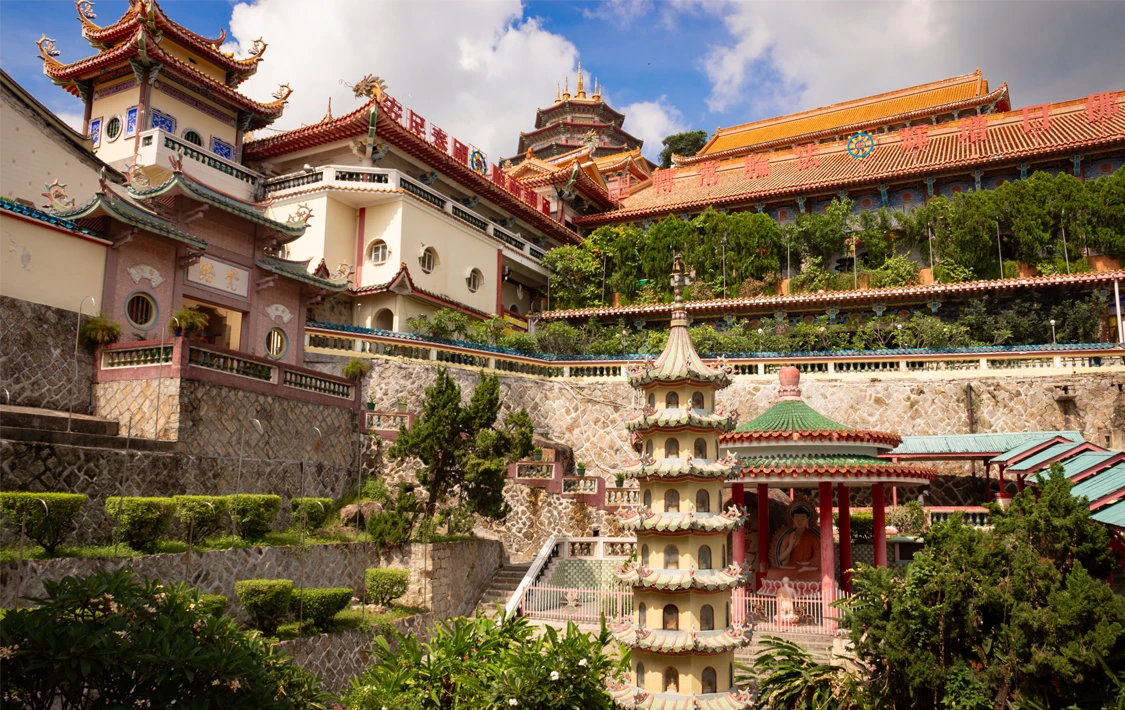
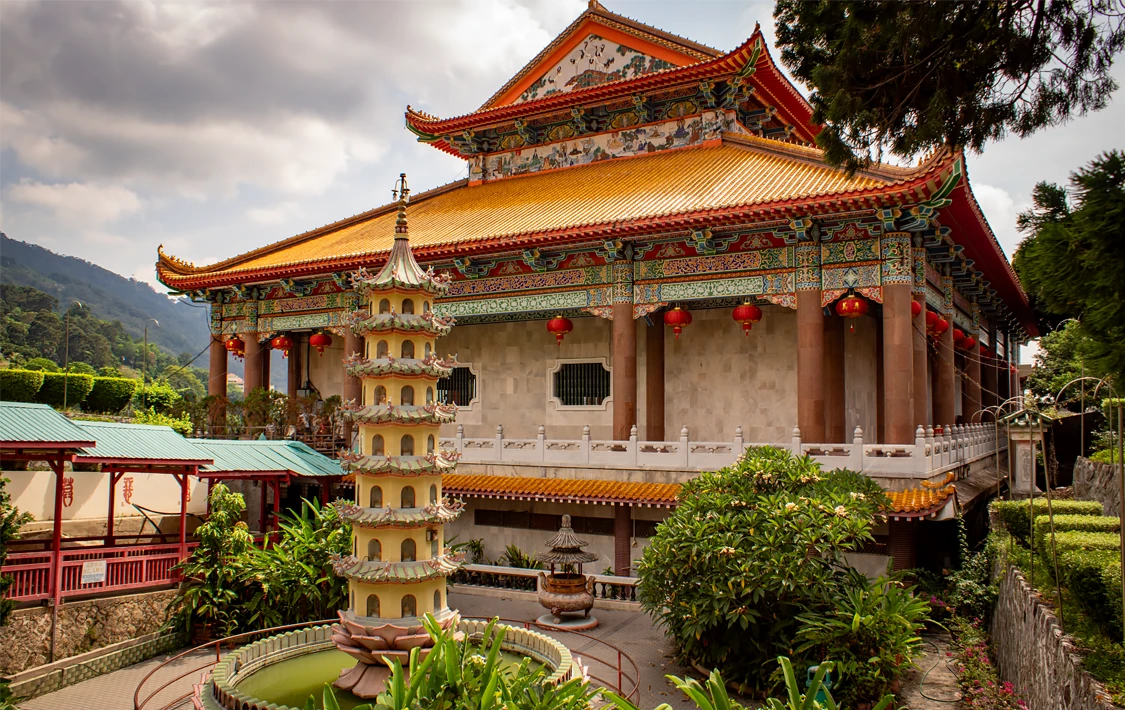


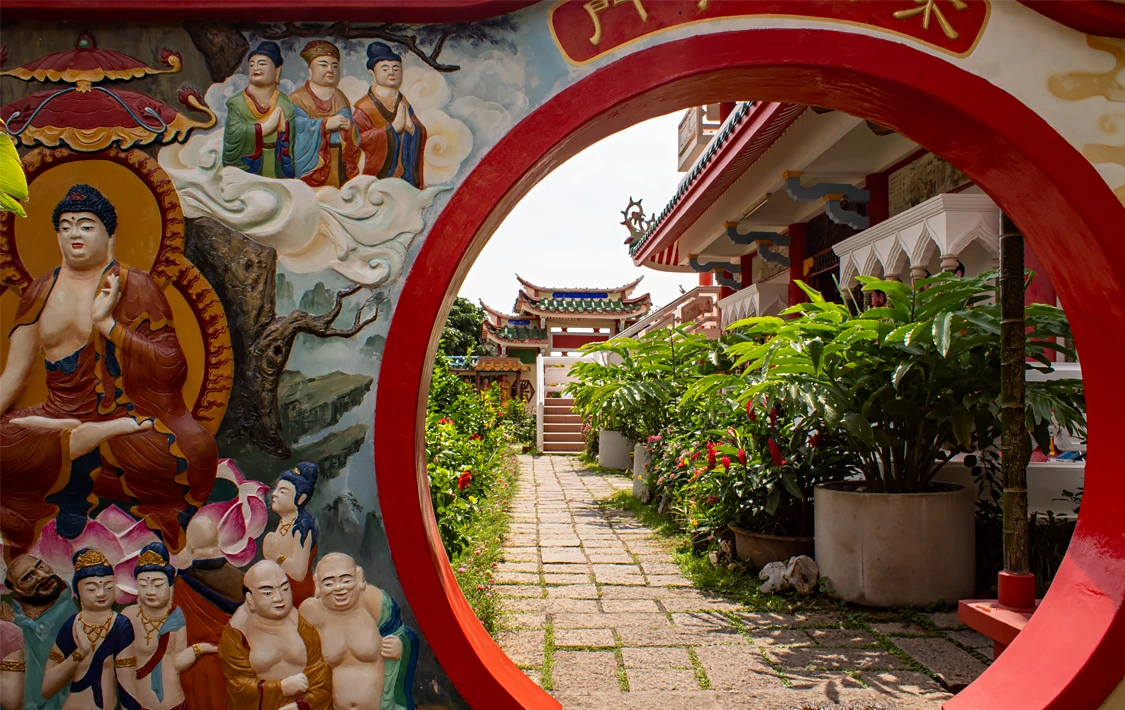
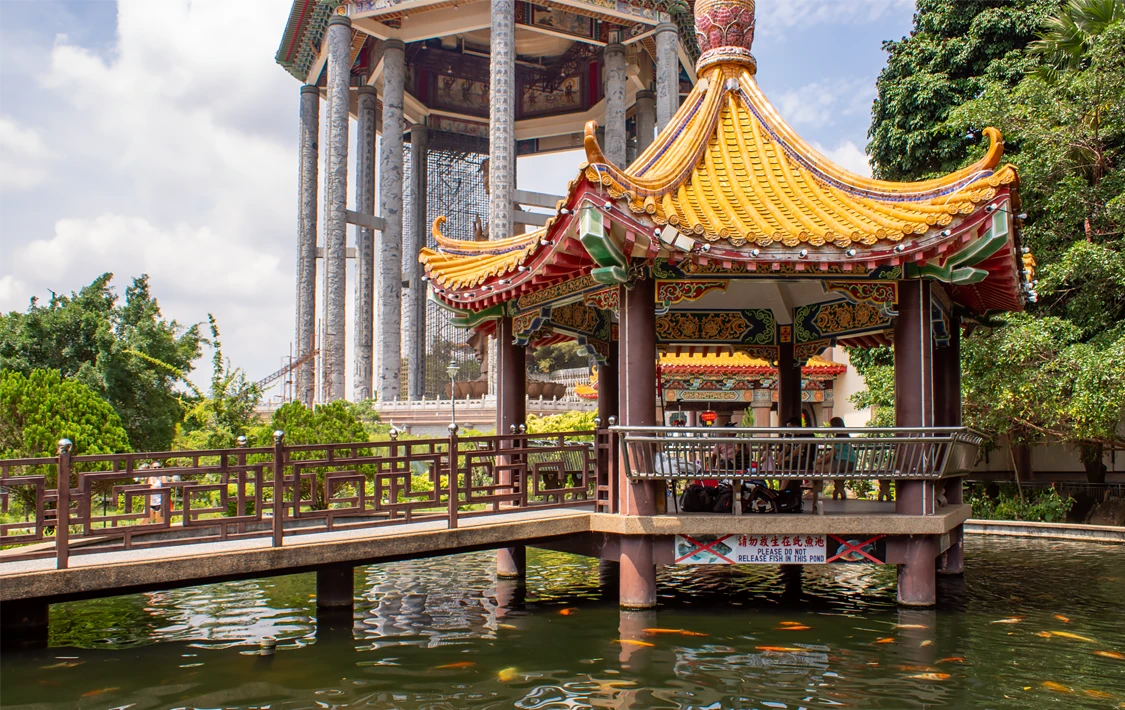


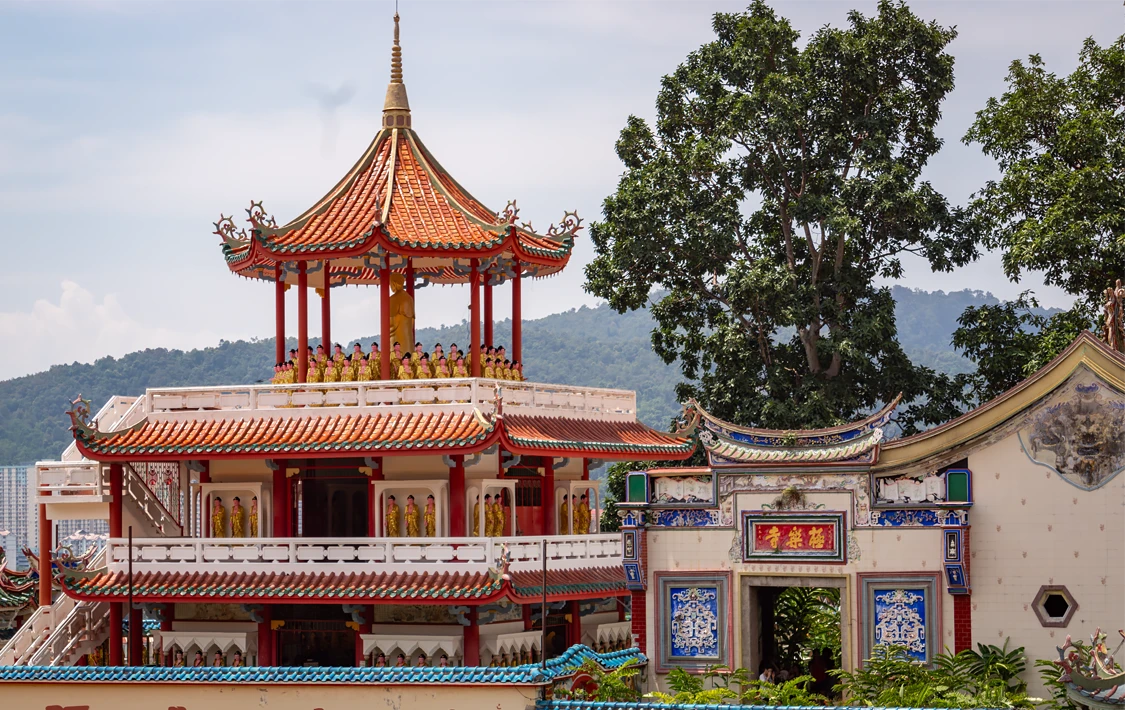

Construction of the Kek Lok Si Temple began in 1890 and the complex has been repeatedly expanded and renovated over the years. Covering an area of approximately 12.1 hectares, Kek Lok Si is the largest Buddhist temple in Malaysia. Built on a hillside, the temple extends across three different levels, making it one of the top attractions in Georgetown, Penang.
The First Level
At the lowest level, you’ll find a large parking area and the main entrance to the temple complex. Around this section are several small markets selling souvenirs and drinks, as well as a restaurant.
You’ll also come across religious statues, decorative figures, and rock formations surrounding a small lake, which can be explored via picturesque bridges.
The Second Level
The middle level features temples, prayer halls, and beautifully maintained gardens filled with statues, alongside fantastic views over Georgetown.
The main highlight here is the famous Pagoda of 10,000 Buddhas, a seven-storey tower built in different architectural styles. The base reflects Chinese architecture, the middle section Thai influences, and the top Burmese design.
As the name suggests, the pagoda contains 10,000 Buddha statues. You can explore all seven floors for a small entrance fee of RM 2 (around €0.50). The views over the temple complex and Georgetown from the pagoda are absolutely spectacular.
The Third Level
The highest part of the temple complex can be reached via a small funicular railway, costing RM 3 (around €0.70) per direction. A one-way ticket is usually enough, as you can comfortably walk back down to the lower levels in around 20 minutes.
At the highest point of the hill, you’ll encounter the second major highlight of Kek Lok Si Temple: the famous 30-metre-high Kuan Yin statue, alongside additional temples, souvenir shops, and statues.
The surrounding gardens offer peaceful spots to relax, including a koi pond, where you can take a break and enjoy the atmosphere of the temple complex. You’ll also find 12 animal statues representing the Chinese zodiac signs throughout the garden.
Useful Information About Kek Lok Si Temple
2. Street Art in Georgetown – The Open-Air Gallery & One of the City’s Main Attractions
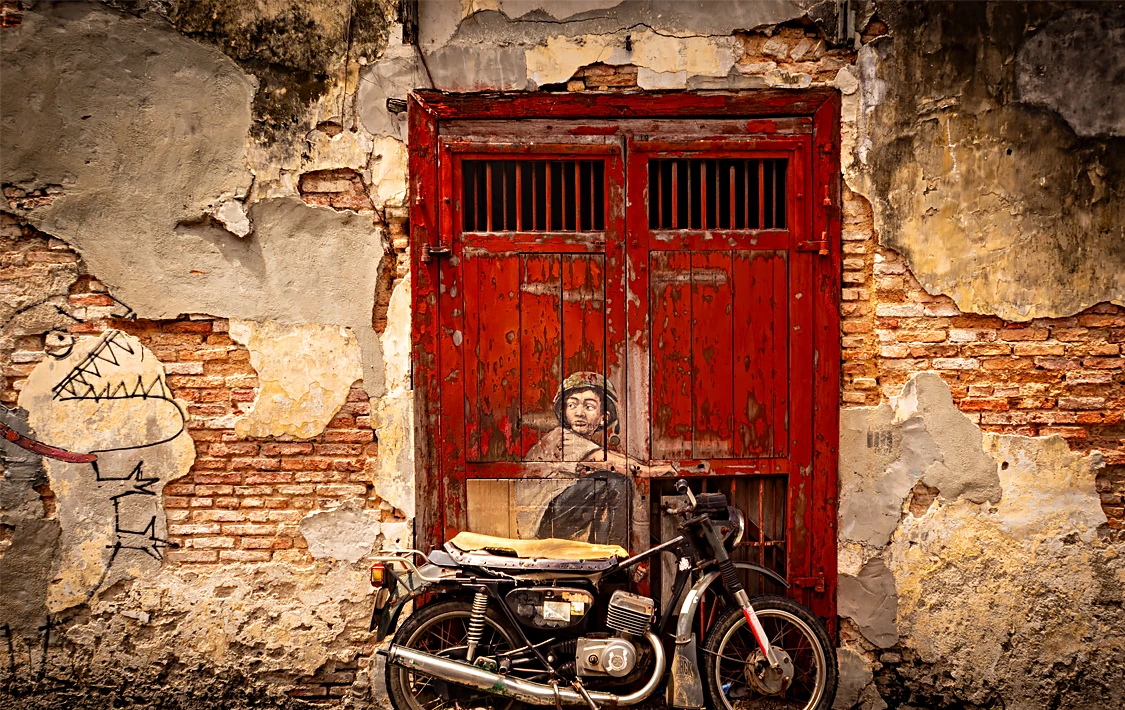
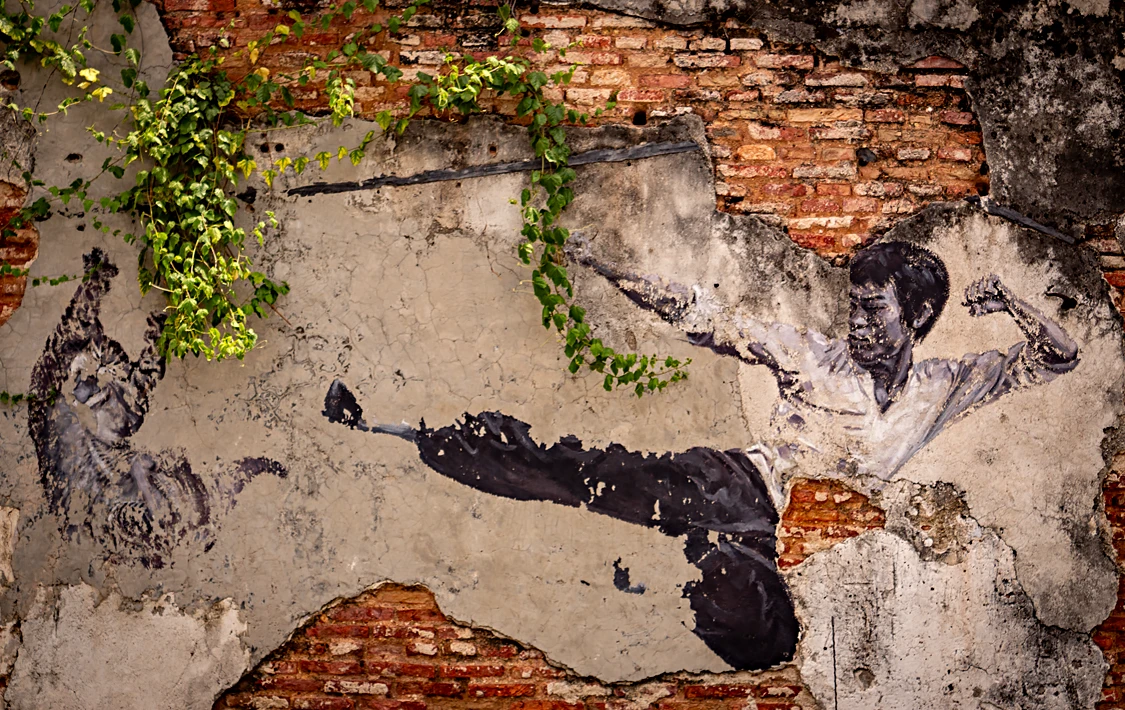

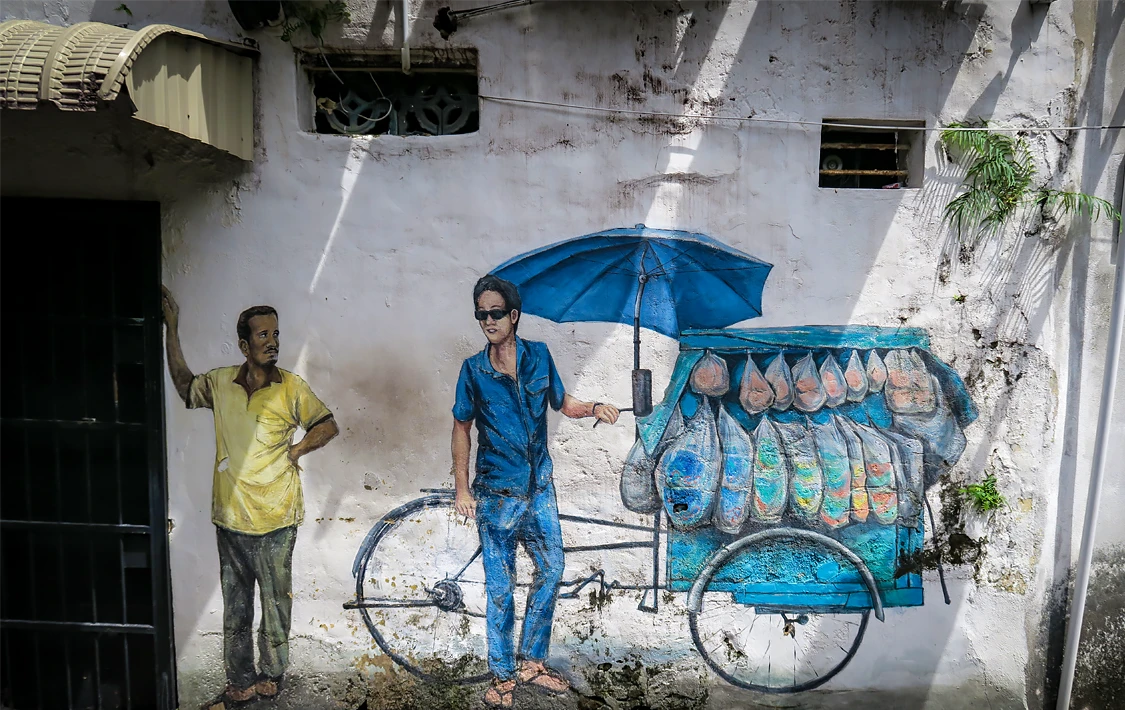
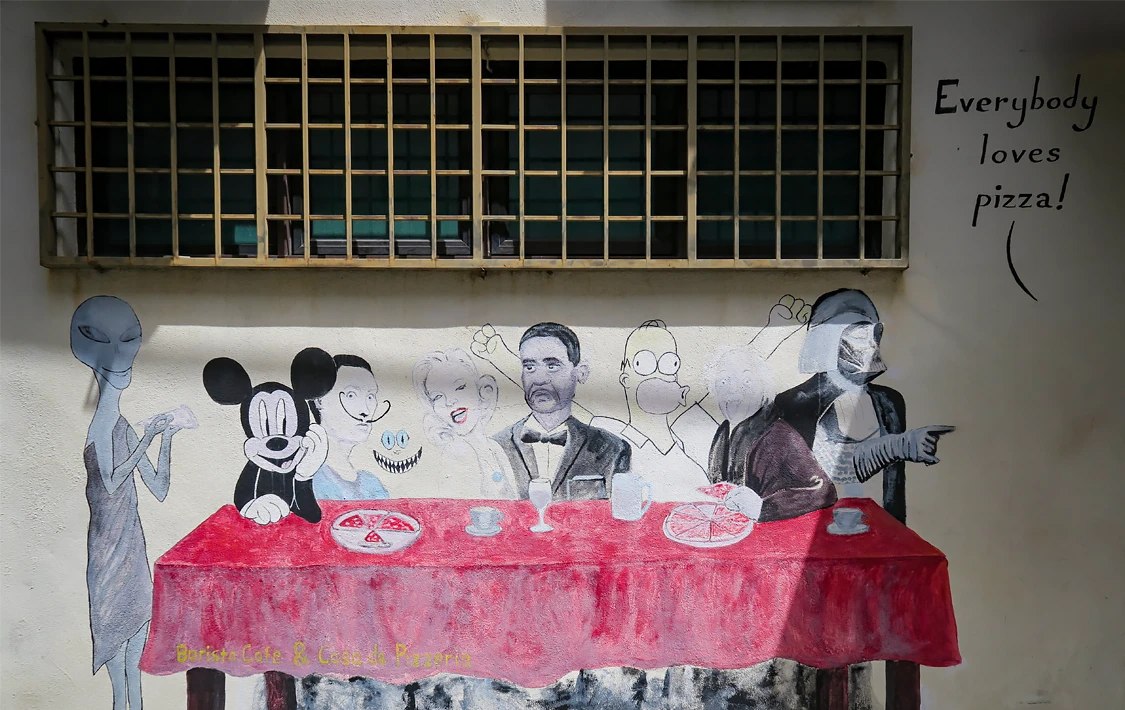
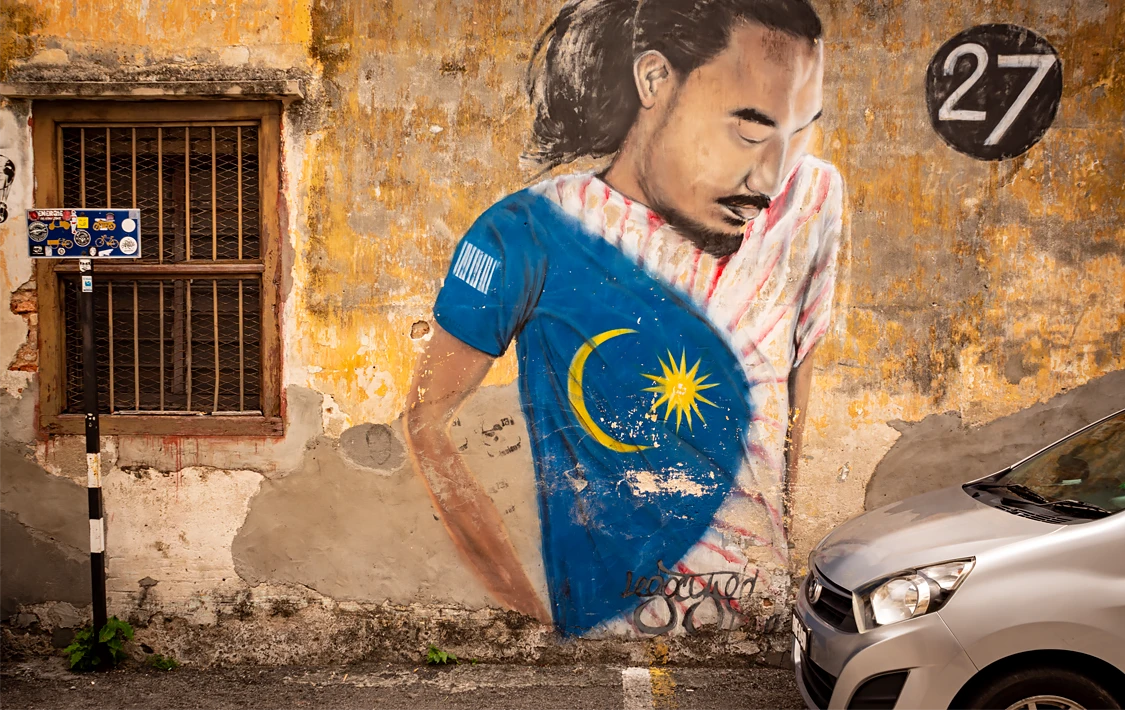

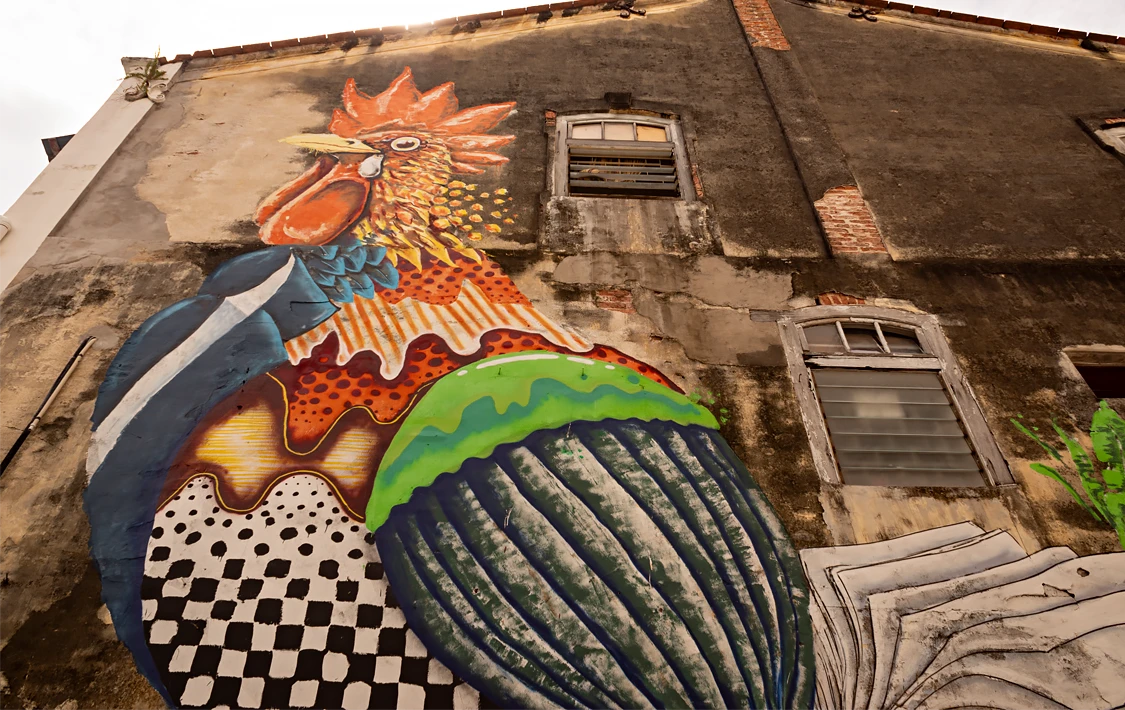
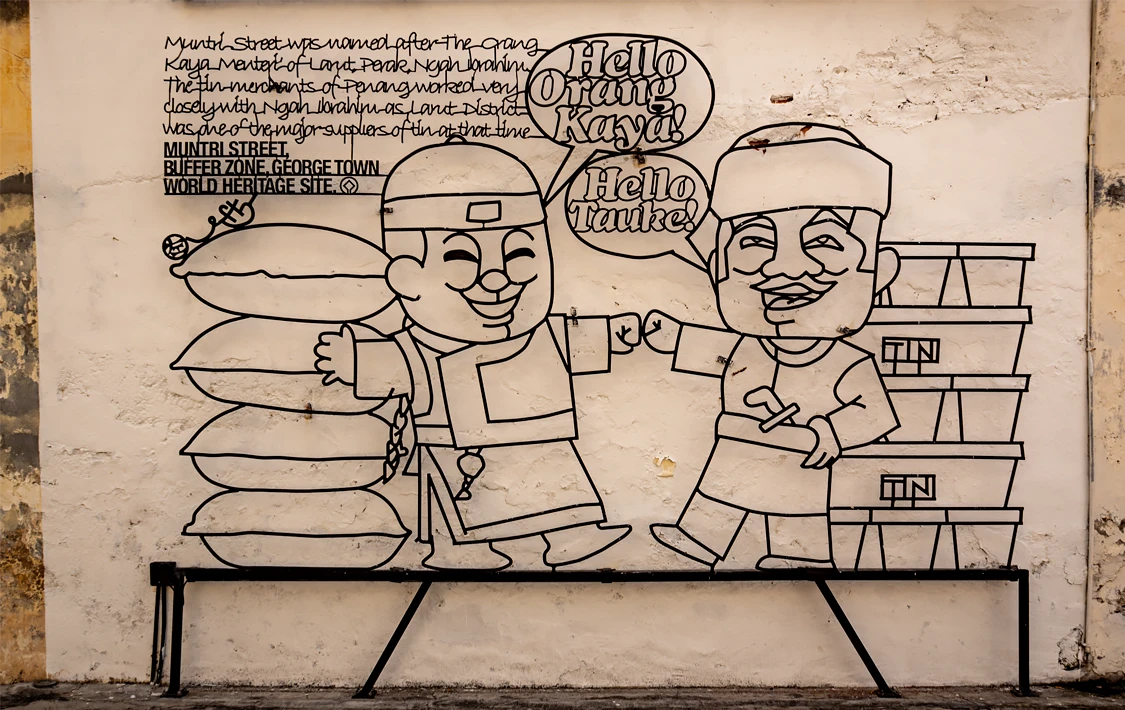
Georgetown, the capital of Penang, has gained worldwide recognition for its unique and diverse street art scene. After the city was declared a UNESCO World Heritage Site in 2008 thanks to its vibrant culture and well-preserved historical centre, the local government decided to make this living open-air museum even more engaging for residents and visitors.
To reflect the multicultural heritage and diversity of Georgetown’s population, many streets were named after professions, communities, and historical events. Through the project “Marking Georgetown”, which ran from 2009 to 2012, the city was gradually transformed into an open-air art gallery.
Today, visitors can discover more than 120 artworks, ranging from steel rod caricatures to large-scale murals, scattered throughout Georgetown’s streets.
Useful Information About Georgetown’s Street Art
3. Lebuh Acheh Mosque – Historic Mosque with Egyptian Architectural Influences
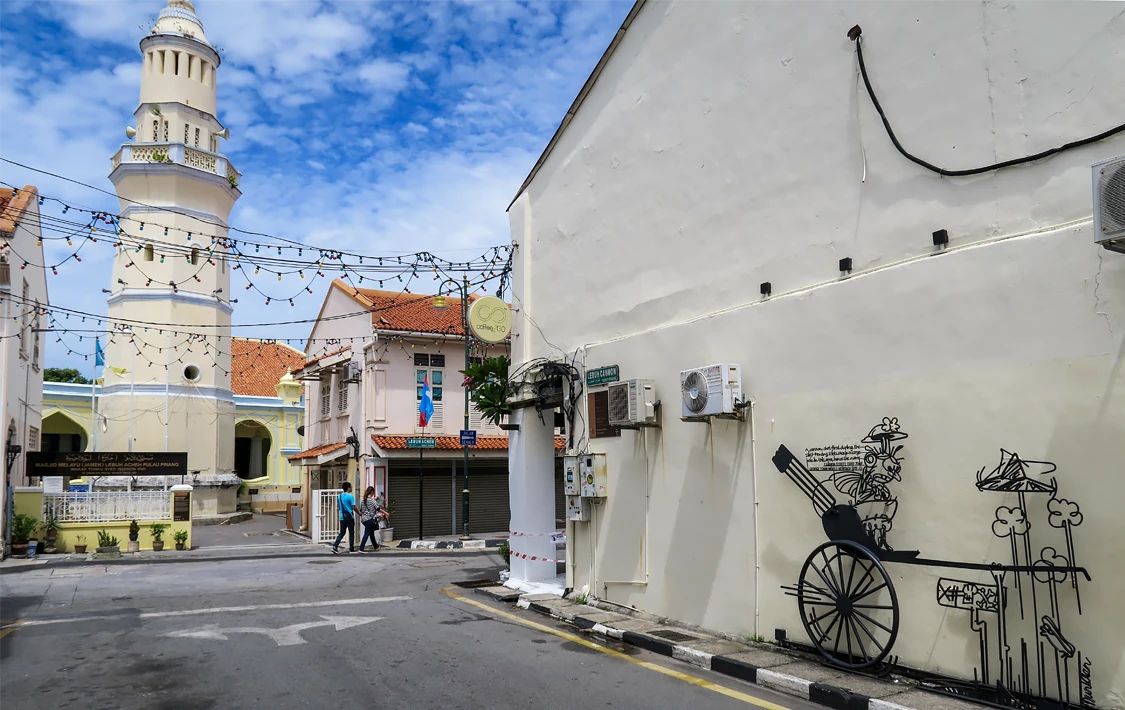

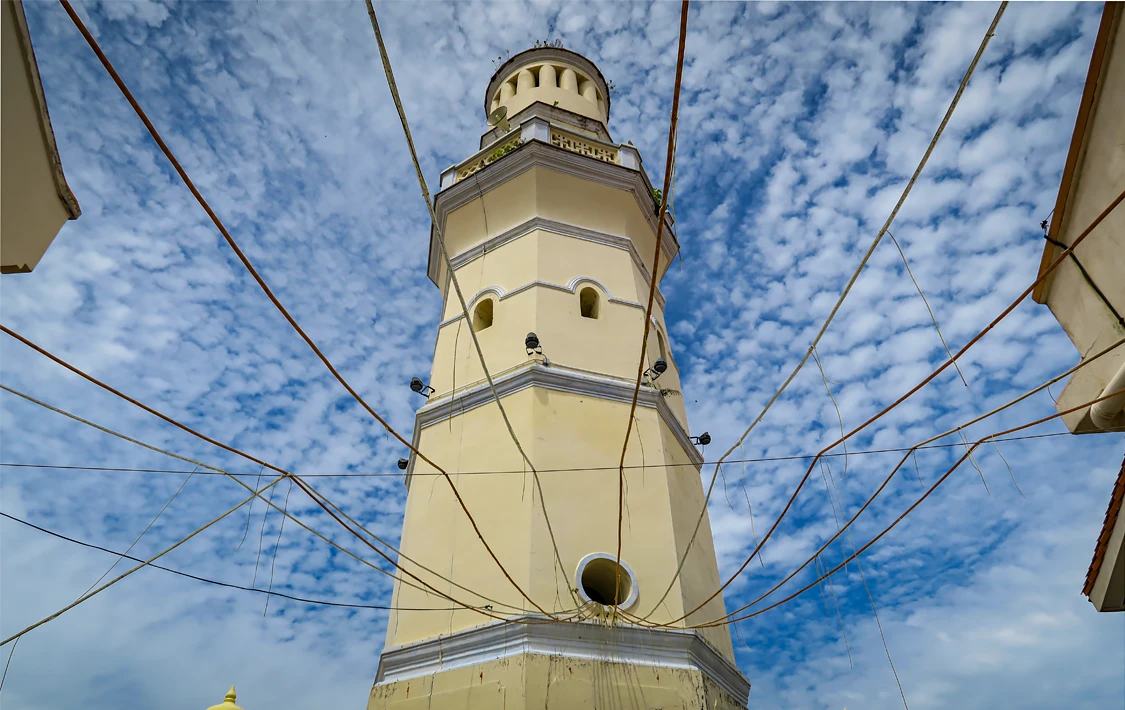
The Lebuh Acheh Mosque, also known as the Acheen Street Mosque, is located in Georgetown, Penang, and is considered an important cultural and historical landmark. It was built in the mid-19th century by the local Muslim community, which mainly consisted of traders and sailors. Most members of this community originated from Aceh in Sumatra, Indonesia, which is where both the mosque and the street received their name.
In the immediate surroundings of the mosque, whose distinctive minaret can be seen from afar, you’ll find colourful colonial buildings and narrow alleys, belonging to some of the most charming corners of Georgetown and perfectly reflecting the city’s unique atmosphere.
Useful Information About Lebuh Acheh Mosque
4. Blue Mansion – An Architectural Masterpiece in Georgetown
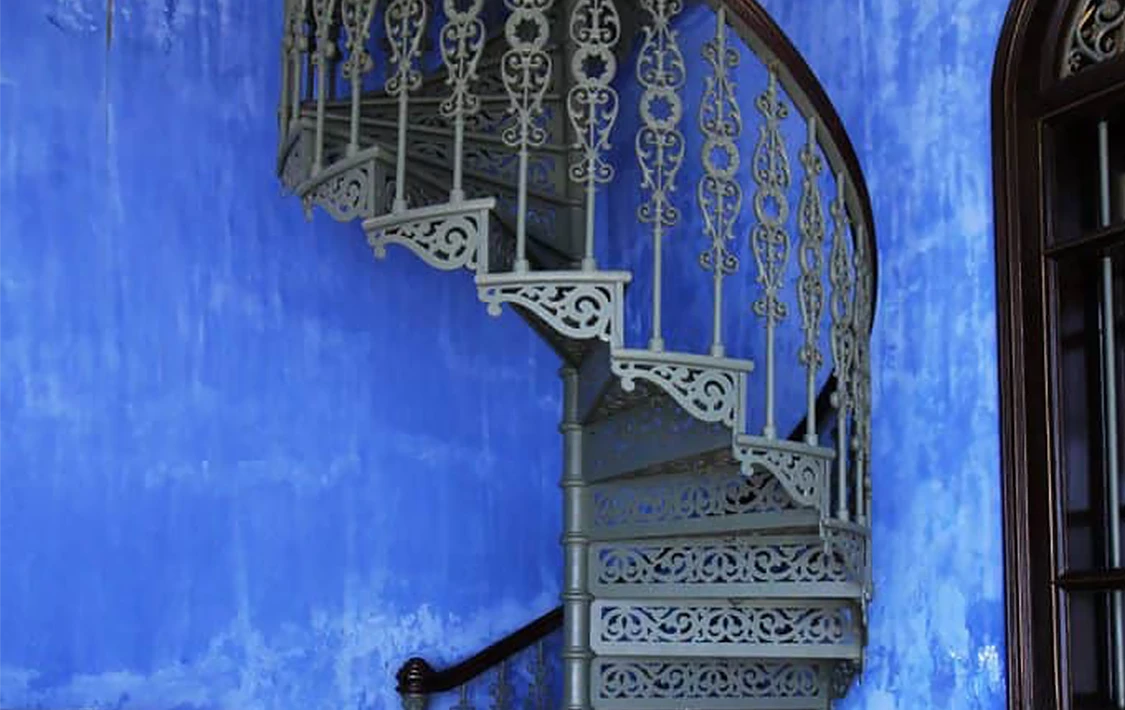
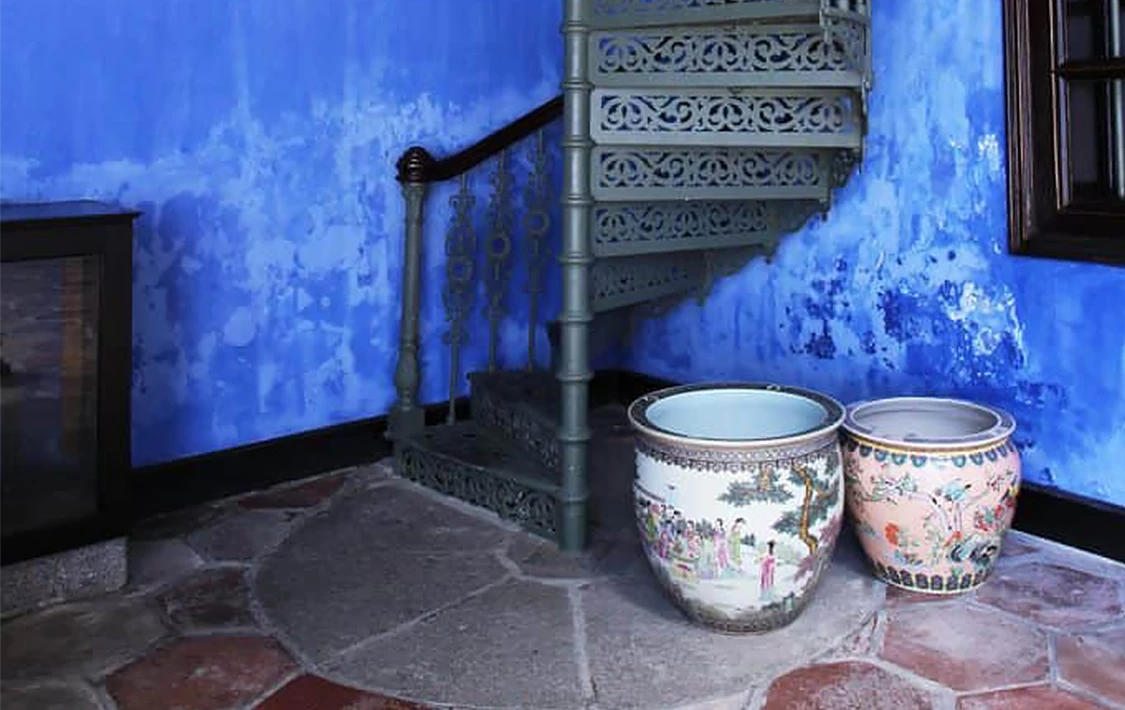
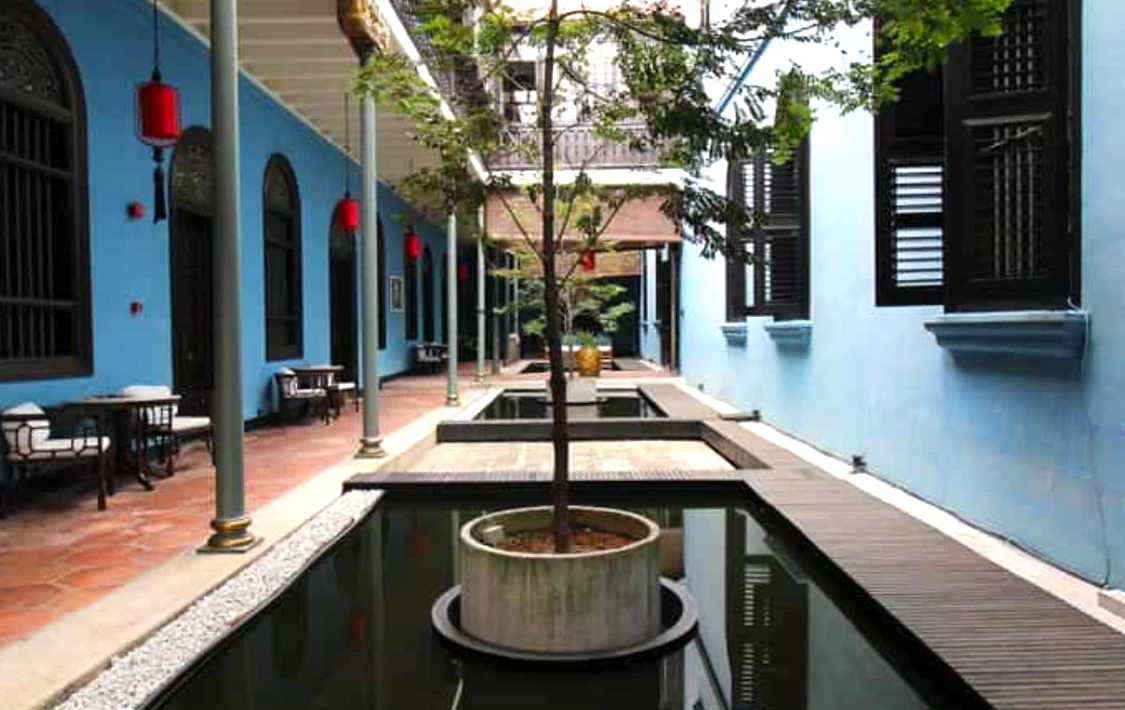
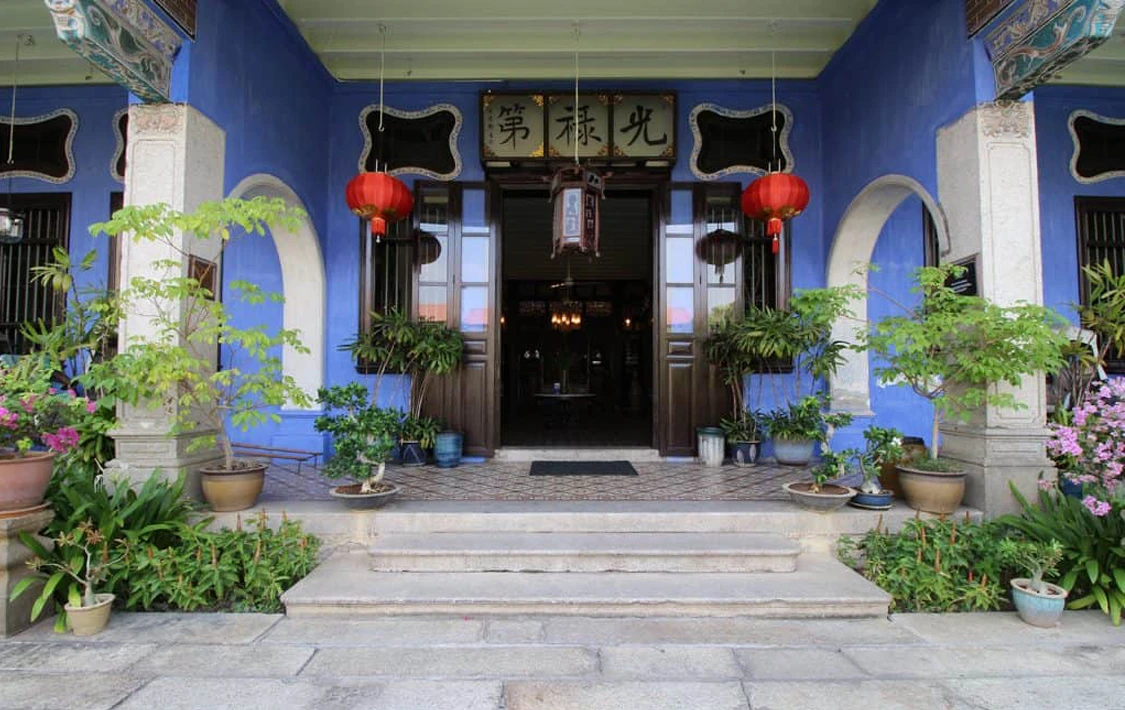
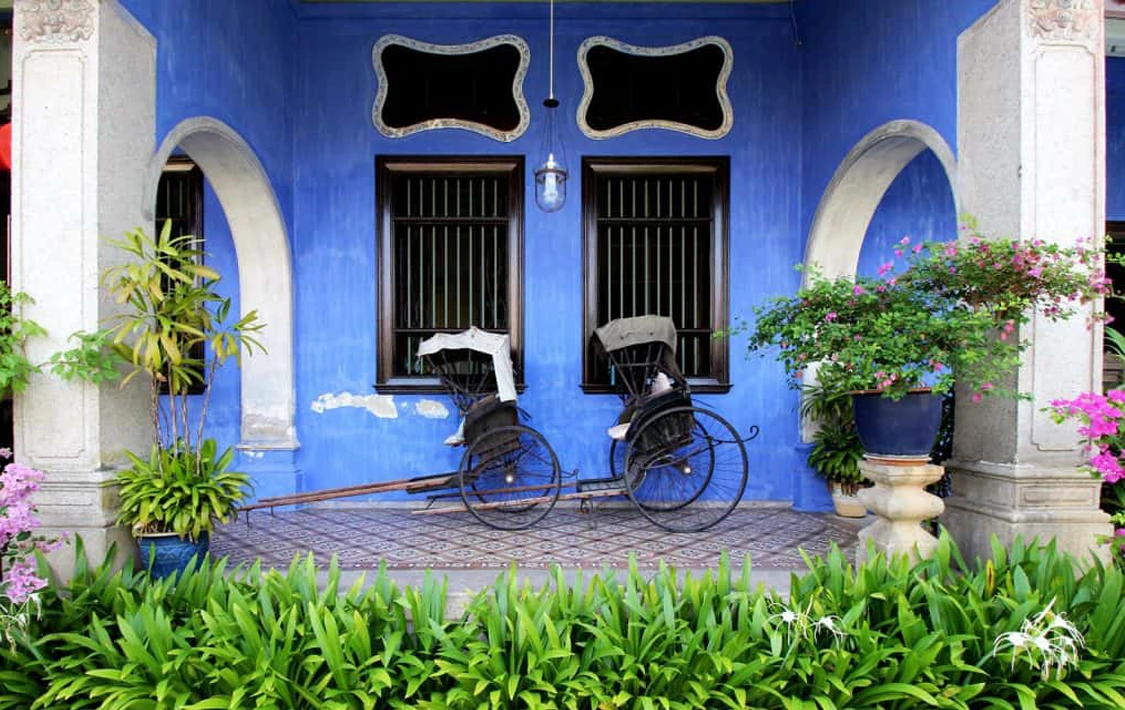
The Cheong Fatt Tze Mansion, better known as the Blue Mansion, is one of the most popular attractions in Georgetown, Penang. Built in 1880 in the traditional Hakka-Teochew architectural style, the elegant building features several impressive highlights, including Art Nouveau stained glass windows, a traditional courtyard with unique floor tiles, a magnificent spiral staircase, and countless ornate details.
The mansion is one of the few remaining buildings in Georgetown that still reflects the architectural style of wealthy Chinese families from that era.
Today, the Blue Mansion operates as a boutique hotel, while also welcoming visitors for guided tours and sightseeing. Even if the exterior may not immediately leave you speechless, the interior reveals a remarkable atmosphere and exceptional craftsmanship, showcasing an incredible level of detail and historical significance.
The Blue Mansion can be explored independently or as part of a guided tour. Visitors also have the option to enjoy lunch or dinner inside the mansion, or even book a room for an overnight stay.
Useful Information About the Blue Mansion
5. Chulia Street – The Perfect Base for Exploring Georgetown
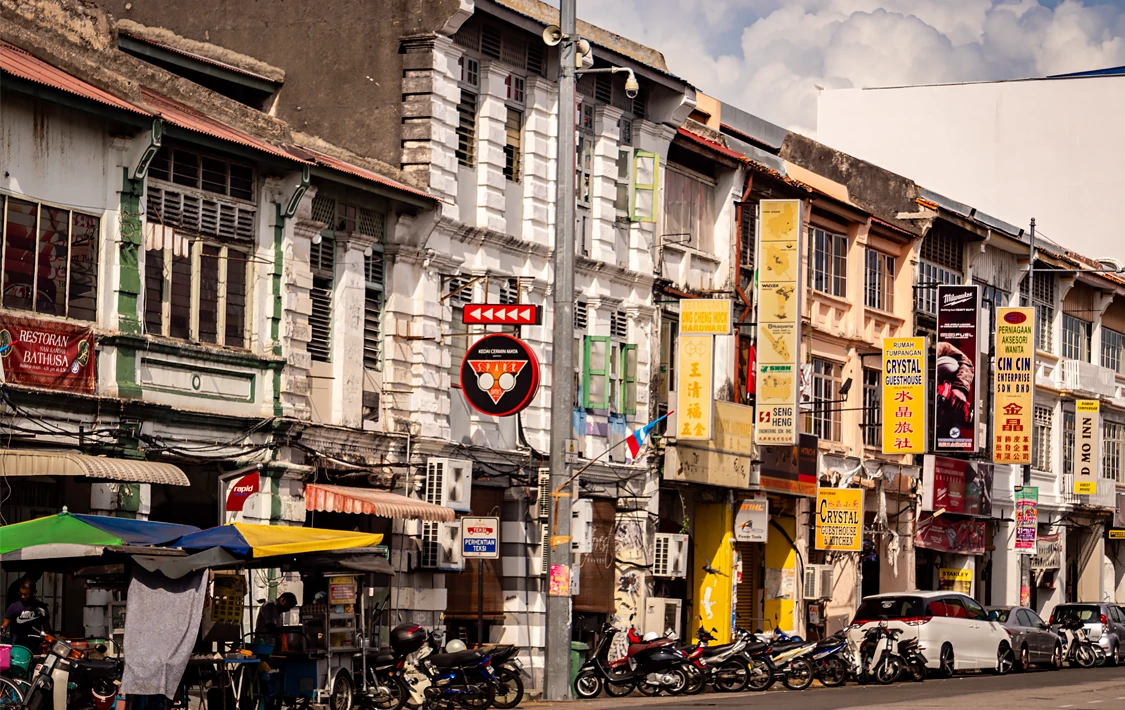

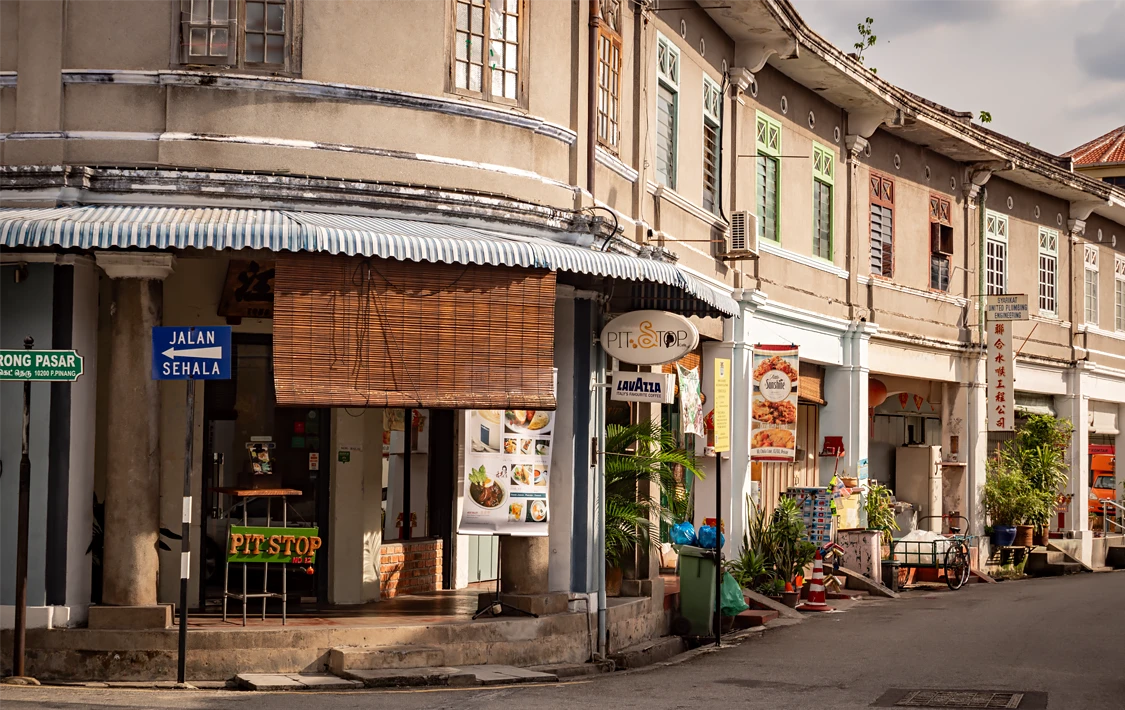
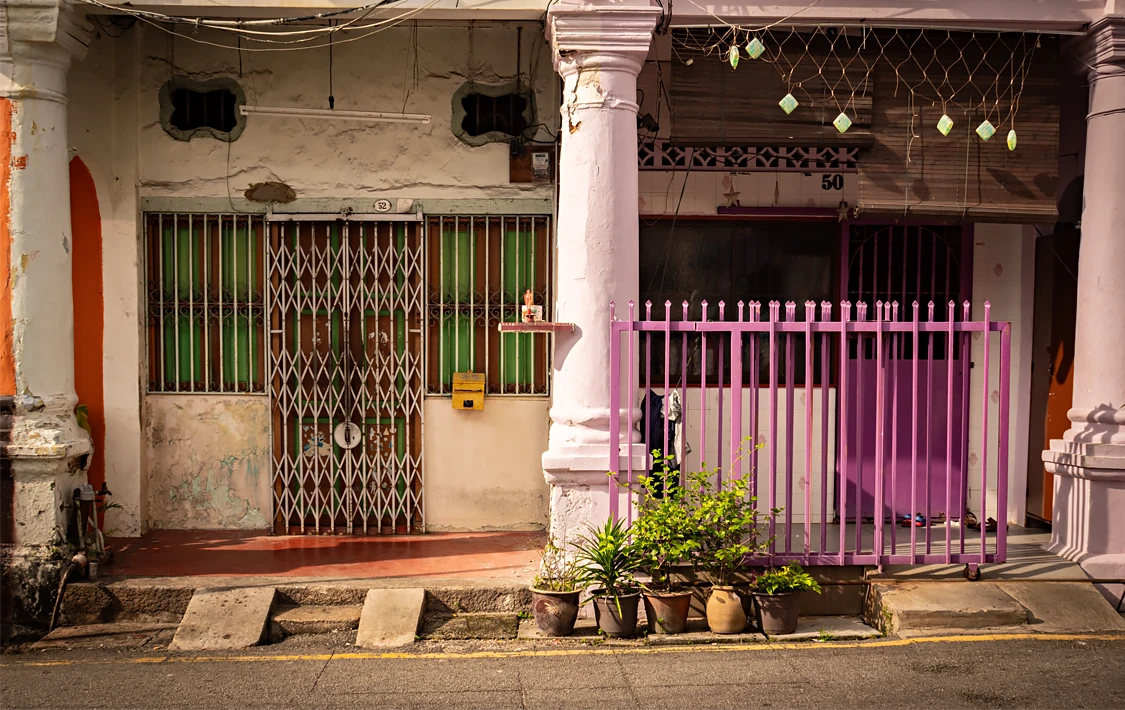

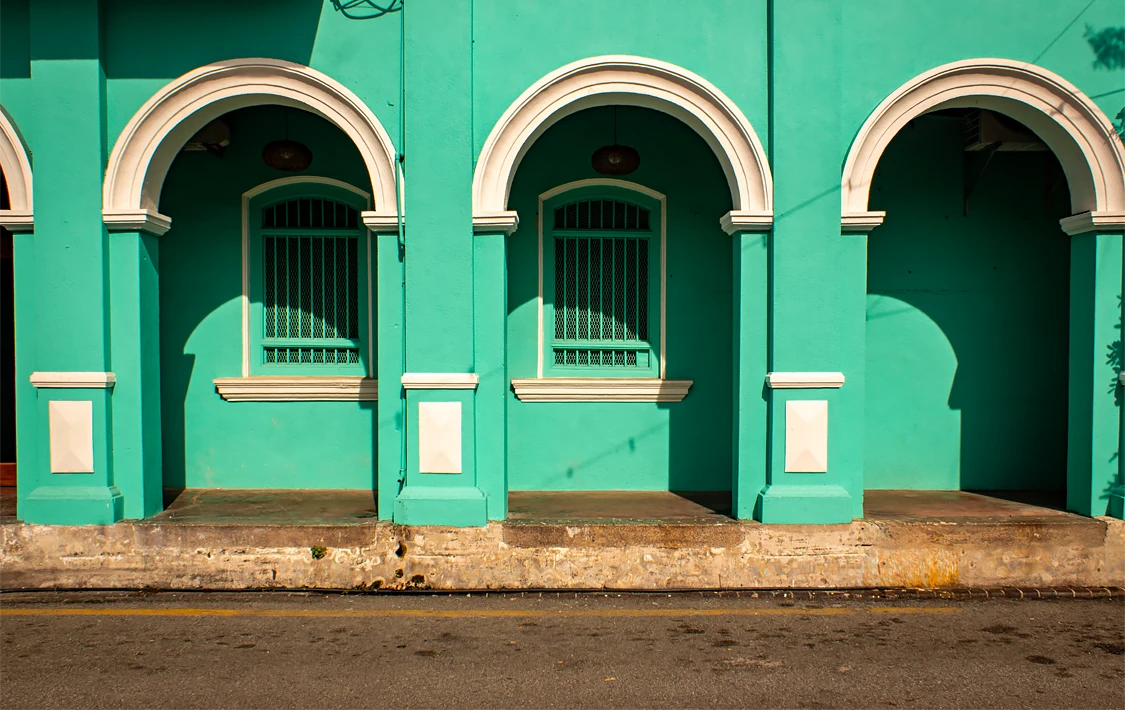
With its countless colourful colonial buildings, Chulia Street is an excellent starting point for discovering the top attractions in Georgetown, Penang. The street branches off into numerous side alleys and hidden lanes, each with its own unique atmosphere and plenty of opportunities to explore.
During your visit to Georgetown, you will likely find yourself walking along Chulia Street several times, as it stretches through parts of Georgetown Old Town, Chinatown, and Little India. This makes Chulia Street a central hub for many sightseeing routes around the city.
Several attractions are also located within walking distance, including Love Lane, the Sri Mahamariamman Temple, Fook Thong Temple, and various famous Street Art spots around Georgetown.
In addition, the area around Chulia Street is filled with budget-friendly accommodations, restaurants, cafés, and bars. I especially recommend visiting the architecturally impressive Fidalgo Bar, which is surrounded by some of Georgetown’s most beautiful colonial buildings.
Useful Information About Chulia Street
6. Love Lane – Georgetown’s Laid-Back Street with Colonial Charm
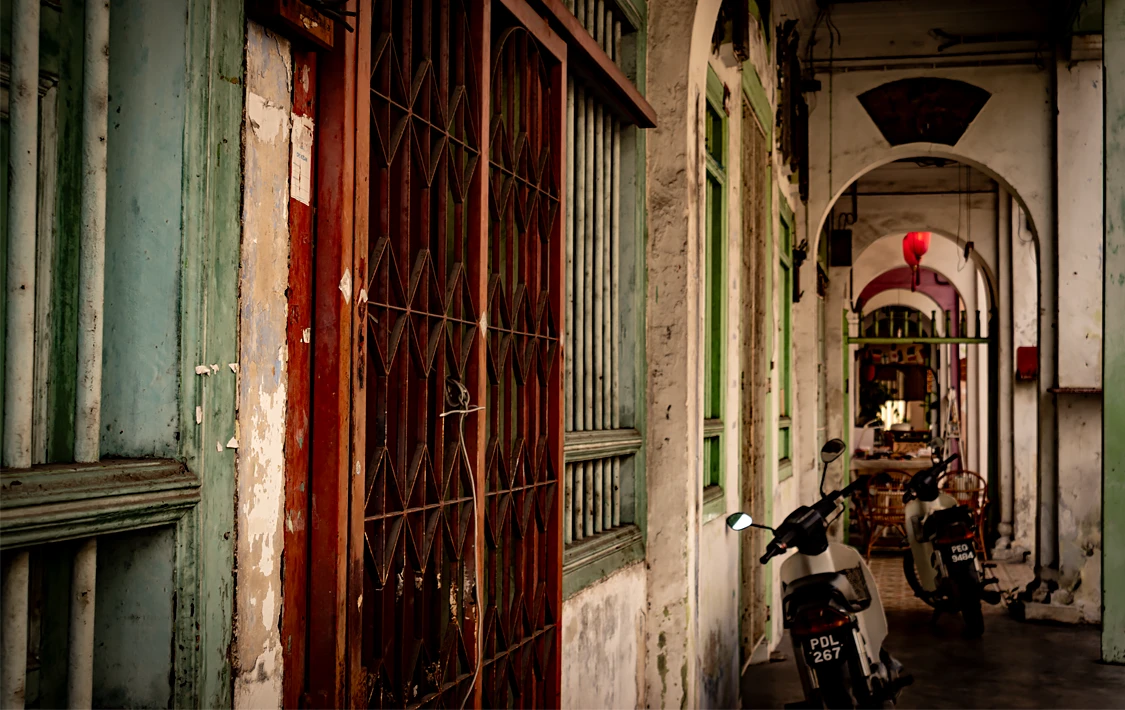
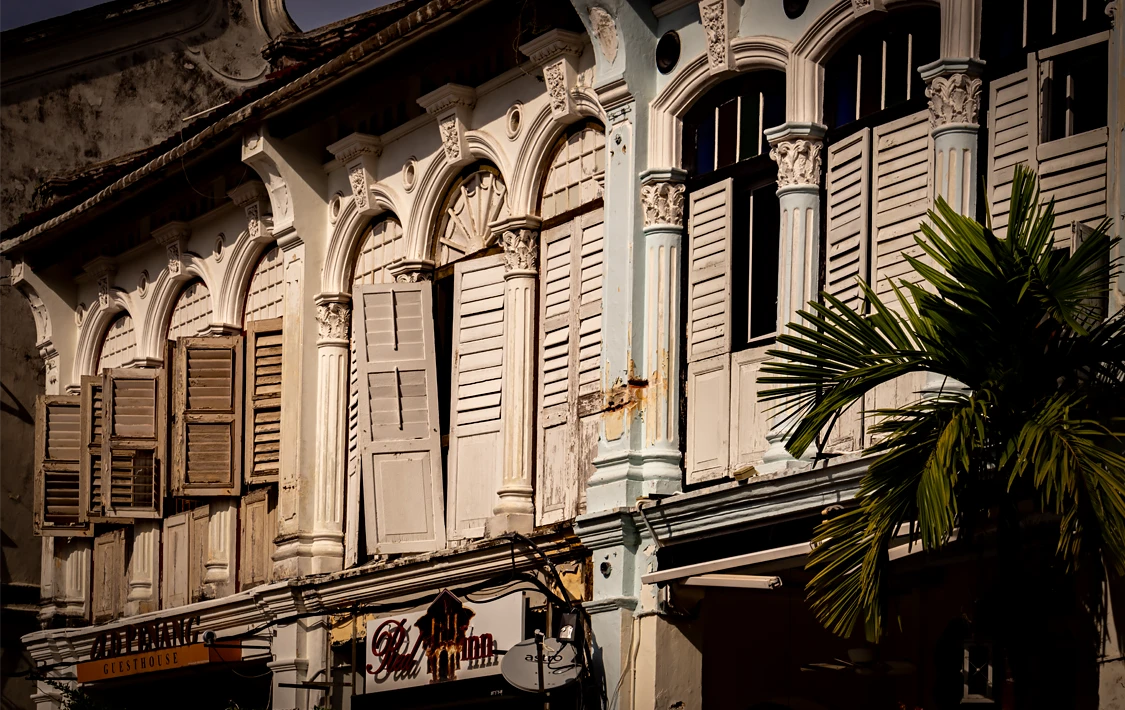
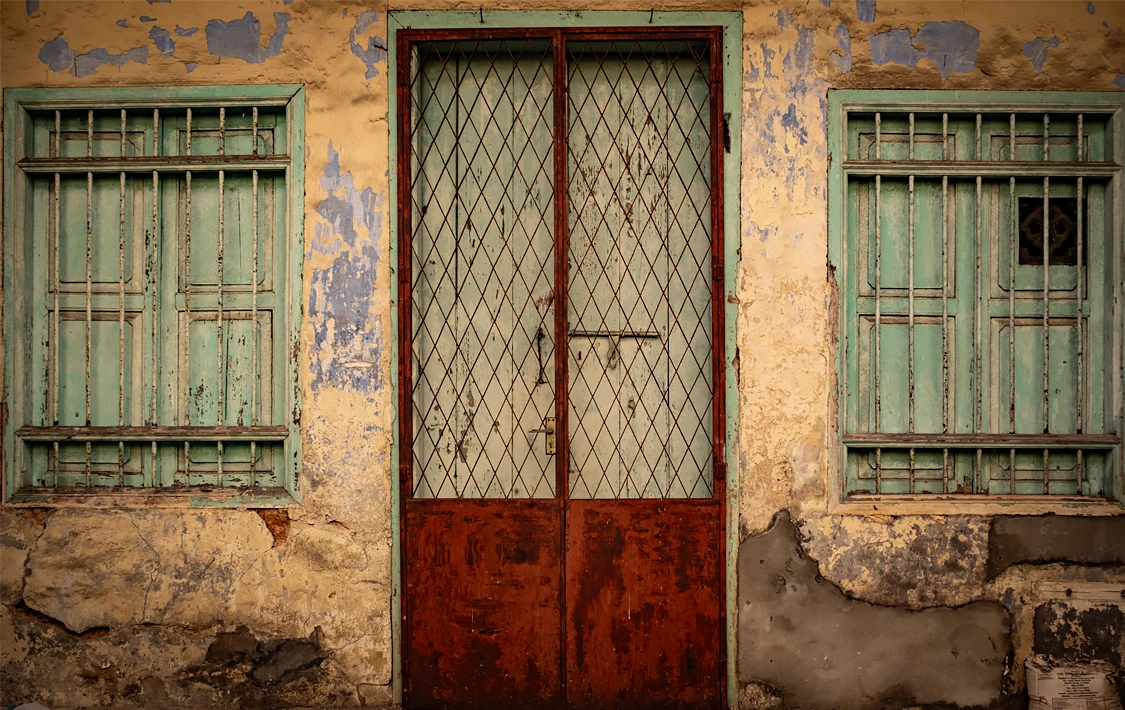
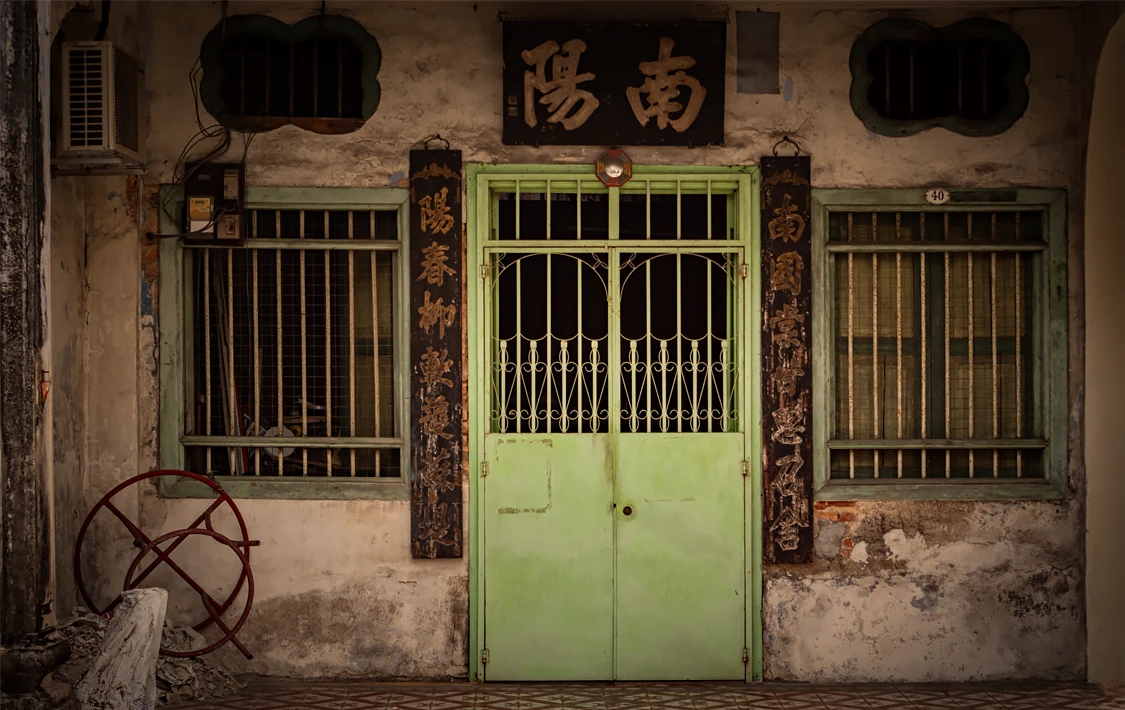

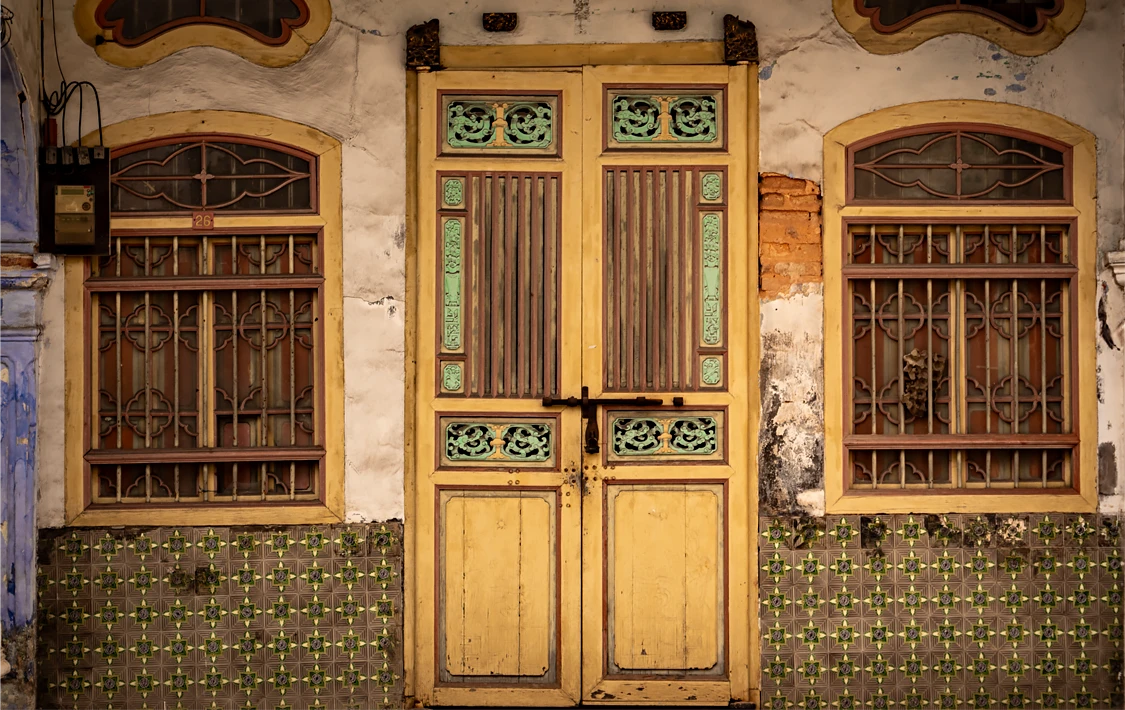


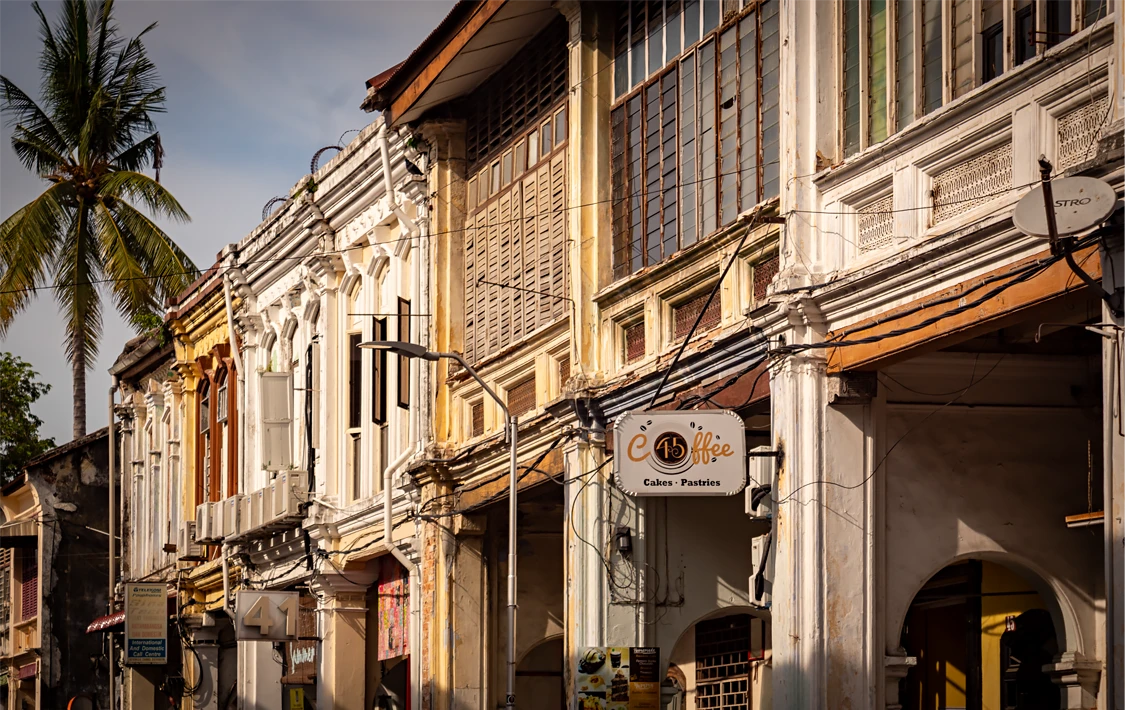
Love Lane is a narrow street located directly next to Chulia Street in Georgetown. The exact origin of its name remains unclear. One theory suggests that the street was named after a British officer with the surname Love.
Another theory claims that the name originated because the area once housed brothels for sailors and soldiers during the early 19th century.
A third explanation suggests that wealthy Chinese residents living nearby on Muntri Street kept their mistresses along Love Lane, which eventually gave the street its romantic sounding name.
Today, Love Lane is best known as a laid-back backpacker and nightlife area with charming colonial buildings, affordable accommodations, cafés, bars, and restaurants. In the evening, the street transforms into a lively but relaxed spot where travellers gather for drinks and enjoy the easy-going atmosphere. You will also find Street Art murals and creative corners around the neighbourhood.
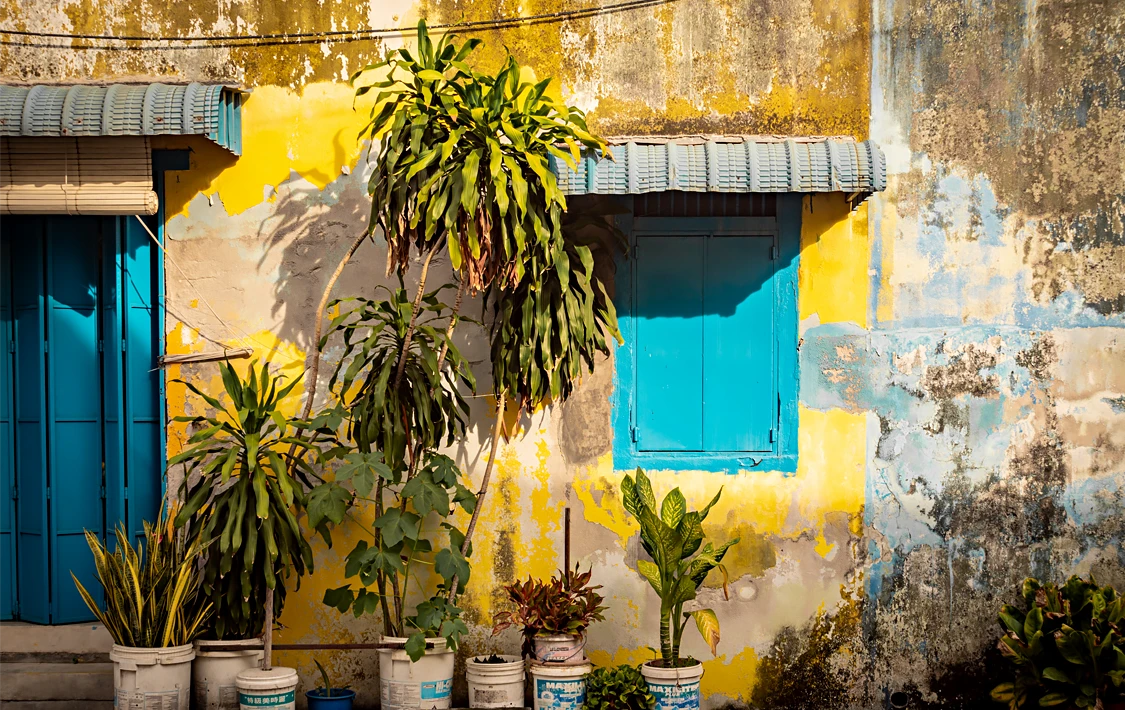
The surrounding side streets are filled with old colonial buildings, many of which show signs of age and wear. Yet this slightly rough appearance is exactly what gives the area much of its character and makes it a great place for photography. Wander through Love Lane without a plan and simply soak up the atmosphere.
Useful Information About Love Lane
7.1 Little India in Georgetown – A Colourful Gateway to Indian Culture
Exploring Little India in Georgetown feels like stepping into a completely different world. The neighbourhood captures an authentic Indian atmosphere, and at times you may wonder whether you are still in Malaysia or suddenly somewhere in Bollywood.
Along the streets, dozens of shops sell aromatic spices, exotic scents, Indian jewellery, flower garlands for temple visits, colourful silk garments and traditional goods. The vibrant atmosphere, music and busy market stalls make Little India one of the most unique areas in Georgetown.
For lovers of Indian cuisine, the neighbourhood is an absolute paradise. Many of the restaurants serve authentic Indian dishes, while small street vendors offer snacks, sweets and fresh drinks. A large number of shops and market stalls can be found along Jalan Pasar, which translates to Market Street.
Attractions in Little India Georgetown:
- Sri Mahamariamman Temple
- Nagore Dargha Sheriff Mosque
- Jalan Pasar Street
7.2 Sri Mahamariamman Temple – The Oldest Hindu Temple in Penang
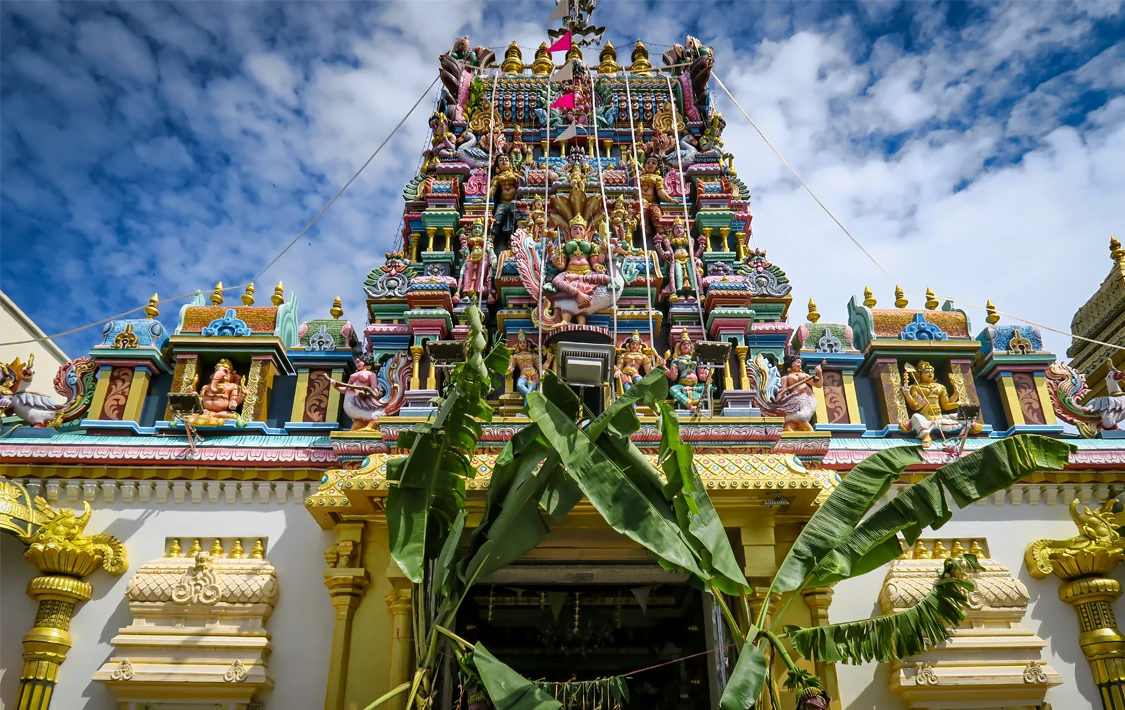

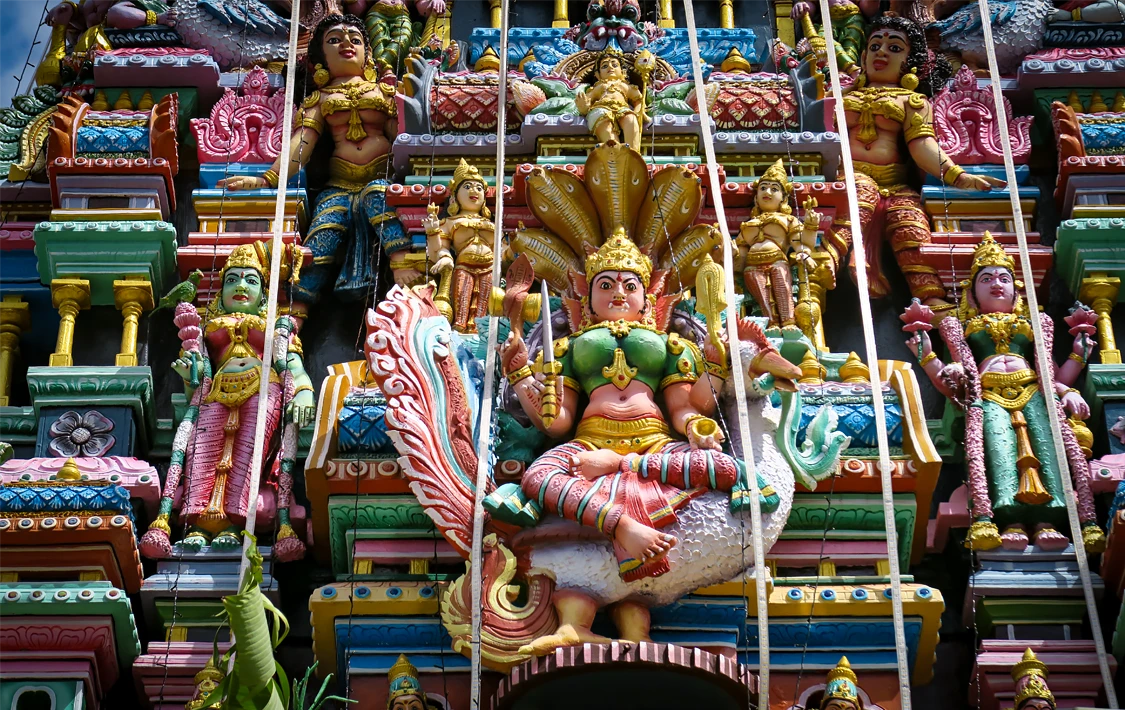
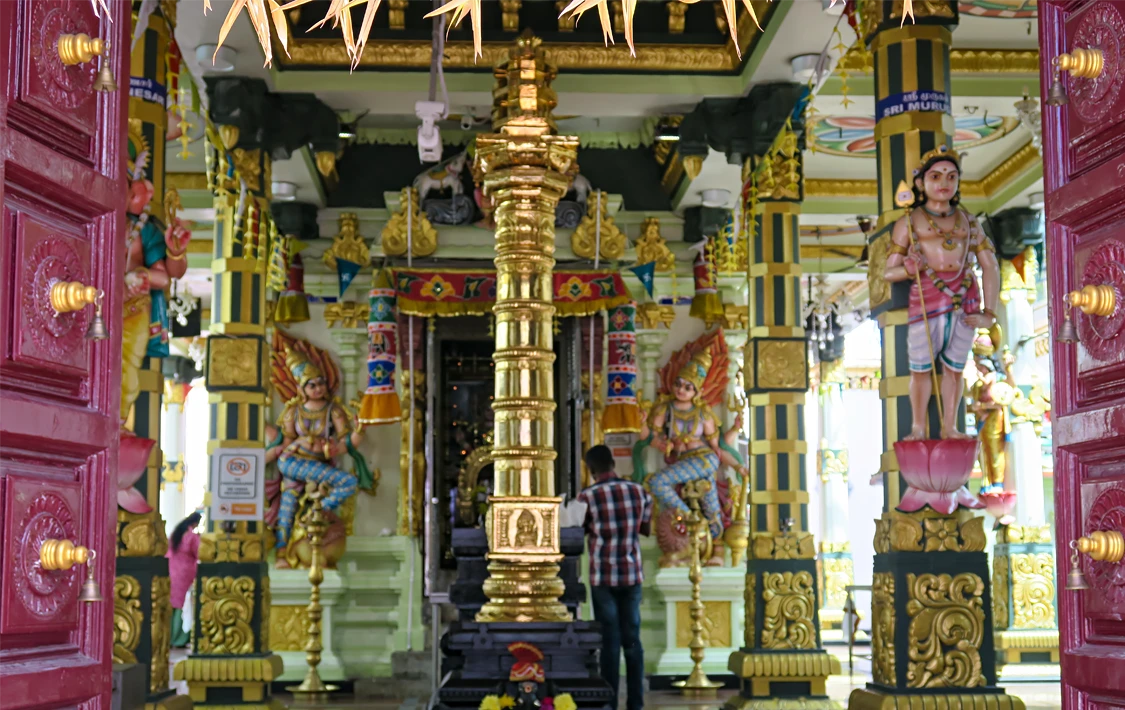

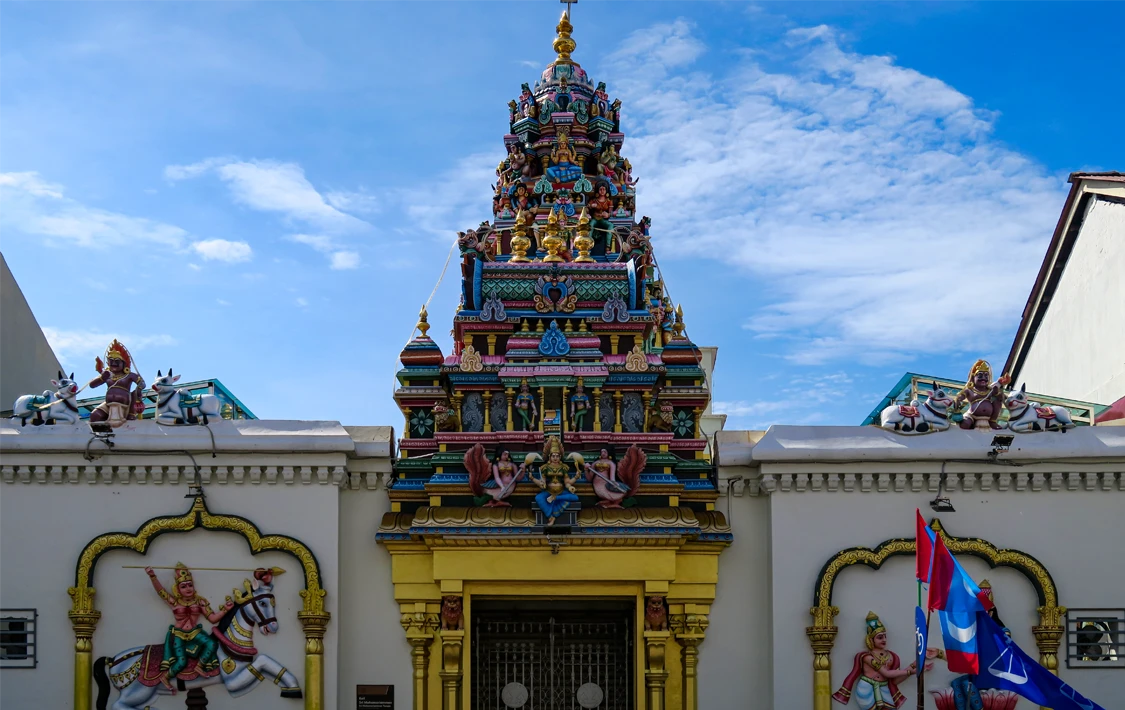
As you might expect in an Indian neighbourhood, Georgetown is also home to a Sri Mahamariamman Temple. Built in 1833 by the first Tamil settlers, it is considered the oldest Hindu temple in all of Penang.
In its early years, the temple consisted only of a small and simple shrine. In 1933, it underwent extensive renovations and expansions, giving the temple much of the appearance it has today. Much of the restoration work was carried out by craftsmen and sculptors from India.
The present-day temple features a 7-metre-high gopuram (entrance tower) and is dedicated to the Hindu goddess Mariamman, who is associated with protection against diseases and rainfall. The four-storey tower is richly decorated with sculptures of Hindu deities, swans and colourful floral ornaments, making it one of the architectural highlights of Little India.
As is customary in many Hindu and Buddhist temples, visitors are required to remove their shoes before entering.
Useful Information About Sri Mahamariamman Temple
7.3 Nagore Dargha Sheriff – Penang’s Oldest Indian Muslim Shrine
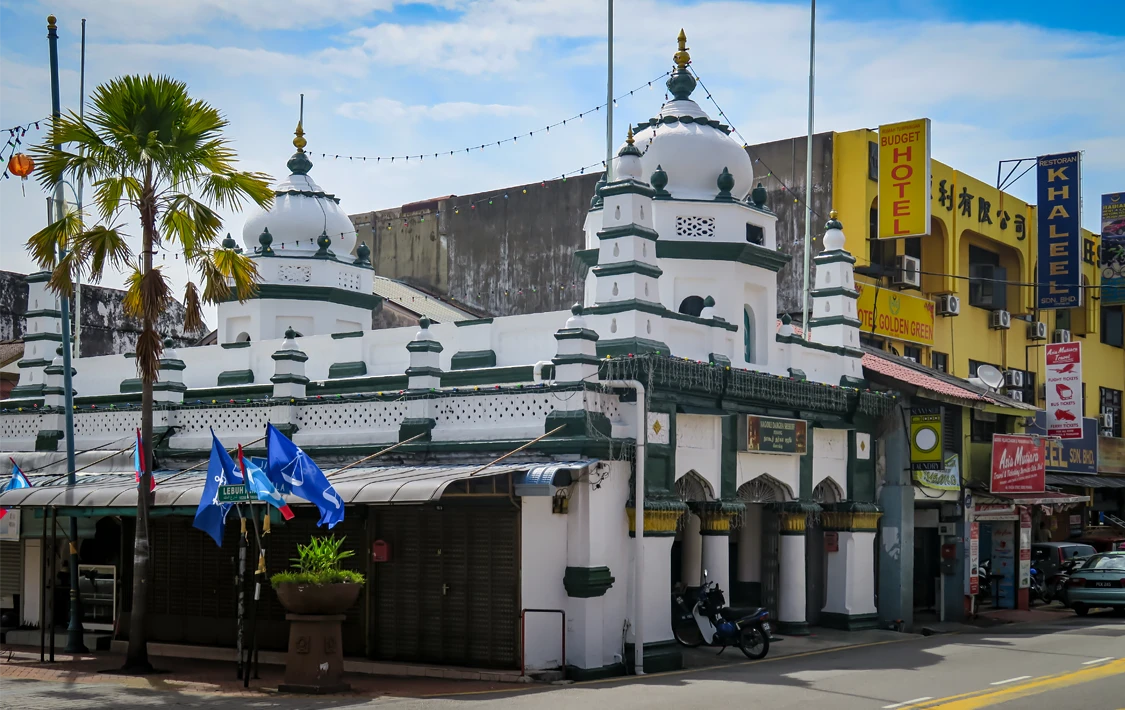
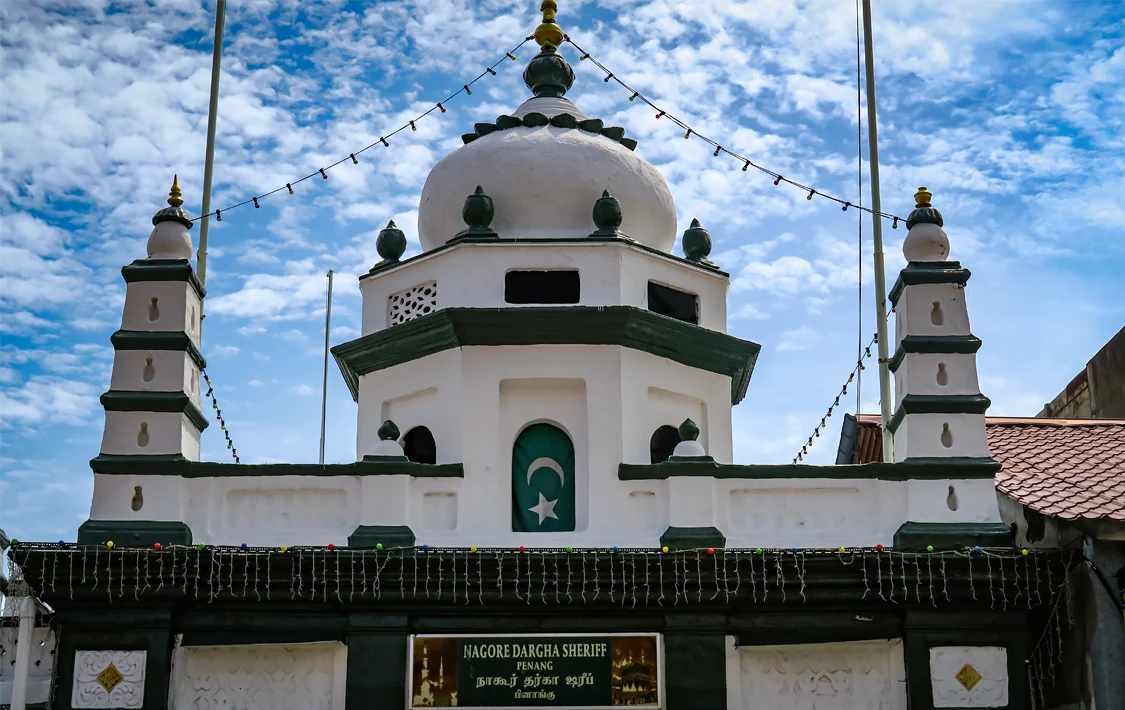
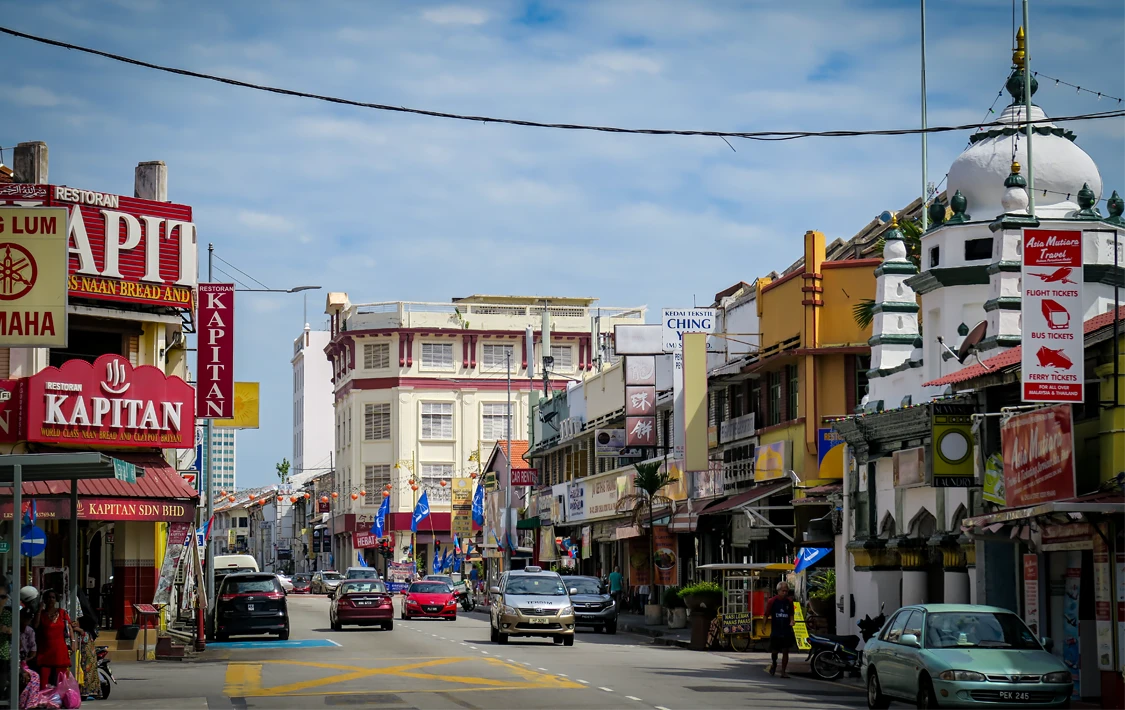
Built in the early 19th century, Nagore Dargha Sheriff, often referred to as the Nagore Shrine, is the oldest Indian Muslim shrine in Penang. The mosque was constructed in the traditional architectural style of 19th-century Islamic design in honour of the Muslim saint Syed Shahul Hamid.
The well-preserved shrine stands out with its white and green façade, creating a striking contrast against the colourful colonial buildings surrounding it. Its unique appearance also makes it an interesting photo spot while exploring Little India.
Useful Information About Nagore Dargha Sheriff
7.4 Little India: Lebuh Pasar
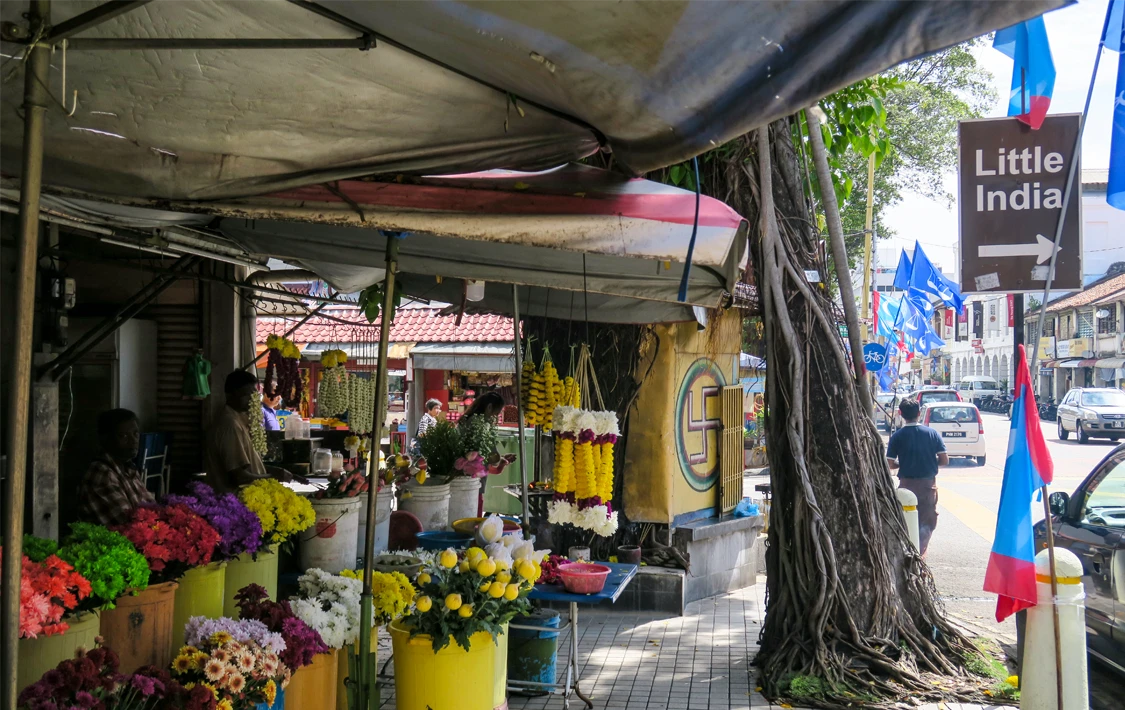
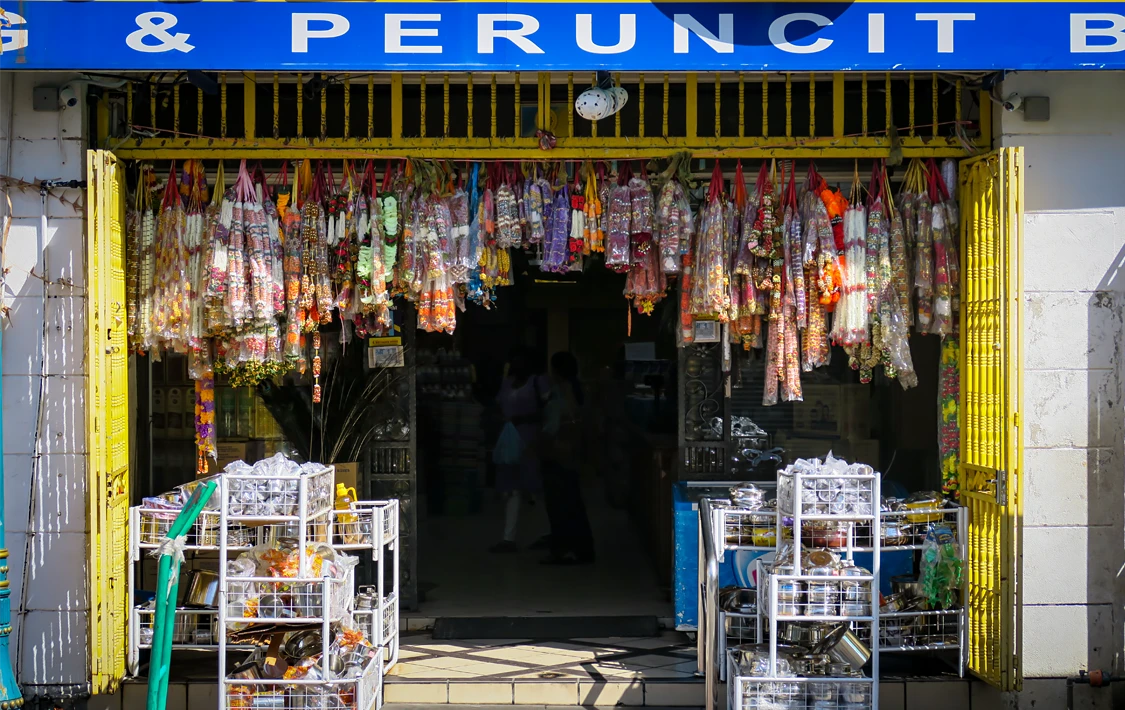
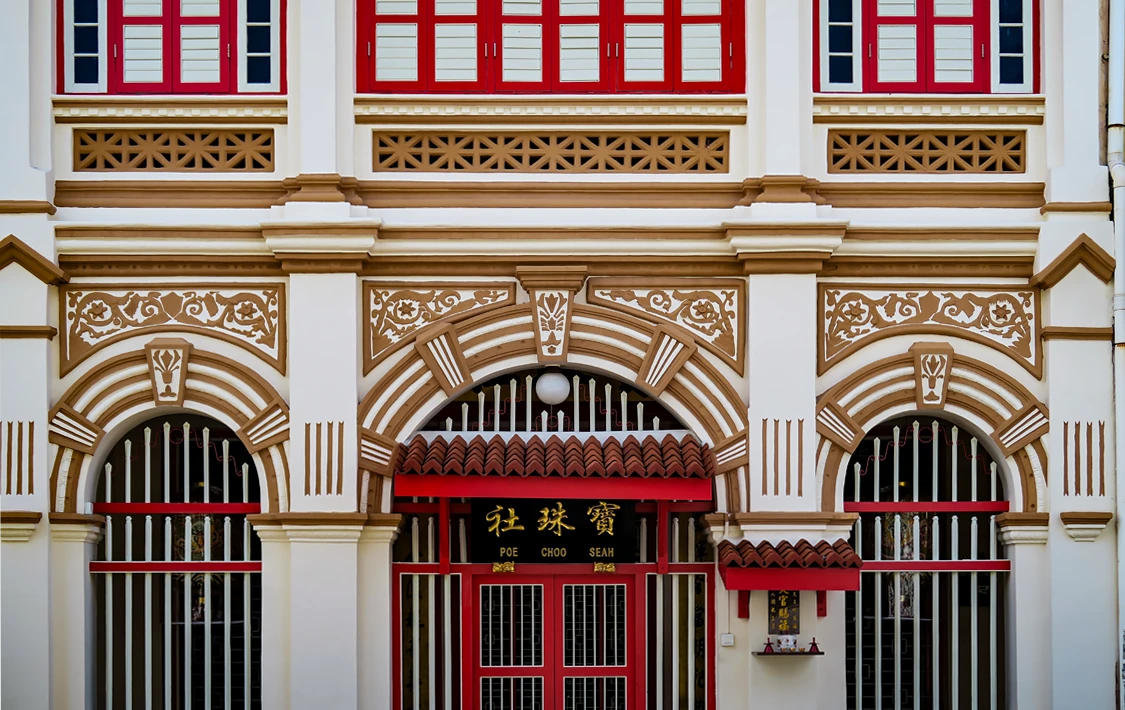
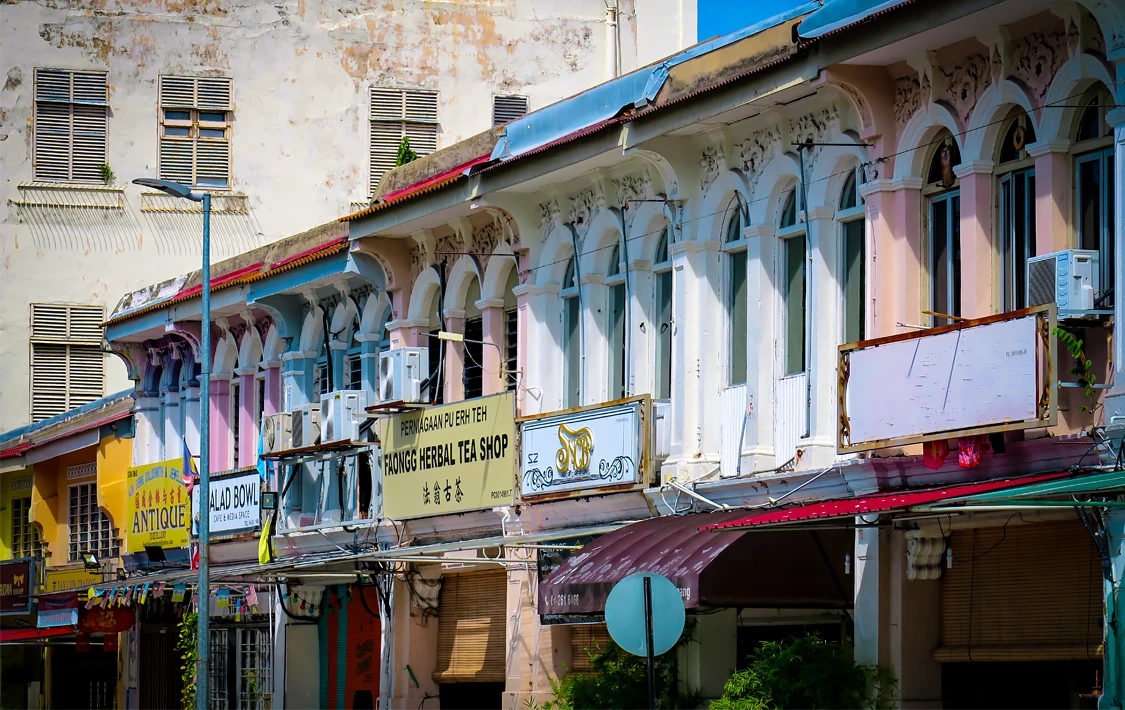
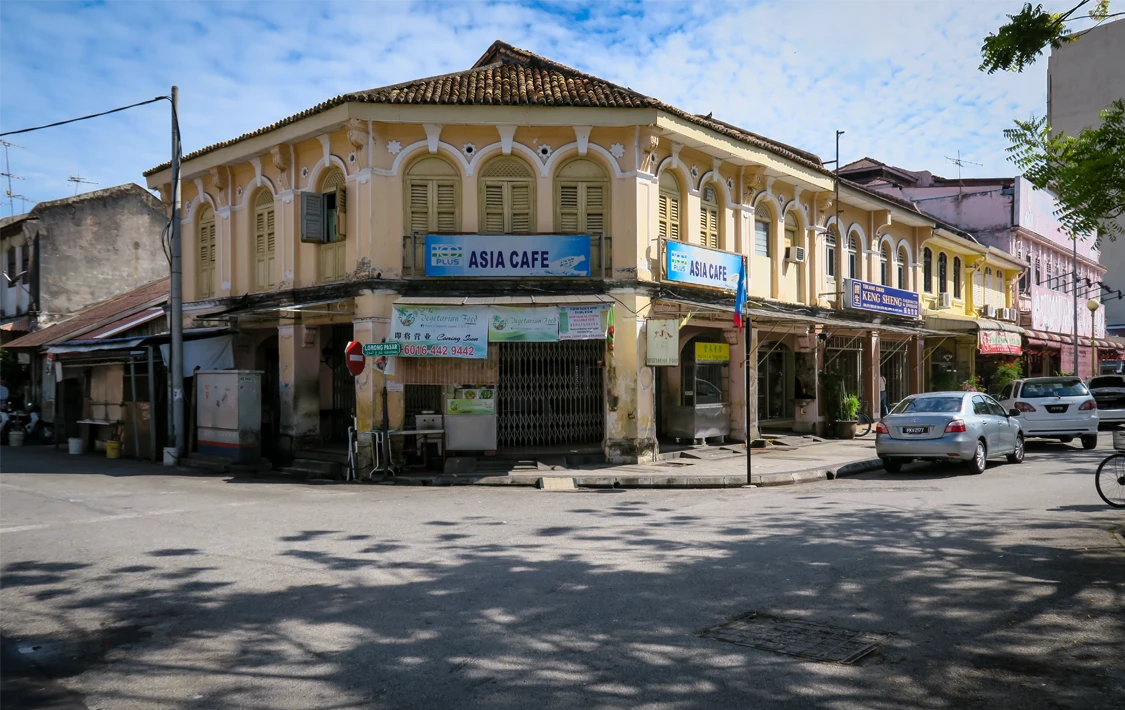
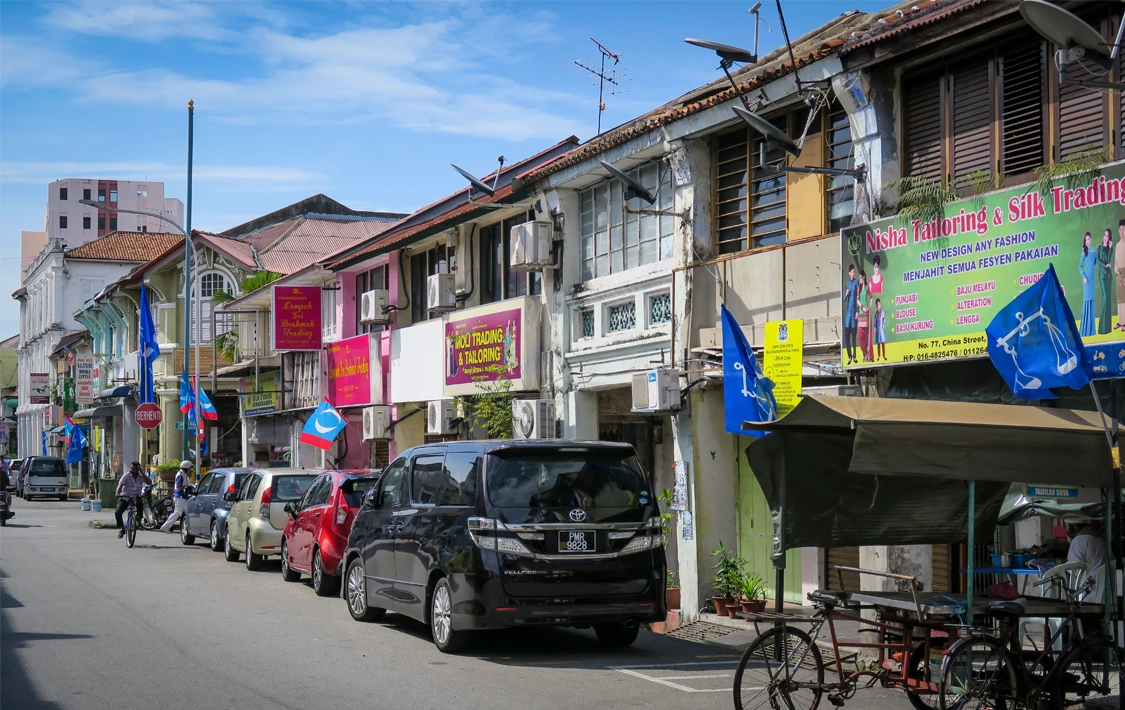
Lebuh Pasar is essentially the main street of Little India in Georgetown. Here, you will find colourful colonial buildings that are home to Indian shops, restaurants and traditional businesses. The street is filled with spices, handcrafted textiles, jewellery, souvenirs and authentic Indian products, creating a lively and distinctive atmosphere.
A walk along Lebuh Pasar is the perfect starting point for exploring Little India Georgetown, as many of the neighbourhood’s attractions, restaurants and cultural highlights can easily be discovered from here.
Useful Information About Lebuh Pasar
8. Chinatown in Georgetown – Welcome to China
Like in many larger cities around the world, Georgetown also has its own Chinatown. However, unlike the clearly defined Chinatowns found elsewhere, Georgetown’s Chinatown does not have one single central area. Instead, it is spread across several neighbourhoods and in some places even blends seamlessly into Little India.
This unique mix of Chinese heritage, colonial architecture, local businesses and multicultural influences is part of what makes Georgetown’s historic centre so fascinating. While exploring the streets, you will move between colourful shophouses, temples, cafés and hidden alleys without always noticing where one district ends and another begins.
The top attractions in Georgetown’s Chinatown are listed below and explained in more detail further down in this guide.
Attractions in Georgetown Chinatown
- Lebuh Campbell
- Lebuh Cintra
- Fook Thong Temple
- Han Jiang Temple
- Goddess of Mercy Temple
- Hainan Tempel
- Clan Jetties
- Hean Boo Thean Kuan Yi Temple
8.1 Campbell Street – One of Georgetown’s Most Atmospheric Chinatown Streets
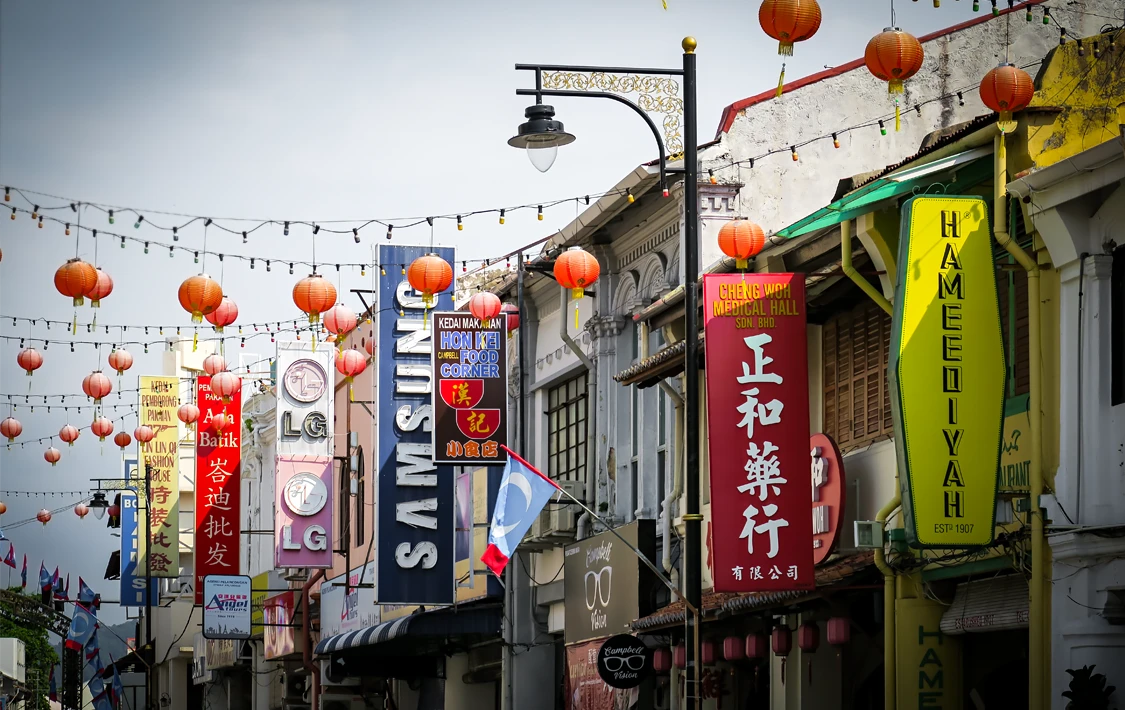
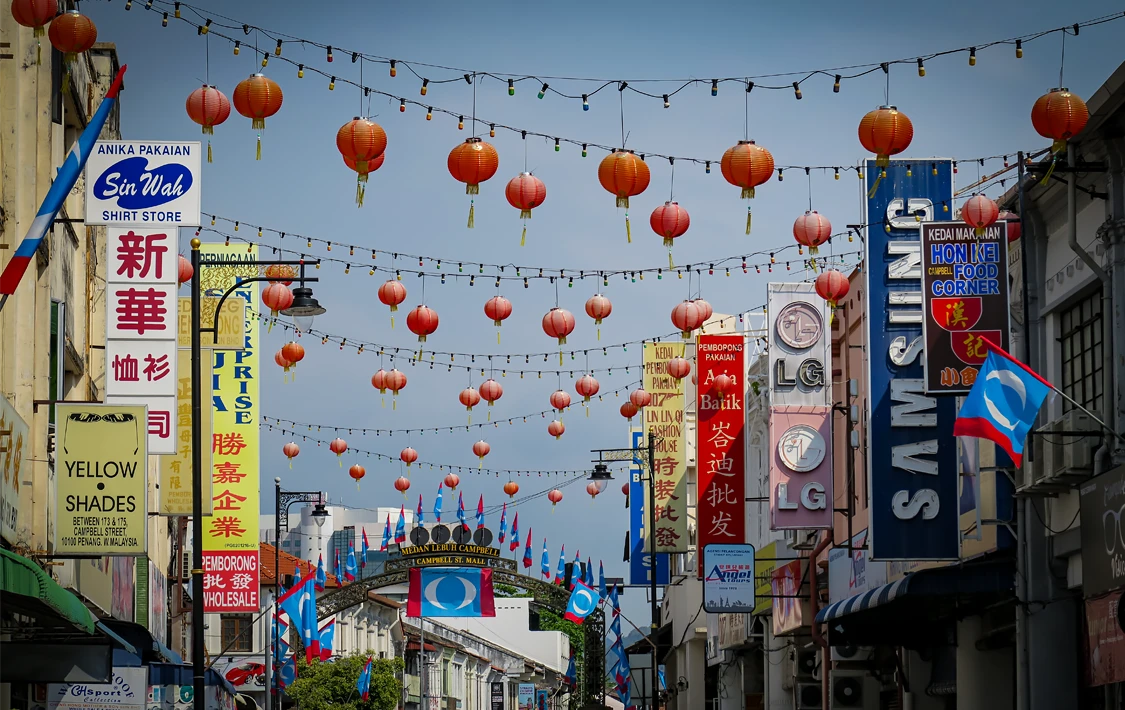
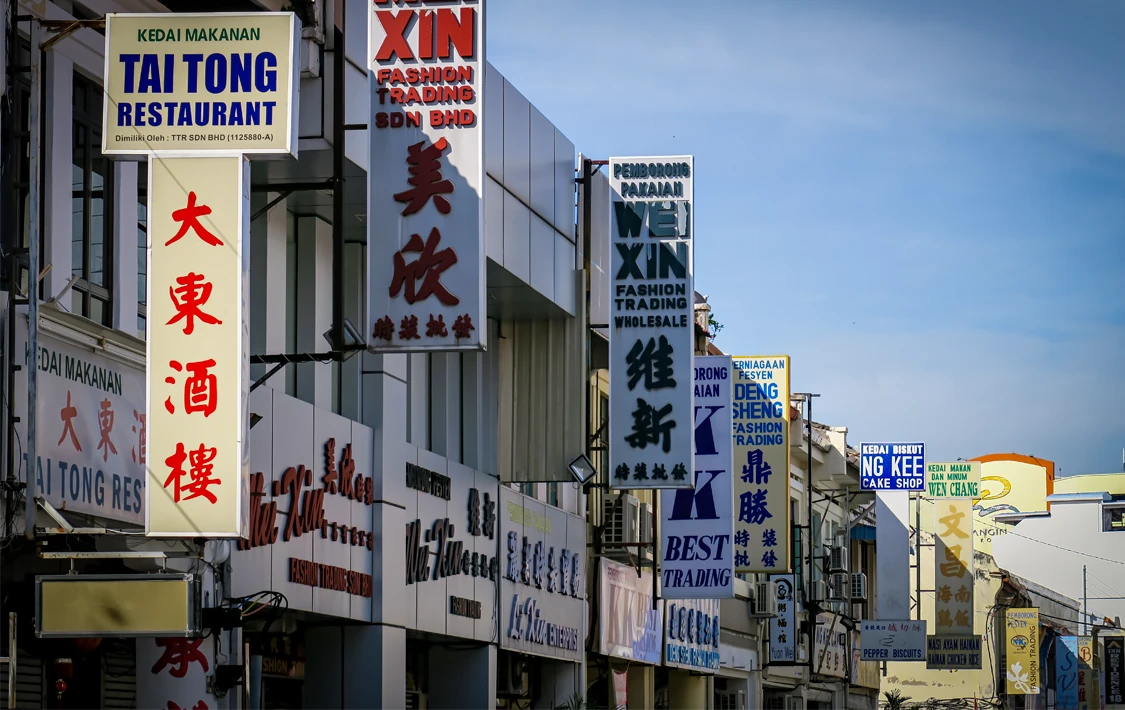
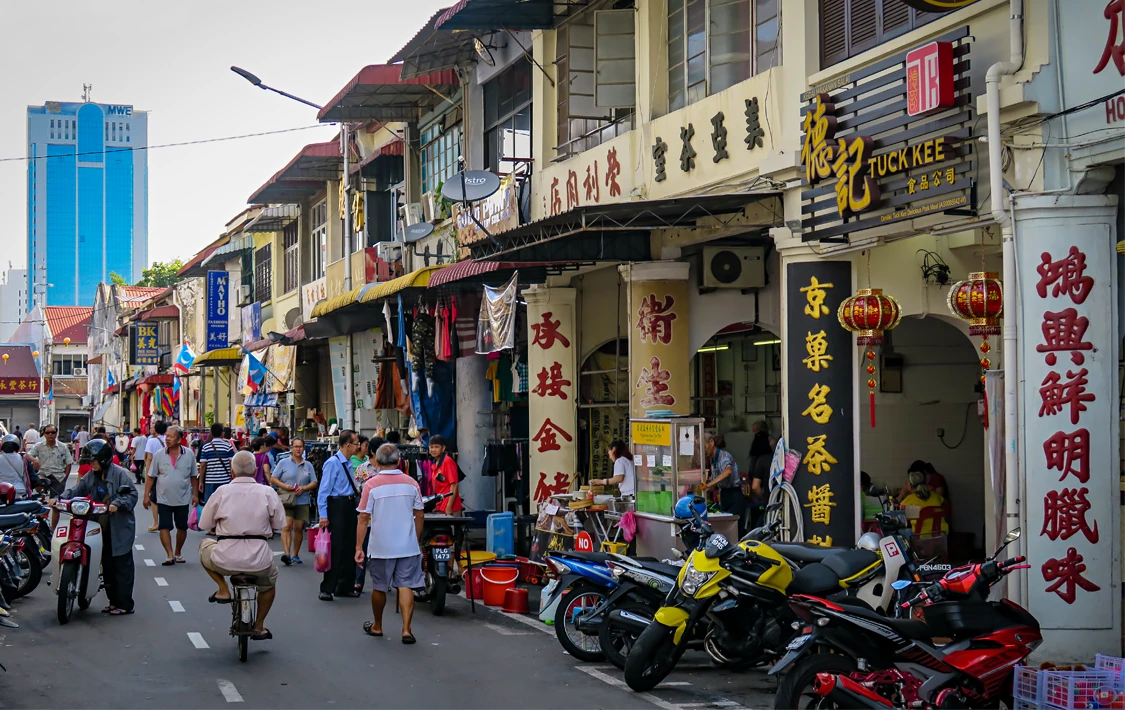
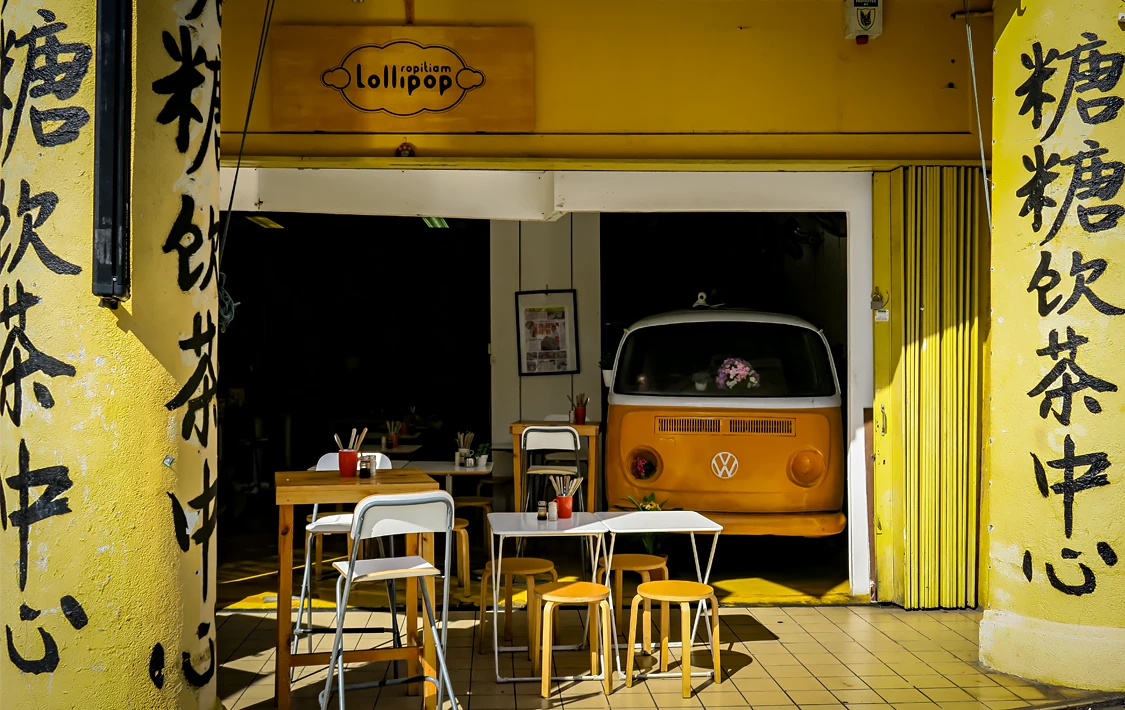
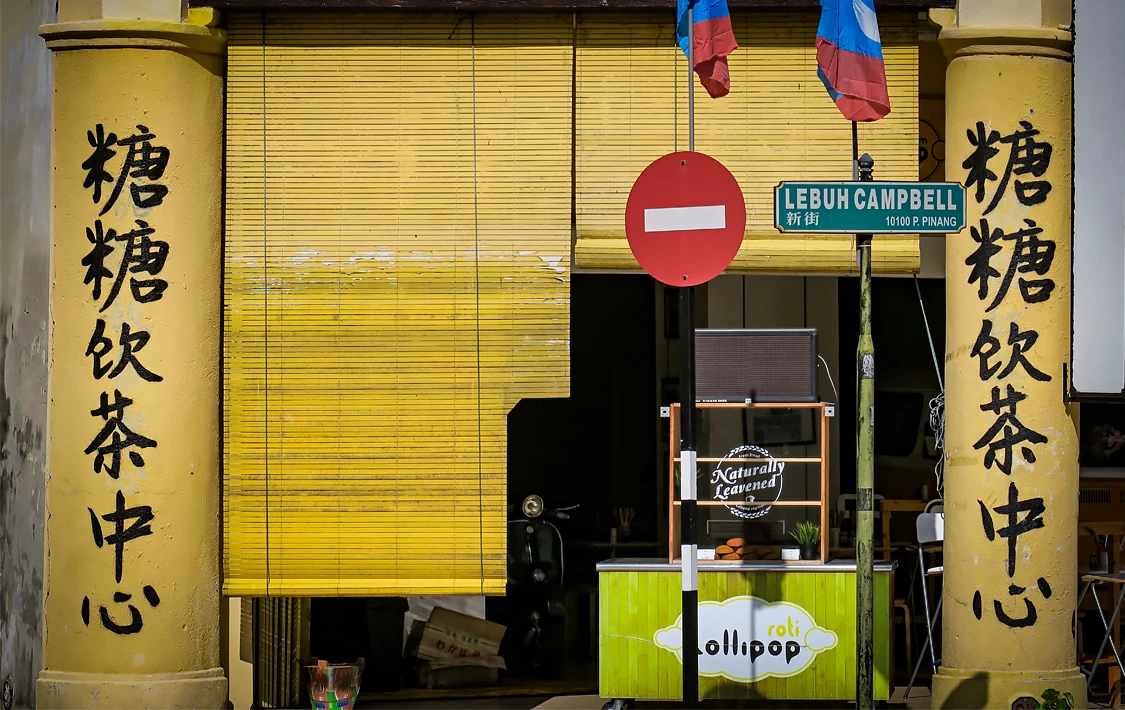
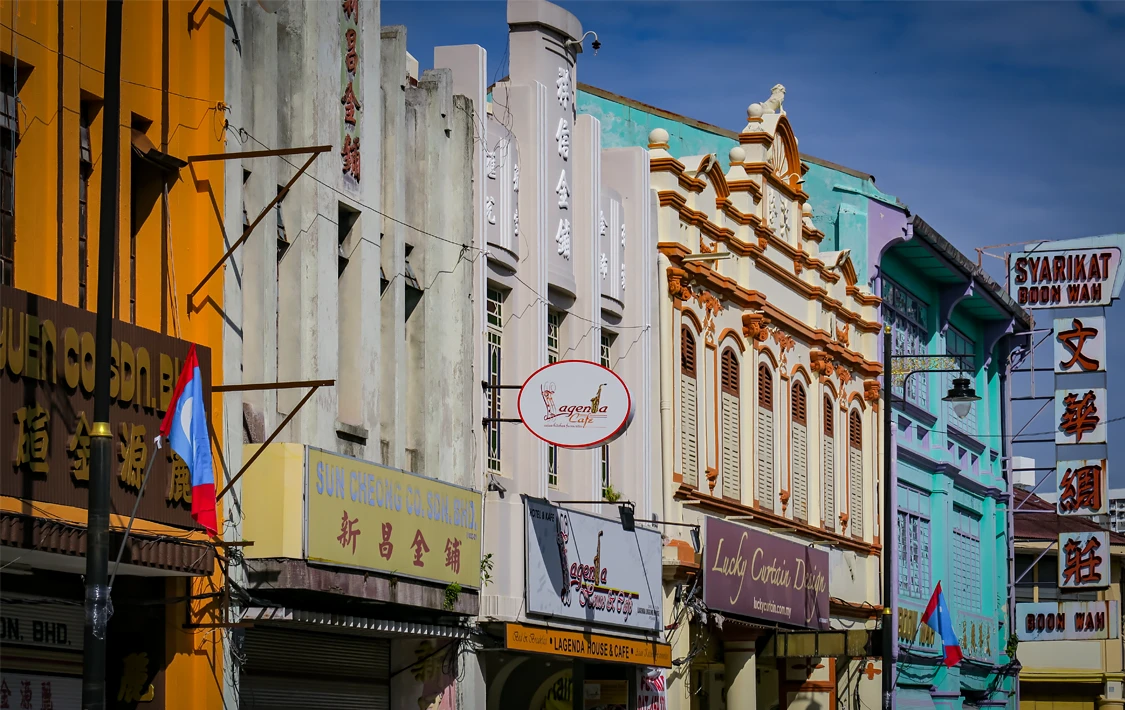
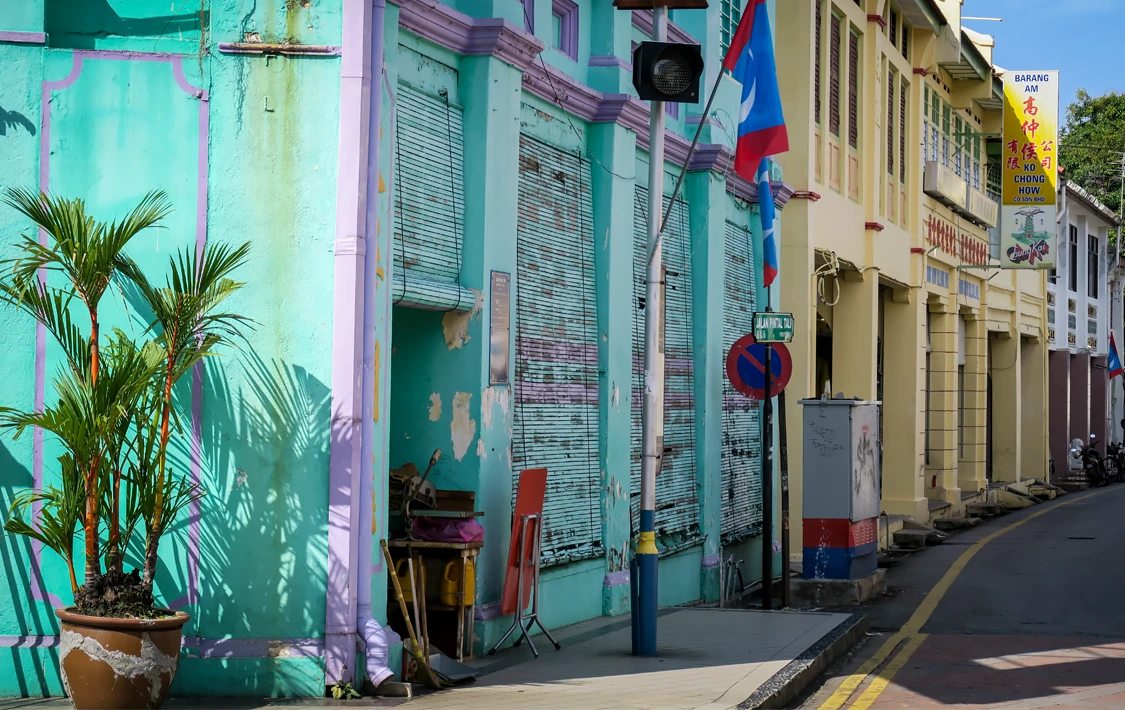
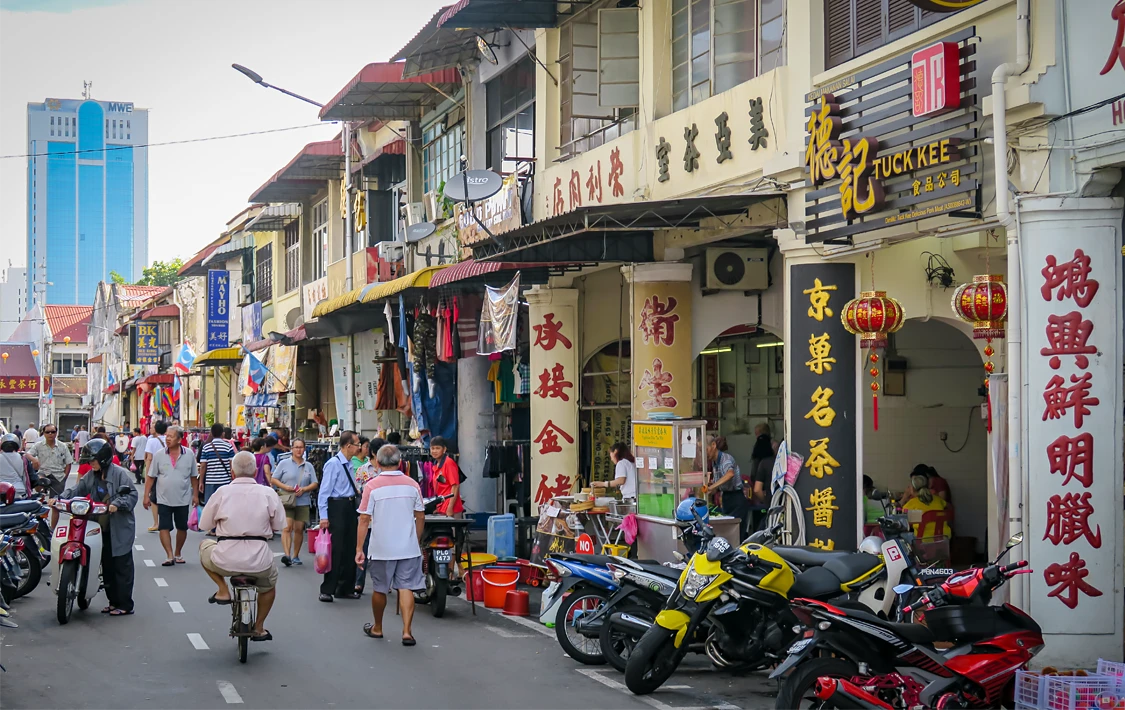
Campbell Street was established in the mid-19th century and named after Sir George William Robert Campbell, who later became the Lieutenant Governor of Penang. Towards the end of the 19th century, many Chinese immigrants settled along Campbell Street, helping shape the area’s identity.
At the same time, Campbell Street developed into a red-light district, where mainly Cantonese prostitutes worked. To mark the brothels, entrances along the street were traditionally identified with red lanterns.
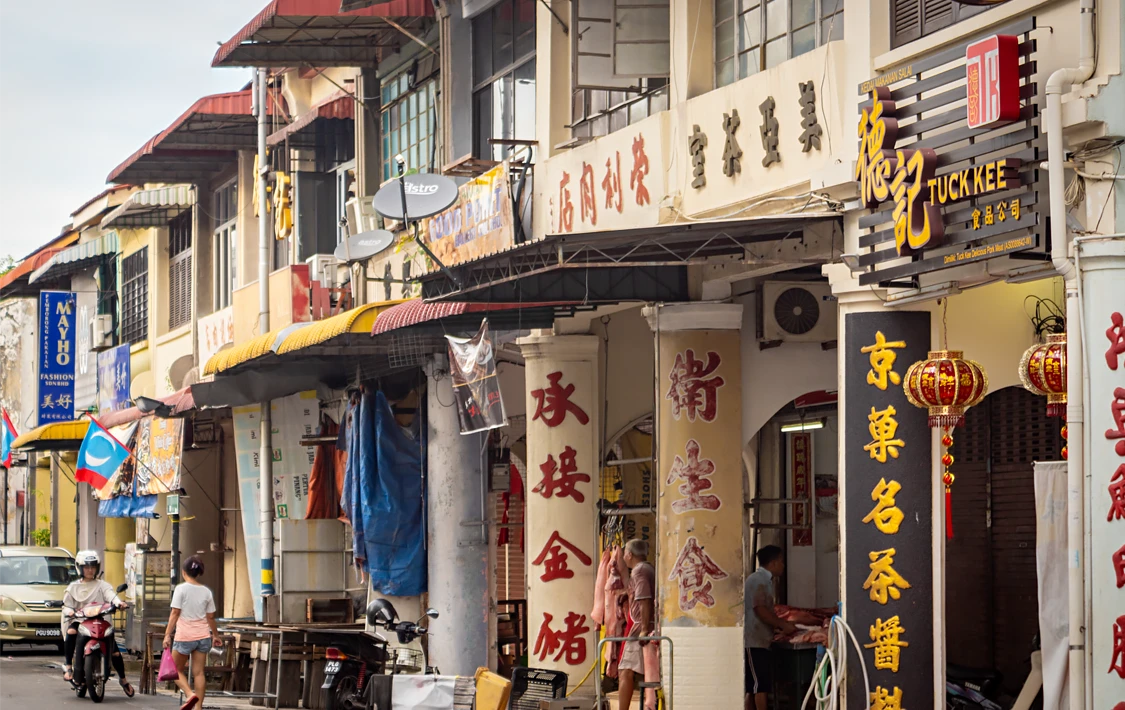
Today, the street is lined with colourful colonial buildings housing shops selling jewellery, textiles, bags and traditional Chinese herbal products. Over the years, cafés, restaurants and bars have also become part of the neighbourhood.
It quickly becomes clear that you are in the heart of Chinatown, as the street is decorated with Chinese signs, lanterns and traditional shopfronts that create a distinctly Chinese atmosphere.
For me, Campbell Street is one of the most beautiful streets in Georgetown. Walking along the road feels like stepping into another world, where well-preserved colonial architecture contrasts with Chinese storefronts and colourful decorations. During your Georgetown visit, Lebuh Campbell is definitely worth exploring on foot.
Useful Information About Campbell Street
8.2 Lebuh Cintra – Georgetown’s Former Secret Agent Street
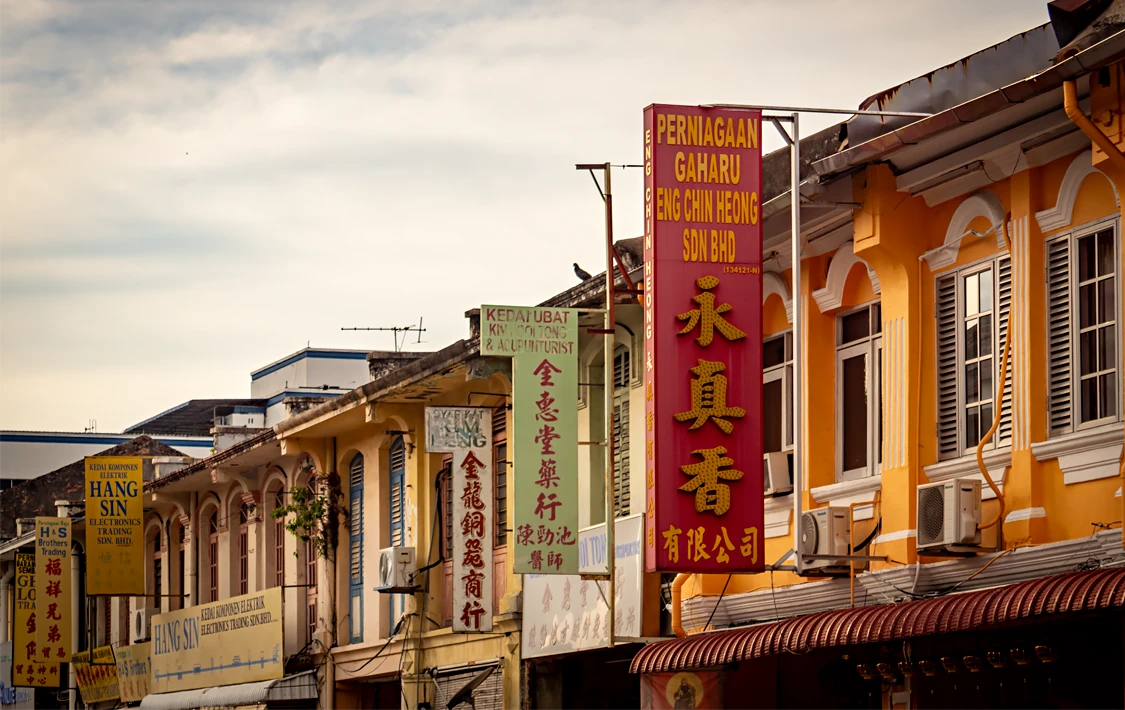
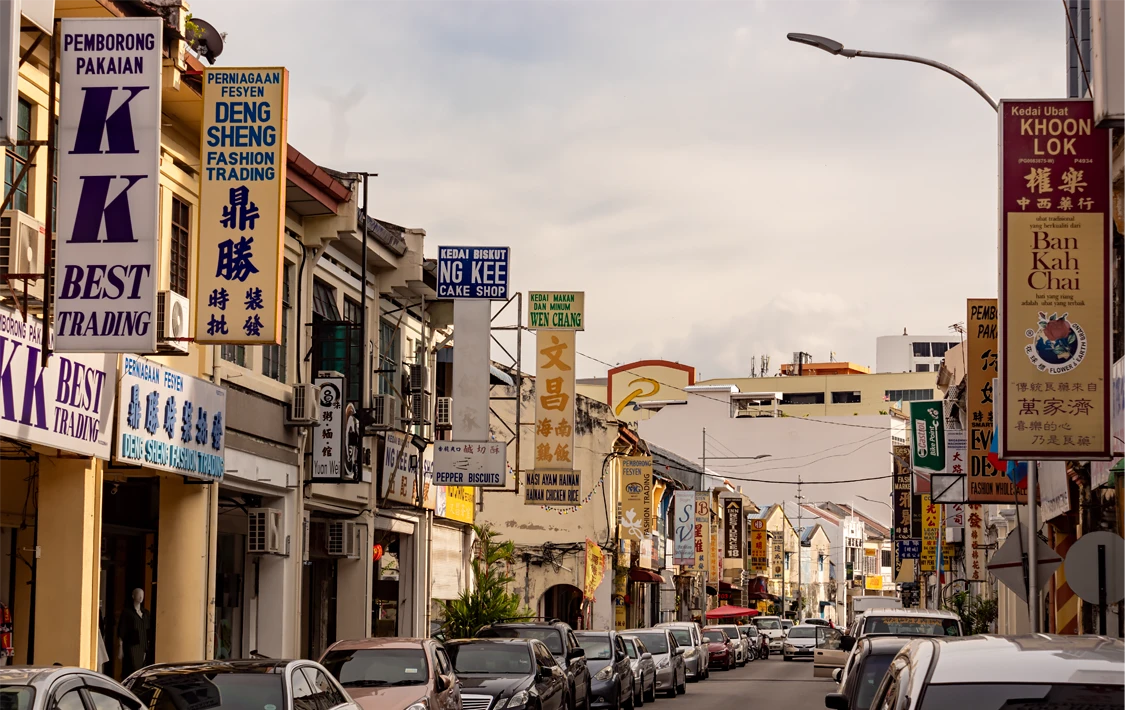
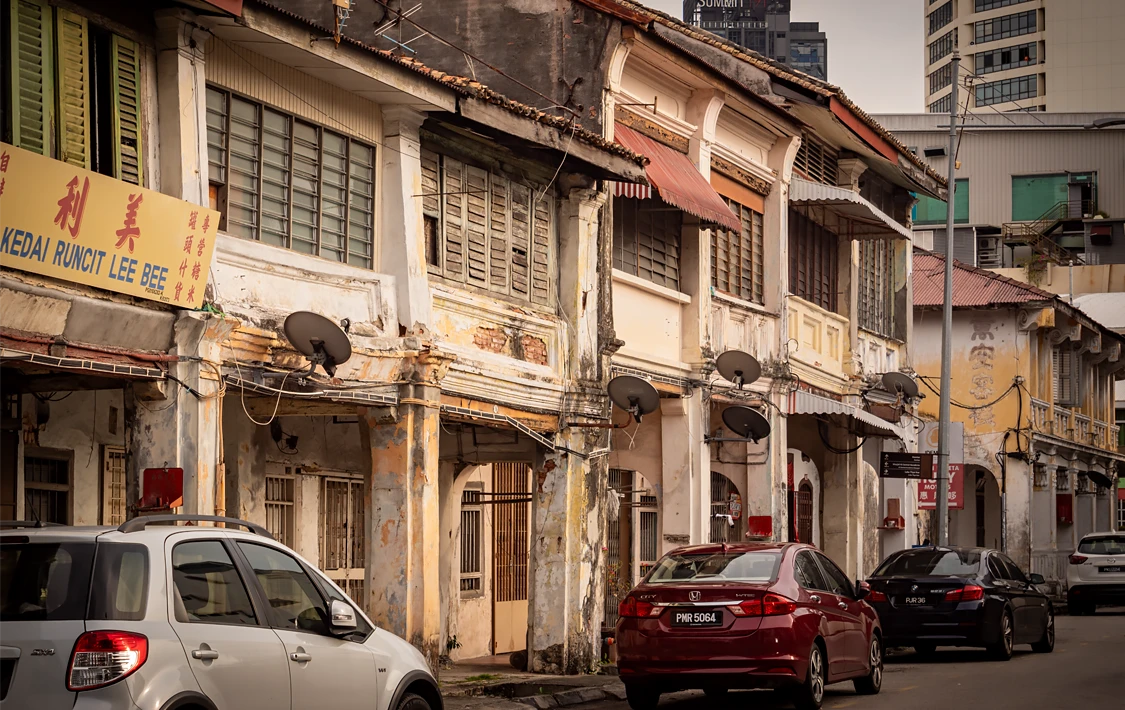
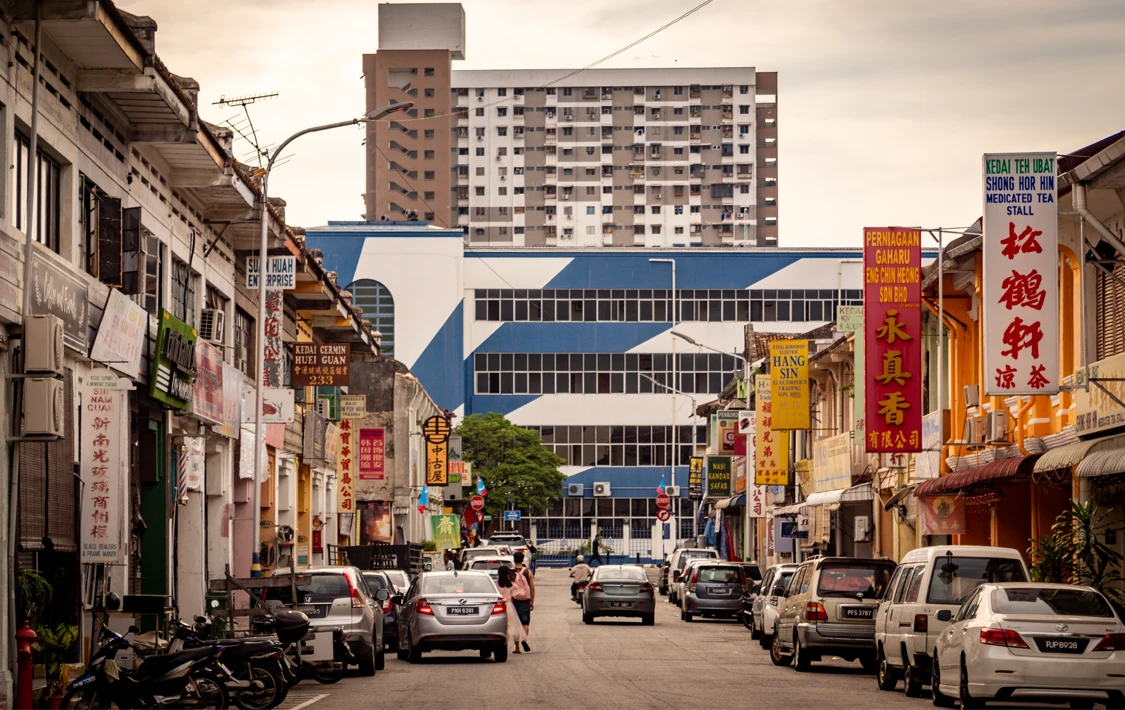
Until the early 20th century, Lebuh Cintra was known as a red-light district, primarily home to Japanese geisha houses. At that time, Japanese women in Georgetown were often treated as second-class citizens.
Before the Second World War, many ethnic Japanese opened photography businesses along Cintra Street. However, some of these businesses reportedly served as a cover for Japanese spies, who gathered intelligence about Penang and contributed to preparations for the Japanese invasion in 1941.
Today, Lebuh Cintra is mainly known for its street food stalls and small restaurants, many of which serve traditional Cantonese cuisine. The street offers a completely different atmosphere compared to its historical past.
Similar to nearby Campbell Street, you will also find beautiful colonial buildings along Lebuh Cintra. A pleasant walking route begins around Jalan Sungai Ujong and continues towards Lebuh Cintra, allowing you to experience some of Georgetown’s historic streets and hidden corners.
Useful Information About Lebuh Cintra
8.3 Chinatown: Fook Thong Temple
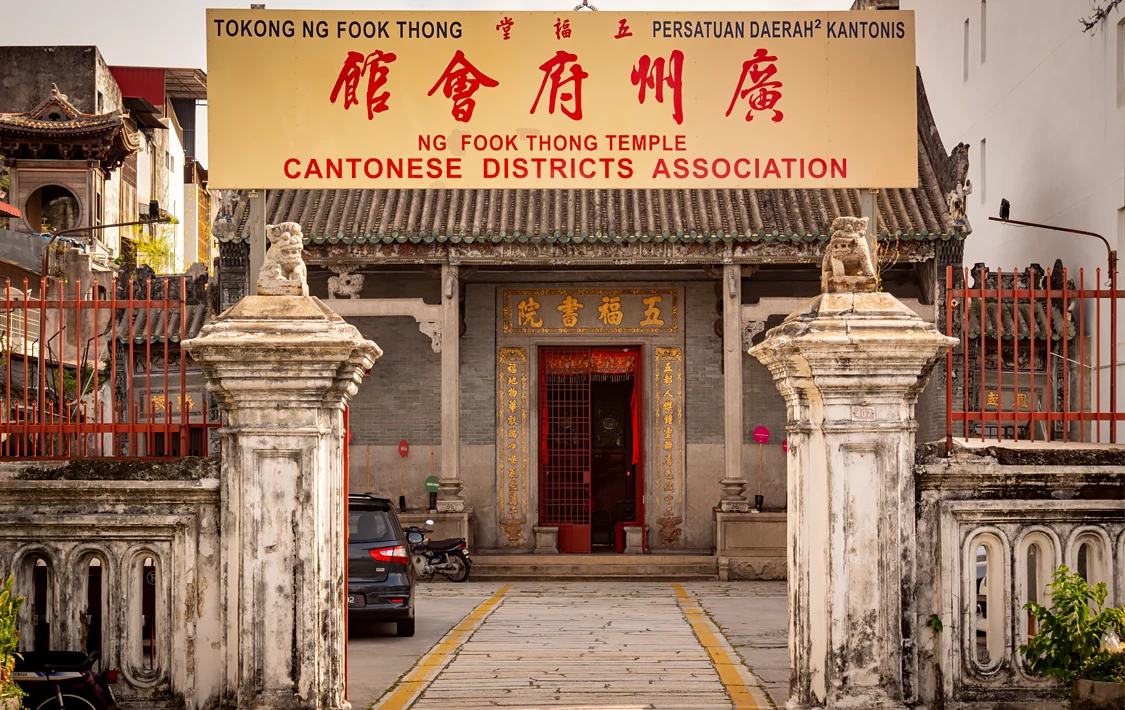

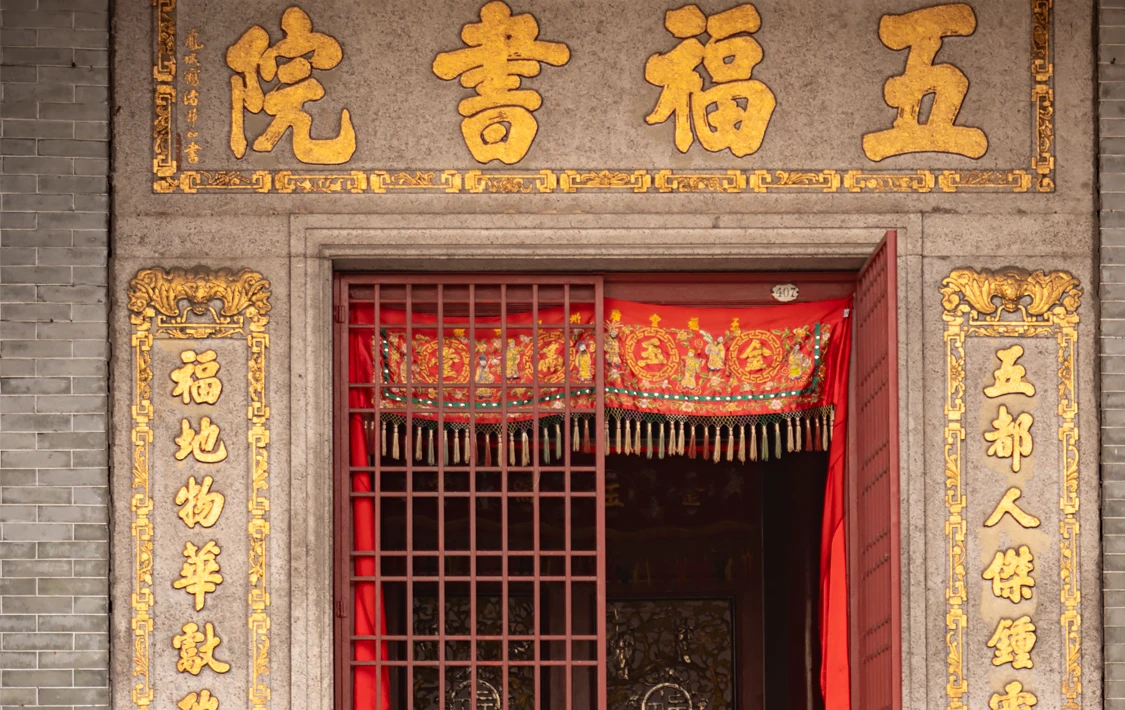
The Fook Thong Temple was built in the late 19th century by South Chinese craftsmen and is located along Chulia Street. Although the temple may not rank among Georgetown’s absolute highlights, its distinctive architecture and decorative details still make it worth a stop during your exploration of the city.
The most eye-catching feature is undoubtedly the ornately decorated roof, adorned with traditional porcelain figurines and intricate craftsmanship. These details create a striking contrast and make the temple an interesting photo spot, especially for visitors interested in architecture and cultural heritage.
Useful Information About Fook Thong Temple
8.4 Chinatown: Han Jiang Ancestral Temple
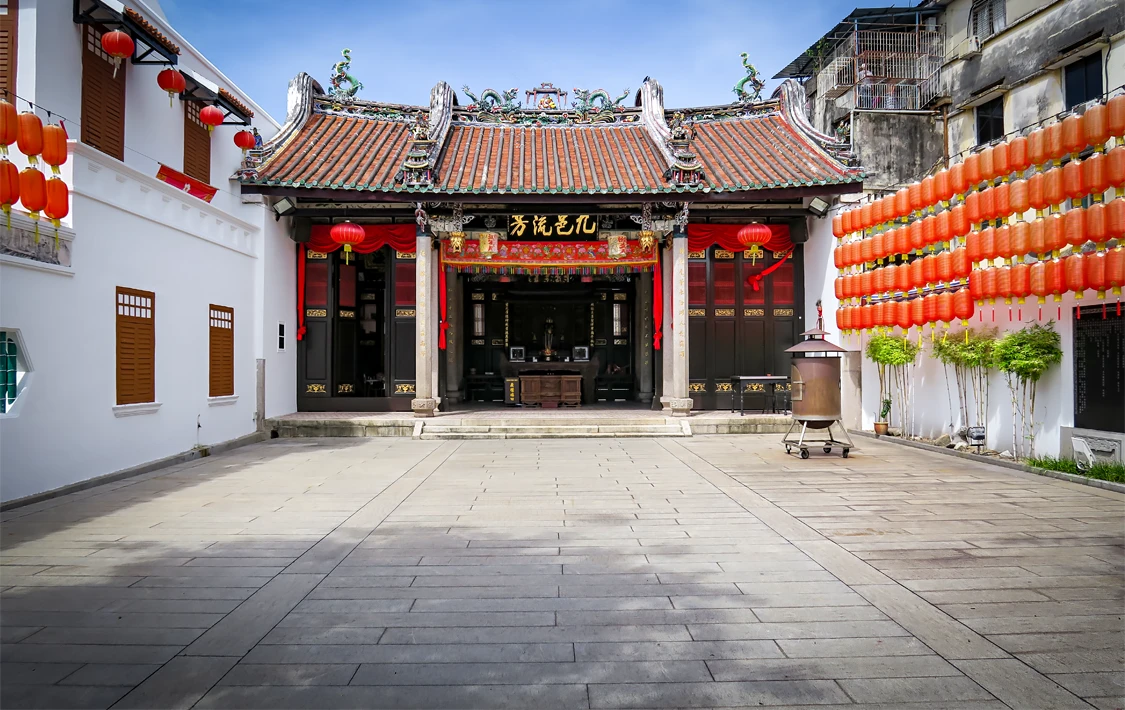
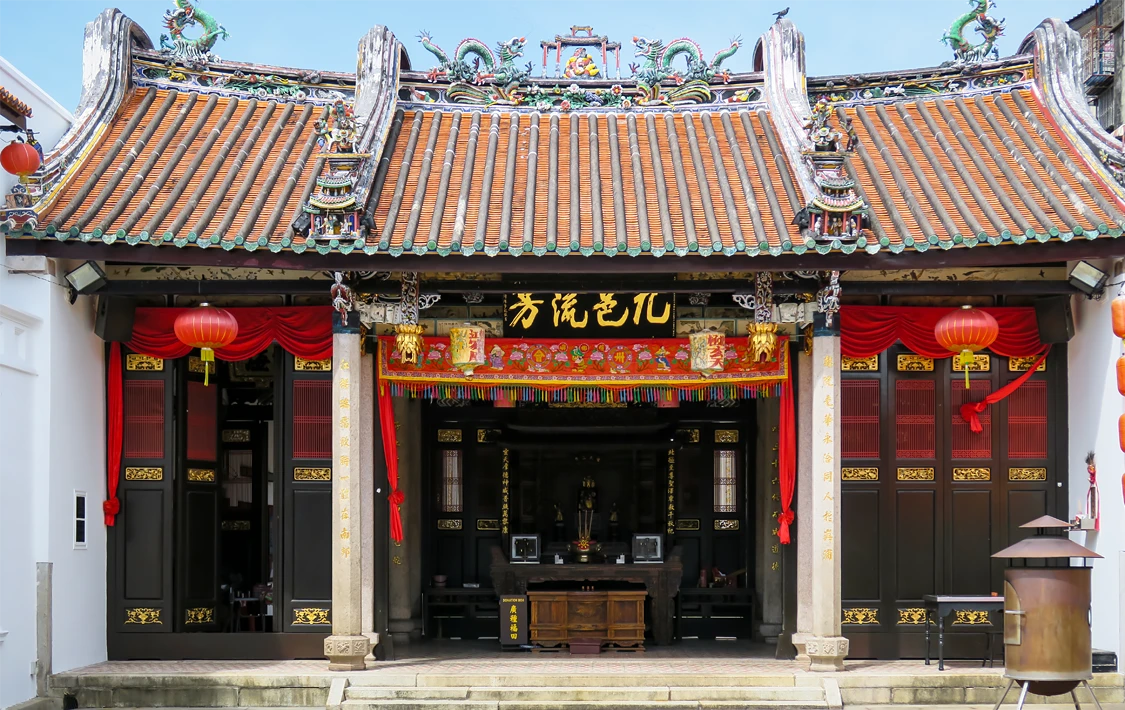
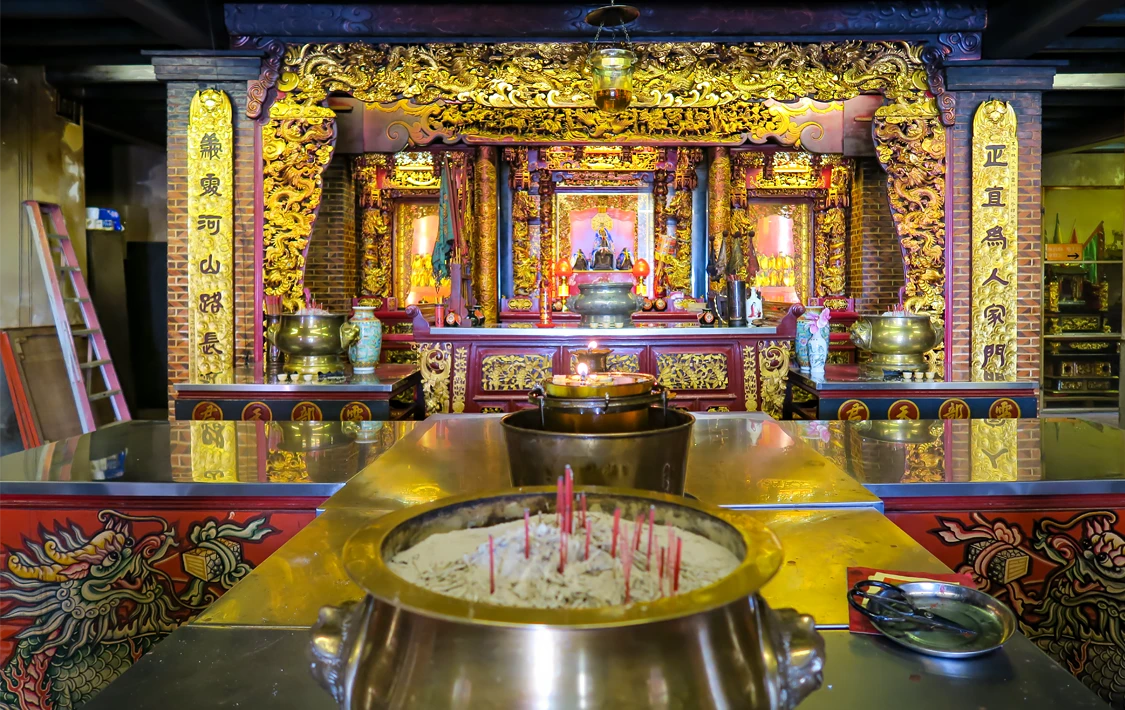
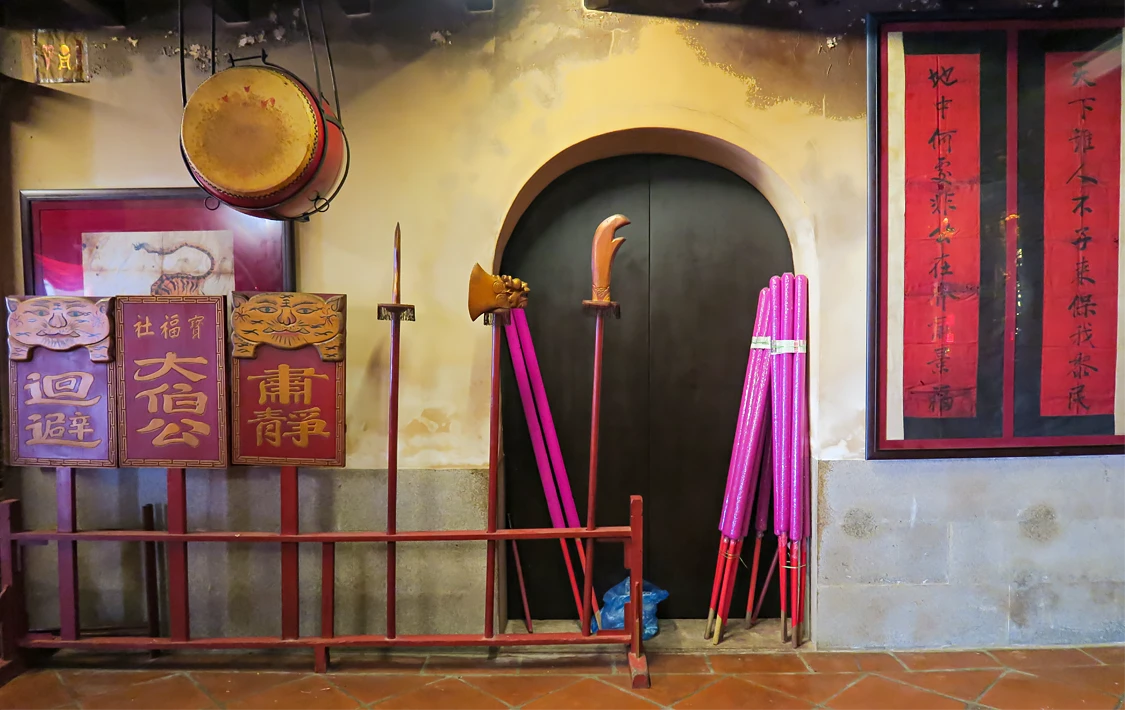


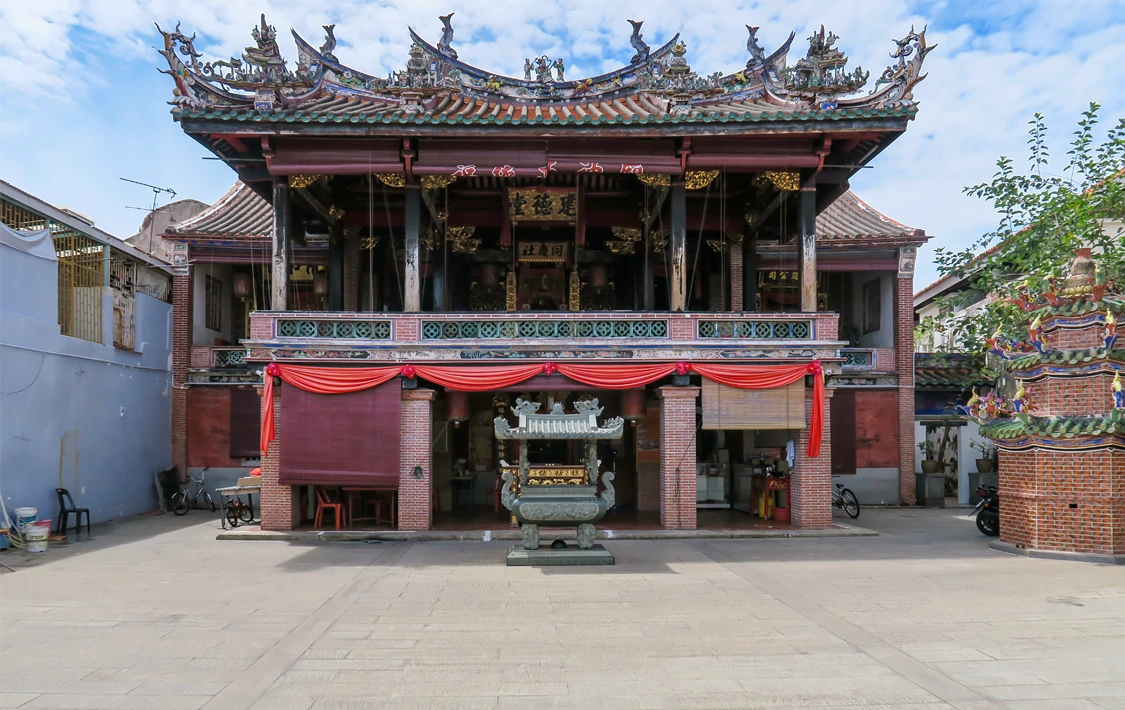
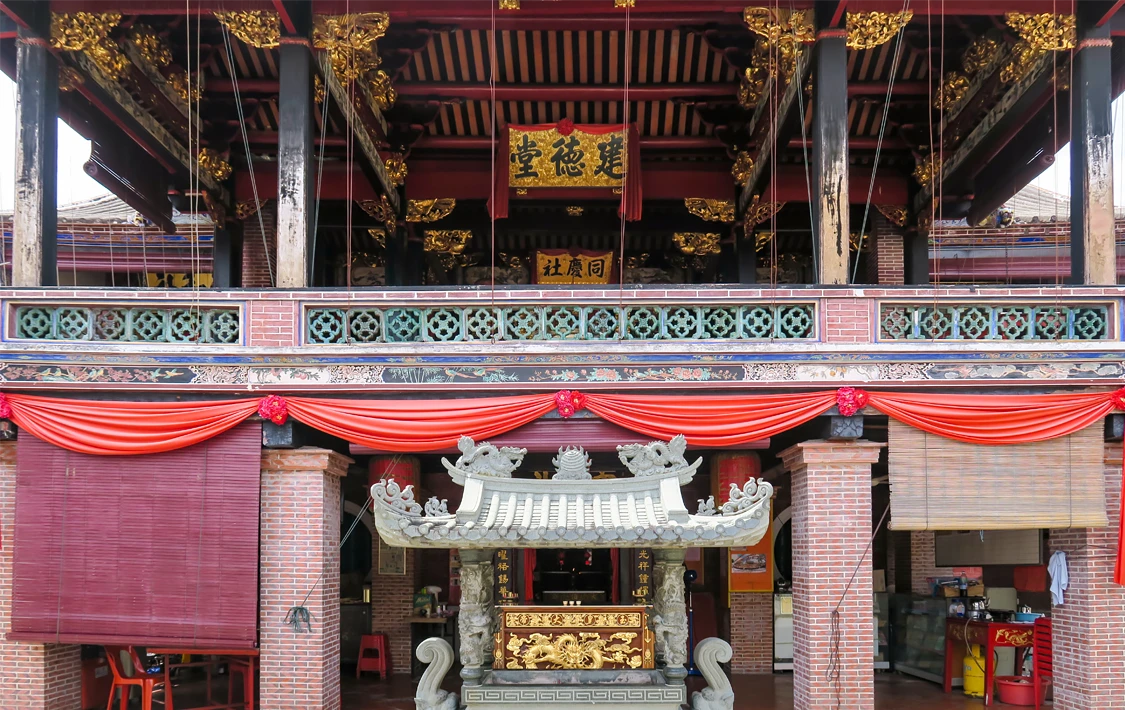
The Han Jiang Temple was built in 1870 by Teochew-Chinese immigrants from Guangdong, who originally worked as plantation farmers and food traders in Penang. The temple is dedicated to the protector deity of the Teochew community, associated with the Taoist God of the North, and appears relatively modest from the outside.
However, once inside, you’ll notice beautifully decorated wooden doors with golden details, colourful wall paintings and intricate ornaments surrounding the altar area. The temple’s elaborately designed roof, adorned with numerous statues and mythological figures, is another highlight worth paying attention to.
Compared to Georgetown’s more famous attractions, the Han Jiang Temple remains surprisingly quiet, which gives it the feeling of a true hidden gem and offers a more authentic atmosphere.
Useful Information About Han Jiang Temple
8.5 Chinatown: Goddess of Mercy Temple
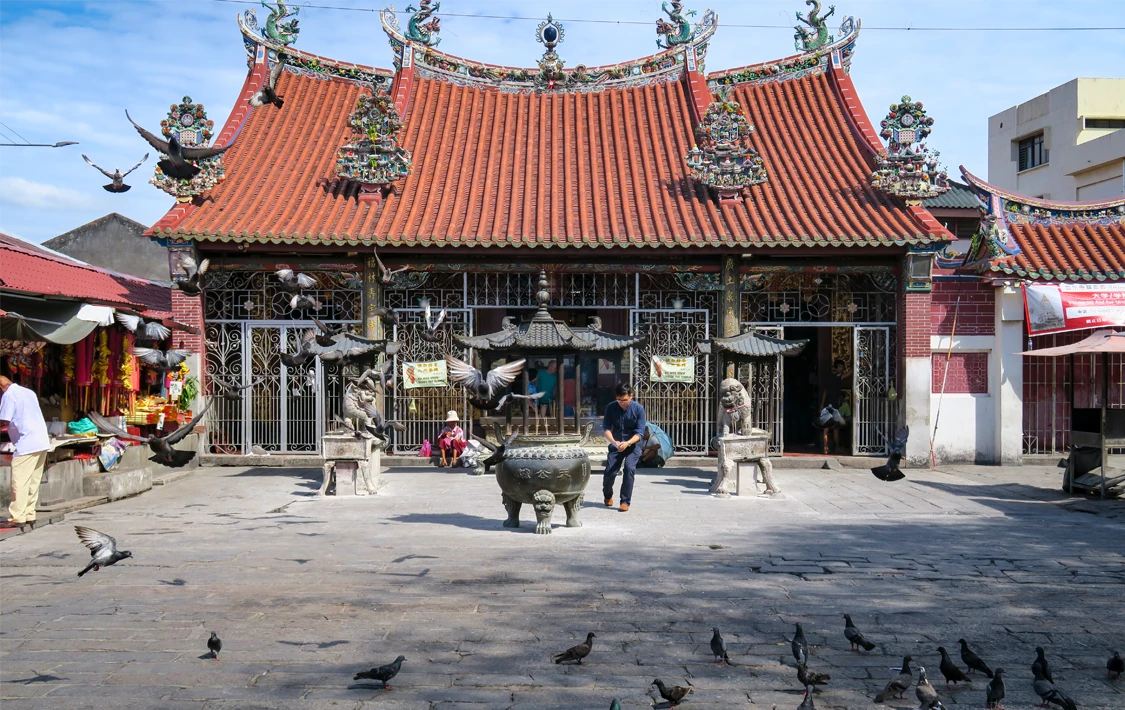
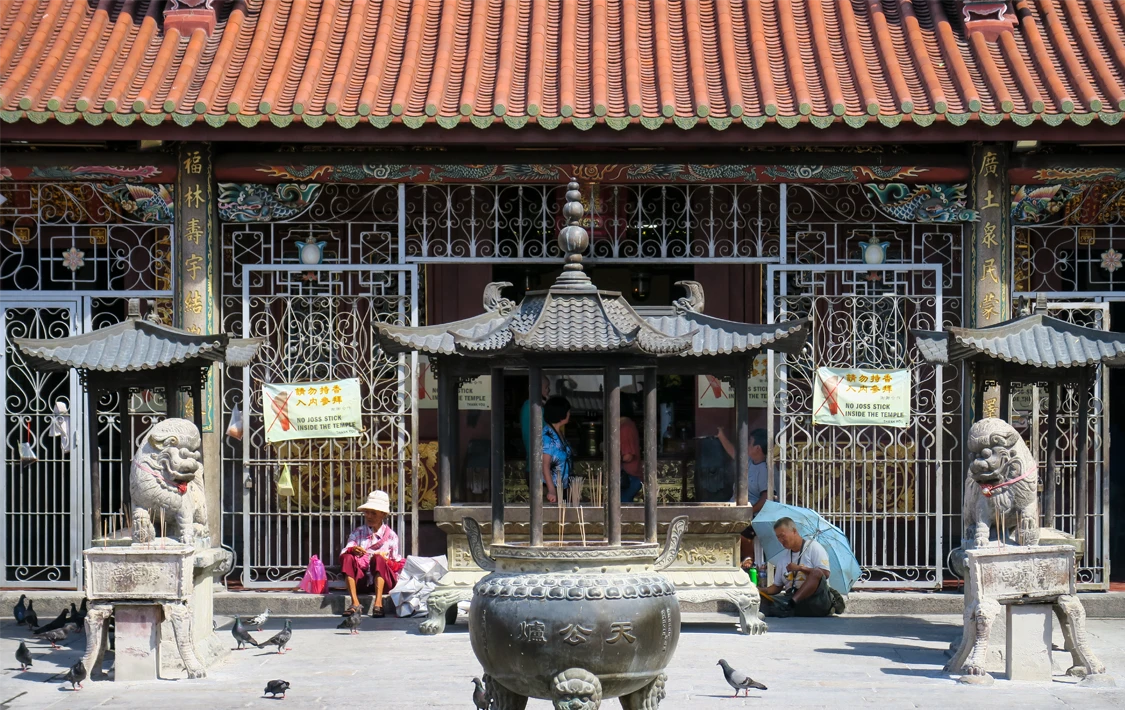
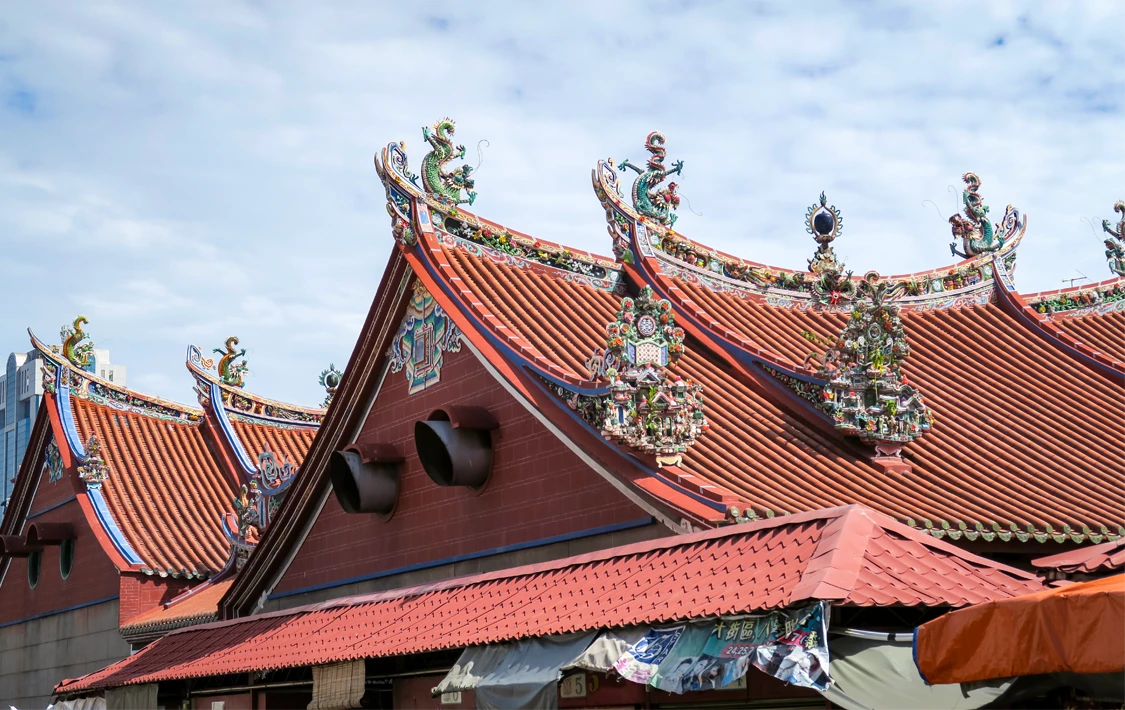
The Goddess of Mercy Temple was built in 1728, making it the oldest Taoist temple on Penang Island. The temple was dedicated to Kuan Yin, the Goddess of Mercy, and remains one of the most important religious centres for the Chinese Taoist community in Georgetown.
In front of the temple, you’ll find small food stalls and shops selling incense sticks, flowers and offerings for worshippers. The entire complex was designed according to Feng Shui principles and features a fascinating architectural style.
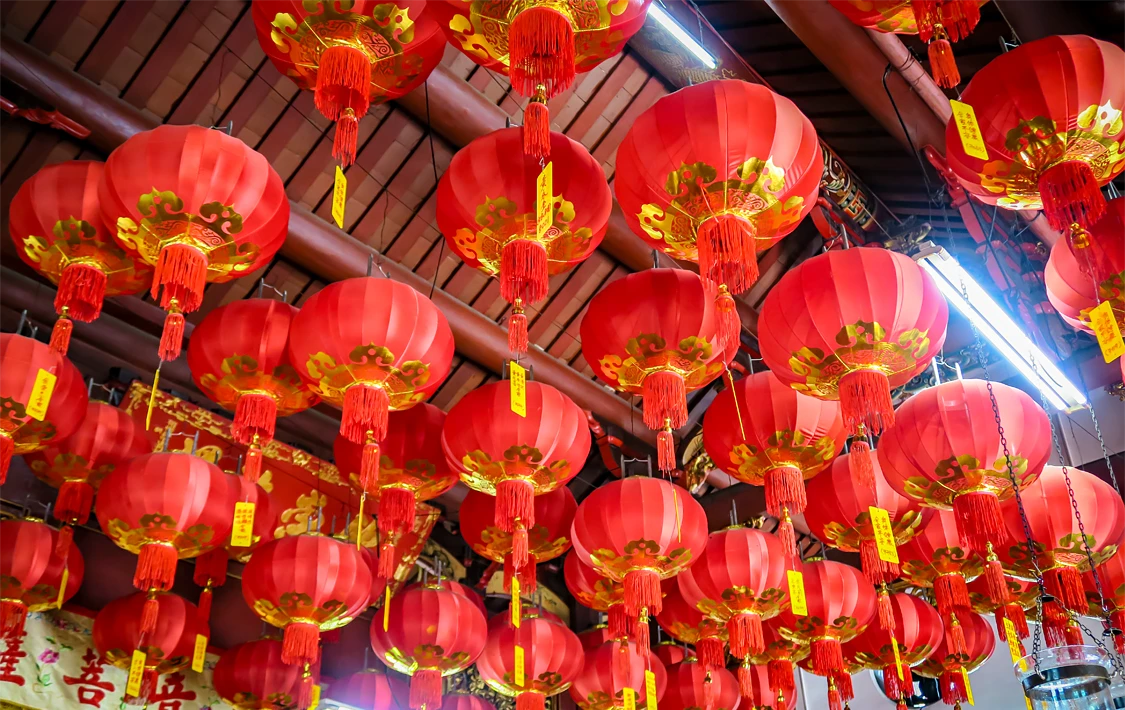
To enter the temple, visitors pass through large decorated doors adorned with paintings of deities, while the interior impresses with golden ornaments, Chinese characters, intricate decorations, hanging lanterns and a small courtyard garden.
Although smaller than some of Georgetown’s other temples, the Goddess of Mercy Temple offers an authentic atmosphere and a glimpse into Penang’s long Chinese heritage.
Useful Information About Goddess of Mercy Temple
8.6 Chinatown: Hainan Temple – Temple Dedicated to the Protector of Sailors
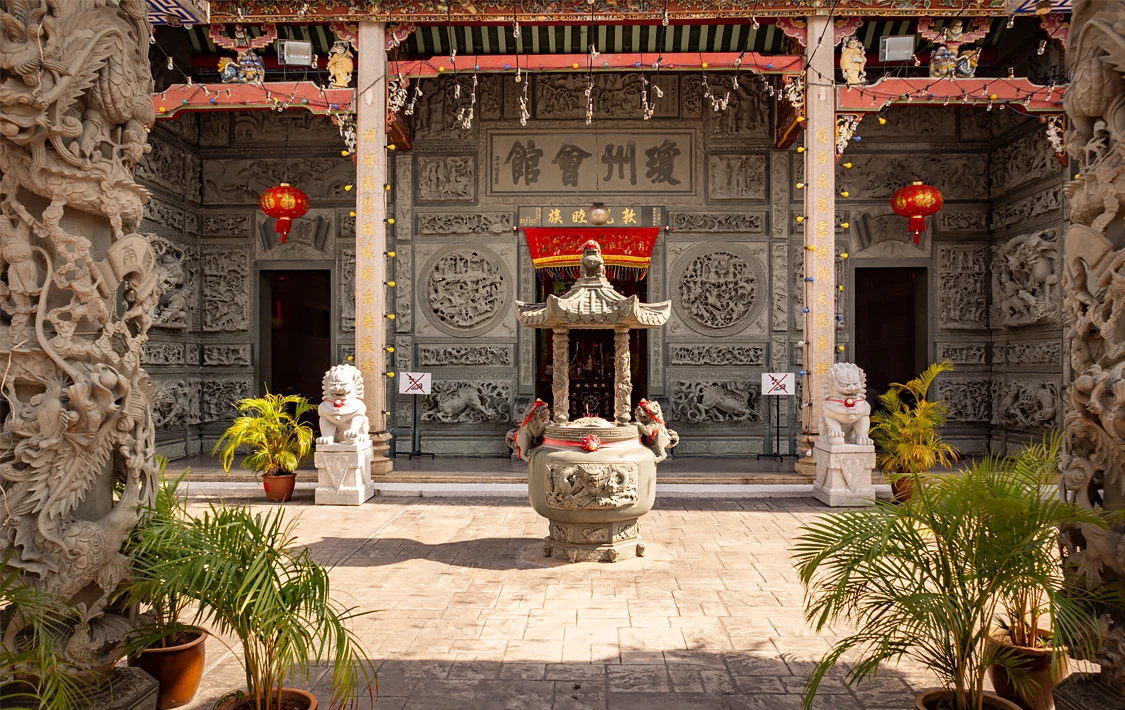
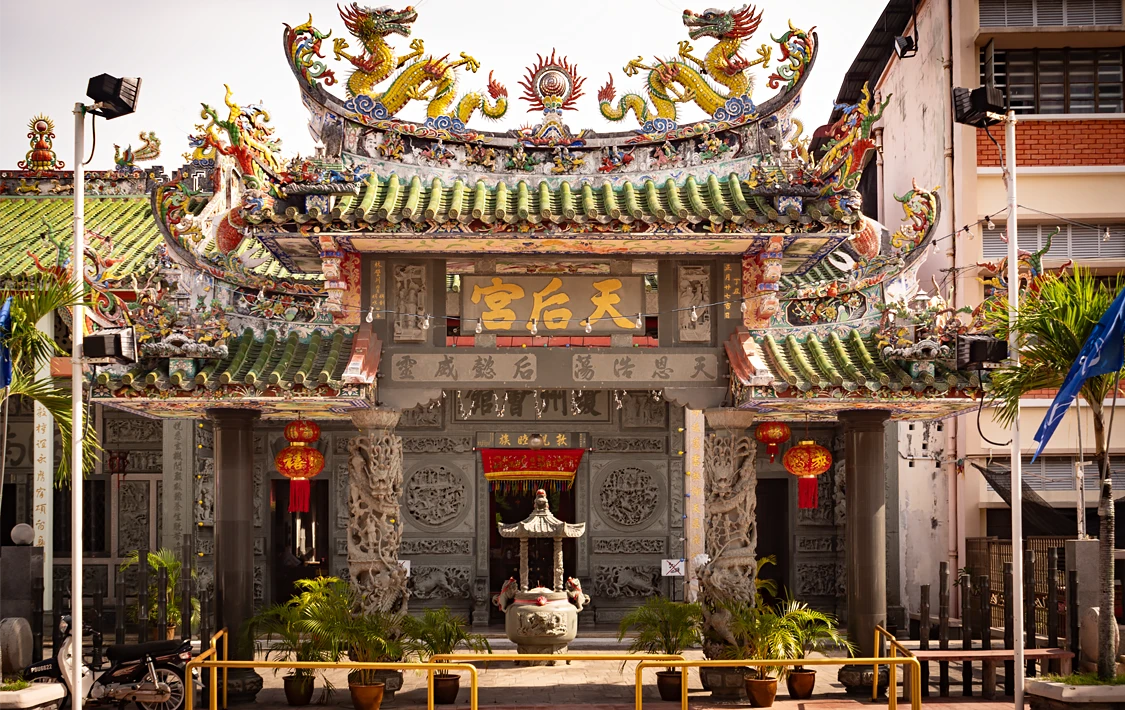
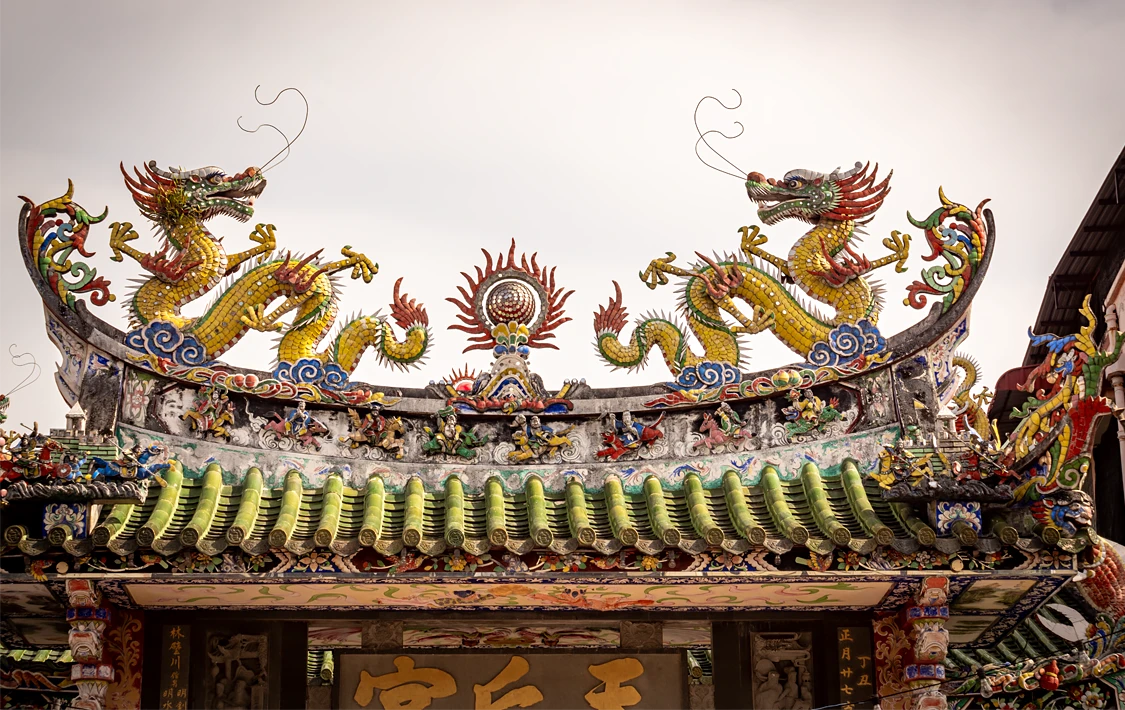
The Taoist Hainan Temple was built in 1895 by Chinese immigrants from Hainan and is located slightly outside Georgetown’s main Chinatown area. The temple was dedicated to Mazu, the Goddess of the Sea, who is worshipped as the protector of sailors and fishermen.
At that time, many Chinese immigrants survived the long and often dangerous sea journey from Hainan to Penang and later visited the temple to thank Mazu for guiding them safely across the ocean.
The temple is especially known for its beautiful stone-carved façade, decorated with dragons, deities, figures and intricate ornaments. The colourful mosaic roof decorations are also considered among the most impressive architectural details in Georgetown.
Compared to Georgetown’s busier attractions, the Hainan Temple offers a peaceful atmosphere, making it a quiet place to appreciate Penang’s Chinese heritage and craftsmanship.
Useful Information About Hainan Temple
9. Clan Jetties – Historic Floating Villages of Georgetown
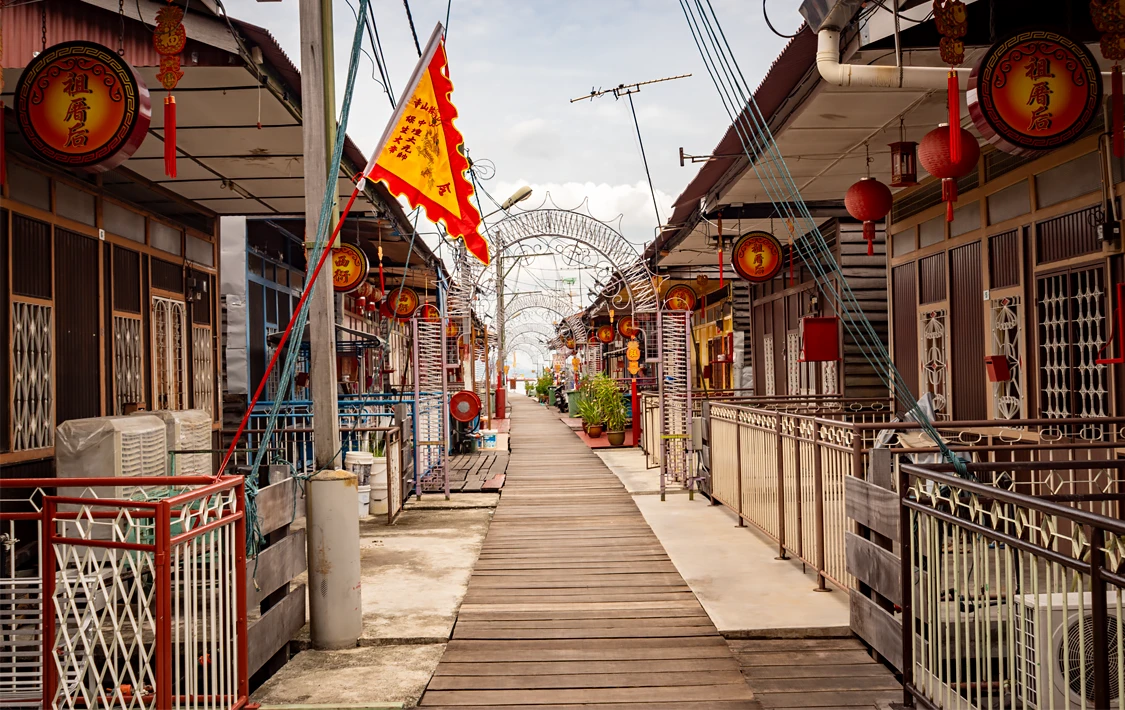

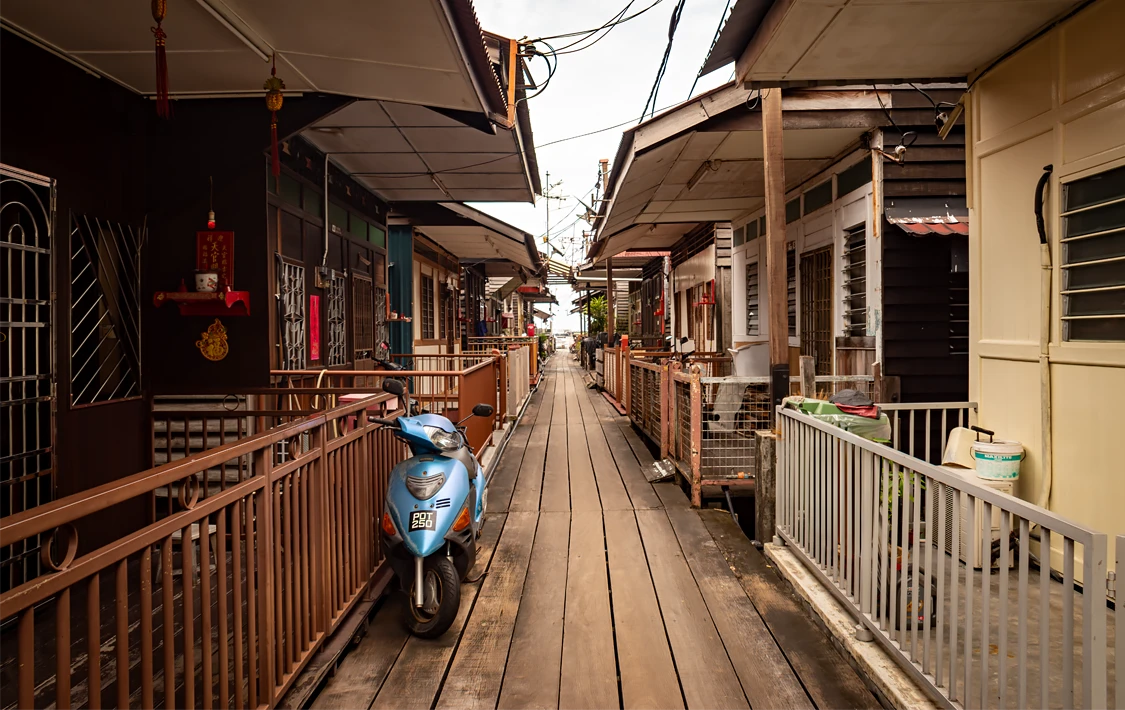
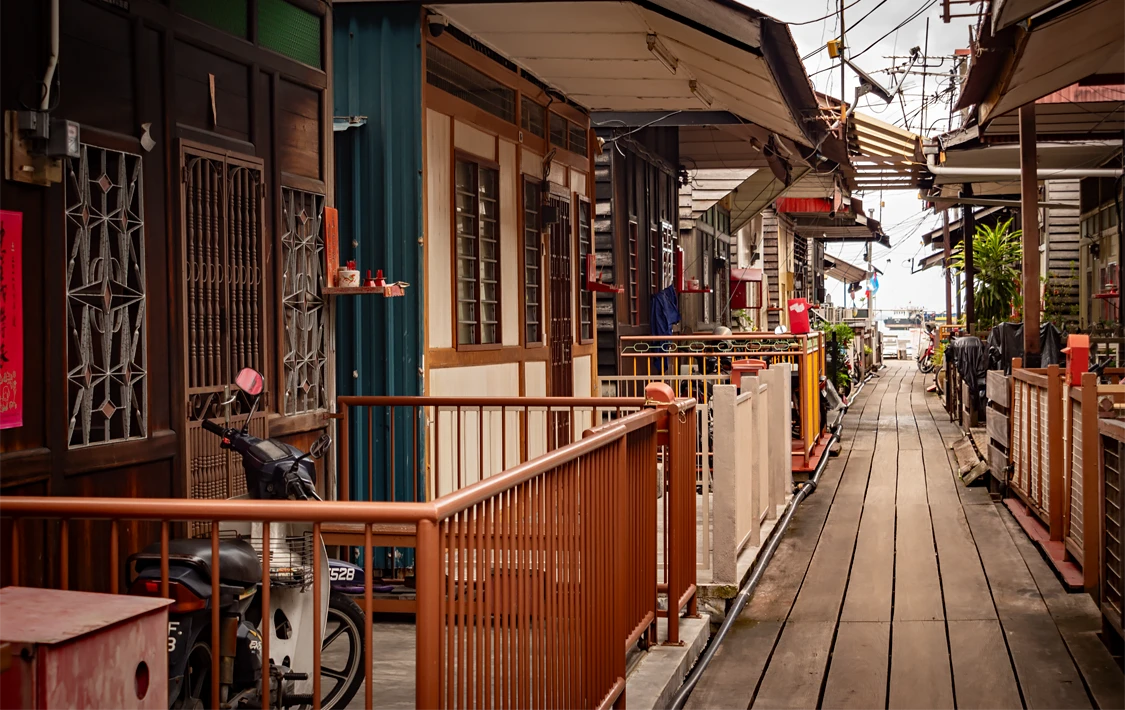

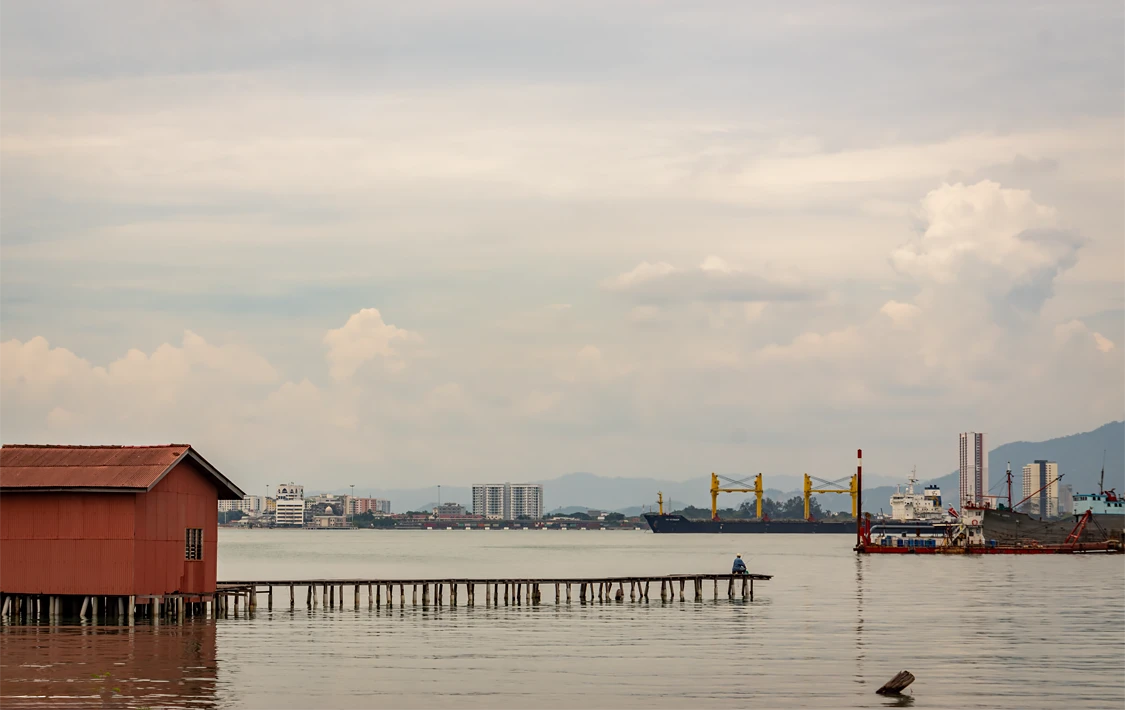
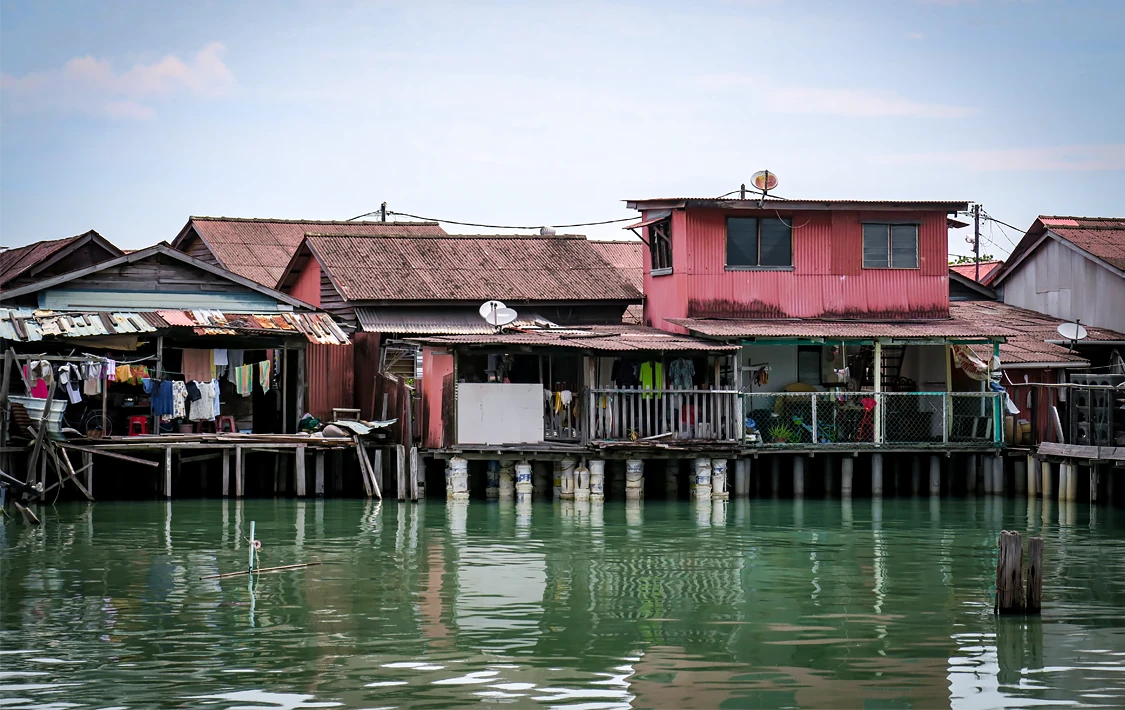
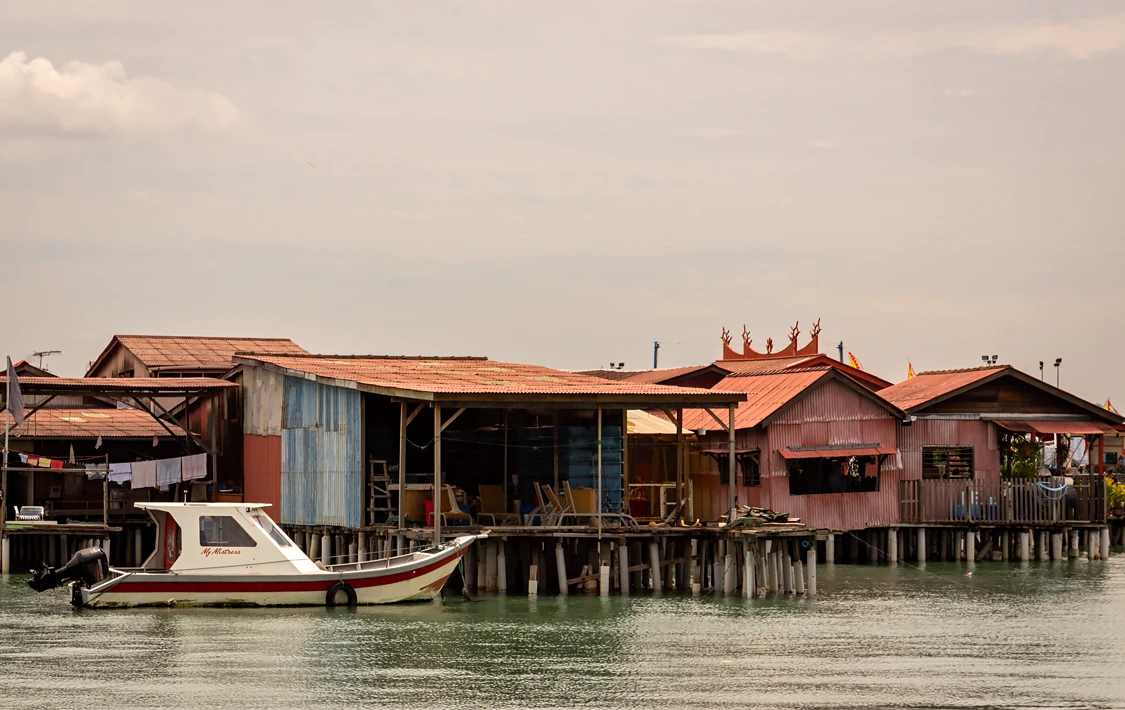
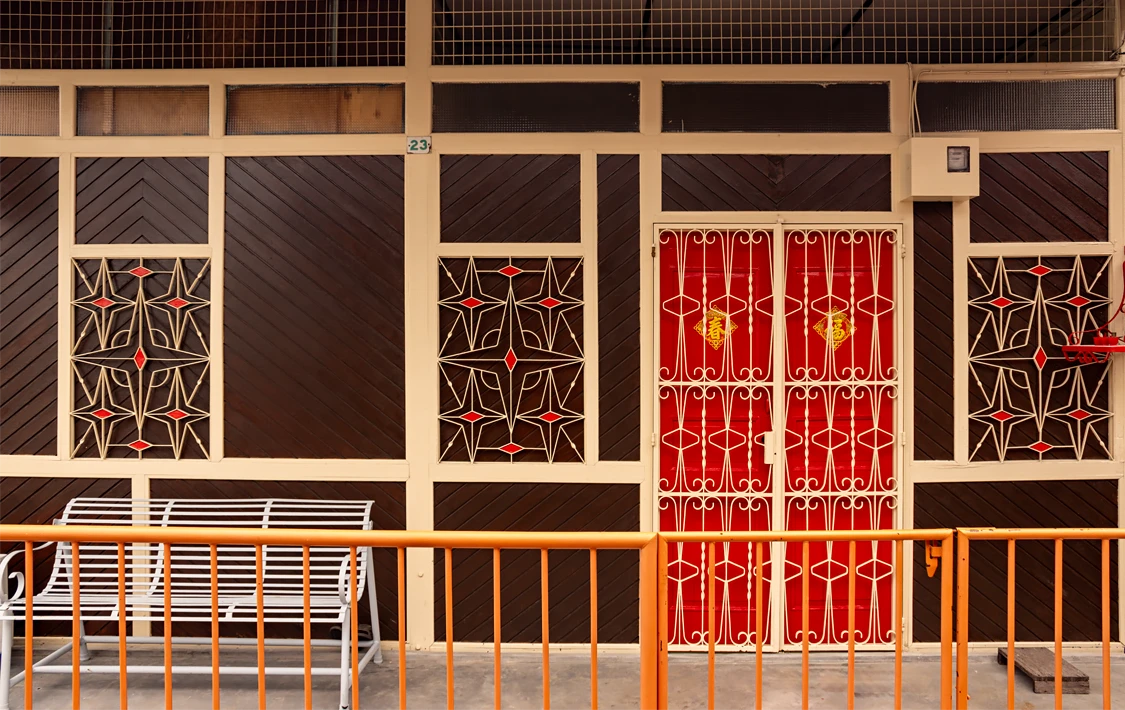
The Clan Jetties are historic settlements of Chinese immigrant families in Georgetown, dating back more than a century. Originally, these wooden stilt structures built above the sea served as landing docks for cargo ships, before gradually expanding with warehouses and homes.
Over time, rivalry between residents increased and different family clans formed, each claiming their own jetty. By the 1920s, the settlements had grown rapidly with additional houses and connecting pathways. Interestingly, the Clan Jetties had no running water or electricity until 1957. Even today, seven clans still live here, and due to their unusual location above the water, they have historically operated under special conditions.
Today, visitors can explore six different jetties, each with its own atmosphere. While Lim Jetty feels quieter and more traditional, Chew Jetty has become much more tourist-oriented with food stalls, souvenir shops and even guesthouses.
The wooden houses stretching across the sea create a unique setting, making the Clan Jetties one of Georgetown’s most iconic attractions and best photo locations.
Useful Information About the Clan Jetties
9.1 Hean Boo Thean Kuan Yin Temple – A Temple Above the Water at the Clan Jetties
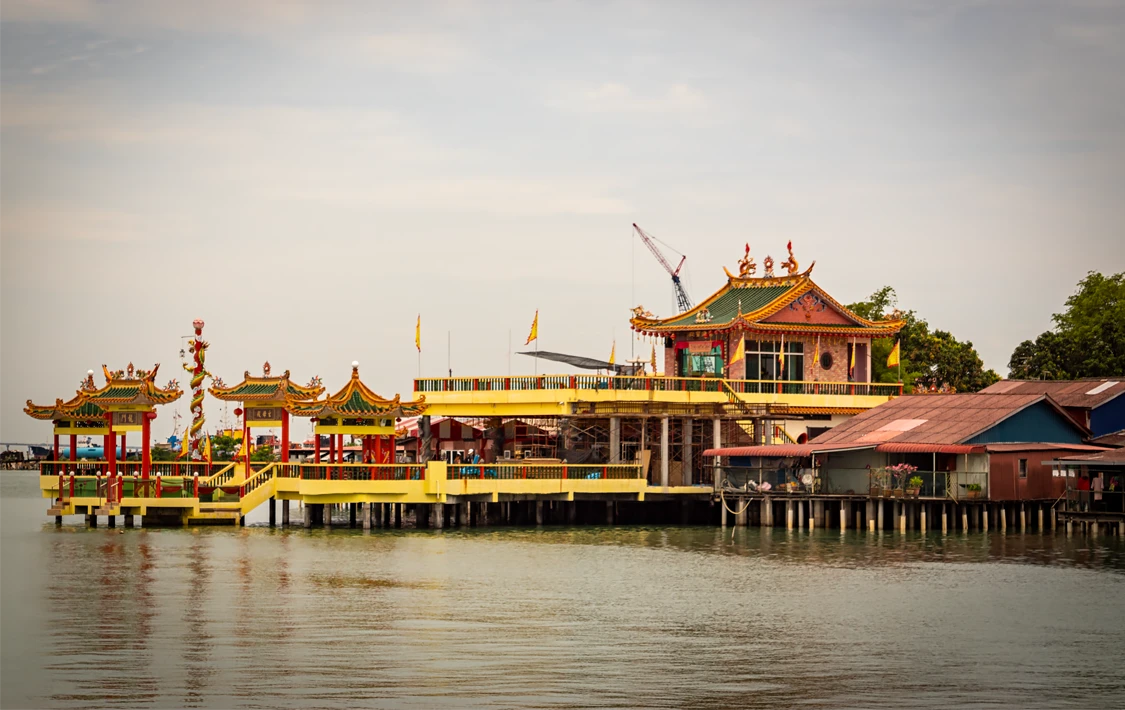
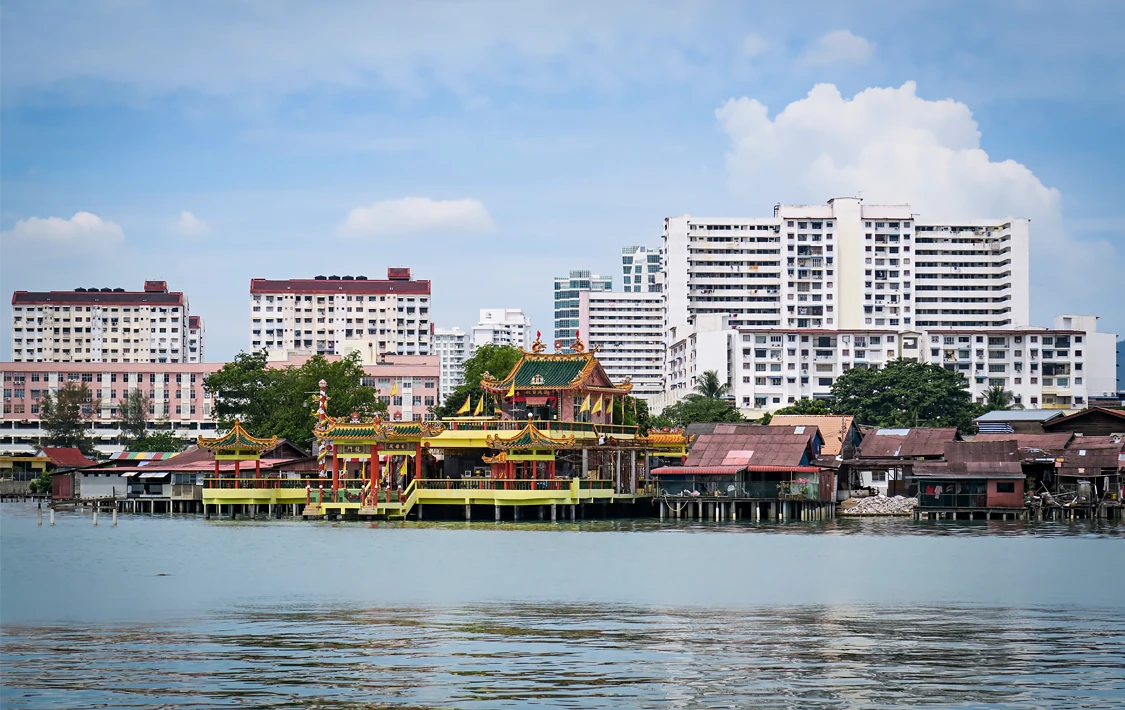
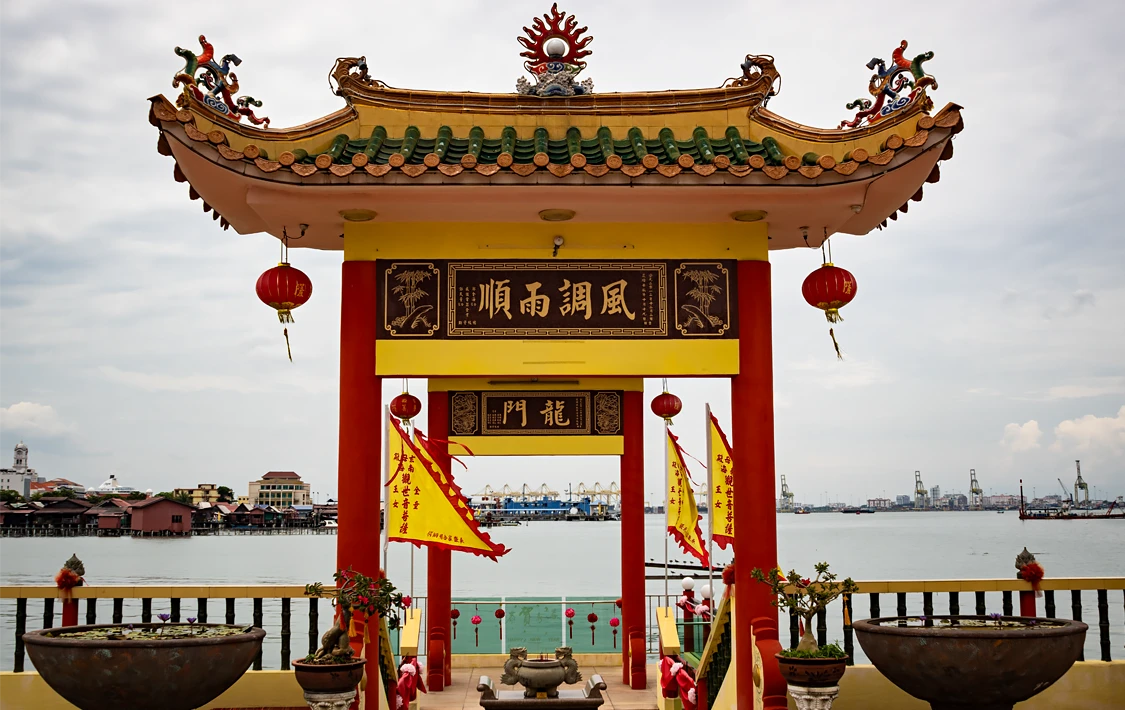
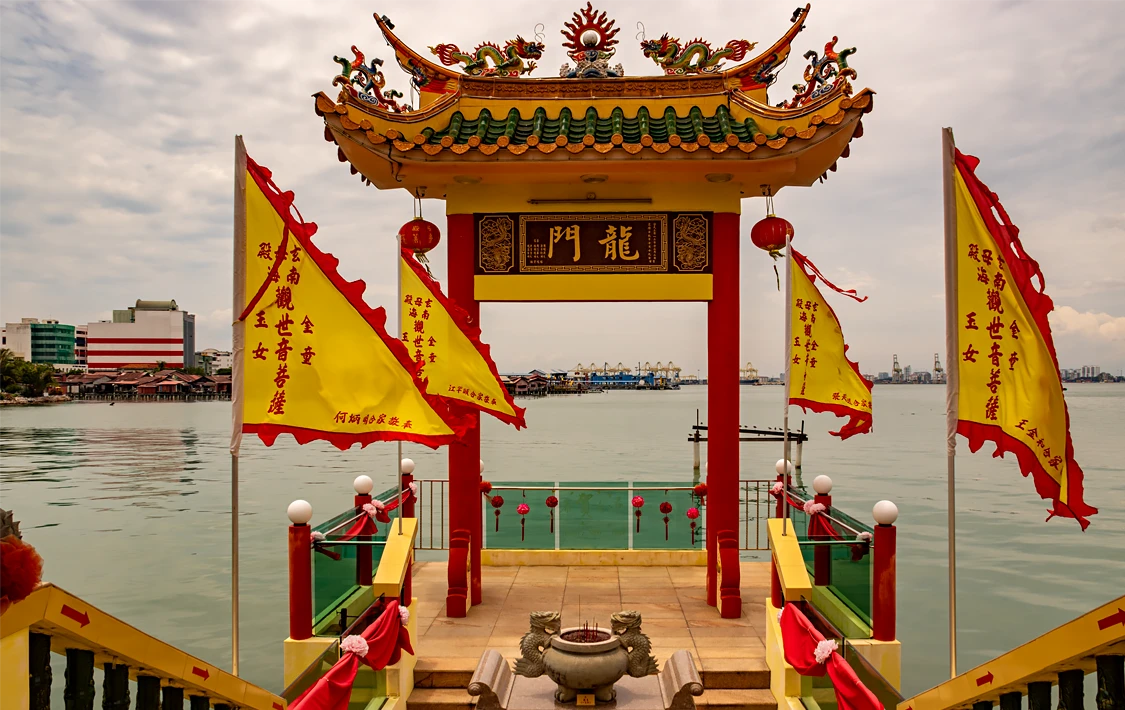
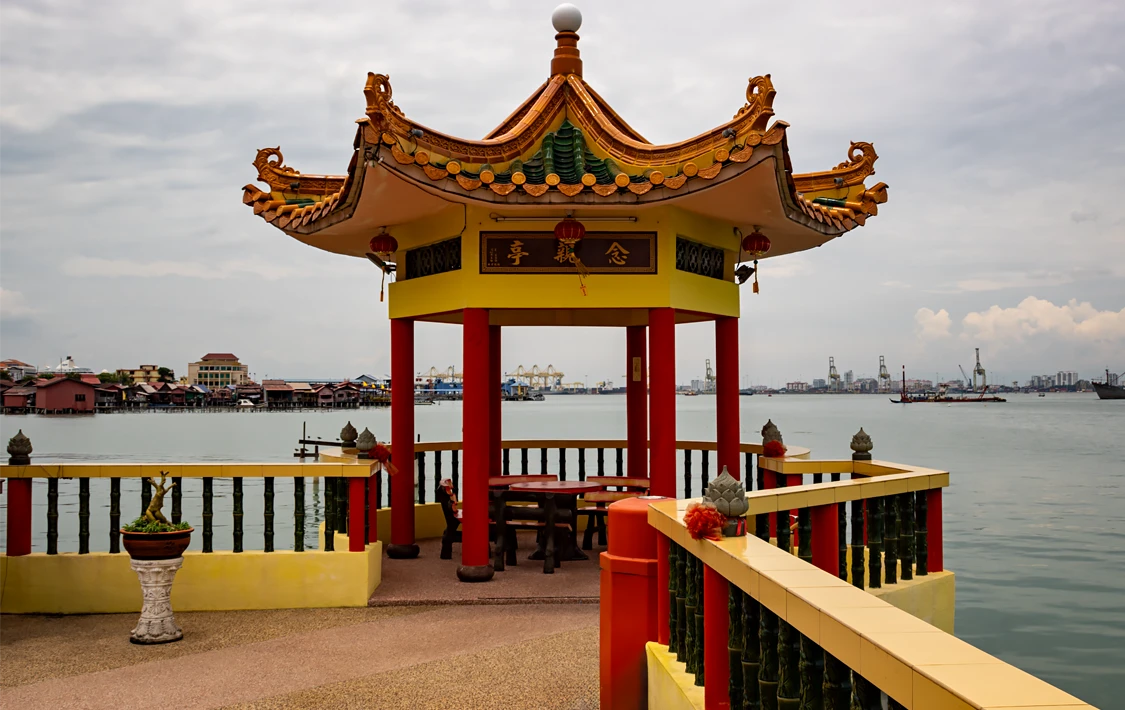
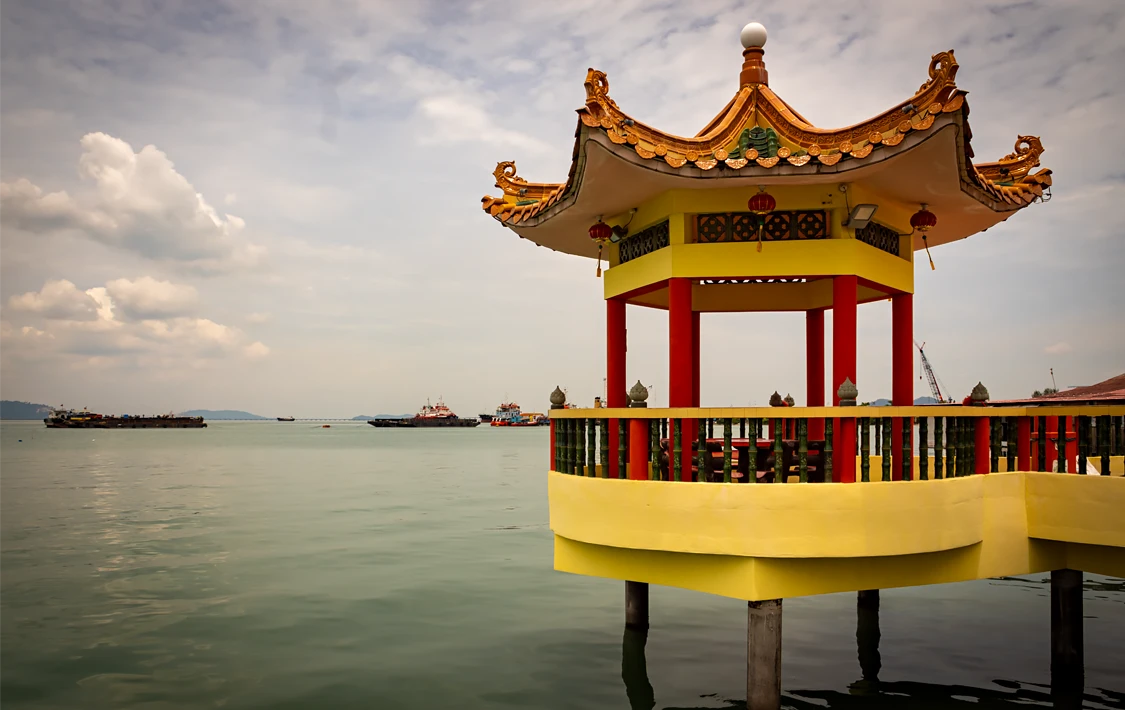
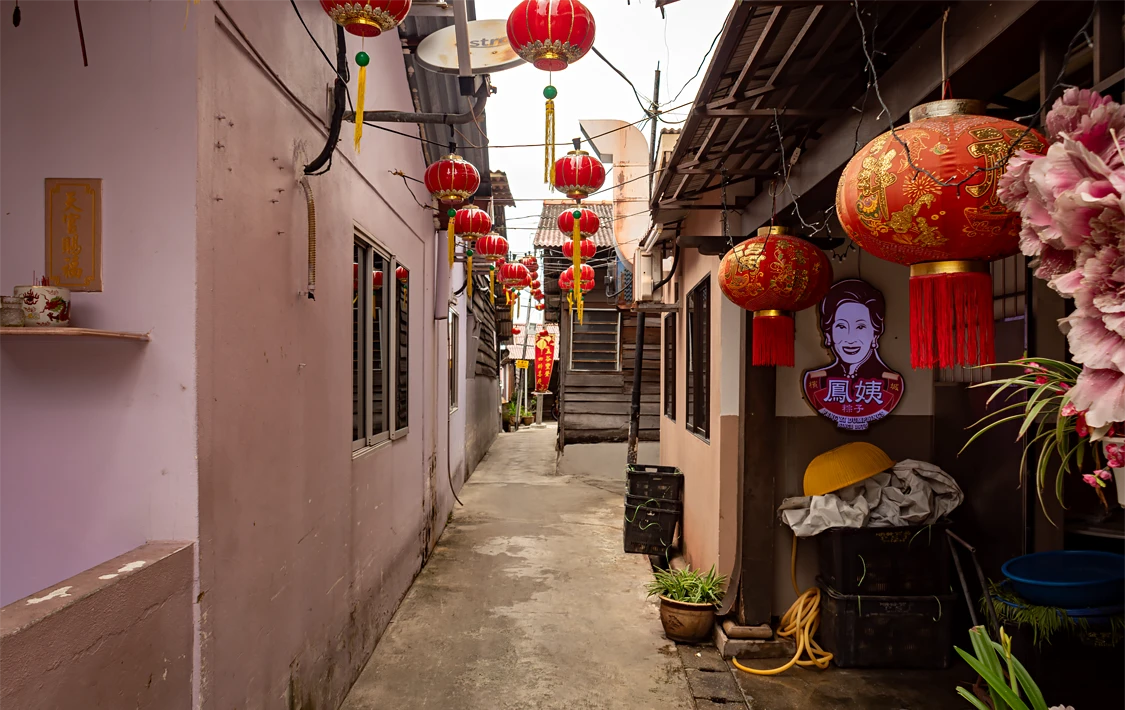
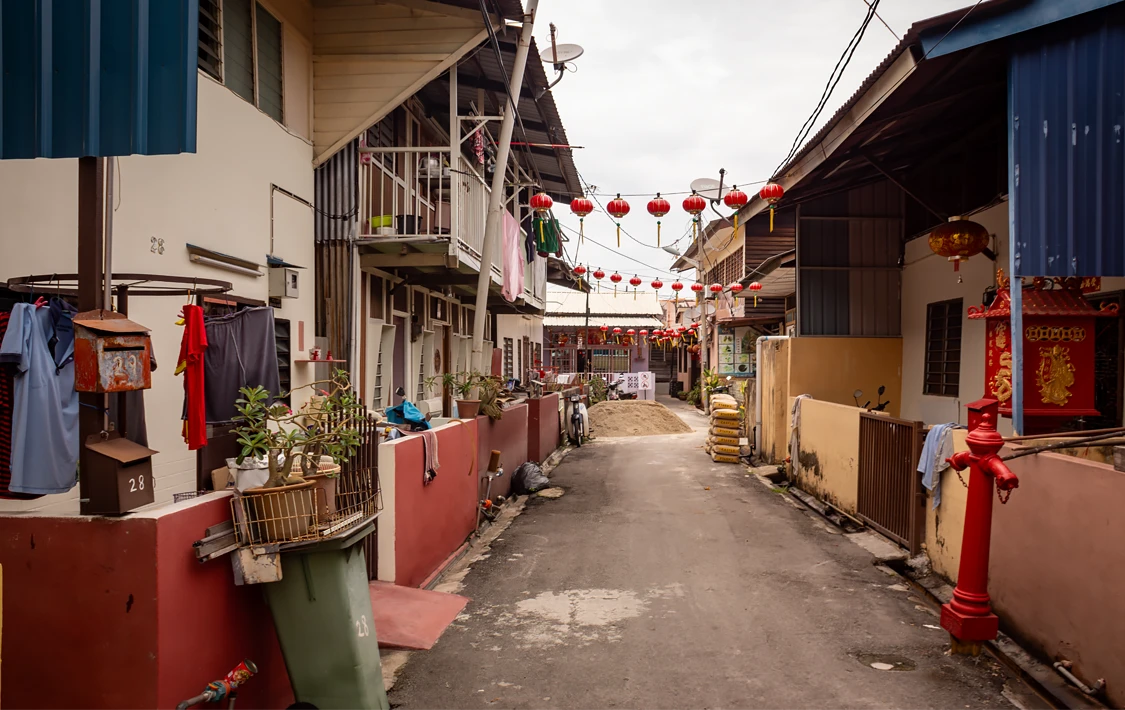

The Hean Boo Thean Kuan Yin Temple, located within the Clan Jetties area, dates back to 1972 and was built on stilts above the sea, giving it a unique setting overlooking the waterfront.
The temple extends across two levels. On the lower level, visitors will find the main altar, decorated with statues of deities and traditional red lanterns. The peaceful atmosphere contrasts with the busier parts of Georgetown and makes the temple an interesting stop during a Clan Jetties visit.
The upper level features additional figures depicting stories of filial piety, while viewing pavilions offer impressive panoramic views across the Clan Jetties, the ferry terminal and the harbour area.
Because of its unusual location above the water, the Hean Boo Thean Kuan Yin Temple feels different from Georgetown’s other temples and can easily be combined with a walk through the Clan Jetties.
Useful Information About Hean Boo Thean Kuan Yin Temple
10. City Hall Georgetown – Colonial Architecture from the British Era

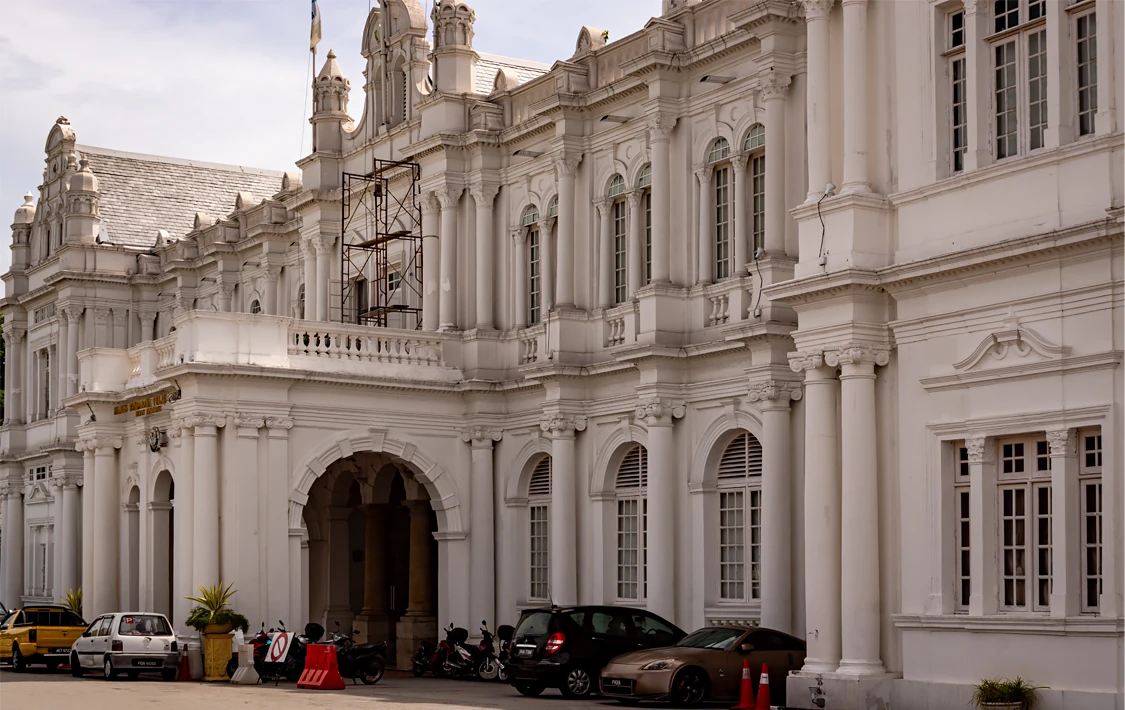
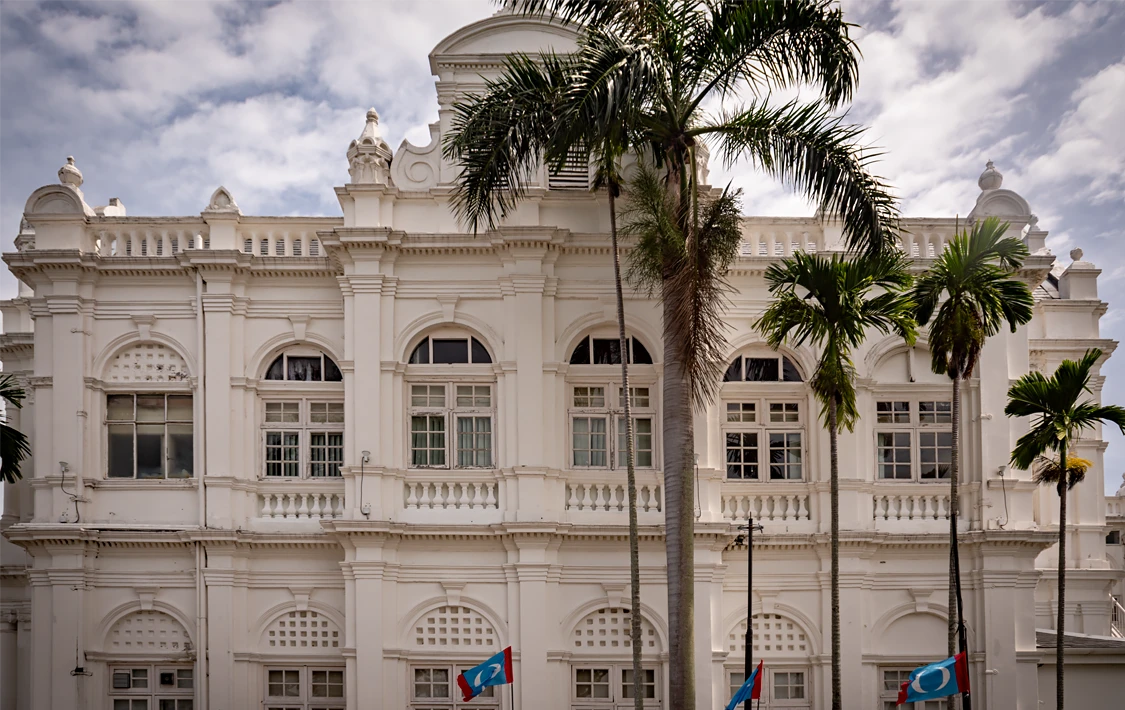
The City Hall of Georgetown was built by the British in 1903 and originally served as a municipal administration building. Today, it functions as the seat of the Penang Island City Council.
Although the building itself cannot be visited inside, the white colonial structure is considered an architectural landmark in Victorian style and remains one of Georgetown’s most recognisable historic buildings.
Directly in front of City Hall lies Kota Lama, a large green park area that was once used by the British for cricket matches. Nowadays, the grounds host events, concerts and festivals, making the surrounding area worth exploring as part of a Georgetown city walk.
Useful Information About City Hall
11. Fort Cornwallis – Georgetown’s Historic Colonial Fortress
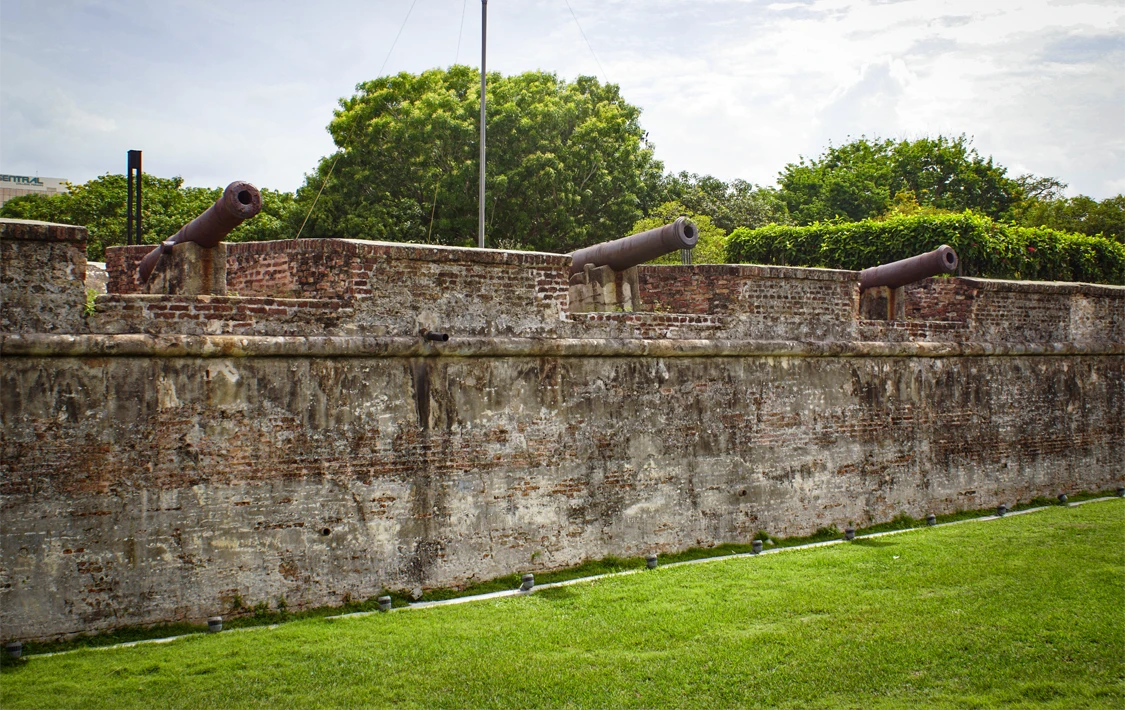
Fort Cornwallis was built in 1786 as a defensive fort against pirates and was also intended to protect British interests during the Napoleonic era. Although royal artillery troops and military forces were stationed here, the fortifications were never seriously tested in battle and eventually served more as an administrative centre than a military stronghold.
The fort stands on the very spot where Captain Francis Light first arrived on Penang Island in 1786 and formally claimed the island from the Sultan of Kedah on behalf of the British.
Today, visitors can explore parts of the historic complex, including a bronze statue of Captain Francis Light, old cannons, a former prison cell, an ammunition storage area and Penang’s first chapel dating back to 1799.
As one of Georgetown’s most important colonial landmarks, Fort Cornwallis offers a fascinating insight into Penang’s early British history.
Useful Information About Fort Cornwallis
11. Queen Victoria Memorial Clock Tower
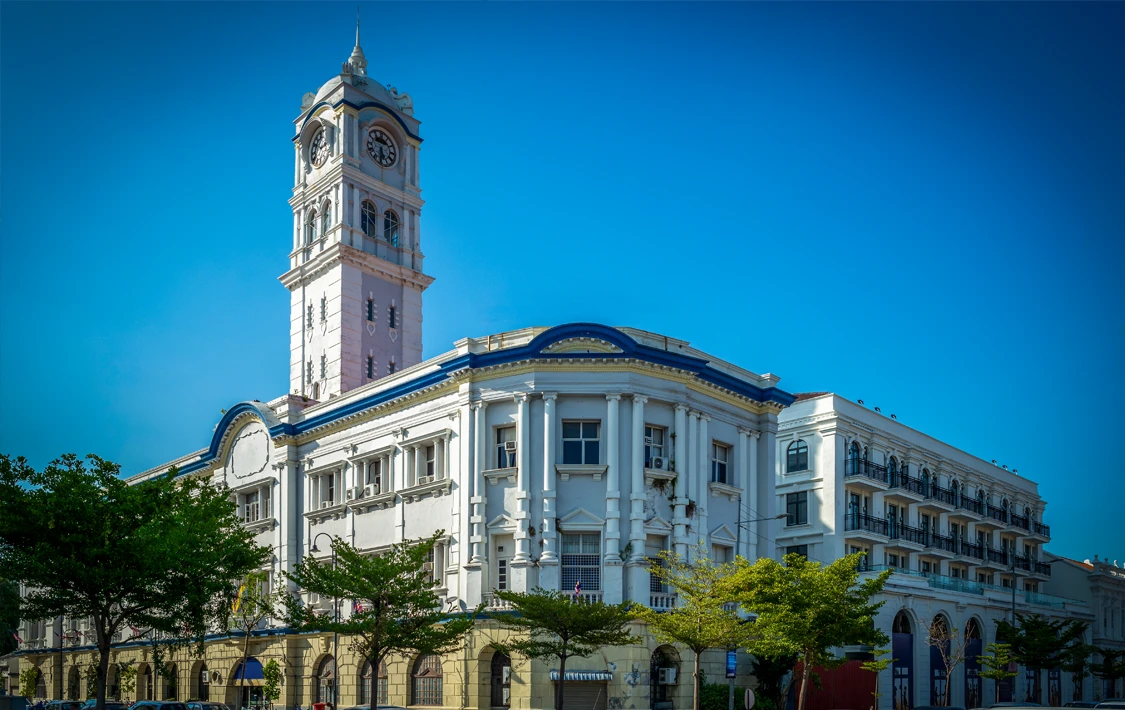
The Queen Victoria Memorial Clock Tower was built in 1897 to commemorate Queen Victoria’s Diamond Jubilee. The tower stands 60 feet (around 18 metres) tall, with each foot representing one year of Queen Victoria’s reign.
Interestingly, due to bombing during World War II, the clock tower developed a slight lean, which can still be noticed today.
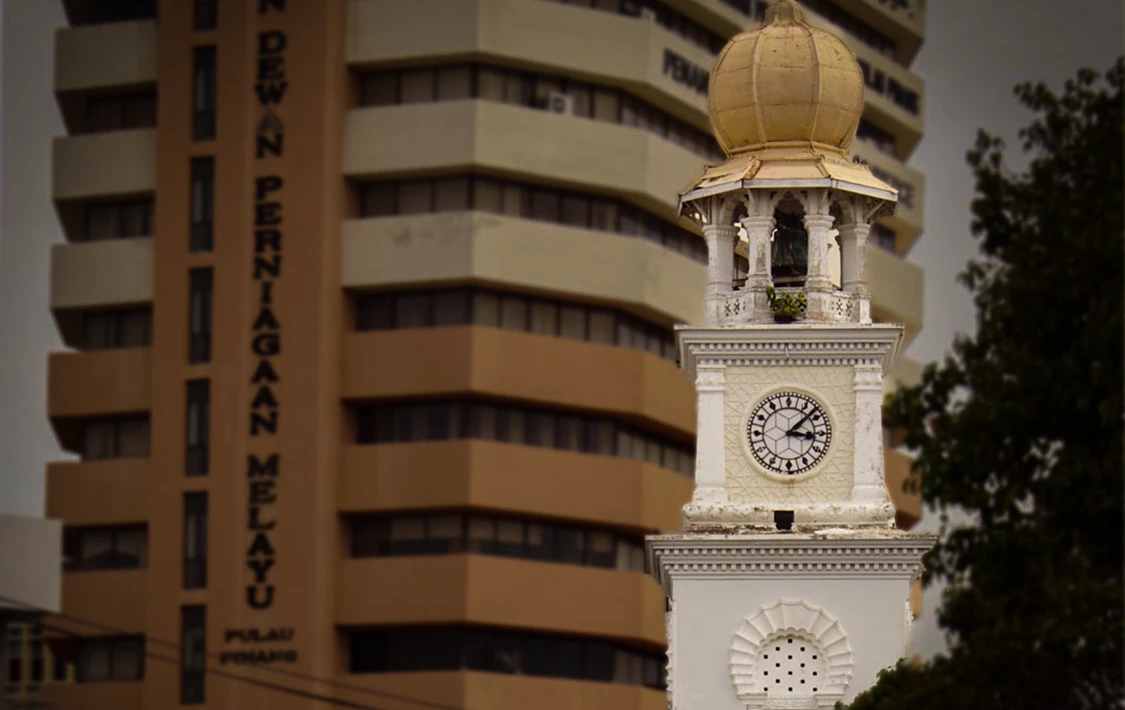
With its white façade and golden dome, the Queen Victoria Memorial Clock Tower has become a popular photo spot and remains one of Georgetown’s recognisable reminders of the British colonial period.
Although it is not among Georgetown’s absolute must-see attractions, the tower can easily be combined with nearby landmarks such as Fort Cornwallis, City Hall and the waterfront area.
Useful Information About Queen Victoria Memorial Clock Tower
Hotel Recommendations for Georgetown Penang

Where I Stayed: Areca Hotel Penang
Not as centrally located as some accommodations around Chulia Street, but still highly recommended, is the Areca Hotel Penang. This affordable hotel offers comfortable and nicely designed rooms, as well as a beautiful courtyard.
I personally stayed here during my visit and was very happy overall. Although the hotel is located slightly outside Georgetown’s main attraction areas, most sights are still within walking distance. For a future stay, however, I would probably choose a hotel in a more central location.
Yeng Keng Hotel Chulia Street – Perfect Location for Sightseeing
The Yeng Keng Hotel is located directly on Chulia Street, making it an excellent base for exploring Georgetown. Most attractions are within walking distance.
The hotel also features an outdoor pool, which provides a welcome refreshment after a long day of sightseeing.
Chulia Mansion – Modern Accommodation in a Central Location
Chulia Mansion is another centrally located option offering spacious rooms, free WiFi and a rooftop pool. It’s a great choice if you value comfort without stretching your budget too much.
Blue Mansion – Stay Overnight in a Historic Landmark
If you enjoy boutique hotels and appreciate architectural highlights, you should definitely consider the Blue Mansion. This historic accommodation is one of Georgetown’s most iconic buildings and offers a truly unique atmosphere.
The rooms are in a higher price range, but in return you get the opportunity to stay inside one of Georgetown’s most famous landmarks. Many attractions are also easily reachable on foot from here.
Whether you’re looking for a budget hotel, a centrally located accommodation, or a historic boutique stay, Georgetown Penang offers suitable options for almost every budget and travel style.
Getting Around in Georgetown Penang
Explore Georgetown on Foot
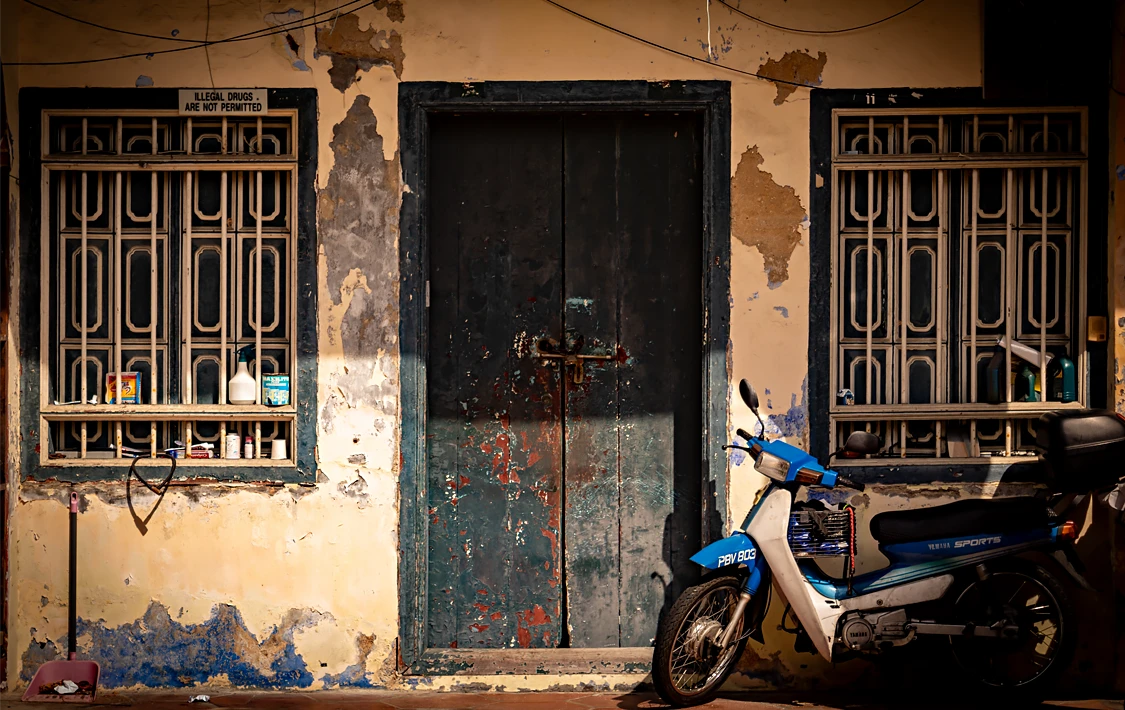
The best way to explore Georgetown is by walking. Most attractions are located relatively close to each other and the city itself is not particularly large. However, for destinations like the Kek Lok Si Temple, you will need to rely on a taxi or ride-hailing service.
One of the biggest advantages of exploring Georgetown on foot is the opportunity to truly experience the city’s unique atmosphere while discovering hidden streets, colourful alleys and unexpected corners along the way. Especially if you want to explore Georgetown’s famous street art, long walks are almost unavoidable.
To make sightseeing easier, I recommend choosing a centrally located hotel. This saves time and makes exploring more convenient, although walking around Georgetown in the tropical Southeast Asian heat can sometimes be exhausting.
Alternatively, you can get around using a traditional trishaw.
Trishaw – Traditional Transport Experience
A popular and nostalgic way to get around Georgetown is by trishaw, a traditional bicycle rickshaw. These colourful vehicles are not only a means of transport but also a cultural experience in their own right.
You can easily combine shorter trishaw rides with walking tours if you need a break from the heat.
Taxi or Grab
For longer distances, or if you want to save time, you can use a taxi or book a ride via the Grab app. Taxis are widely available throughout Georgetown and offer a convenient way to travel from one attraction to another.
Grab is a very popular ride-hailing app across Southeast Asia and works similarly to Uber, allowing you to book rides quickly and easily through your smartphone.
Recommended Length of Stay in Georgetown Penang
To explore most of Georgetown’s attractions and get a good impression of the city, I recommend staying for at least three days. This gives you enough time to visit the main sights at a relaxed pace without feeling rushed.
You can easily extend your stay by combining your city trip with visits to Penang’s beaches, making Georgetown a great destination for both sightseeing and relaxation.
Conclusion on Georgetown’s Attractions
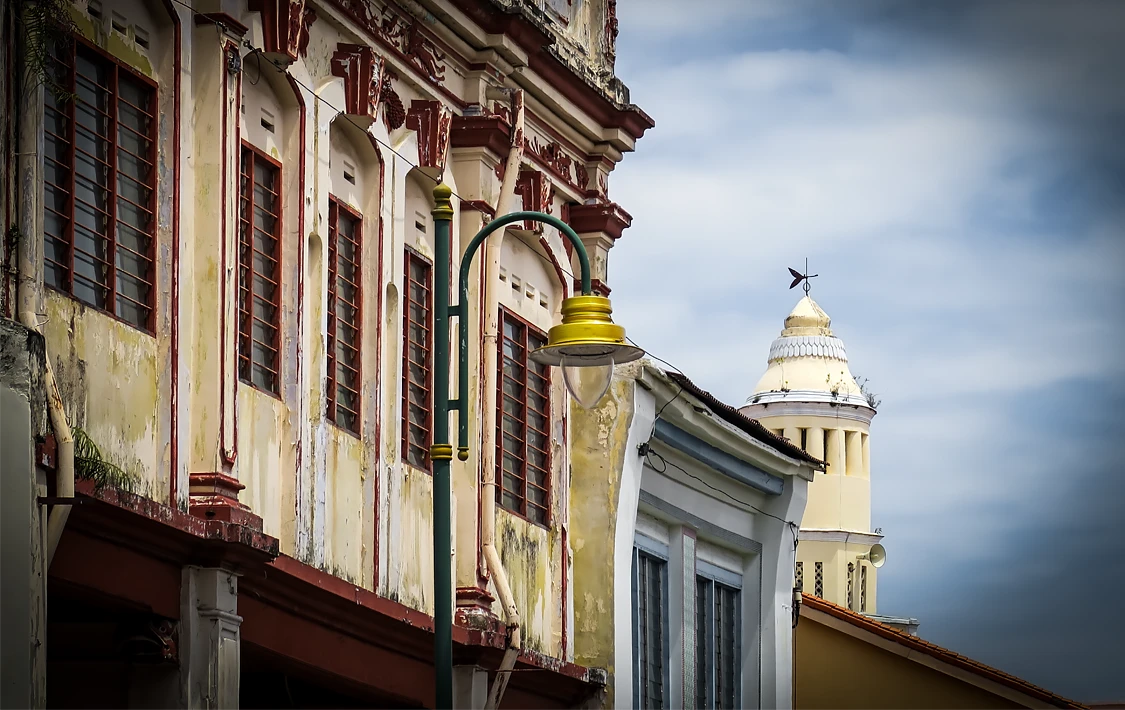
Georgetown completely won me over with its wide variety of attractions. The UNESCO World Heritage city is home to a fascinating historic old town filled with beautiful colonial architecture. While many of the buildings are not restored to the same polished standard as places like Singapore, the slightly weathered and ageing facades create a unique and authentic atmosphere.
Even though Georgetown offers countless attractions, what impressed me most was the city’s special ambience shaped by different cultures. No matter which street you wander through, new impressions await around every corner. For me, the entire old town itself feels like one giant attraction.
After visiting Georgetown, it quickly became one of my favourite cities in Asia. I can highly recommend adding Georgetown, Penang to your travel itinerary.
Do You Have Questions About Georgetown Penang’s Attractions?
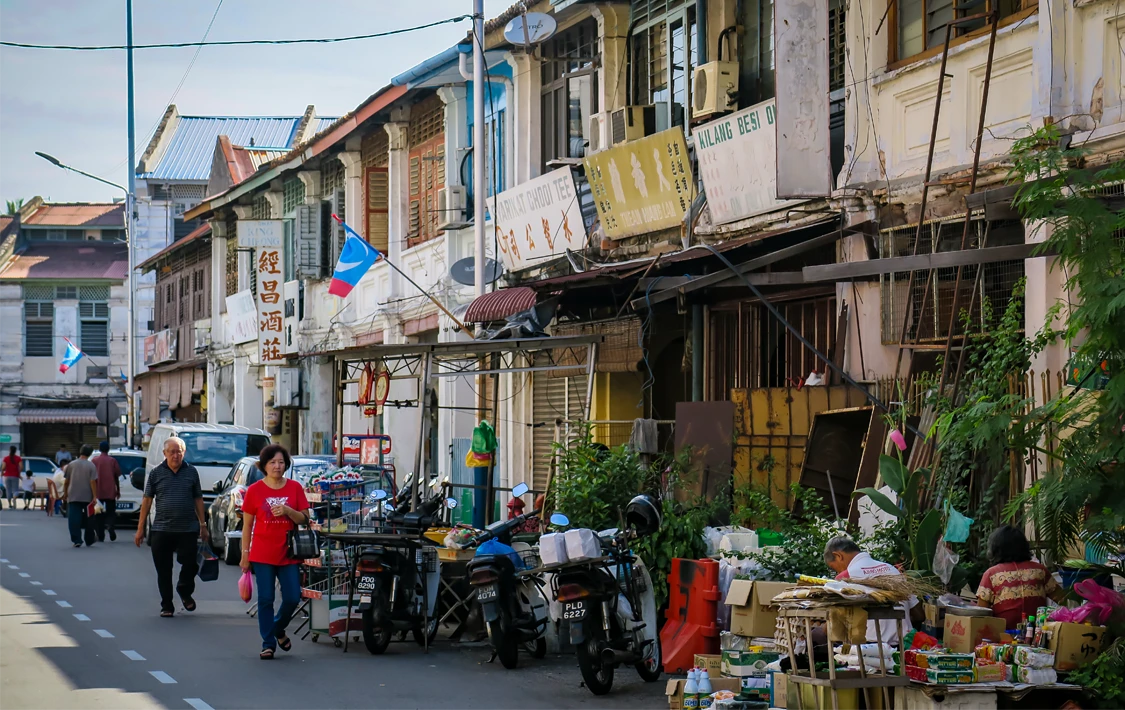
Have you already visited Georgetown on Penang and discovered other worthwhile attractions or hidden gems? Or are you currently planning a trip to the island and still have questions?
Feel free to leave a comment below, I’d love to hear your experiences, travel tips or answer any questions about visiting Georgetown.
*Disclosure of Affiliate Links:
Please note that this website contains affiliate links. This means we may earn a small commission if you purchase products or services through these links. Using affiliate links does not affect the price you pay, but helps support this website and allows us to continue creating high-quality travel content.