
 Hi, I’m Andy
Traveler and photographer.
I don’t travel just to see places. I travel because I want to know if there’s more than just everyday life. More about me
Chiang Mai’s attractions mainly consist of an impressive collection of temples.
Around 200 Buddhist temples are located within the ancient city walls alone. Since Chiang Mai’s Old Town is relatively compact, you have the great advantage of being able to explore many of these sights comfortably on foot.
With such a large number of temples, it can quickly become difficult to know which ones are truly worth visiting.
That is why, below, you will find an overview of the 15 most important temples in Chiang Mai’s Old Town that deserve a place on your itinerary.
Outside the city walls, additional impressive attractions are waiting to be discovered as well. You can find these in our travel guide about the best attractions around Chiang Mai.
By the way, Chiang Mai can also be explored through organised tours. You can find an overview here.*
No desire to read? No problem — simply explore our Chiang Mai photo gallery instead!
What You Can Expect in Our Chiang Mai Temple Travel Guide:
1. Wat Phra Singh – One of the Most Famous Attractions in Chiang Mai

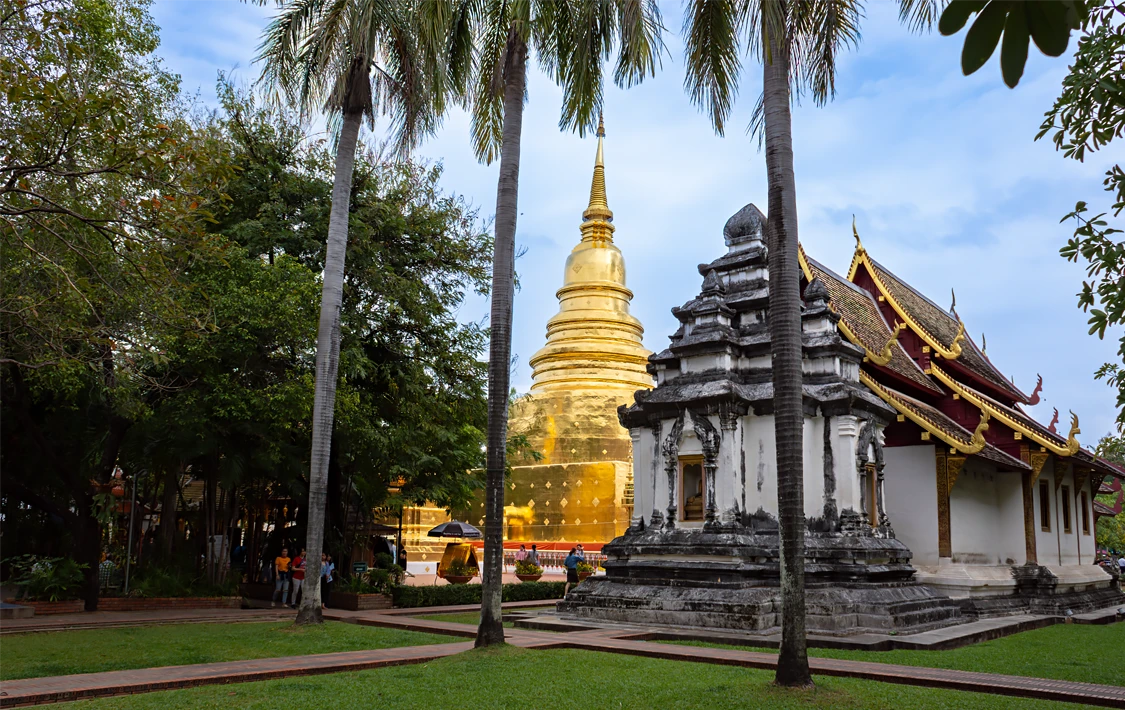

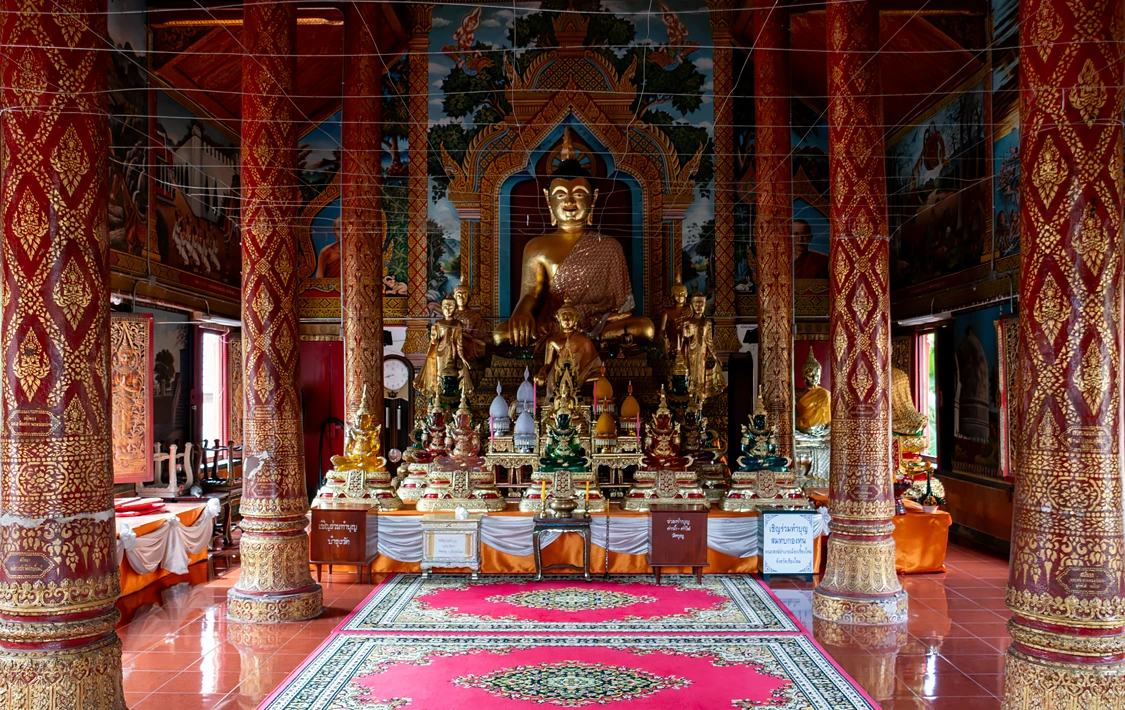

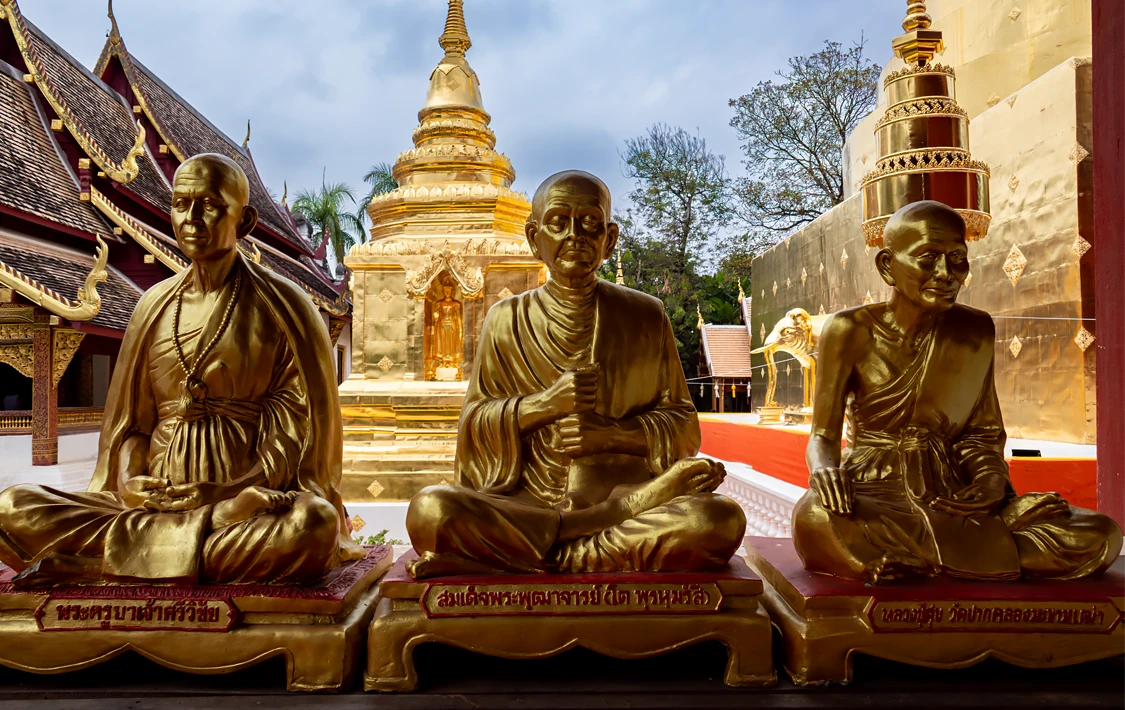
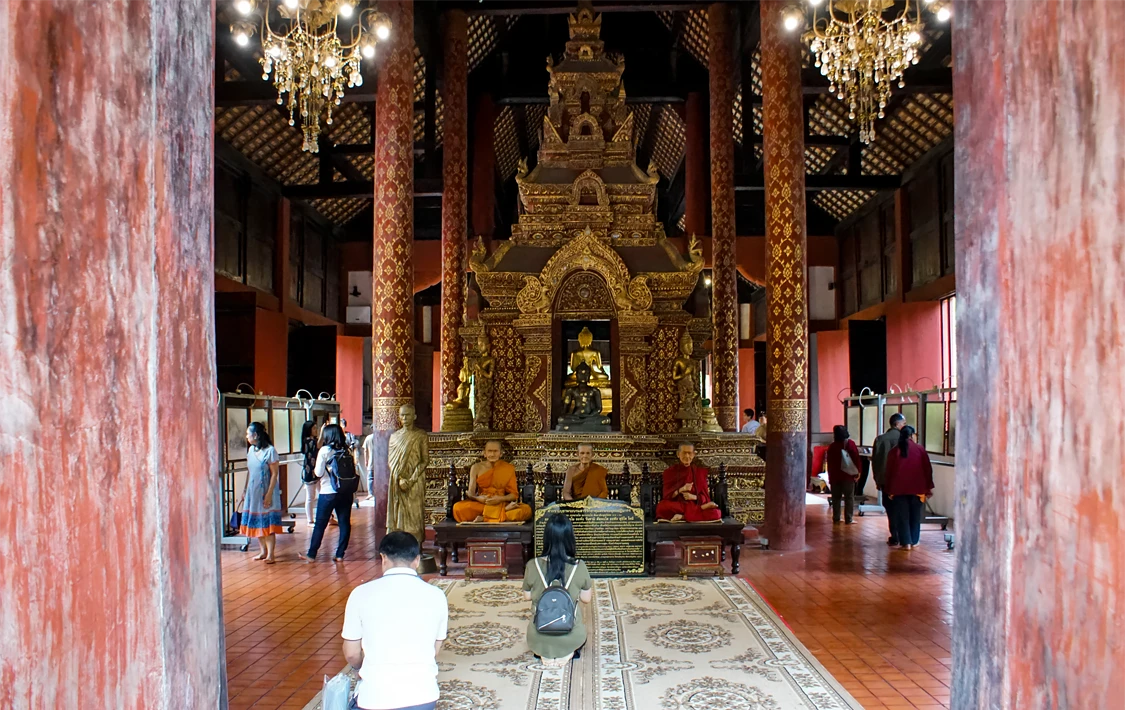
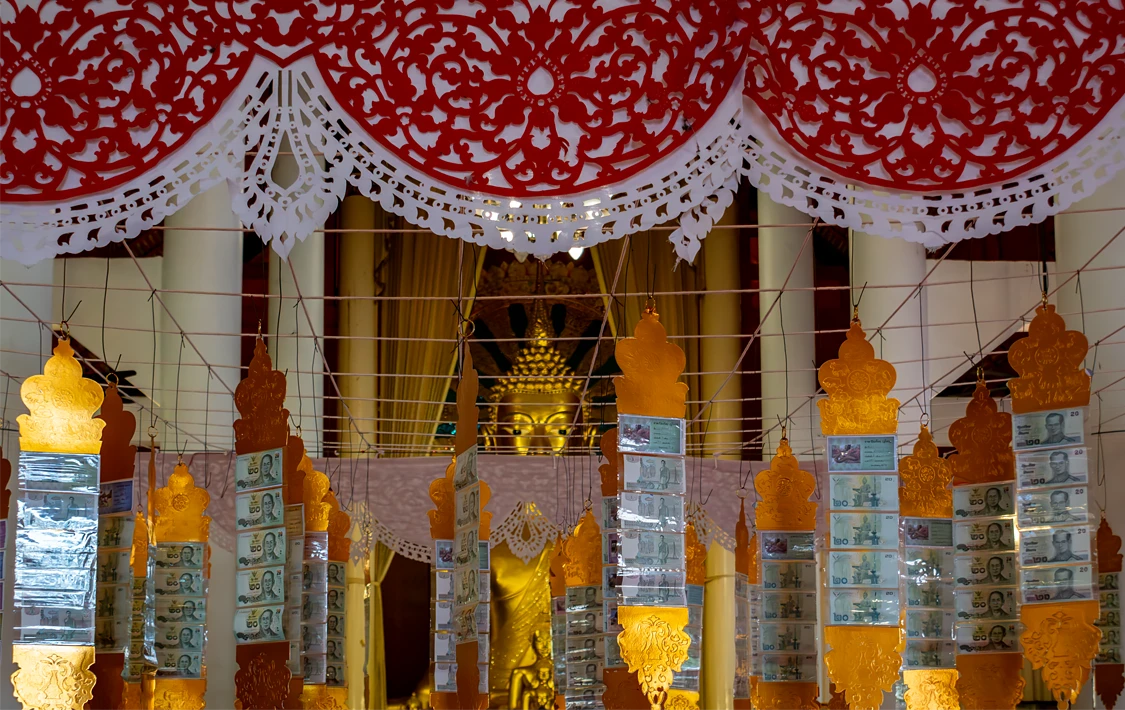
Alongside Wat Phra That Doi Suthep and the temples located on the famous mountain Doi Inthanon, Wat Phra Singh is undoubtedly one of the most popular attractions within Chiang Mai’s Old Town.
The temple was built in 1345 by order of King Pha Yu as the final resting place for his father.
Over the centuries, Wat Phra Singh was expanded with additional buildings including a library, monastery, and several chedis (stupas) designed in traditional Lanna architecture. At that time, Lanna was an independent kingdom in northern Thailand.
Why Wat Phra Singh Is So Important for Worshippers
The temple’s name and religious significance are closely connected to the Phra Phuttha Sihing Buddha statue, which is housed within the temple complex. The statue is considered highly sacred because it is believed to have originated from the Mahabodhi Temple in India. According to legend, Buddha attained enlightenment beneath a Mahabodhi tree, making the statue especially meaningful for Buddhist believers.
Each year during Thailand’s famous Songkran Festival, the Buddha statue is carried through the streets of Chiang Mai.
Devotees gently sprinkle water over the statue as a symbolic act of respect and devotion.
Many Highlights Inside Wat Phra Singh
With its golden chedis, beautifully decorated wooden buildings, and impressive Lanna-style architecture, Wat Phra Singh belongs among Chiang Mai’s top attractions.
The temple offers many fantastic photography opportunities and definitely deserves a place on your Chiang Mai bucket list.
Useful Information About Wat Phra Singh
2. Wat Phan Tao – The Teakwood Temple in Chiang Mai
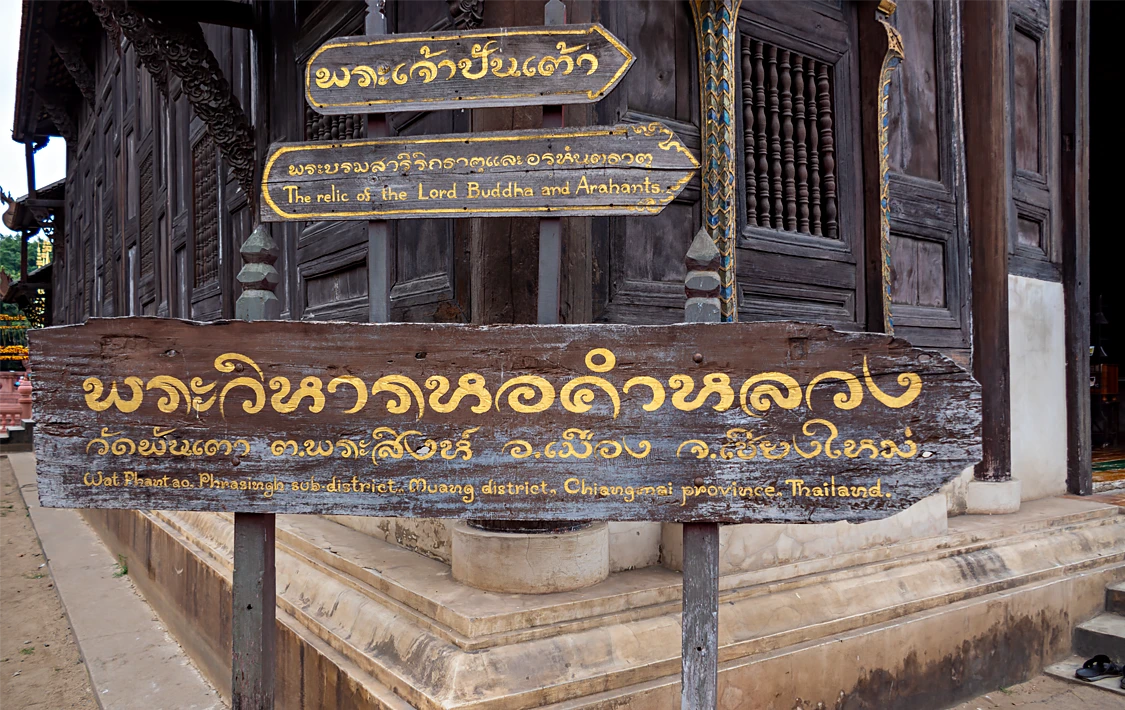
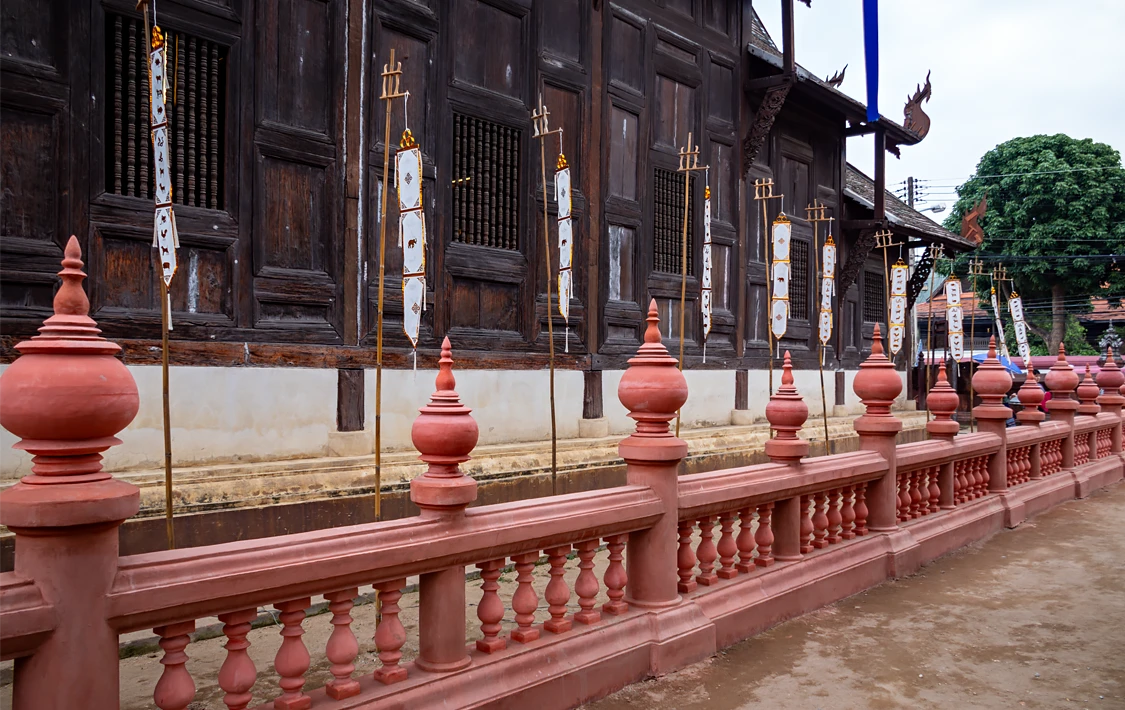


The temple dates back to the early 14th century and is located next to Wat Chedi Luang.
Historically, Wat Phan Tao is believed to have been used for casting Buddha statues for the neighbouring temple. Because of this, the name Wat Phan Tao roughly translates to “Temple of a Thousand Kilns.” The viharn (assembly hall) was built entirely from teak wood and is one of the few remaining wooden structures of its kind in Chiang Mai.
Its reddish exterior walls create a striking contrast and give the temple a truly unique appearance.
The three-tiered roof is decorated with golden ornaments shaped like Naga serpents at the roof edges.
Unique Atmosphere Inside the Temple
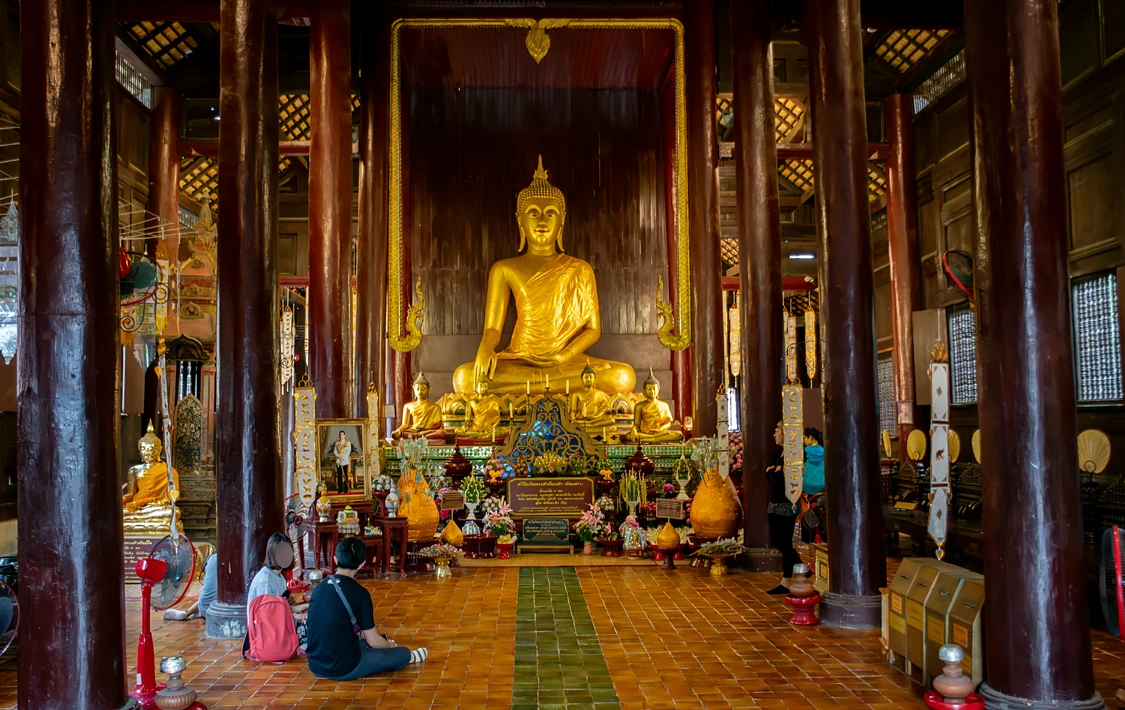
The interior of the temple is surprisingly simple, yet highly atmospheric.
The tiled floor with its green mosaic line leading directly to the golden Buddha altar, together with the dark teakwood walls, creates a very distinctive ambience inside Wat Phan Tao.
Hanging from the ceiling are numerous wish banners, believed to help fulfil the wishes of worshippers.
You will also find ancient Buddhist scriptures written on palm leaves and displayed within the temple.
Behind the main temple building lies a small garden featuring a golden chedi (stupa) and several bells decorated with bright red ribbons and colourful parasols.
Useful Information About Wat Phan Tao
3. Wat Sri Suphan – Thailand’s Only Silver Temple
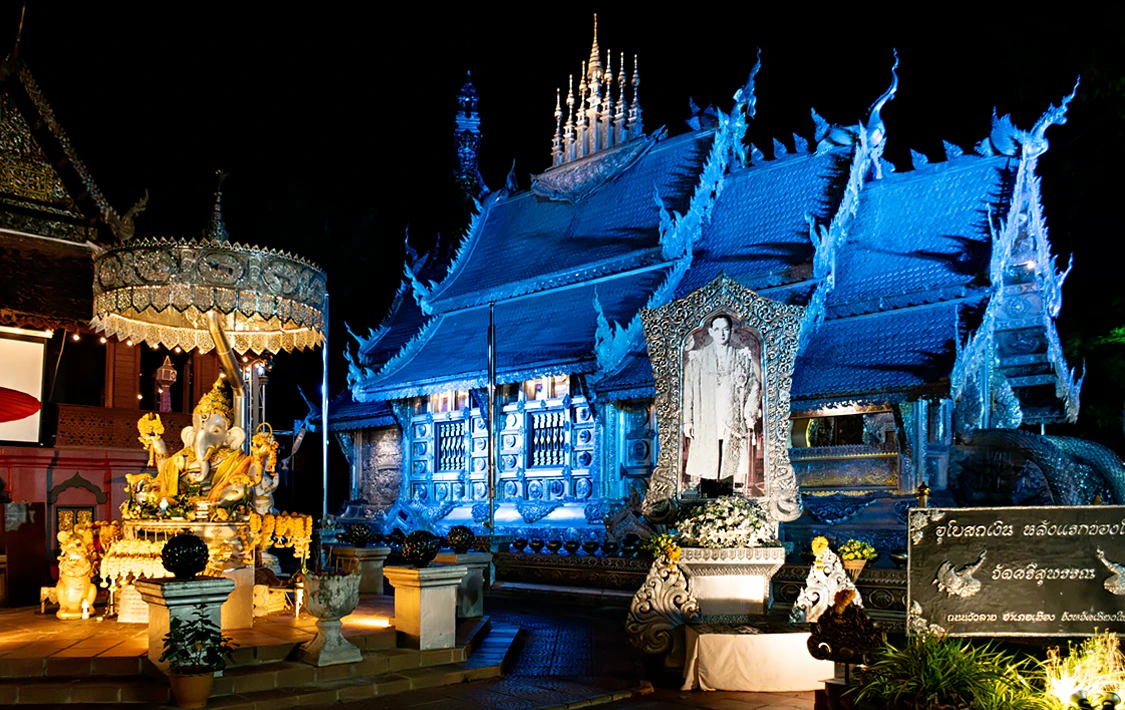

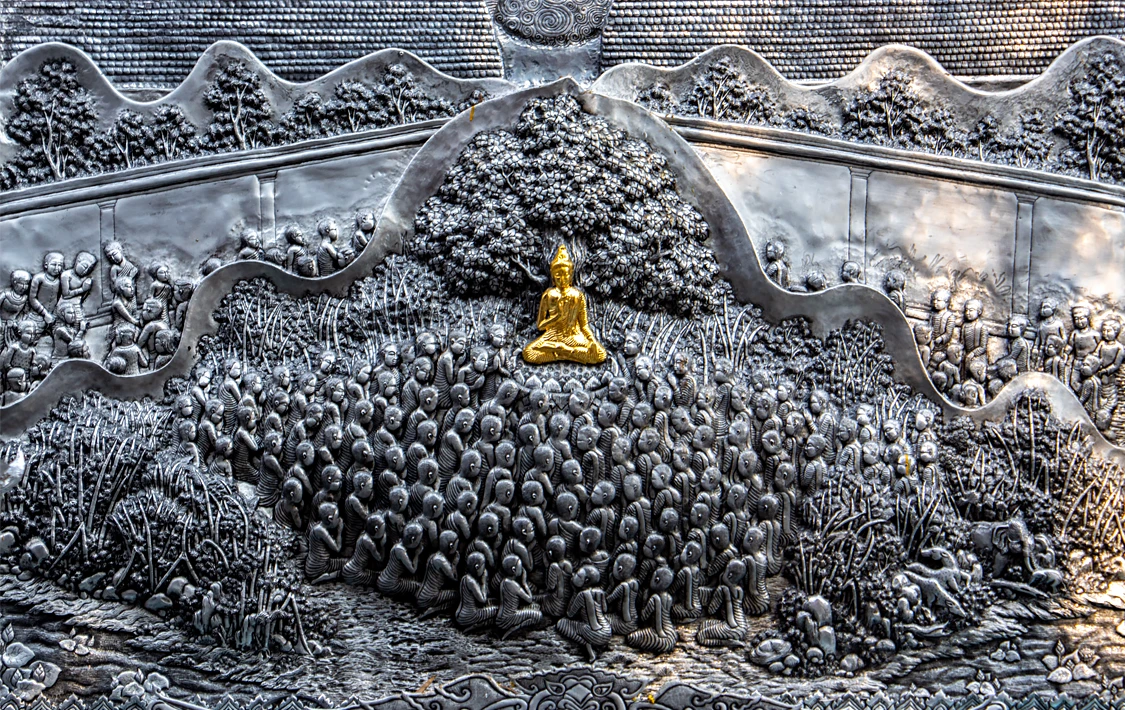
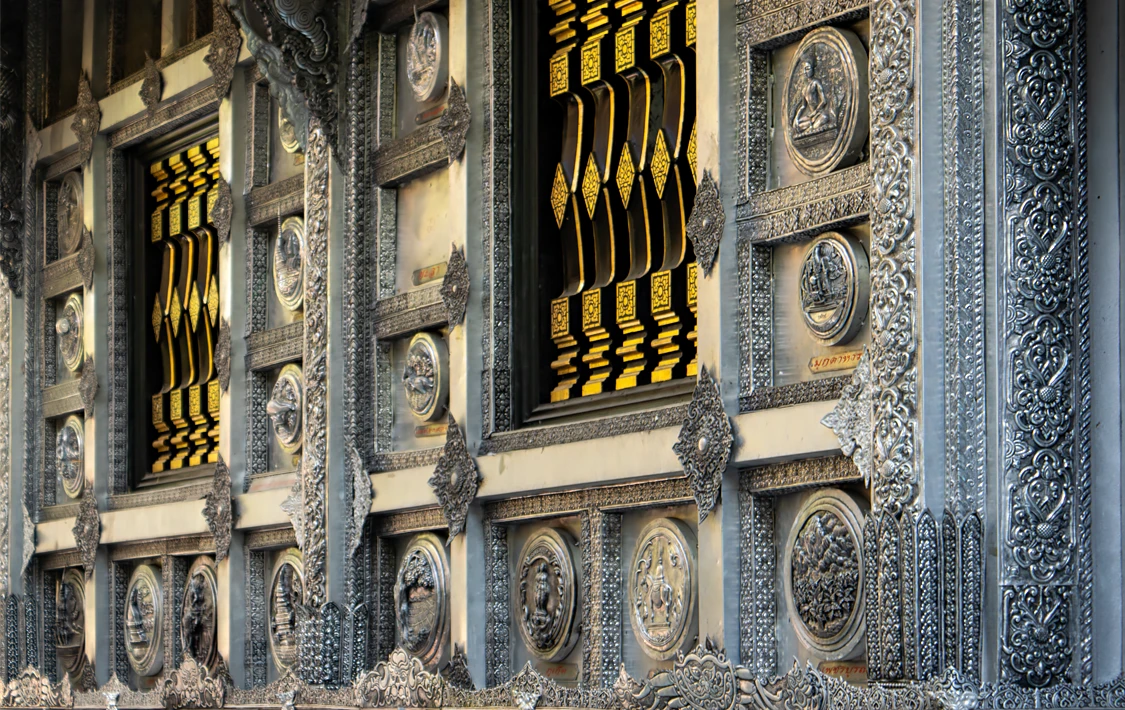
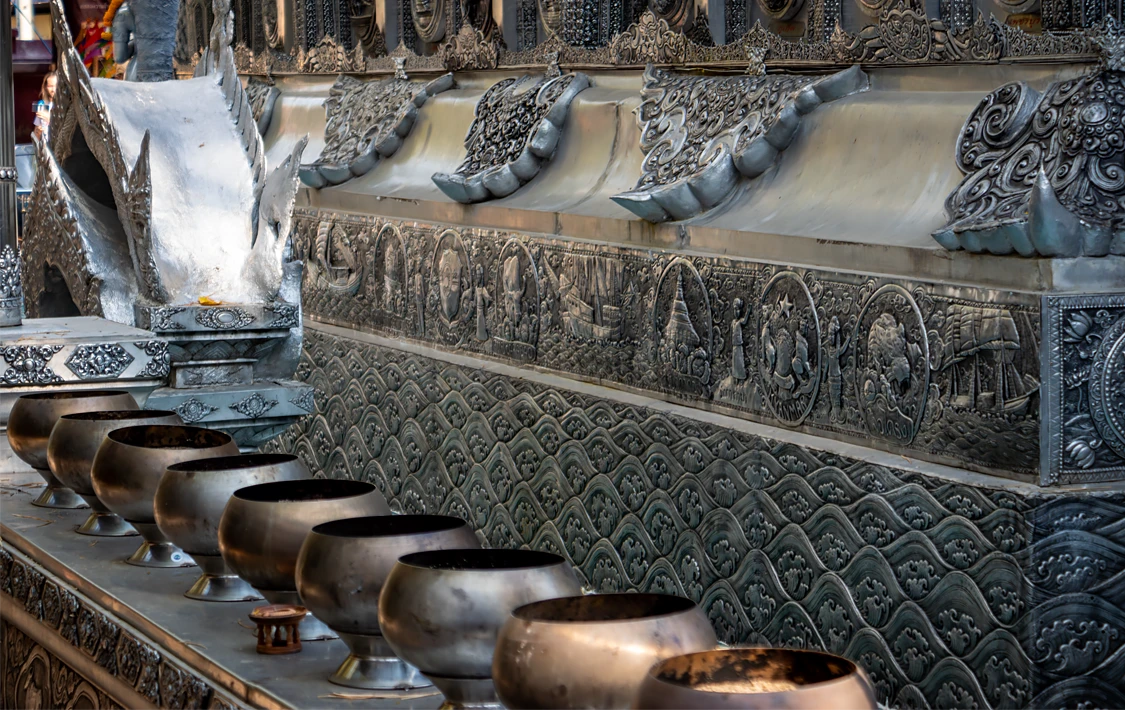

Thailand is said to have more than 37,000 temples, yet there is only one silver temple — Wat Sri Suphan.
The original temple was built between 1495 and 1515, destroyed several times throughout history, and later rebuilt.
Because of its uniqueness, the Silver Temple belongs among Chiang Mai’s top attractions in my opinion. Surprisingly, many visitors to Chiang Mai completely overlook this temple — a mistake, if you ask me.
Unique Appearance & Stunning Artwork
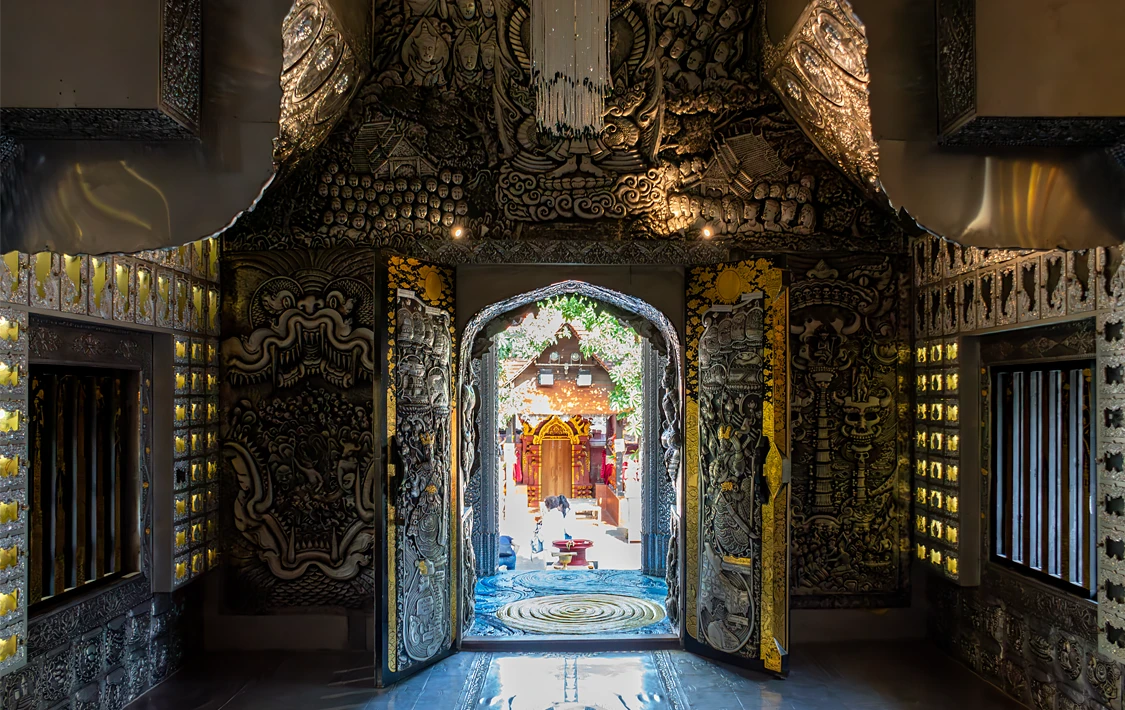
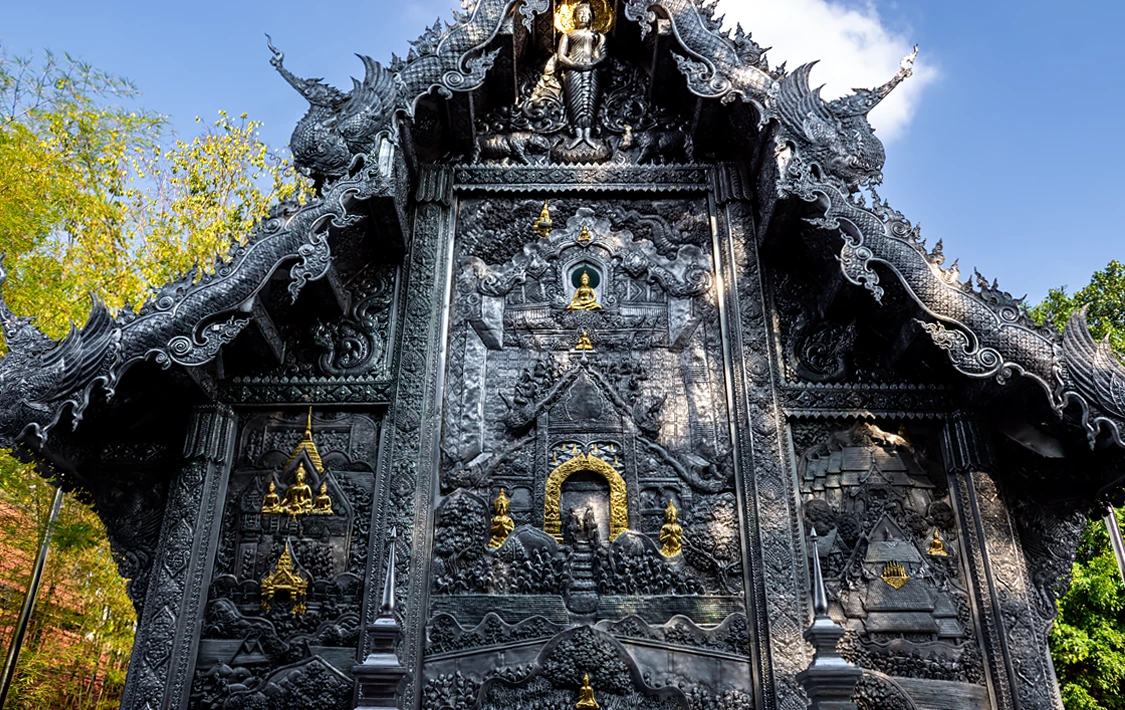
As Thailand’s only silver temple, Wat Sri Suphan is an absolute rarity that can only be visited in Chiang Mai. The relatively small temple is covered with silver-coloured ornamentation, creating an appearance unlike any other temple in Thailand. Especially impressive are the highly detailed relief decorations covering both the interior and exterior walls.
The silver façade at the back of the temple additionally features several gold artworks, creating a fascinating colour contrast. In the evening, Wat Sri Suphan is illuminated with colourful lighting, resulting in some fantastic photo opportunities.
Striking Interior of the Prayer Hall
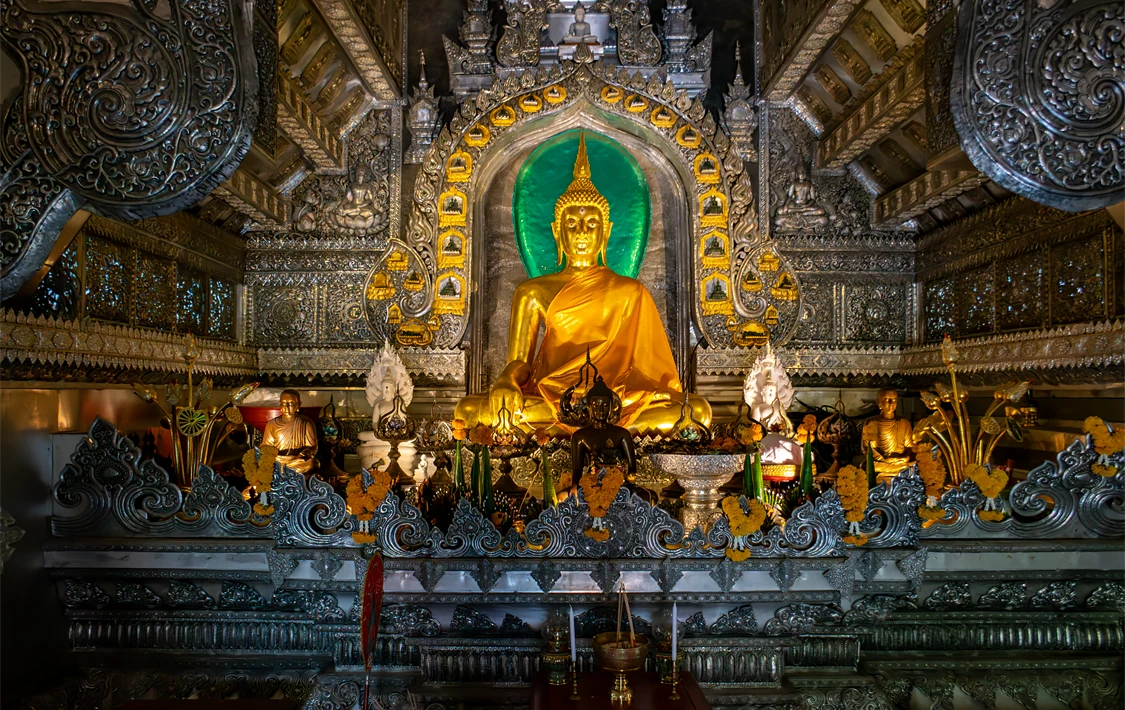
The silver theme continues inside the temple, where shimmering silver walls dominate the prayer hall. The only element standing out from the otherwise monochrome atmosphere is the golden Buddha statue, creating a magical contrast.
Unfortunately, access to the interior prayer hall is restricted to men only, something I personally found difficult to understand. Women are still allowed to enter the temple grounds and admire the architecture from outside.
Useful Information About the Silver Temple
4. Wat Saen Muanga Luang – Chiang Mai’s Hidden Gem

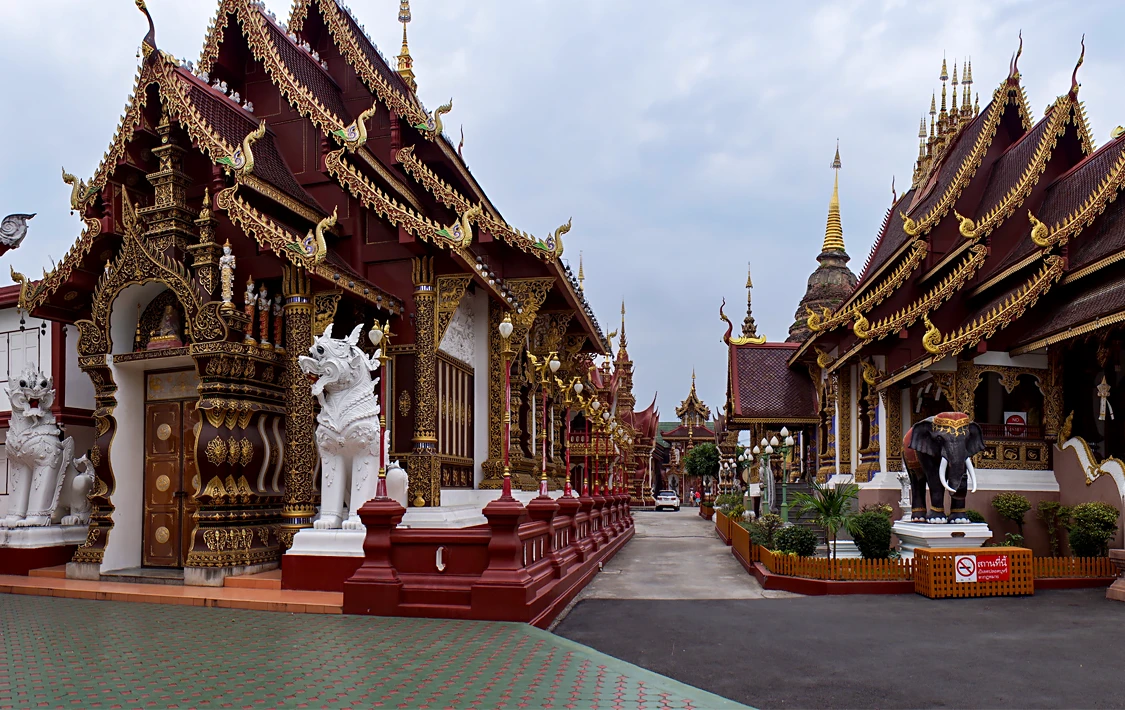
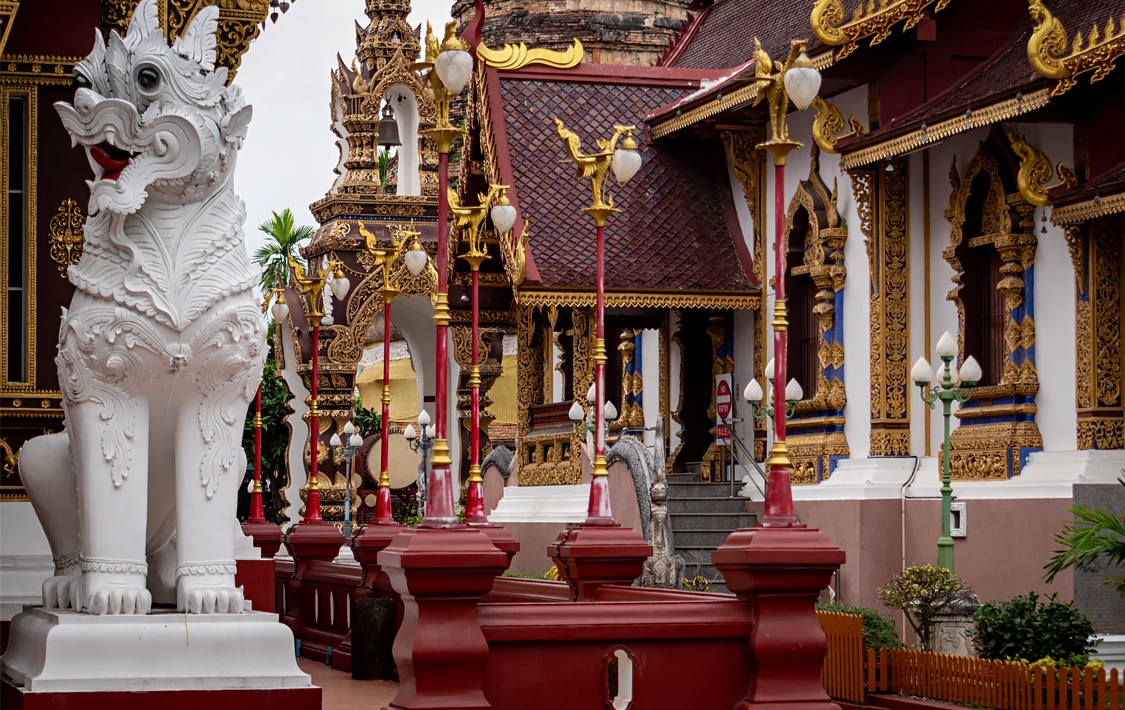


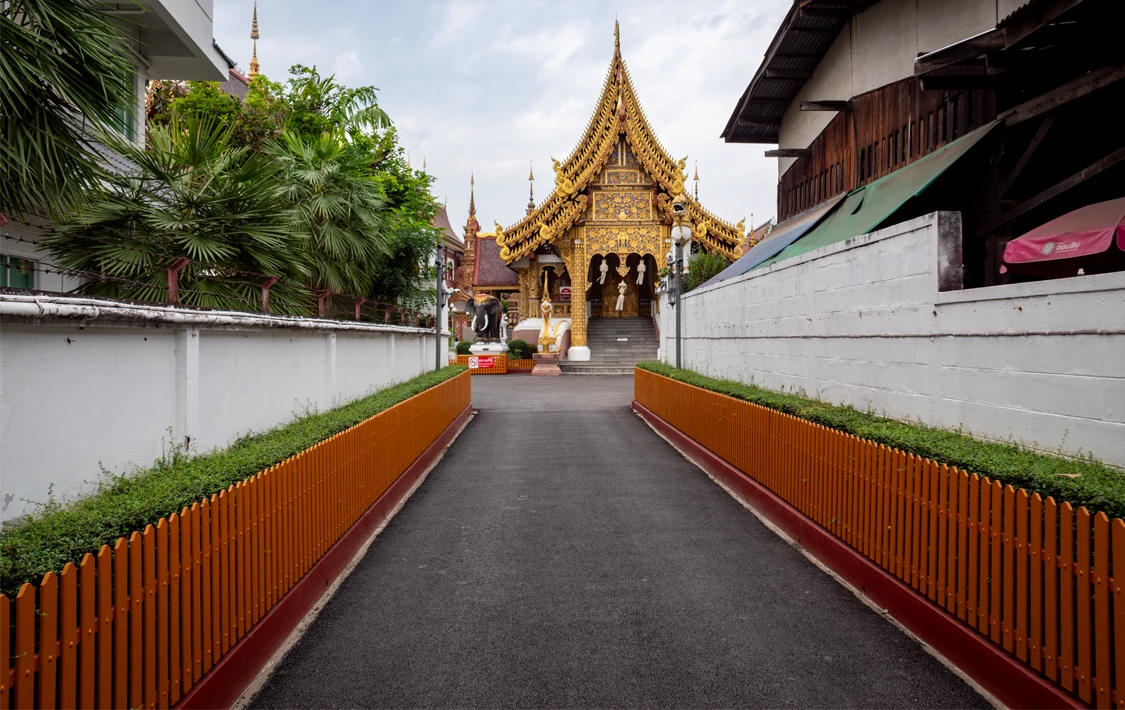
Wat Saen Muanga Luang remains largely unknown and receives very little attention in travel magazines or blogs. I personally discovered this temple almost by accident while passing by. Hidden away in a side street, the temple only becomes visible once you follow the narrow access road into the courtyard. Because of its obscurity, the temple is often completely empty, but that is exactly what makes it worth visiting.
Impressive Architecture at Wat Saen Muanga Luang
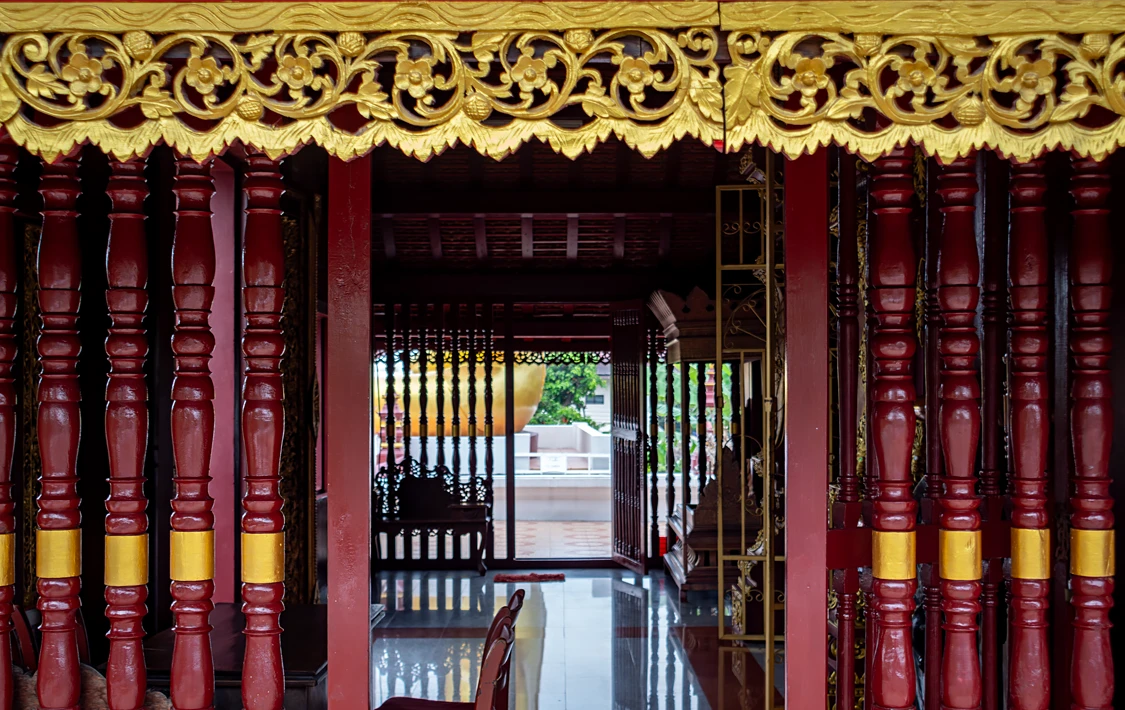
There is very little information available online about this temple and during my visit the prayer halls were also closed. However, the good condition of the buildings suggests that this is a relatively modern temple.
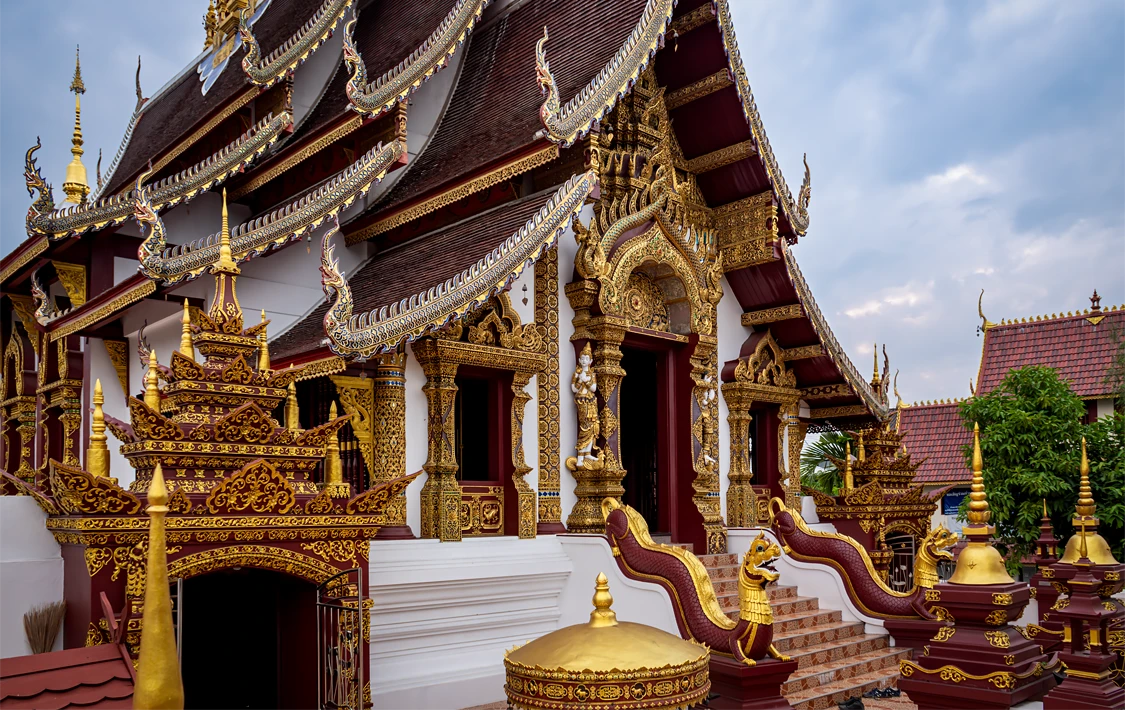
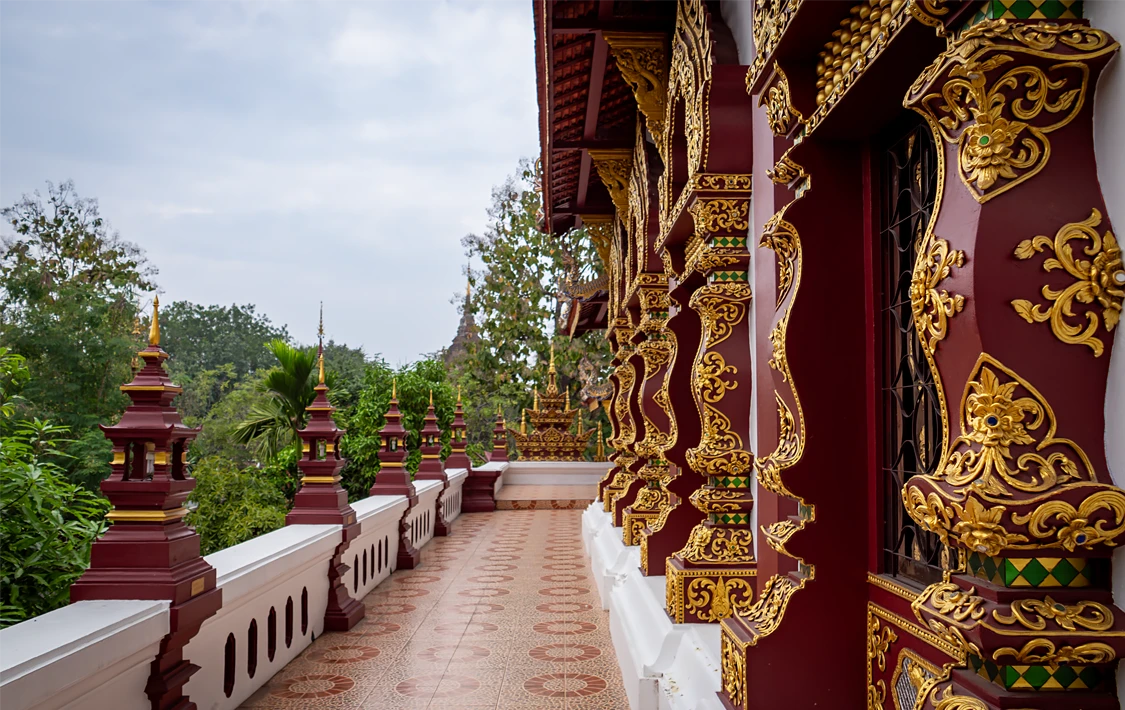
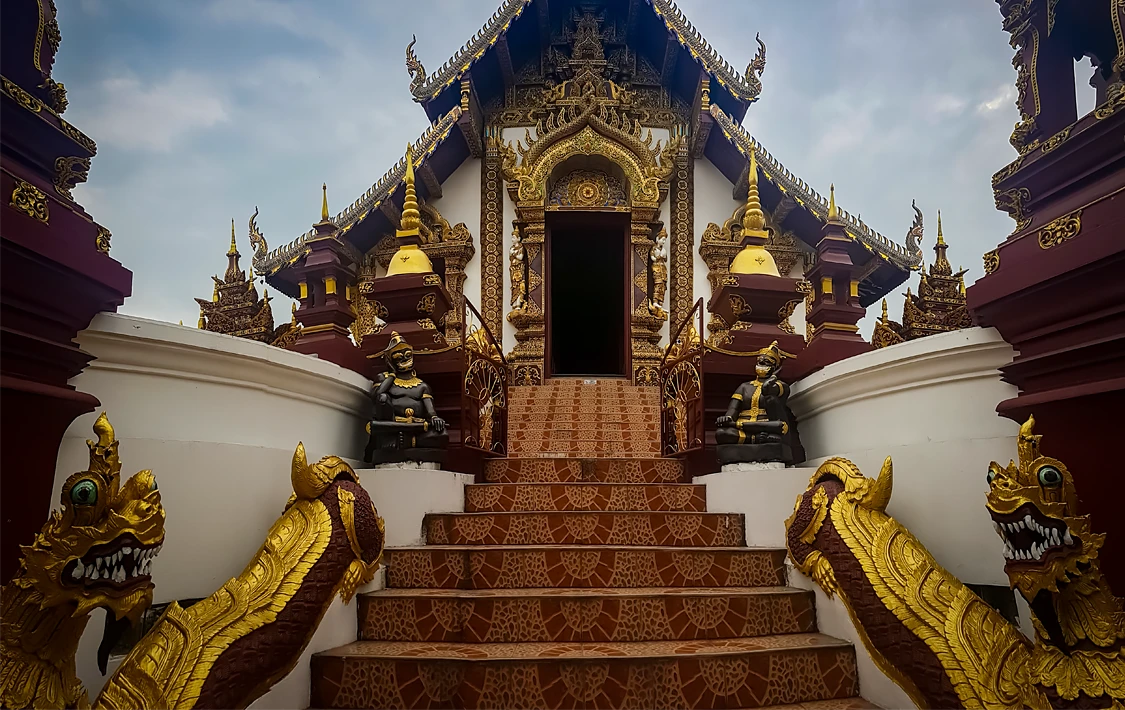
Particularly striking are the two main buildings positioned along a narrow alleyway. Their impressive architecture shines in white and red, decorated with rich ornamentation and detailed designs.
As soon as you enter the temple grounds, elephant statues, dragons, and naga figures immediately catch your attention. The multi-tiered roofs are an architectural highlight and richly decorated with golden embellishments.
Why Wat Saen Muanga Luang remains so unknown is difficult for me to understand, as the temple radiates a remarkable beauty and is truly impressive to see. Definitely one of Chiang Mai’s attractions that deserves more attention.
Useful Information About Wat Saen Muanga Luang
5. Wat Inthakin – The Black Wooden Temple


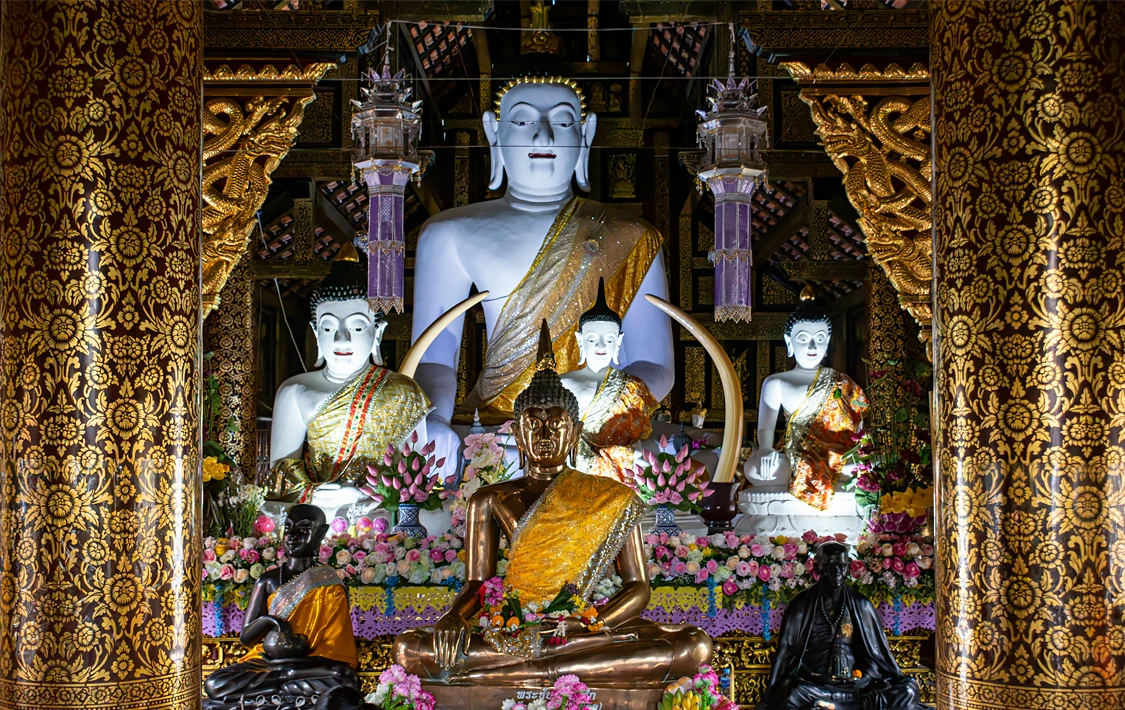
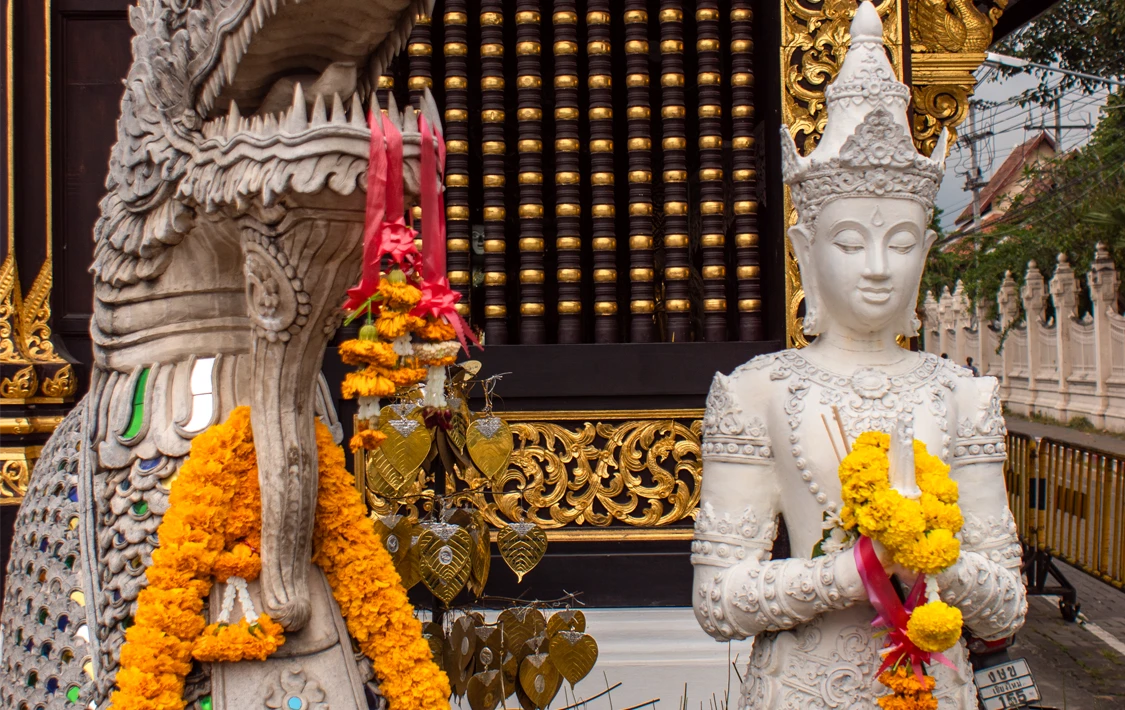
Wat Inthakin is a small wooden temple featuring an almost entirely black façade. Combined with its golden and ornate decorations, the temple creates a striking contrast and a very distinctive appearance.
What makes this temple particularly unusual is its location. Wat Inthakin stands right in the middle of a main road, somewhat comparable to a traffic island in Europe. Just a few metres away from the temple walls, cars, tuk-tuks, and scooters rush past.
Wat Inthakin is also known as the “City Pillar Temple”, as it marks the founding point of Chiang Mai where an important pillar once stood in the ancient city centre.
Useful Information About Wat Inthakin
6. Wat Rajamontean – The Big Buddha Temple


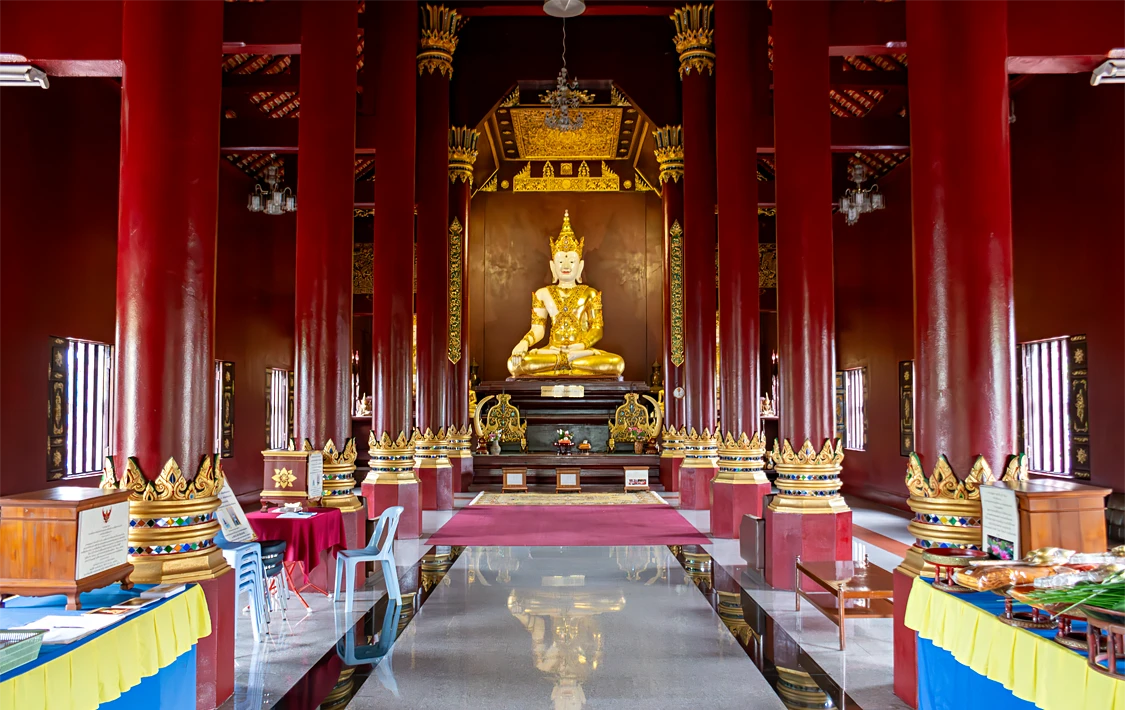

Located directly next to Wat Rajamontean is Wat Kuan Kama. The outer temple walls are decorated with around 50 horse statues, which can already be seen from the main road.
Within the temple grounds, you will discover several additional animal statues, including rats, cows, and snakes. These animal figures were created based on the Chinese zodiac signs.
Useful Information About Wat Rajamontean
7. Wat Khuan Khama – The Horse Temple
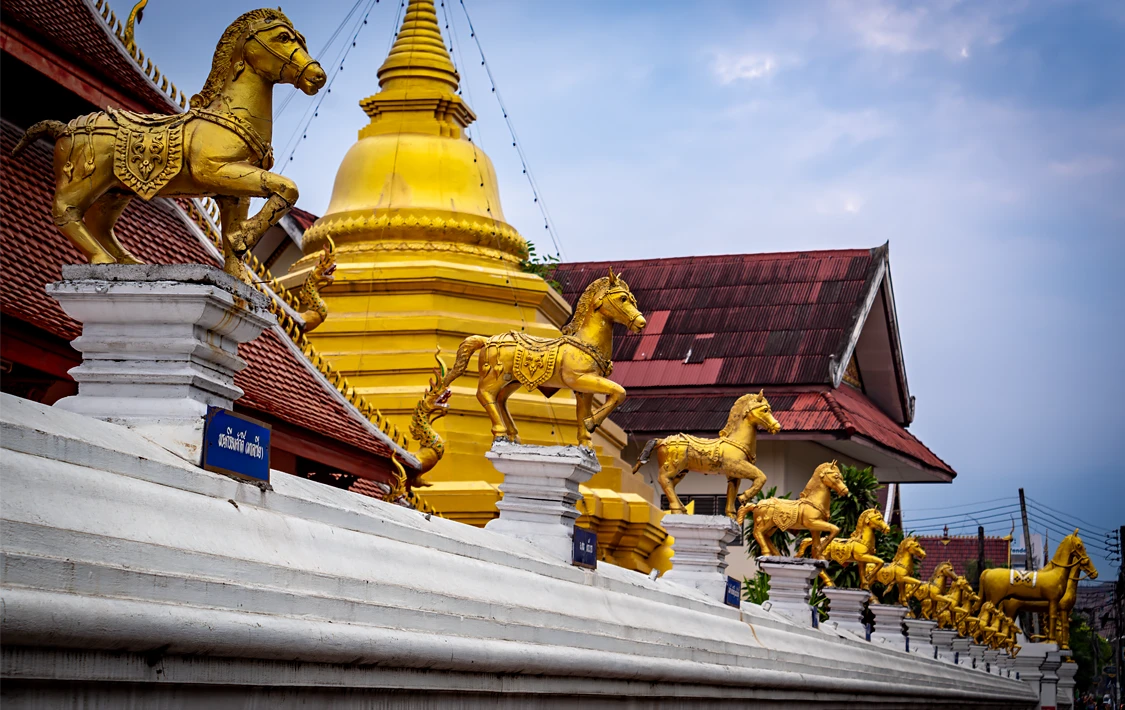
Located directly next to Wat Rajamontean is Wat Khuan Khama. The outer temple walls are decorated with around 50 horse statues, which can already be seen from the main road.
Within the temple grounds, you will also find several additional animal statues, including rats, cows, and snakes. These animal figures were created based on the Chinese zodiac signs.
Useful Information About Wat Khuan Khama
8. Wat Lok Molee – One of the Most Impressive Chedis in Chiang Mai
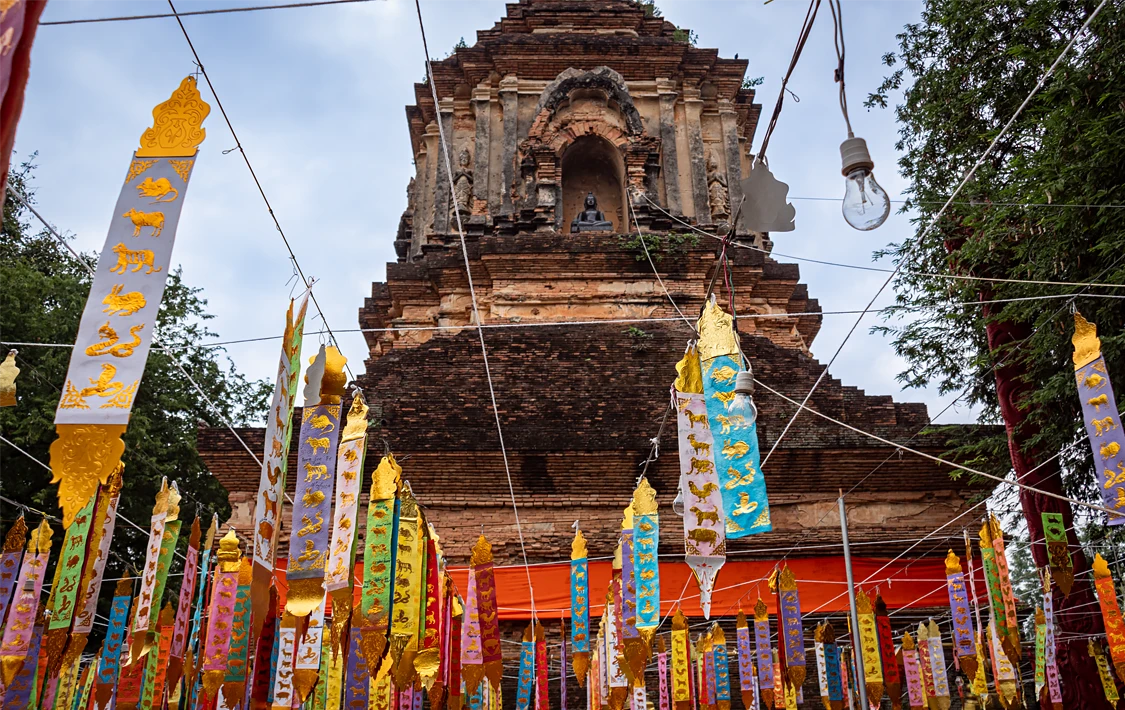
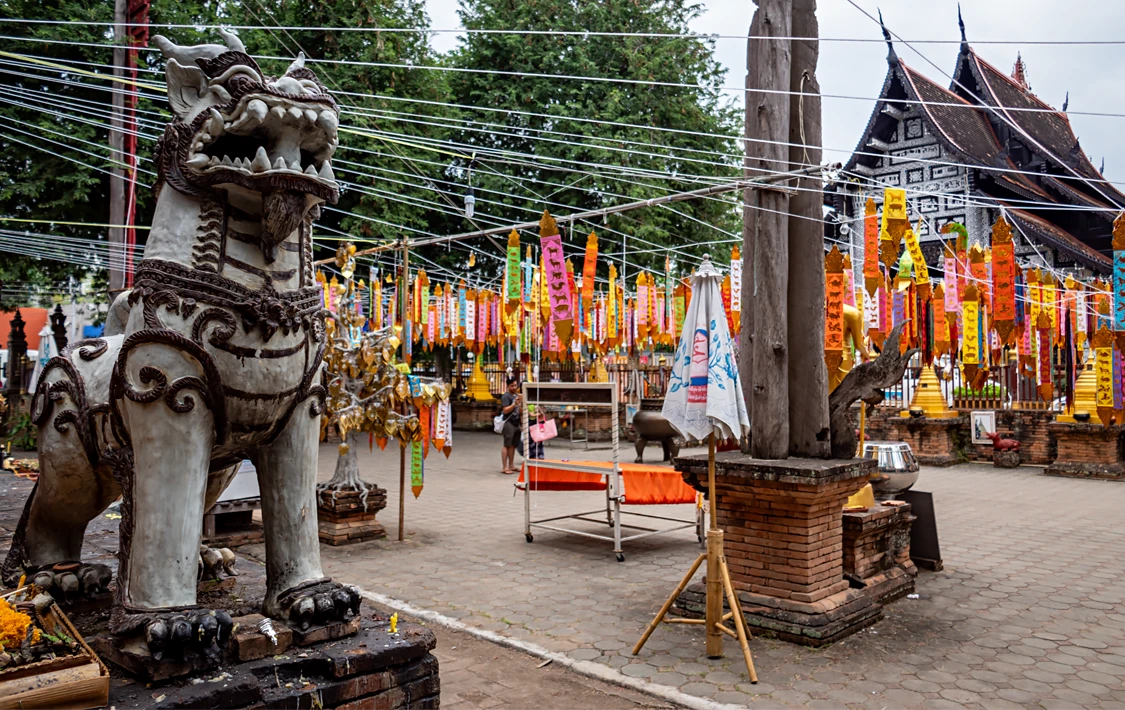
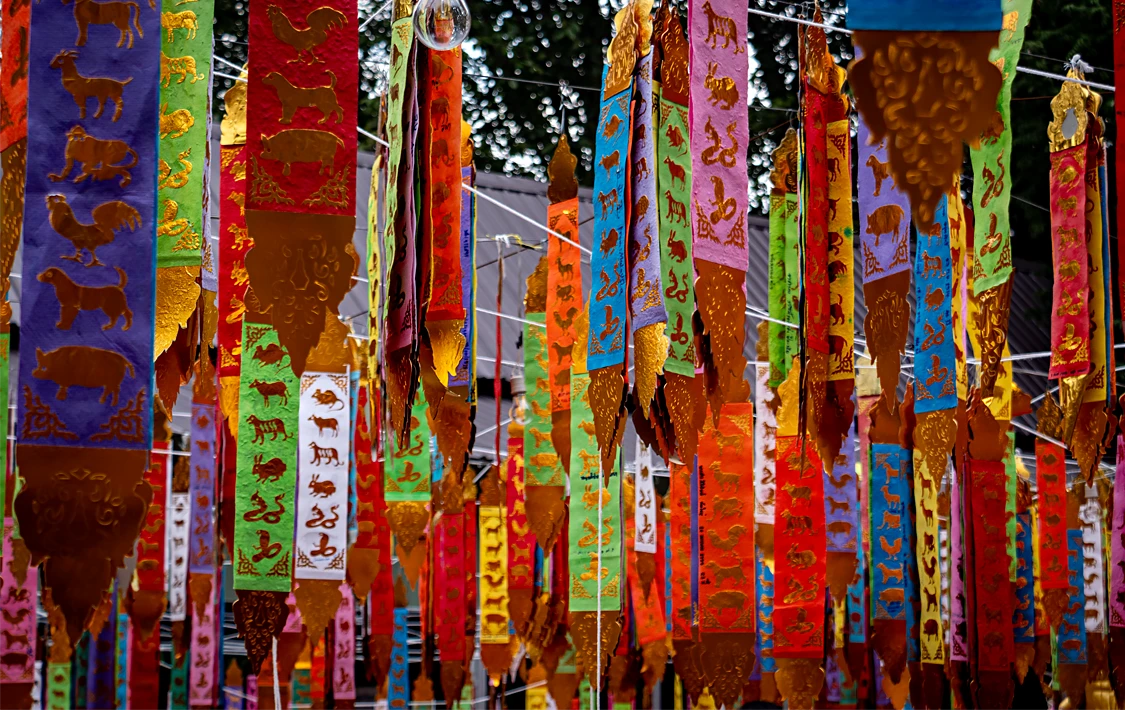

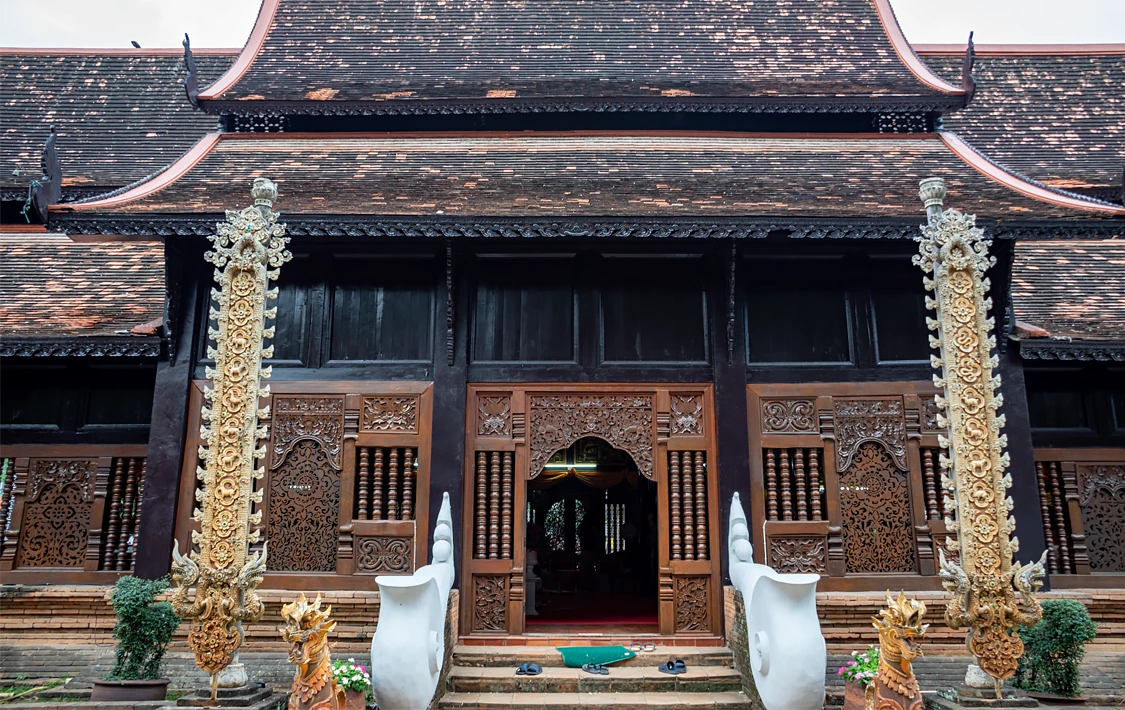
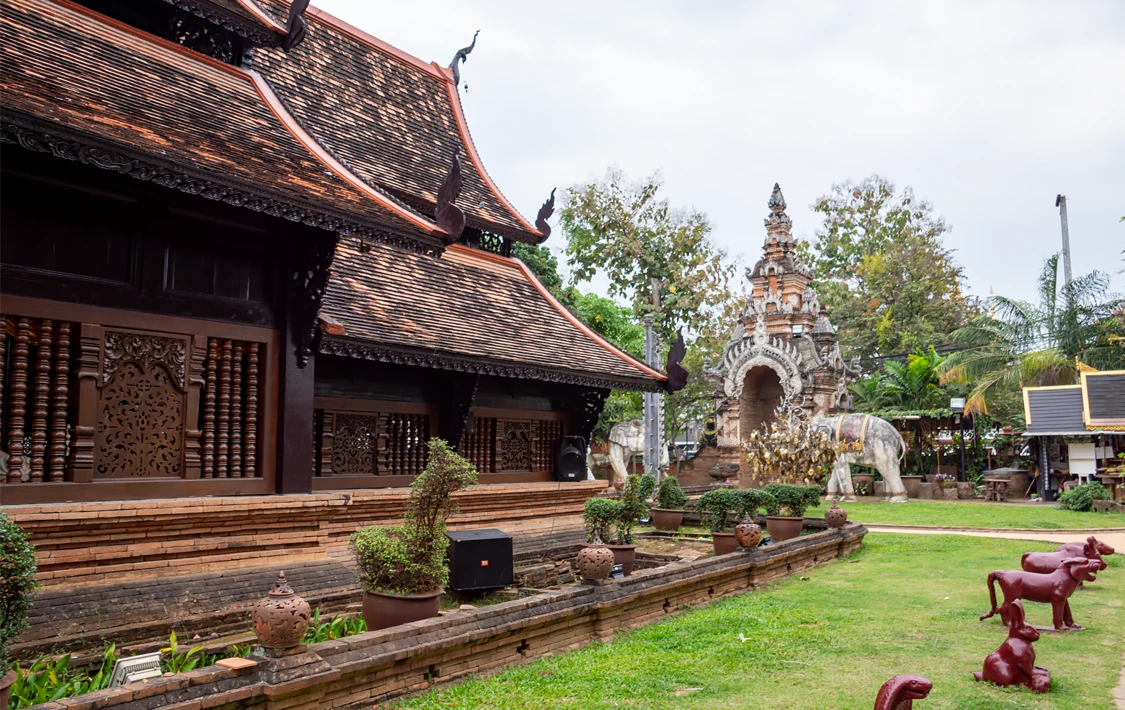
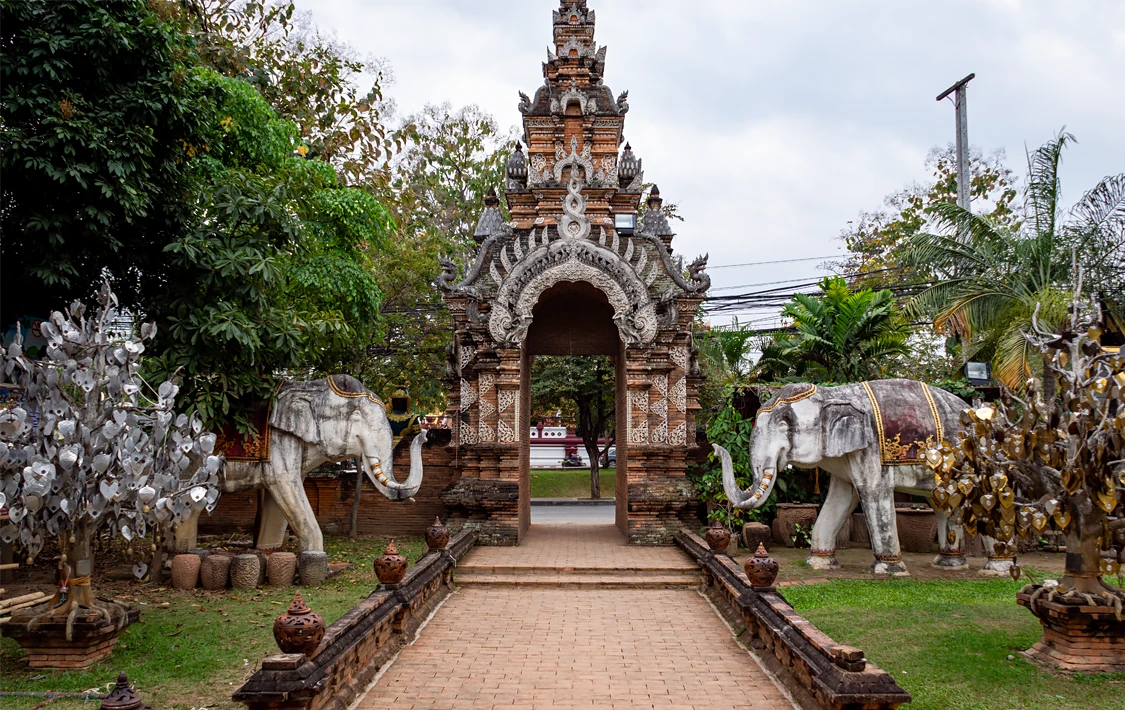
Located just outside Chiang Mai’s historic city walls, Wat Lok Molee dates back to the 14th century. According to history, King Kuena invited monks from Myanmar to Chiang Mai to spread the teachings of Buddhism. During their stay, these monks lived at Wat Lok Molee Temple.
Teakwood Prayer Hall
To reach Wat Lok Molee, you first pass through an ornate entrance gate guarded by two large elephant statues. The path then leads to two trees decorated with golden metal hearts.
Directly behind them stands a viharn (prayer hall) built from impressive teak wood and adorned with intricate carvings. The entrance to the hall is guarded by two white Naga serpents.
Impressive Chedi at Wat Lok Molee
Another highlight of the temple is its remarkable chedi (stupa) dating back to 1527. Built from bricks, the structure rises several metres into the sky. The upper sections of the chedi feature niches, each housing a Buddha statue.
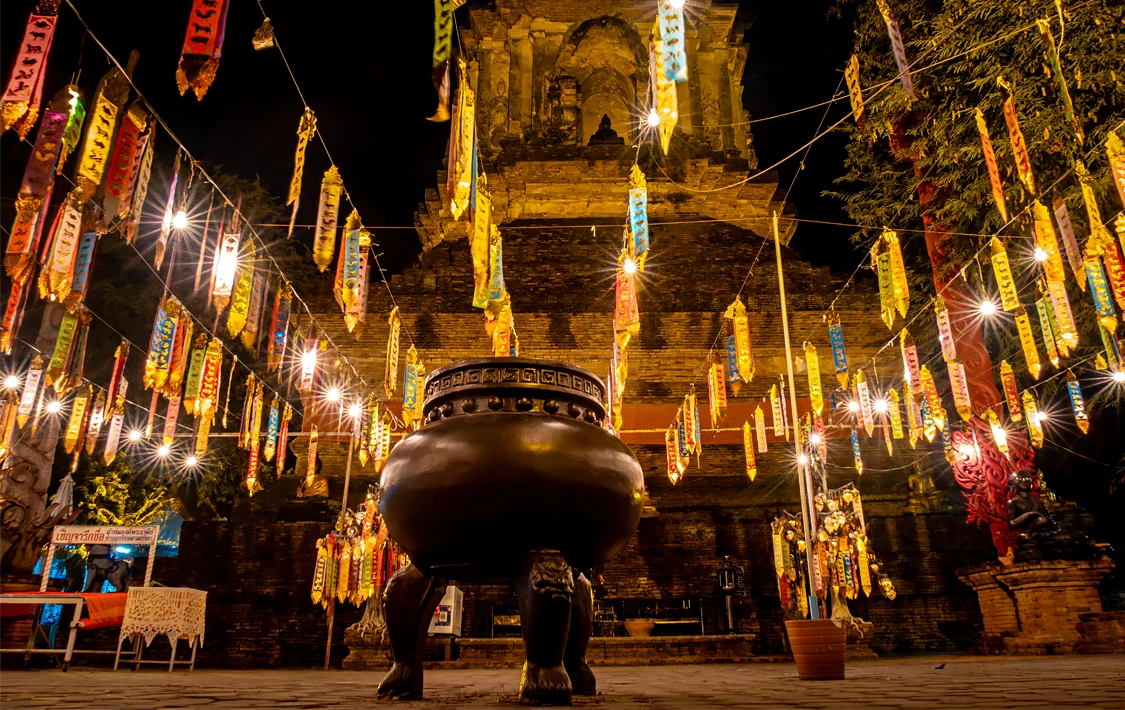
In front of the chedi, you will find numerous religious sculptures and Buddha figures. Colourful wish banners, carrying prayers and wishes from worshippers, hang from stretched cords throughout the temple grounds.
These vibrant banners give Wat Lok Molee a truly distinctive appearance. The atmosphere felt magical and deeply impressive during my visit.
A particularly special ambience emerges in the evening when the chedi is beautifully illuminated.
Hidden Gem – Still Largely Unknown Among Tourists
Compared to Chiang Mai’s famous temples inside the Old Town, Wat Lok Molee remains largely undiscovered by tourists.
Because of this, the atmosphere here is much calmer and more relaxed, giving you the opportunity to pause for a moment and simply appreciate the impressive surroundings. For me, Wat Lok Molee is still something of a hidden gem and definitely one of Chiang Mai’s best attractions.
Useful Information About Wat Lok Molee Temple
9. Wat Chedi Luang – One of Chiang Mai’s Main Attractions
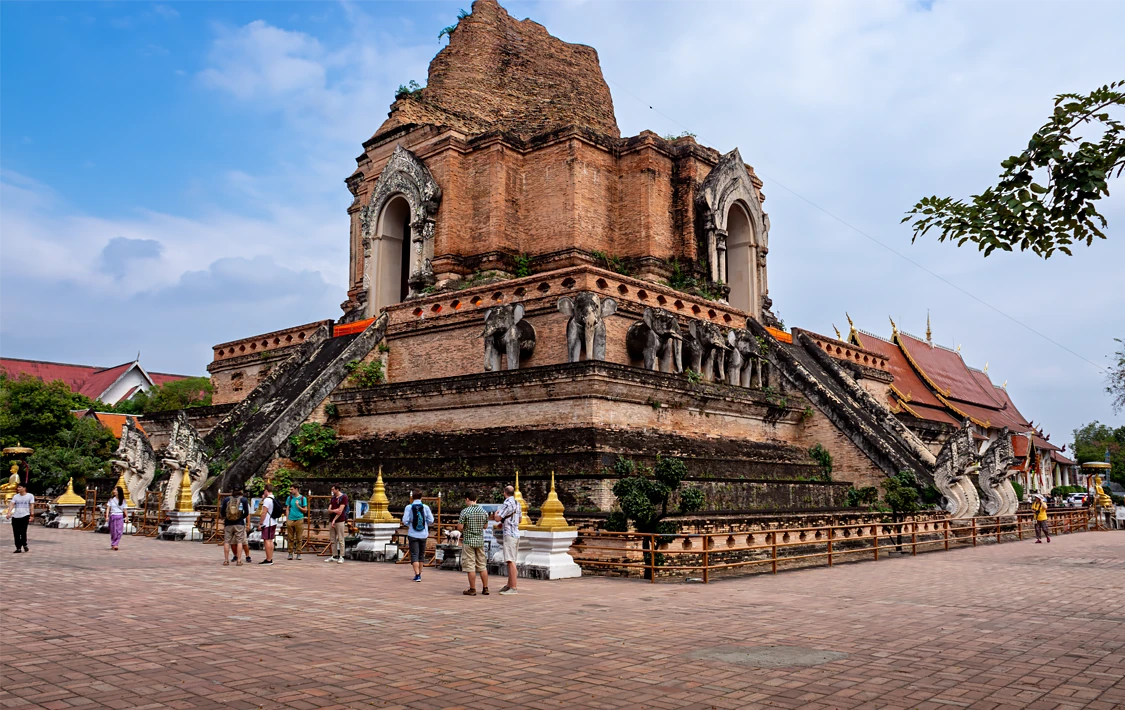
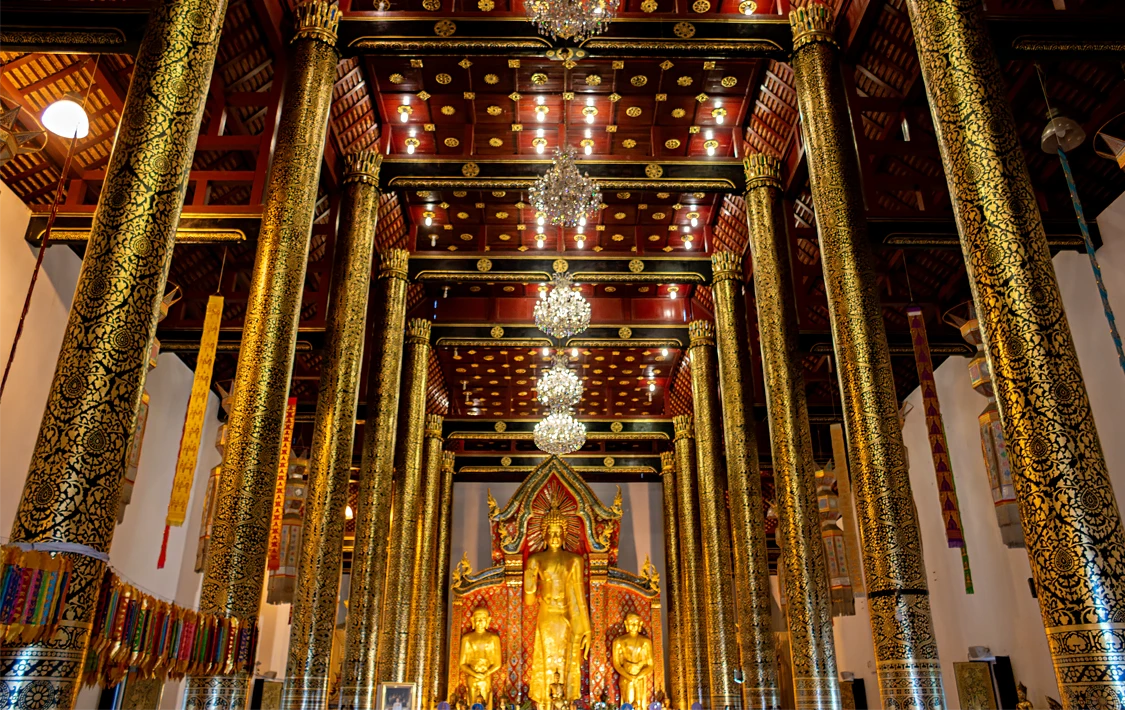
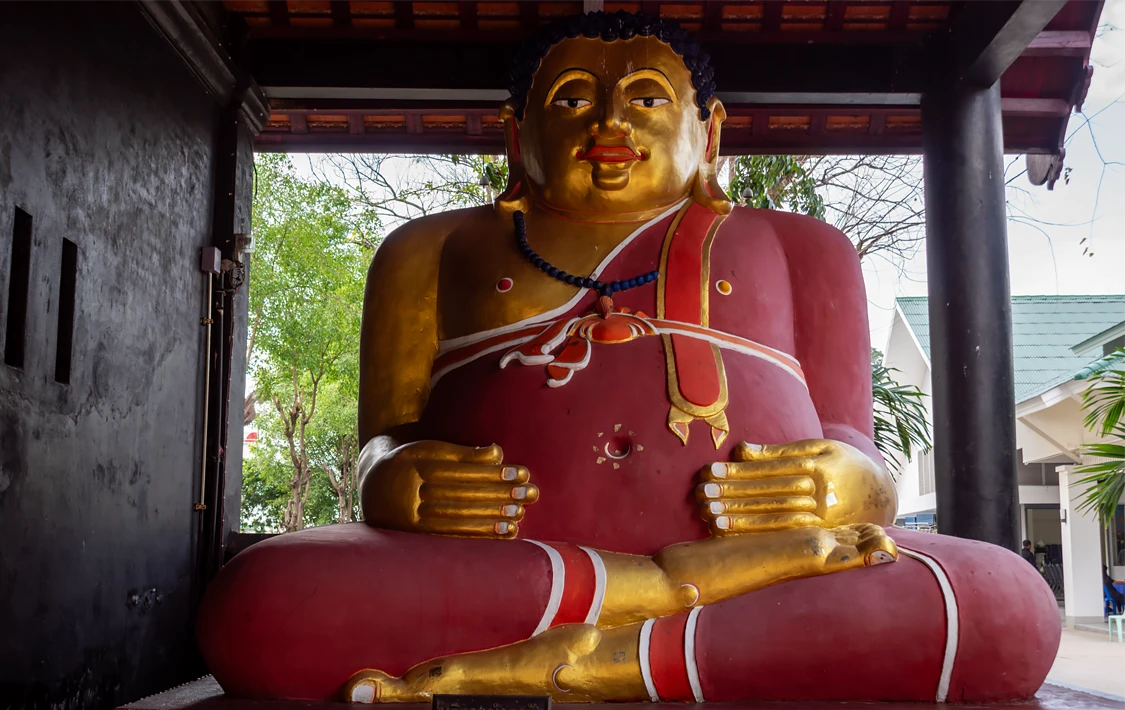

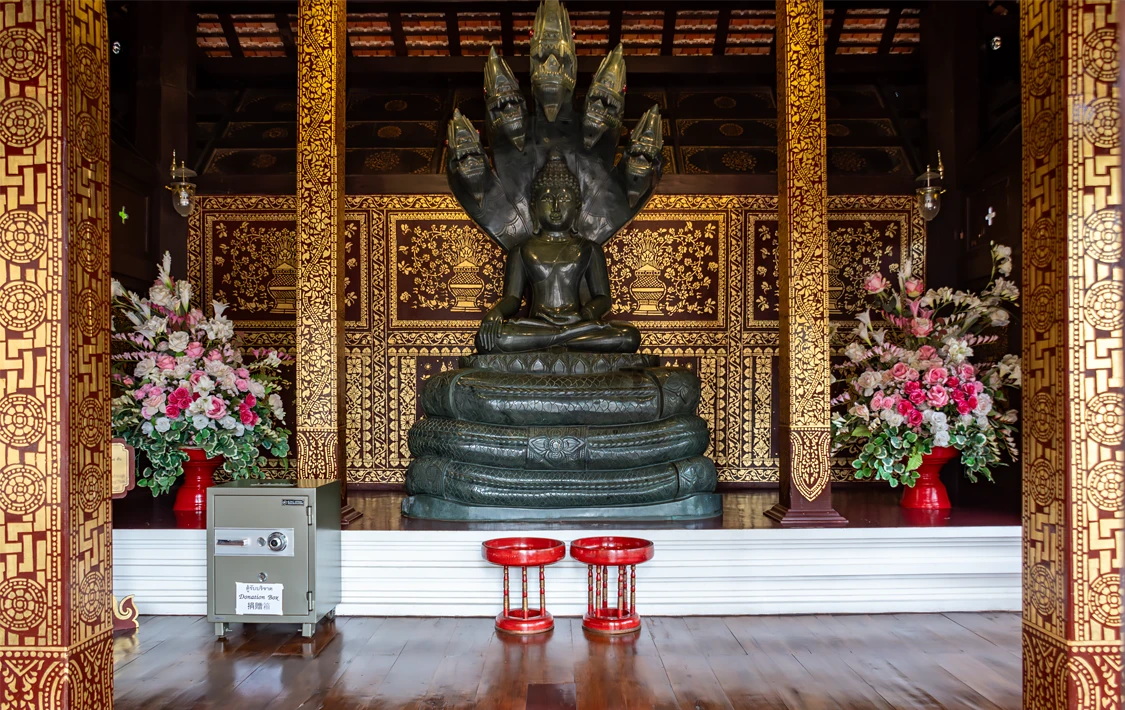
Wat Chedi Luang is one of the most impressive temples in Chiang Mai and an absolute highlight you should not miss. With its majestic ruins towering above the Old Town, this temple tells a fascinating story dating back to the 14th century.
A Place Full of History
Wat Chedi Luang was built in 1391 and was once home to the Emerald Buddha, which is now worshipped at Wat Phra Kaew in Bangkok.
Although an earthquake in the 16th century destroyed the upper section of the gigantic chedi, the ruins still radiate an impressive presence today. With an original height of 82 metres, it was once the tallest structure in Chiang Mai.
What Awaits You
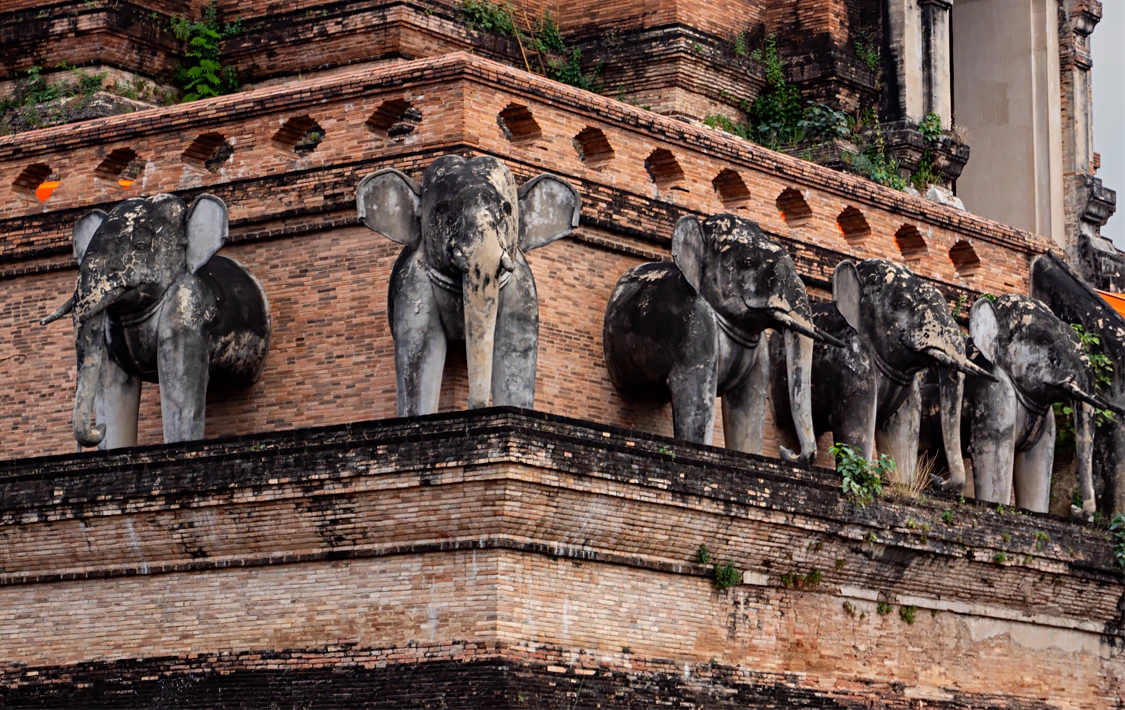
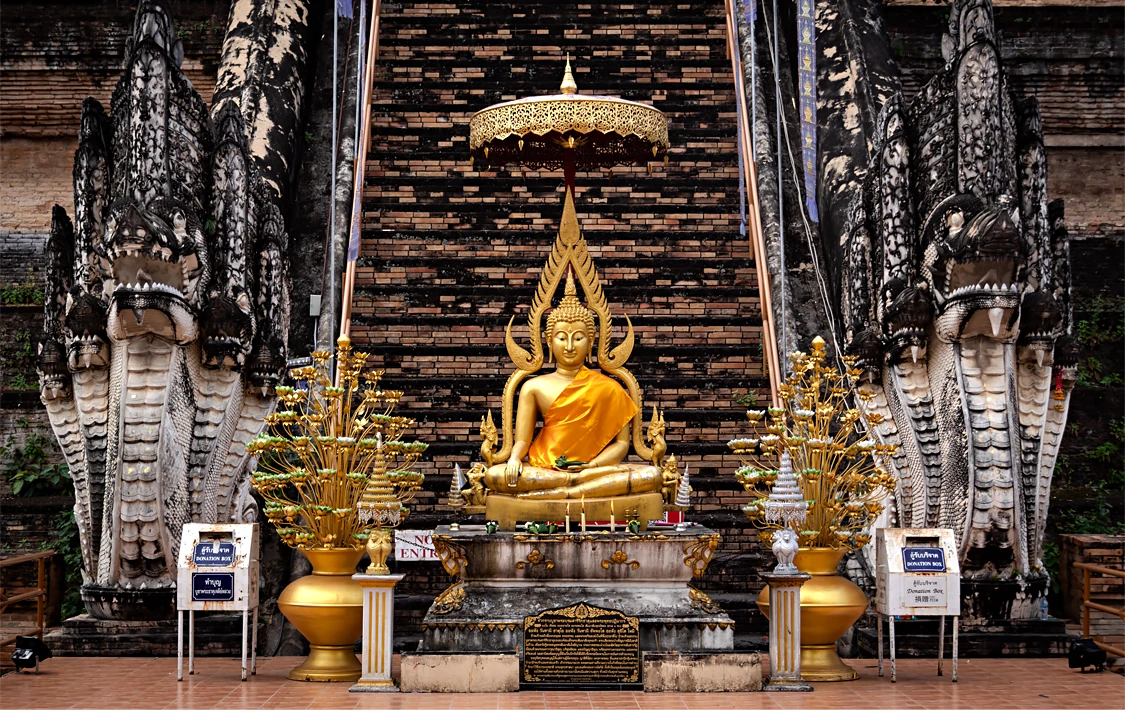
There is plenty to discover within the temple grounds. The central chedi, flanked by elephant statues, is a true eye-catcher, especially when sunlight illuminates the golden details. Nearby, you will also find Viharn Luang, a magnificent prayer hall housing a giant golden Buddha statue.
Another highlight is the City Pillar (Inthakhin Pillar), considered the spiritual centre of Chiang Mai. However, it is only accessible to the public during the annual Inthakhin Festival.
Spiritual Atmosphere
A visit becomes particularly magical in the evening, when lights illuminate the ancient ruins and create an almost mystical atmosphere. Wat Chedi Luang is not only an architectural masterpiece but also a place of peace and reflection, perfect for escaping the bustle of the city for a moment.
Useful Information About Wat Chedi Luang
10. Wat Buppharam – Playful Decorations & Unique Architecture
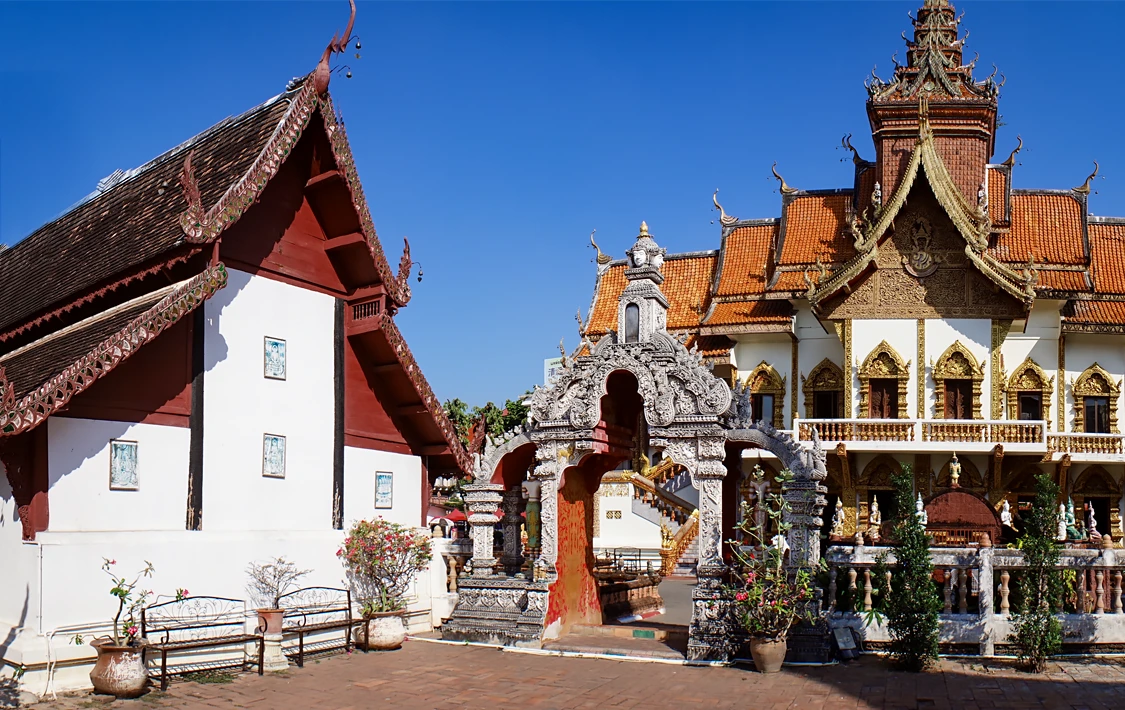
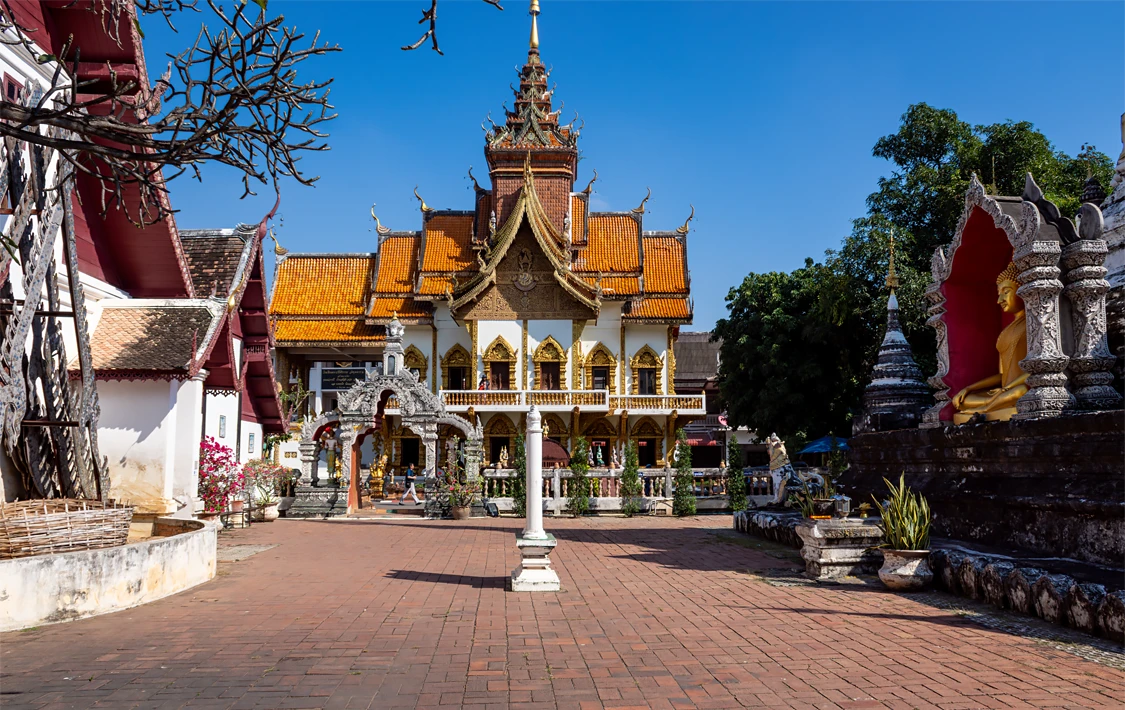
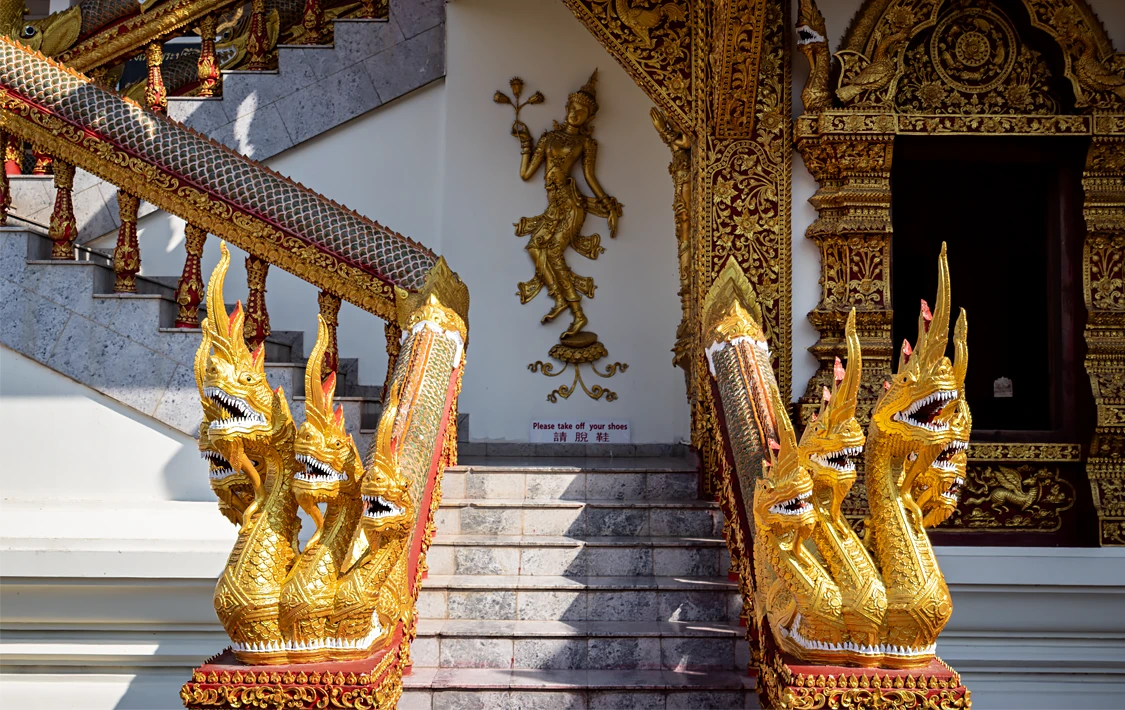


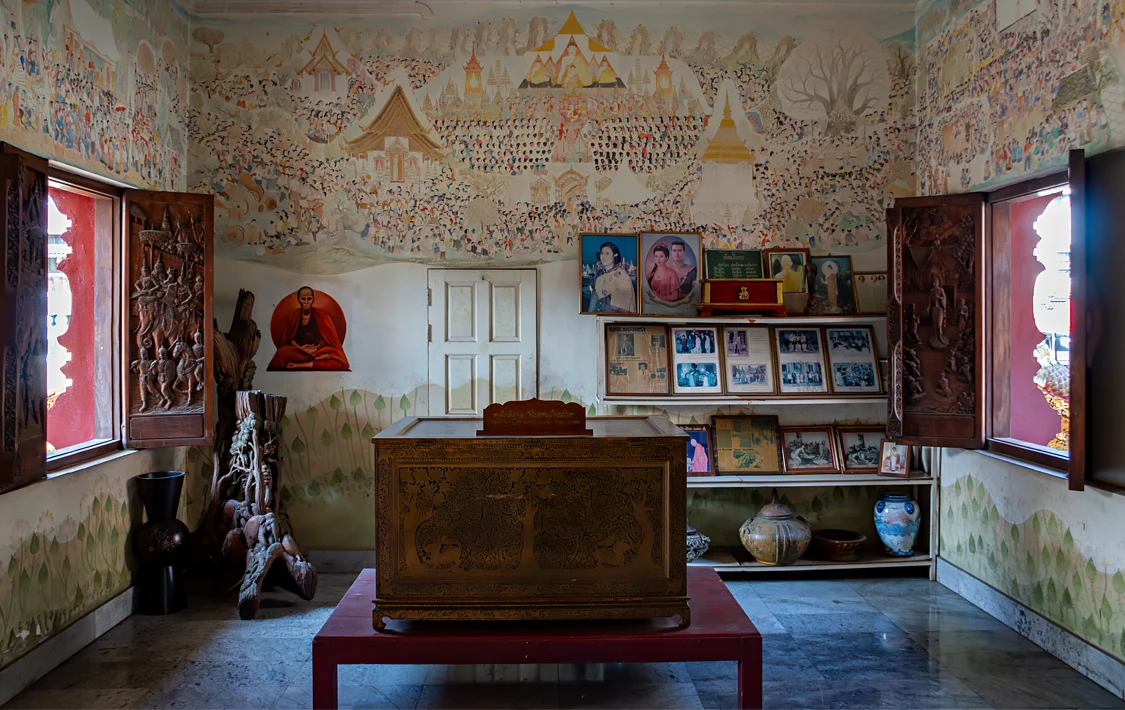


Wat Buppharam is another temple closely connected to Chiang Mai’s former royal family. It was built in 1497 by King Phra Mueang Kaeo. Historically, this site once housed the palace of his great-grandfather, King Tilokarat.
Although relatively compact in size, Wat Buppharam features several fascinating attractions and beautifully detailed decorations.
Impressive Royal Hall with a Unique Atmosphere
The Royal Hall (Ho Monthian Tham) is the largest and most interesting building within the temple complex. It is considered one of the finest examples of religious architecture in Thailand.
Surrounding the building, you will find numerous religious statues and ornate decorations, all creating excellent photo opportunities. On the upper floor lies the prayer hall, featuring impressive wall carvings and Buddha statues that create a remarkable atmosphere.
The lower floor houses a museum and a library containing religious texts. Throughout this area, stunning ceiling and wall paintings create a truly unique ambience, making it a perfect place to escape the heat of the Thai sun for a while.
400-Year-Old White & Gold Chedi
Another highlight of Wat Buppharam is the approximately 400-year-old chedi (stupa) located in the adjacent garden. The structure shines with a striking white and gold façade and was built in Burmese architectural style. Guarding the chedi are four Chinthe, mythical Burmese lions that serve as counterparts to Thailand’s Singha lions.
Useful Information About Wat Buppharam Temple
11. Wat Chiang Man – Historic Temple Away from Mass Tourism
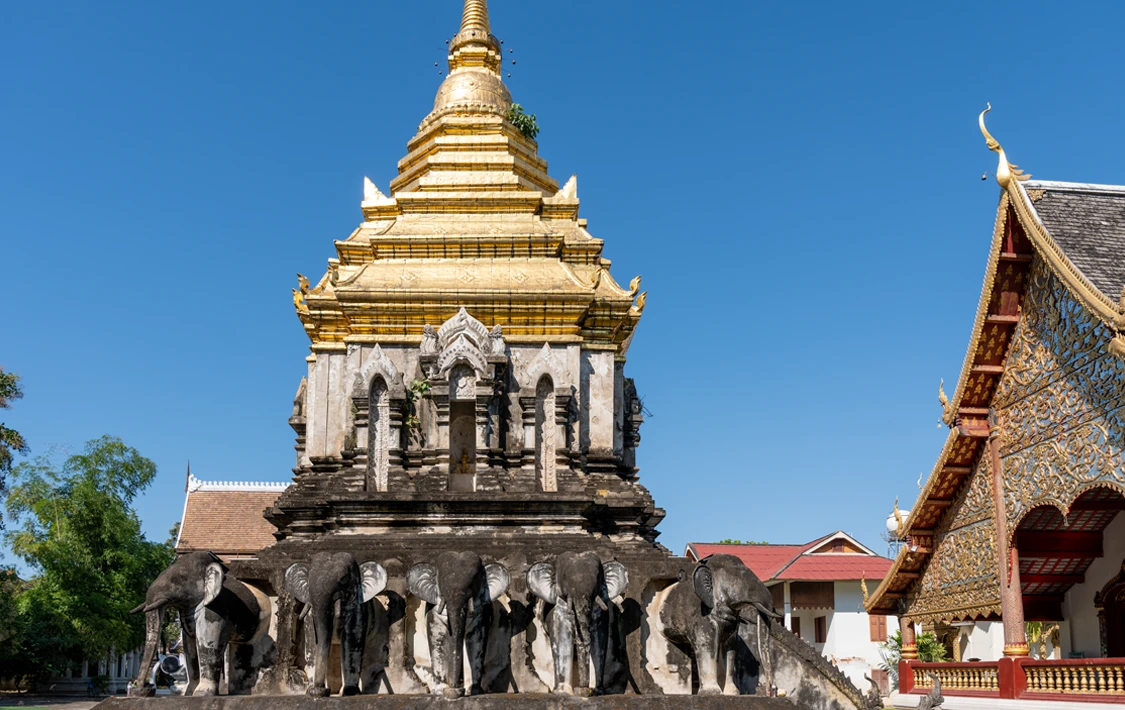
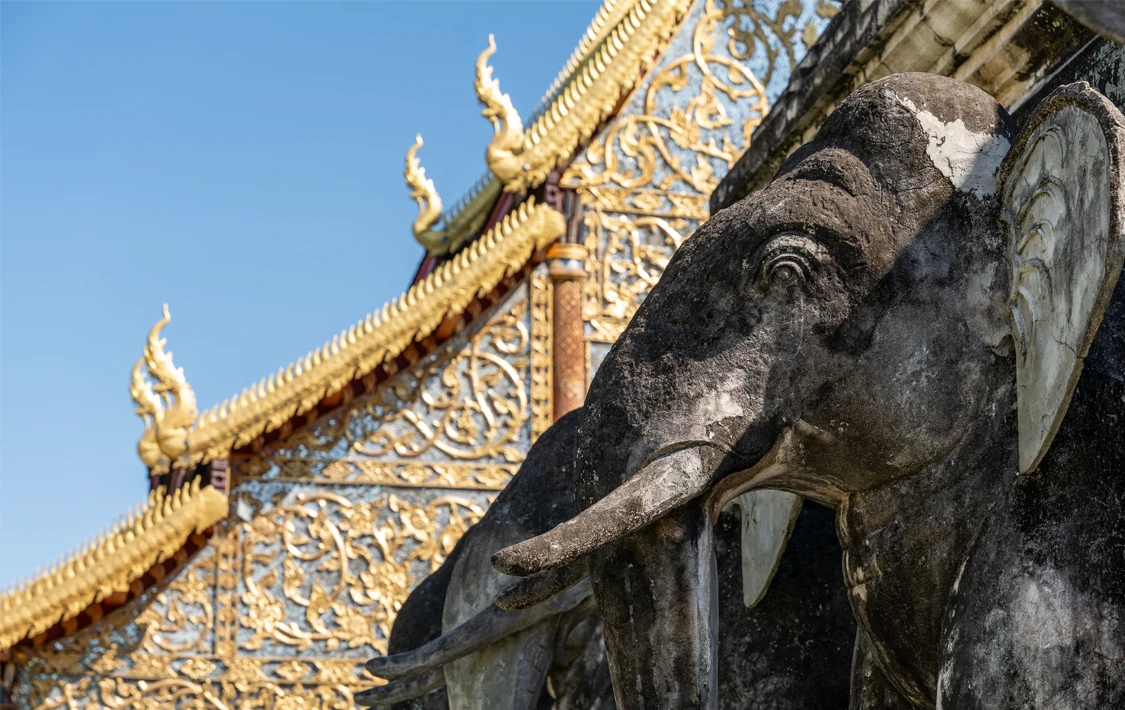
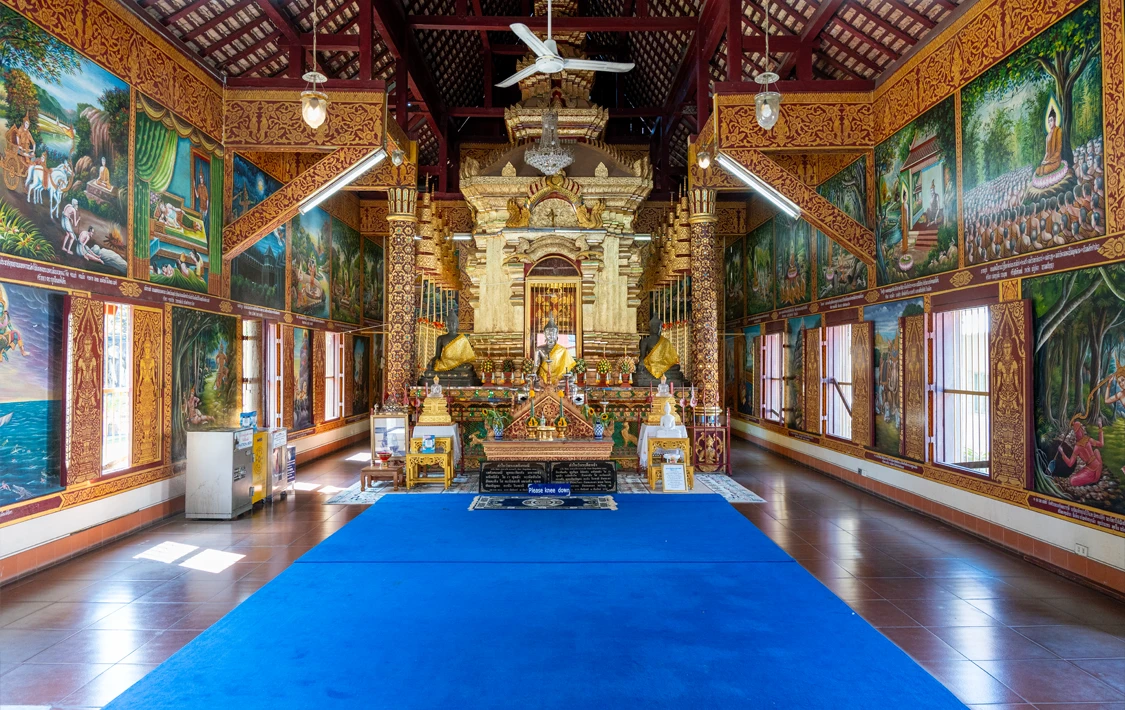
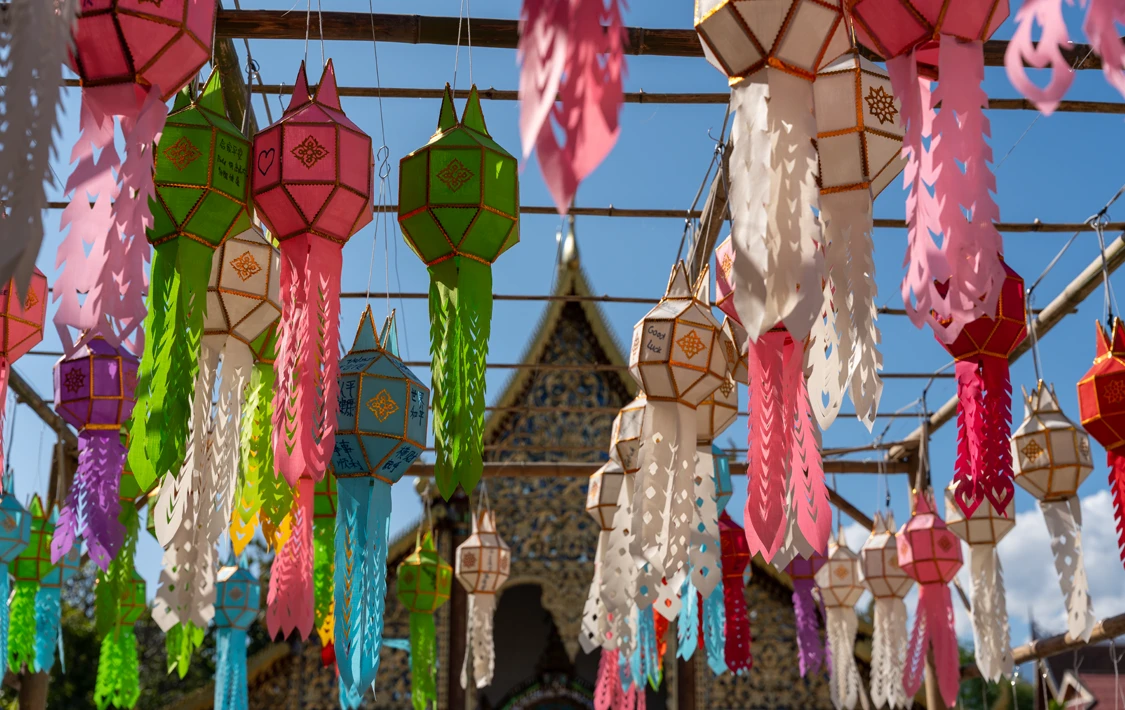
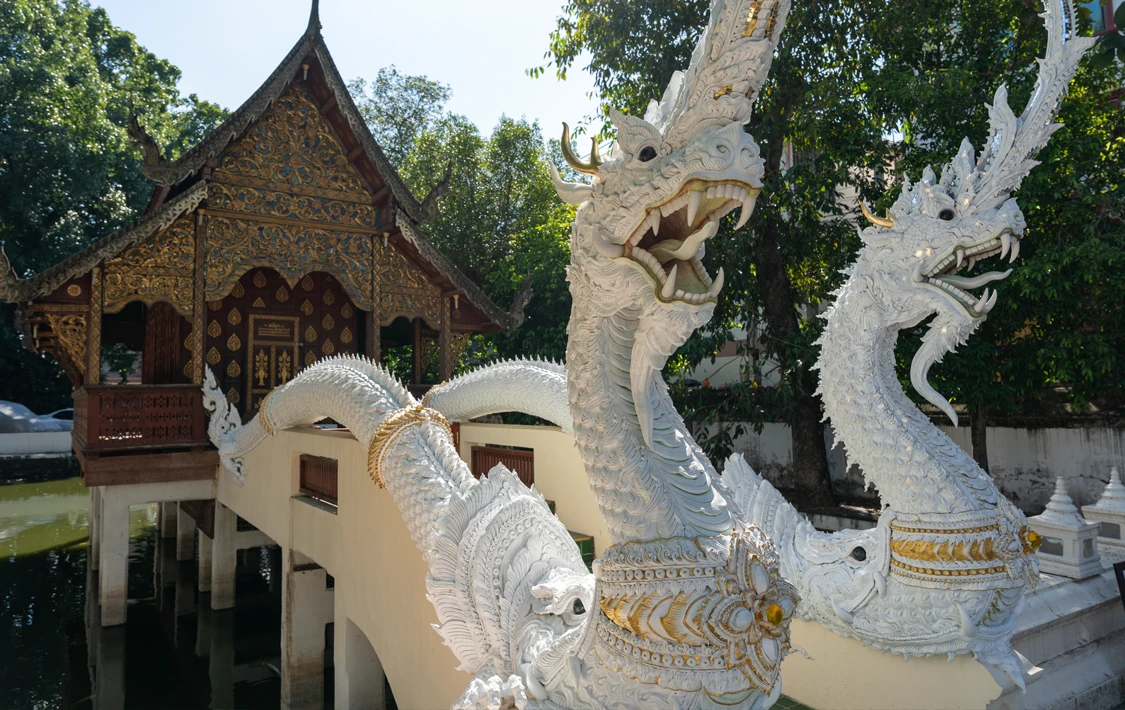
Wat Chiang Man is an absolute must-visit when exploring Chiang Mai. It is not only the oldest temple in the city, but also a place full of history and spiritual significance. Founded in 1296 by King Mengrai, the temple once served as a royal residence and is therefore closely connected to the origins of Chiang Mai itself.
What Awaits You
As soon as you enter the temple grounds, you will be impressed by the remarkable Lanna architecture.
One of the most striking highlights is the Chedi Chang Lom, also known as the Elephant Chedi. Fifteen beautifully crafted elephant statues appear to support the stupa, symbolising strength and stability. Inside the larger assembly hall, Viharn Luang, you will find an impressive golden Buddha statue.
However, the true treasures are hidden within the smaller hall, Viharn Noi, which houses two sacred Buddha statues:
- Phra Sila – a beautiful marble Buddha sculpture
- Phra Sae Tang Khamani – the famous Crystal Buddha
Both are regarded as important protectors of Chiang Mai and are highly revered among worshippers.
Why You Should Visit Wat Chiang Man
Wat Chiang Man is not only a place to learn about Chiang Mai’s history, but also an oasis of calm. You can wander among centuries-old buildings, experience the unique atmosphere, and admire the exceptional craftsmanship throughout the temple complex.
If you would like to experience Thailand’s spiritual side while discovering a fascinating piece of history, this temple is the perfect place to visit.
Useful Information About Wat Chiang Man
12. Wat Suan Dok – The White Temple in Chiang Mai

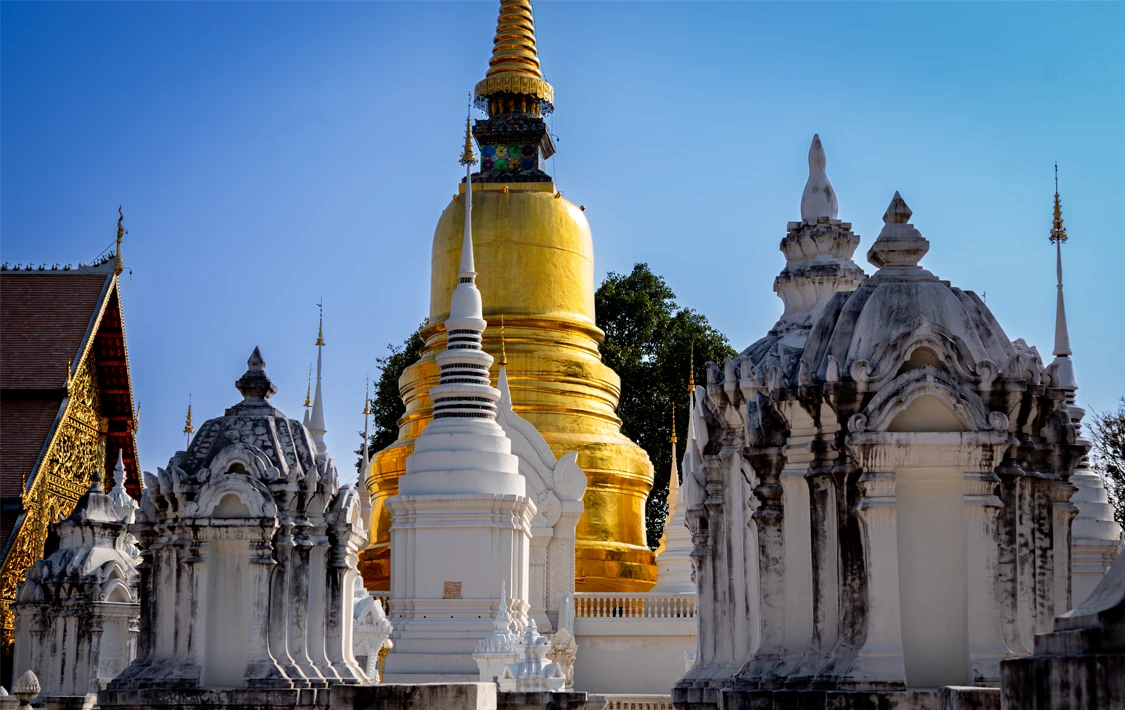

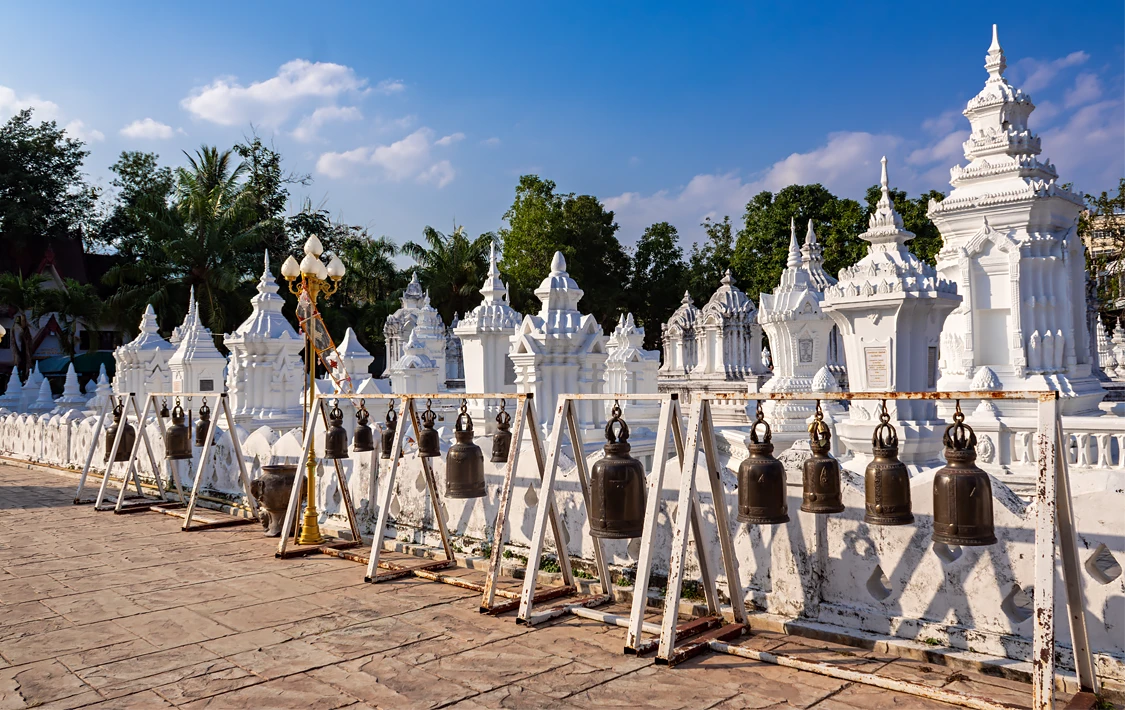
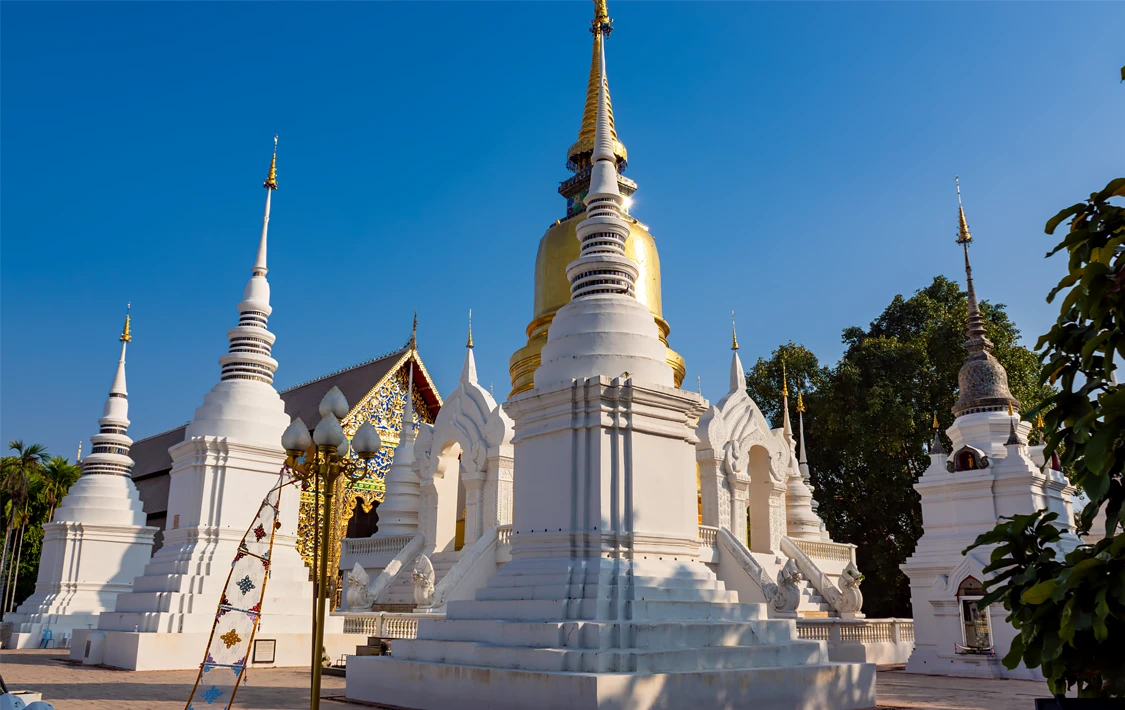
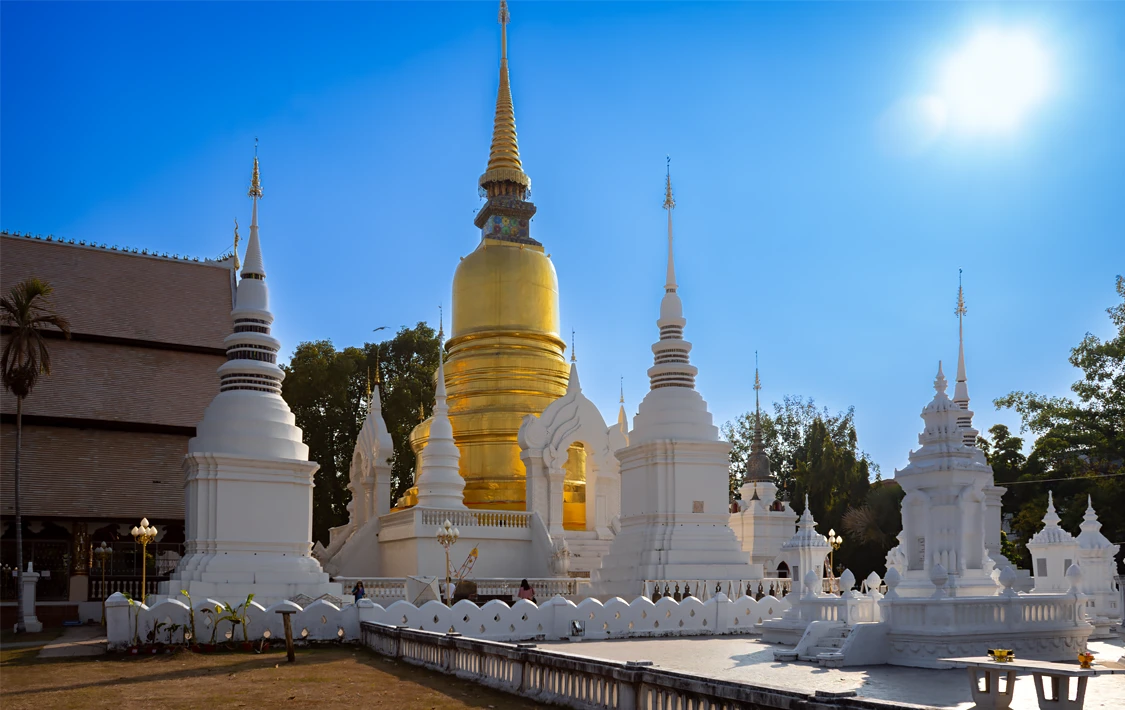

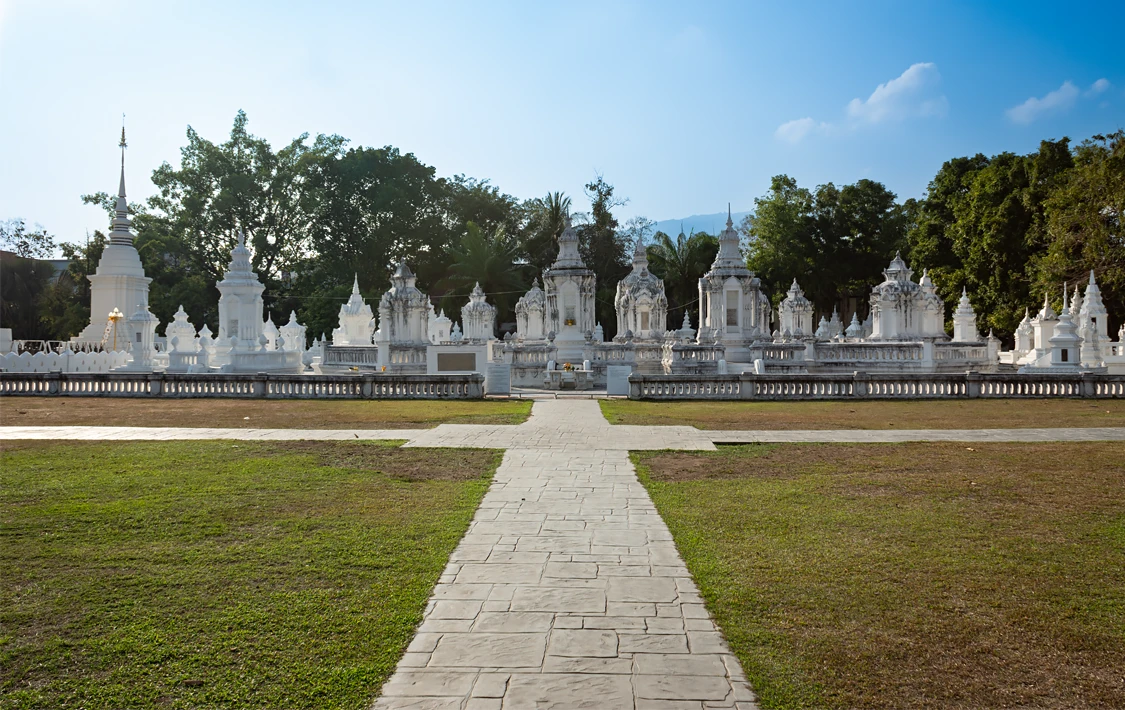
Wat Suan Dok is located west of Chiang Mai’s historic city walls and its name roughly translates to “Flower Garden Temple.” The temple received this name because the area once served as a royal flower garden.
The most striking feature of Wat Suan Dok is the collection of numerous white chedis, spread across the temple grounds. These contain the ashes of deceased members from several generations of Chiang Mai’s royal family.
At the centre of the complex stands a 48-metre-high golden chedi, which is believed to house a sacred relic of Buddha.
The Moving Legend Behind the Temple’s Construction
A monk named Sumana Thera from Sukhothai discovered a sacred Buddha relic believed to be Buddha’s shoulder bone.
The ruling king subsequently invited the monk to the Kingdom of Lanna (modern-day Chiang Mai) so the relic could be safely preserved within a temple. Wat Suan Dok was built for this very purpose.
According to legend, when the monk finally arrived in Chiang Mai, the bone miraculously split into two separate pieces. One of these relics remains at Wat Suan Dok to this day.
For the second relic, the king ordered it to be placed on the back of a white elephant, which was then released. At that time, elephants commonly served as working animals.
The elephant climbed Doi Suthep mountain, west of Chiang Mai. After a three-day journey, it reached a rocky ledge where it trumpeted three times before collapsing and dying from exhaustion.
At this sacred location, Wat Phra That Doi Suthep was eventually built in 1383.
Useful Information About Wat Suan Dok Temple
13. Wat Saen Fang – The Glass Mosaic Temple
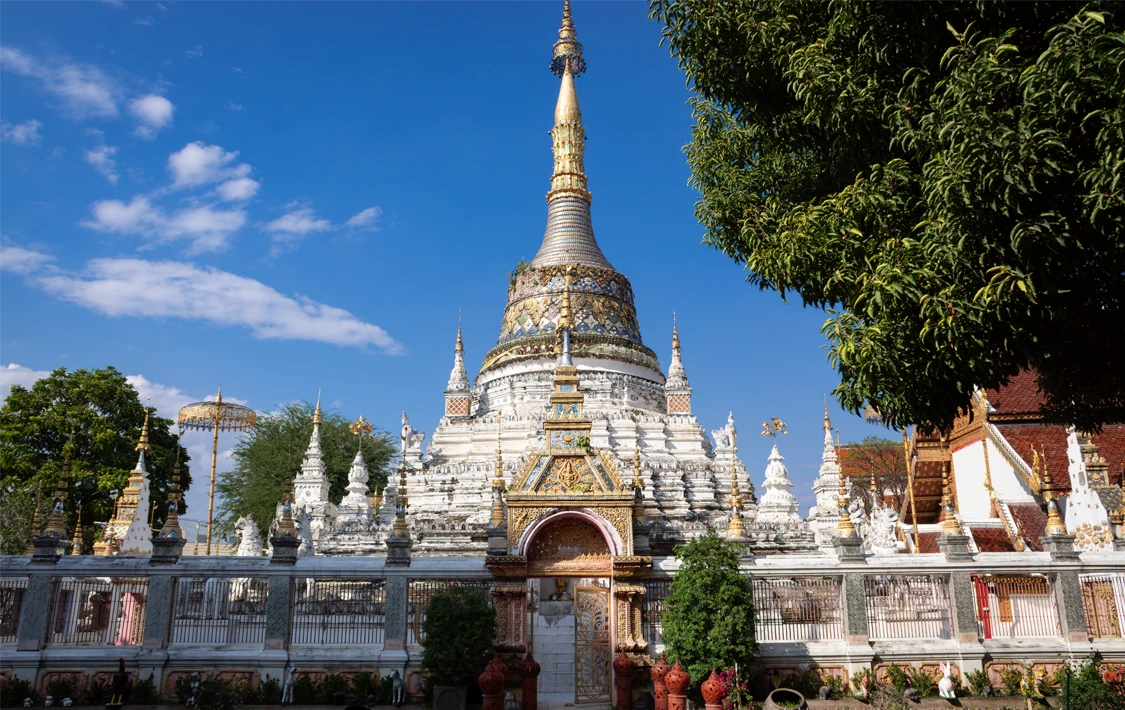
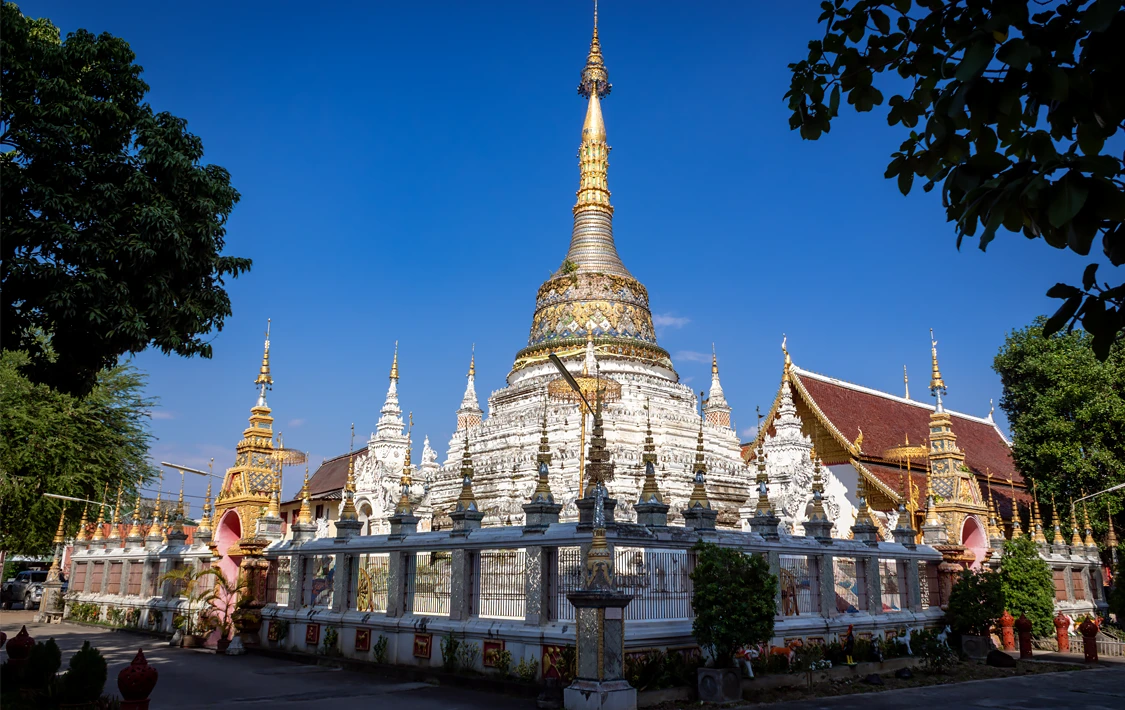
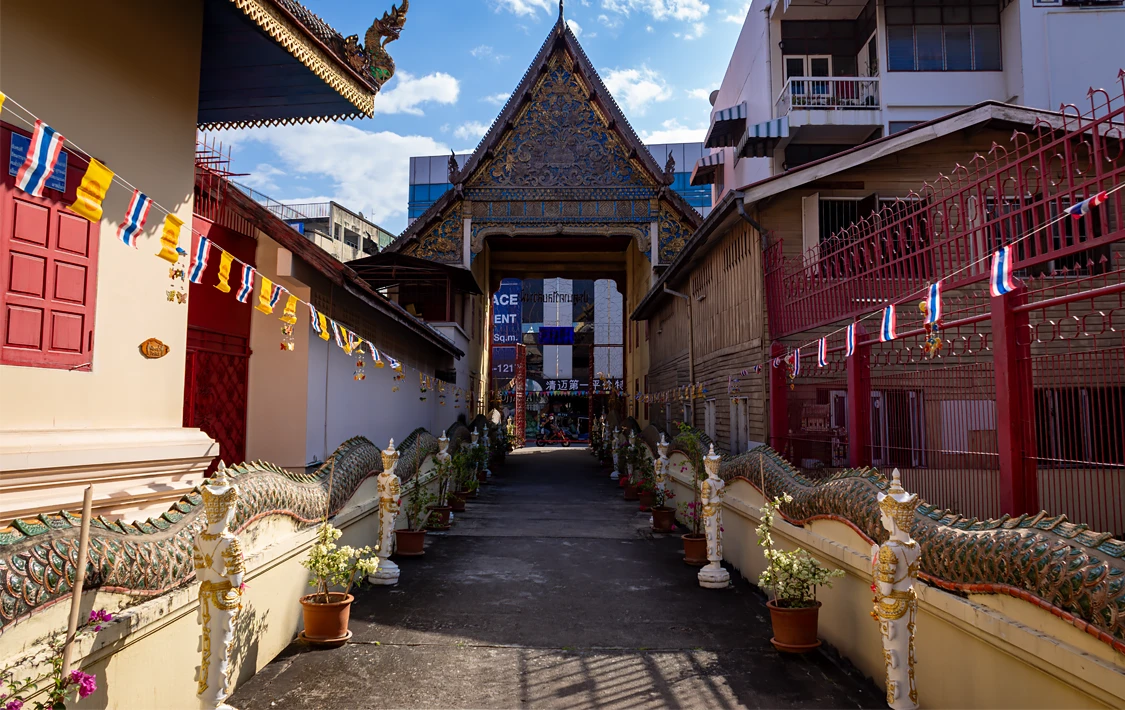

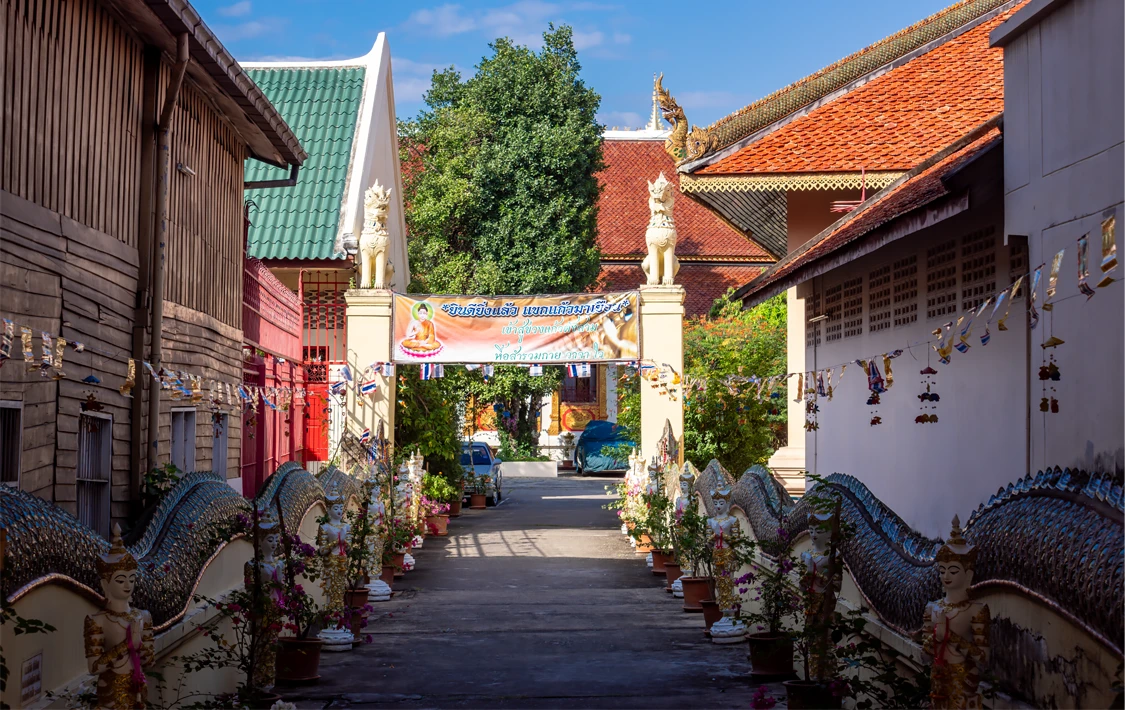
Wat Saen Fang is another temple in Chiang Mai that remains largely unknown among tourists. From the moment you enter this slightly hidden temple, you are greeted by a unique and almost magical atmosphere. Access to the temple leads through a narrow alleyway decorated with two Naga serpents along the entrance. The origins of Wat Saen Fang, designed in Burmese architectural style, are believed to date back to the 14th century.
The main highlight of the temple is its white chedi (stupa), decorated with impressive glass mosaics that sparkle beautifully under the Thai sun. Since the temple remains relatively unknown among visitors, you will often find the grounds nearly empty, making it a fantastic place to escape the busy atmosphere of Chiang Mai and enjoy a peaceful moment.
Useful Information About Wat Saen Fang
14. Kuan Im Chokchai Temple – The Chinese Temple with a WOW Factor
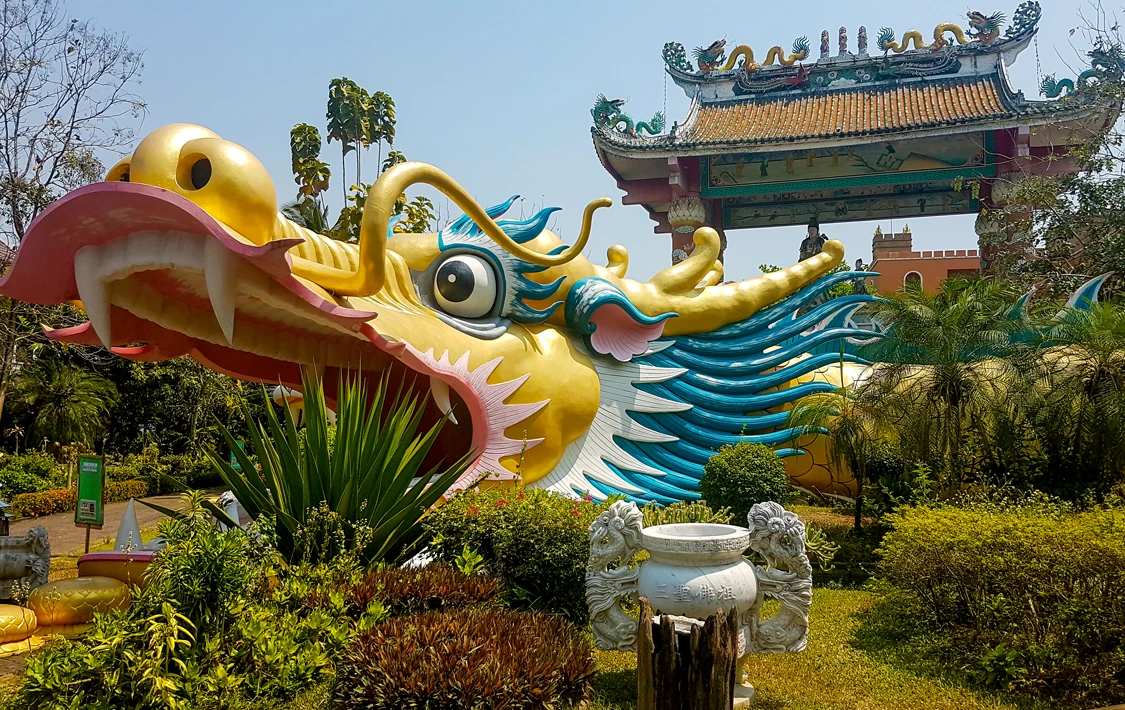

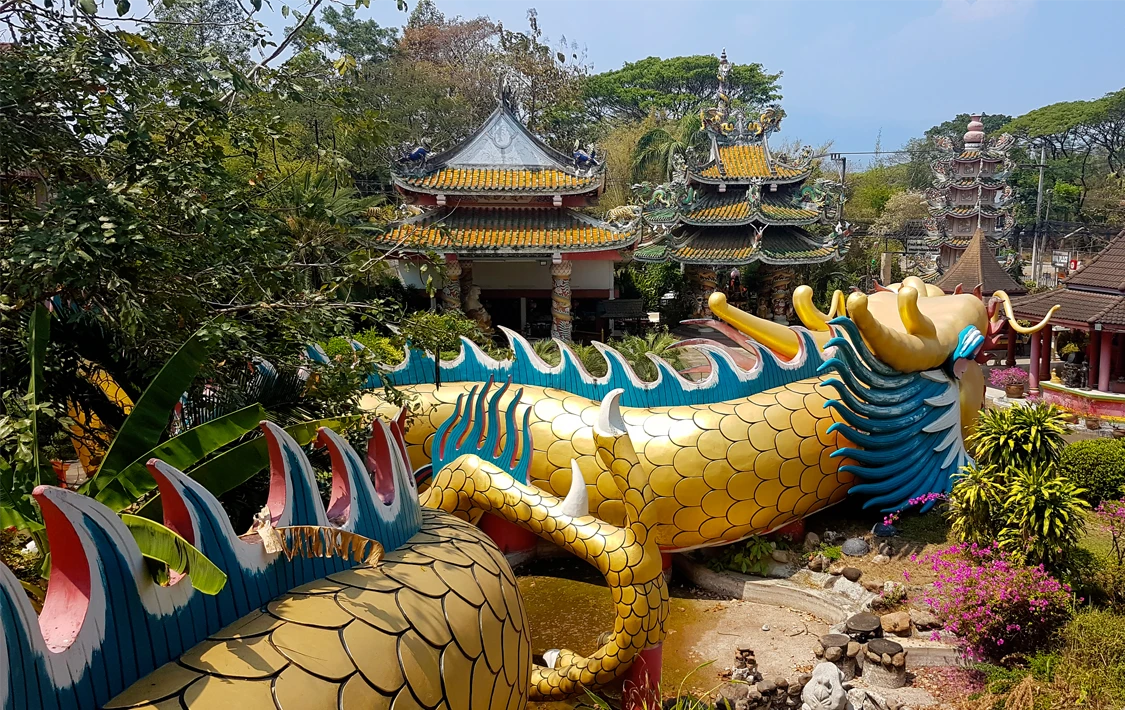
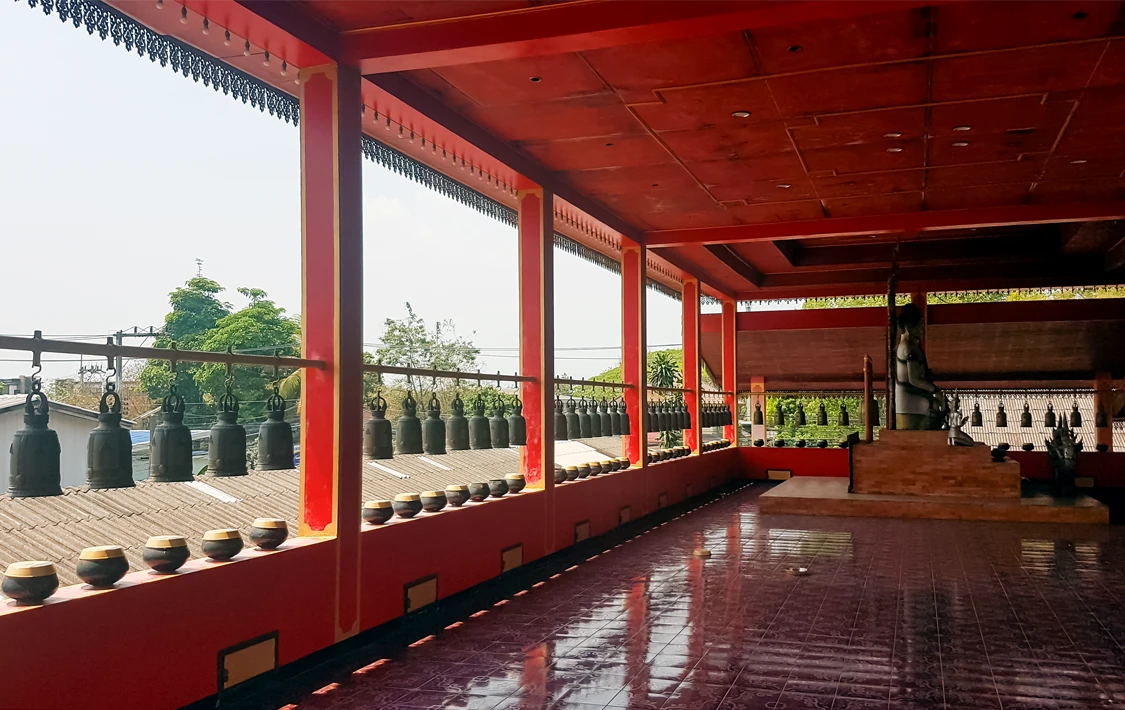
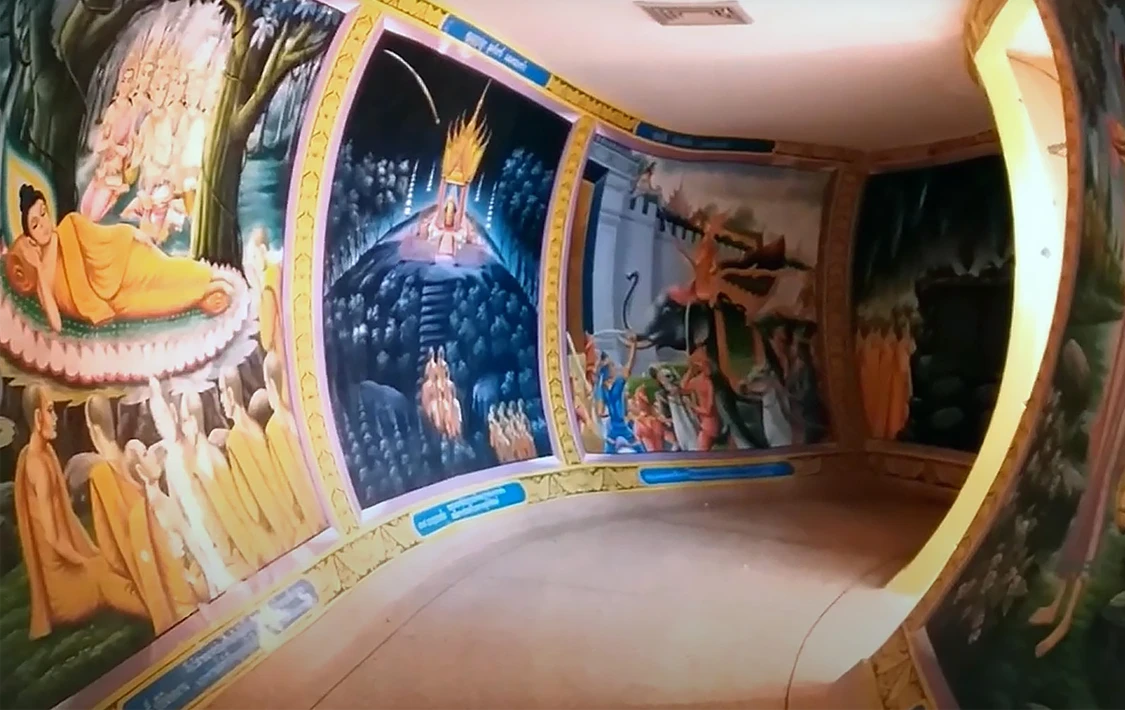
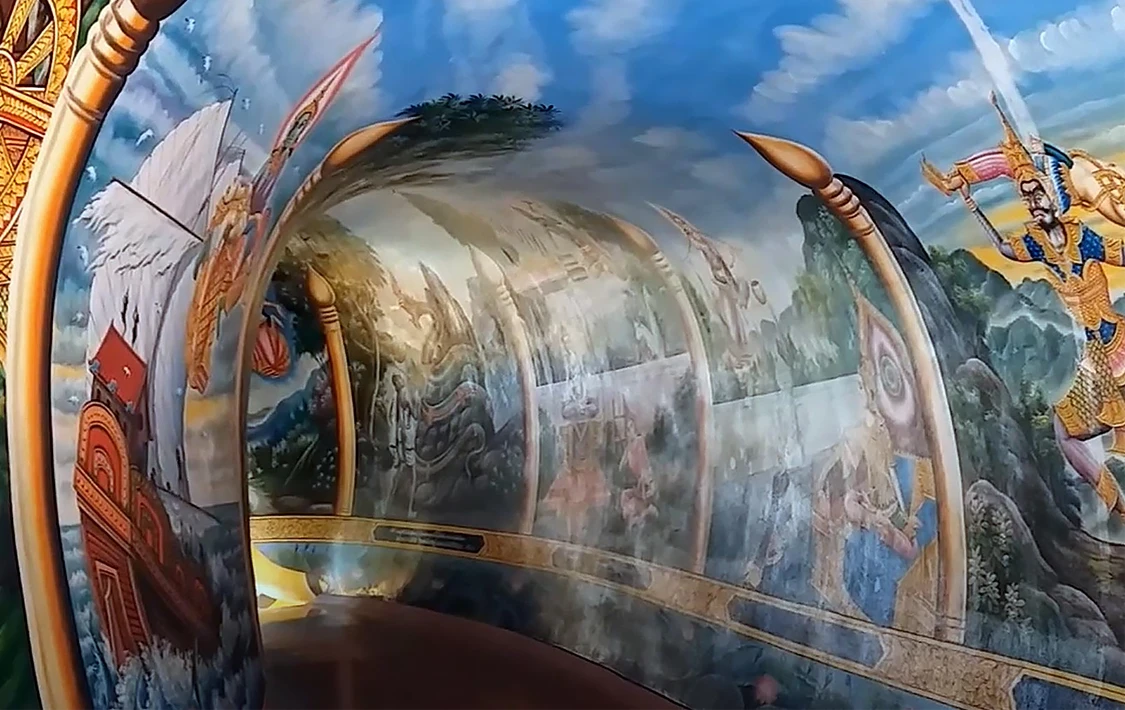
This temple was founded by Abbess Bhiksuni Shi Kuang Seng, who received her ordination at Mount Putuo in China in 1991.
Located outside Chiang Mai’s Old Town, Kuan Im Chokchai Temple remains virtually unknown among tourists. As a result, you will often find yourself exploring a peaceful and almost empty temple complex.
Tiger & Dragon Figures
What makes this temple truly spectacular are its enormous tiger and dragon sculptures.
To enter the temple, you walk through the mouth of a giant dragon, which leads into the body of the creature. Inside, a pathway guides you past numerous impressive murals and decorations.
The path eventually ends at a pavilion housing a statue of Kuan Im, the Goddess of Mercy.
Afterwards, you leave the temple through a second route running through the body of a giant tiger, finally exiting via the animal’s jaws and returning to the temple grounds.
These unusual pathways through the sculptures are an absolute highlight. Personally, I have never experienced anything similar at any other temple in the world.
A true hidden gem away from the tourist crowds and, in my opinion, one of Chiang Mai’s most fascinating attractions.
Useful Information About Kuan Im Chokchai Temple
15. Attractions Around Chiang Mai – Mountains, Temples & Nature


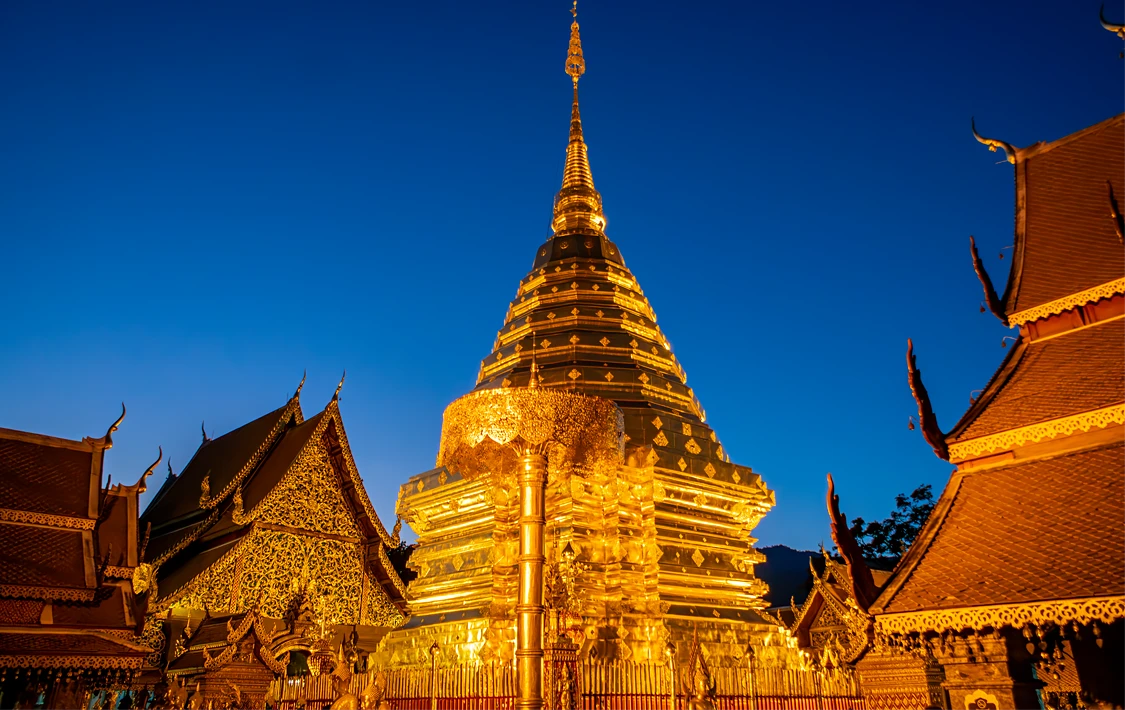


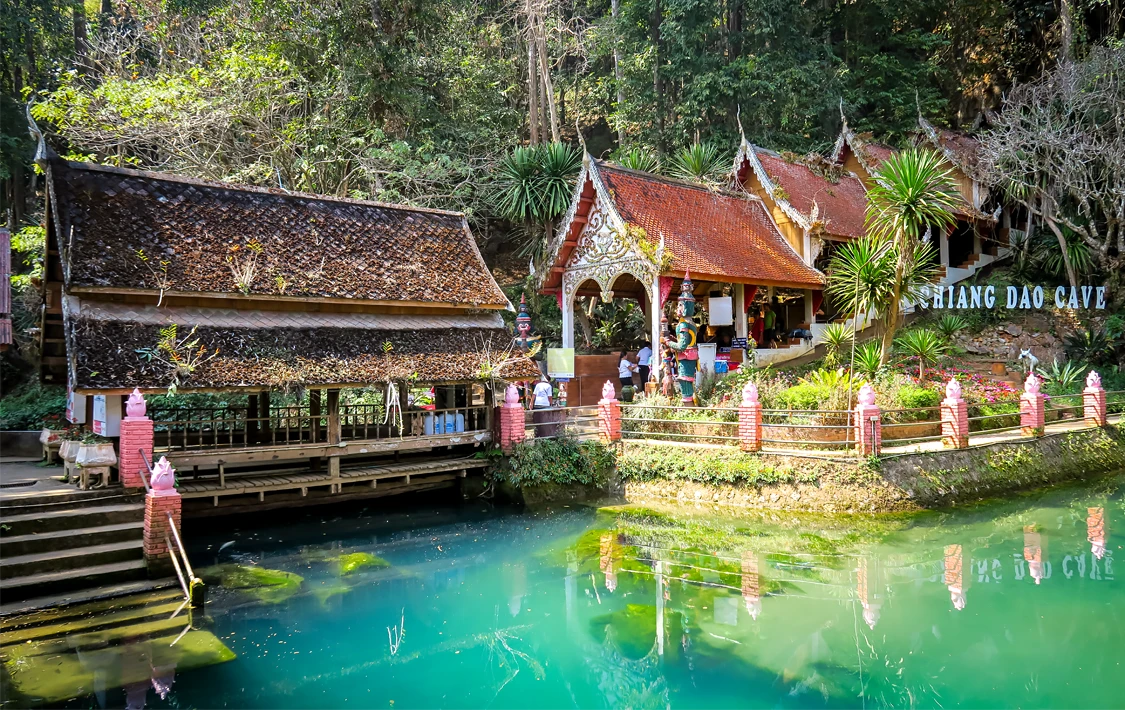
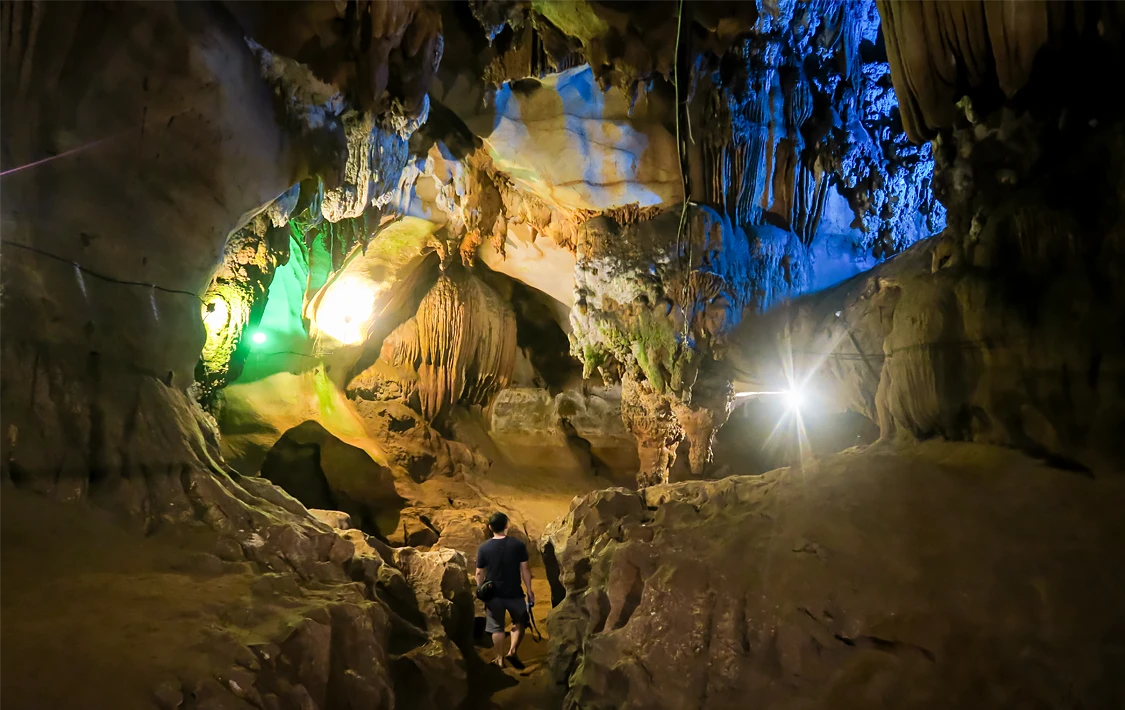
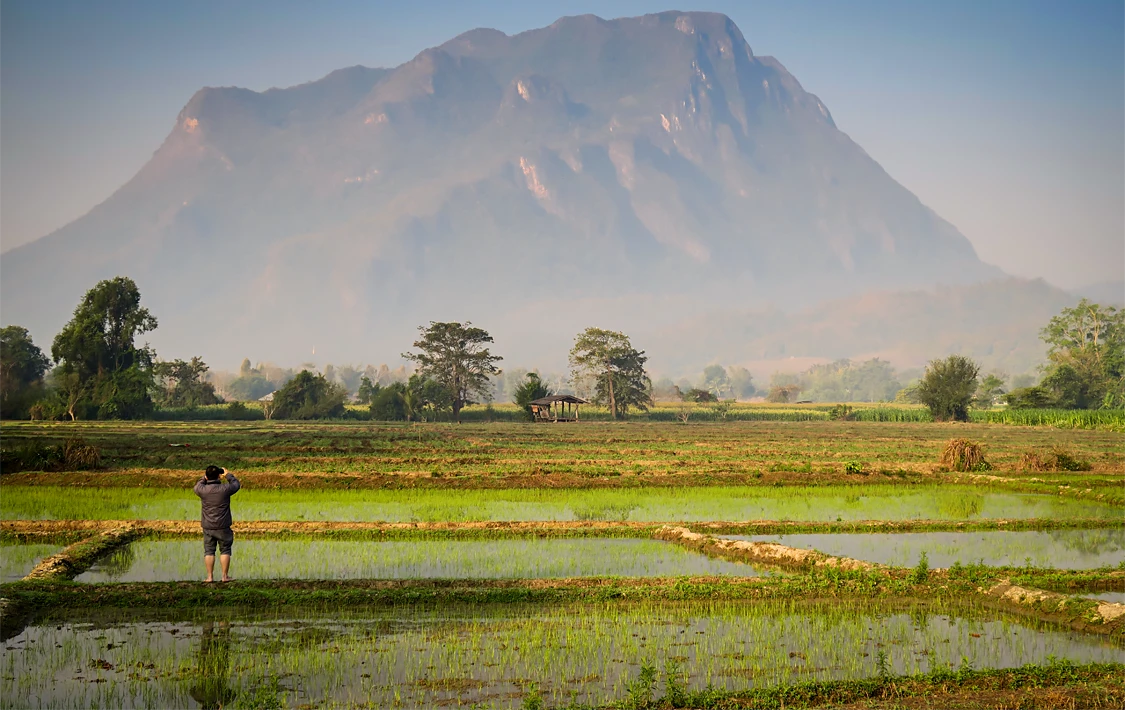

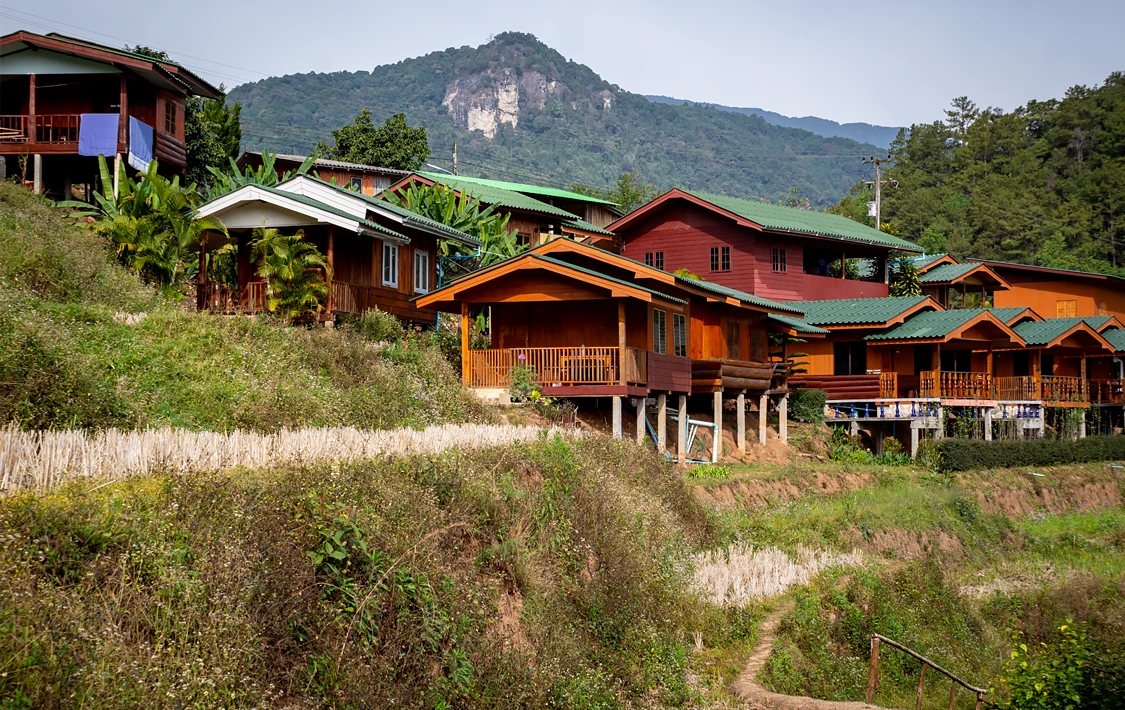
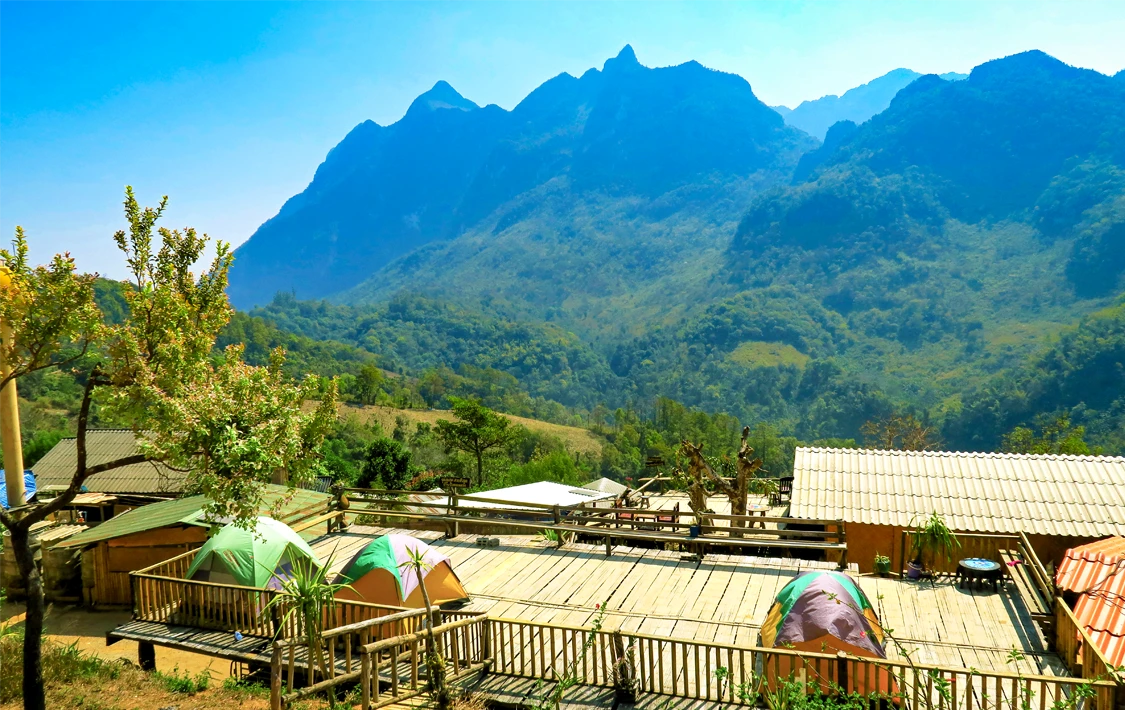
Chiang Mai’s Old Town is already filled with countless attractions and temples. However, the surrounding region also offers incredible experiences, including Doi Suthep Mountain, home to the world-famous Wat Phra That Doi Suthep.
Another highlight is Doi Inthanon National Park, where mountain temples, waterfalls, rice fields, and spectacular landscapes await.
If you would like to discover even more places around Chiang Mai, you can find additional recommendations in our dedicated travel guide.
Useful Information About Attractions Around Chiang Mai
Hotel Recommendations for Chiang Mai
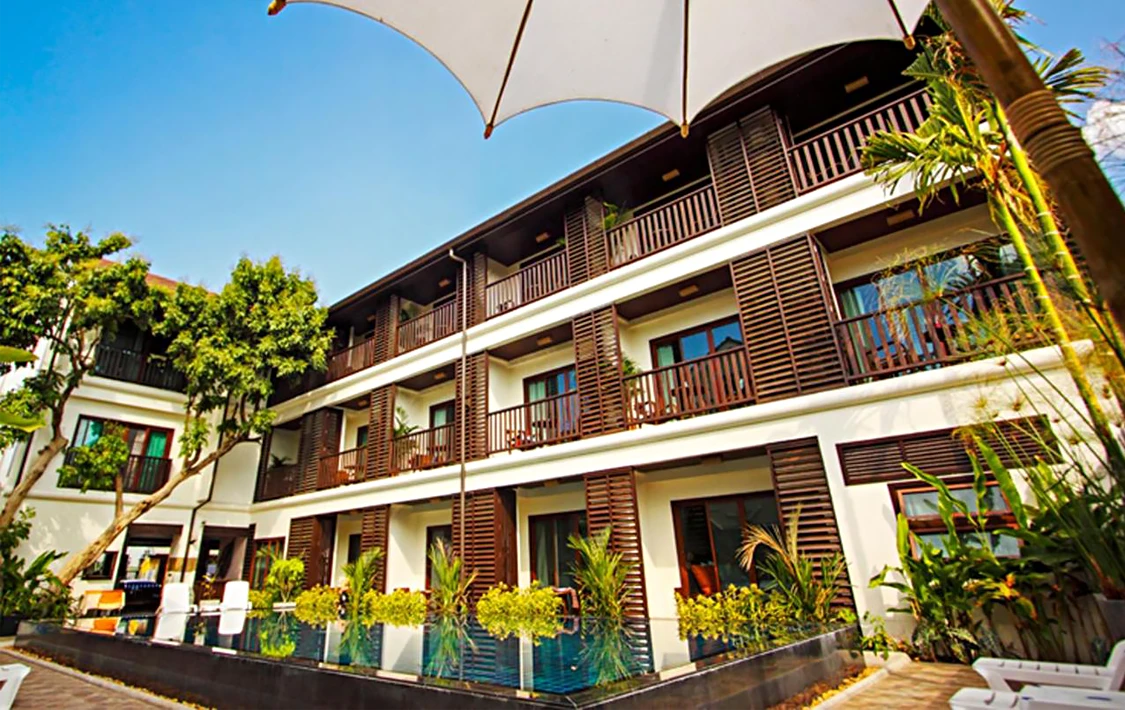
Where I Stayed
For my stay in Chiang Mai, I booked BB Mantra Hotel and was really happy with my choice. The small hotel is located within Chiang Mai’s historic Old Town walls, making it very central. As a result, I was able to reach most temples and attractions in Chiang Mai on foot, at least those located within the Old Town.
I especially appreciated the hotel pool. It was a welcome change from temple visits and the perfect way to cool down after an eventful day.
The room offered everything I needed, while also being clean and well maintained. Overall, I can recommend this hotel with complete confidence.
Lee Chiang Hotel
This hotel belongs to the more affordable accommodation options in Chiang Mai’s Old Town, while still offering an excellent location. It is very centrally situated, just a few steps away from the famous Wat Phra Singh Temple.
Most attractions within the Old Town can be reached on foot within approximately 15 minutes. The rooms are spacious and practically furnished. The only drawback is the absence of a swimming pool.
Tamarind Village Hotel
This higher-end hotel is also located in a very central position within Chiang Mai’s Old Town. Tamarind Village is ideally situated, only a 10-minute walk from the lively Night Bazaar and excellent riverside restaurants.
Directly in front of the hotel lies Chiang Mai’s famous Sunday Walking Street. Other nearby attractions include the impressive Wat Chedi Luang and the historic Tha Phae Gate. Most of Chiang Mai’s attractions can easily be reached on foot.
The hotel also features a swimming pool and a beautiful garden filled with ancient tamarind trees.
Recommended Travel Duration for Chiang Mai’s Temples & Attractions
How long you should plan for your trip to Chiang Mai ultimately depends on your personal travel style and interests.
In my opinion, you can comfortably explore most temples and attractions within Chiang Mai’s Old Town in 3 to 4 days. However, if you would also like to discover sights outside the city area, I would recommend adding another 2 to 3 days.
The region surrounding Chiang Mai has a lot to offer, and you could easily fill two weeks or more with sightseeing. From mountain landscapes and the impressive Chiang Dao Caves to rice fields, tea plantations, and many other experiences, there is plenty to discover.
You can find additional travel tips for the surrounding area of Chiang Mai here.
Best Time to Visit Chiang Mai

In general, the months between November and February are considered the best time to visit Chiang Mai, as the weather is usually dry and temperatures are slightly cooler. However, the period from March to May still belongs to the dry season as well.
Cool Dry Season (November to February)
This is the most popular time to visit Chiang Mai. Temperatures usually range between 25°C and 30°C, making it more comfortable compared to other months, while rainfall remains limited.
It is an ideal period for exploring the city, visiting temples, or enjoying outdoor activities. Some of Chiang Mai’s most famous festivals also take place during this season, including the Loy Krathong Festival and the Yi Peng Lantern Festival, which are usually held in November.
Hot Dry Season (March to May)
During these months, temperatures in Chiang Mai rise significantly and can easily reach 38°C or more.
From April onwards, the so-called Burning Season begins, during which agricultural residues are often burned illegally in surrounding areas. As a result, air quality can deteriorate considerably and may affect travel experiences.
Rainy Season (June to October)
This is Chiang Mai’s rainy season, with heavy rainfall particularly common in August and September.
For city sightseeing and outdoor trips, this period can sometimes be more challenging. On the positive side, landscapes become exceptionally green and lush, while tourist numbers decrease significantly.
Accommodation prices are also often much lower during the rainy season, making it a more budget-friendly time to visit Chiang Mai.
Conclusion About Chiang Mai’s Temples & Attractions

I had the opportunity to discover and truly appreciate Chiang Mai during a three-month sports training stay. The city in northern Thailand impresses with countless temples and attractions, some of which belong, in my opinion, among the most beautiful in the entire country.
Chiang Mai is also an excellent base for exploring northern Thailand and visiting further destinations such as Doi Suthep, Doi Inthanon, Chiang Rai, Chiang Dao, or Pai.
Although Chiang Mai has more than 140,000 inhabitants, the atmosphere generally feels very relaxed and laid-back, apart from the traffic. Around almost every corner, you will discover unique restaurants, cafés, and bars inviting you to slow down and enjoy the city.
Chiang Mai is also an ideal destination for martial arts enthusiasts. The city offers numerous gyms where you can learn Muay Thai, Thailand’s traditional martial art. In addition, various Muay Thai stadiums allow visitors to experience live fights and witness the passion and temperament of Thai culture firsthand.
Chiang Mai genuinely impressed me, and I would return there again without hesitation.
Do You Have Questions About Chiang Mai’s Temples & Attractions?

How did you like our travel guide about Chiang Mai’s temples and attractions? Do you know any additional places in Chiang Mai that deserve a visit?Do you still have open questions about Chiang Mai’s temples or the attractions featured in this travel guide? I would be happy to answer them. Simply use the contact form below and share your thoughts, experiences, or recommendations.
I look forward to reading your comment.
Disclosure of Affiliate Links
Please note that this website contains affiliate links. This means that we may receive a small commission if you purchase products or services through these links. Using affiliate links does not affect the price you pay in any way. These commissions help us operate this website and continue creating high-quality travel content, travel guides, and recommendations for you.