
 Hi, I’m Andy
Traveler and photographer.
I don’t travel just to see places. I travel because I want to know if there’s more than just everyday life. More about me
Hongkong’s Outlying Islands – A Completely Different Side of the City
Without a doubt, Hongkong is a city of superlatives, offering world-class shopping, vibrant nightlife, an architecturally impressive skyline and an exciting urban atmosphere. The city alone is enough to completely draw you in. But with more than 260 surrounding islands, Hongkong has far more to offer than just skyscrapers and city life.
Relaxed and Laid-Back
A surprising contrast to the bustling metropolis awaits you on the Outlying Islands. Compared to the fast-paced energy of Hongkong City, life on the surrounding islands feels much more relaxed. Here, you’ll discover fishing villages, sandy beaches and stunning natural scenery.
Whether it’s Lantau, Lamma or Cheung Chau, each island has its own unique atmosphere and attractions. You can find all of Hongkong’s highlights in this travel guide. Not in the mood for reading? Then check out our Hongkong photo gallery instead.
Lantau Island – Diverse Attractions
Lantau Island is the largest island in the Chinese Special Administrative Region of Hongkong and offers a wide range of attractions. Explore beautiful beaches, traditional fishing villages and temples surrounded by stunning natural scenery. Hongkong Disneyland is also located on Lantau Island.
Below, you’ll find an overview of the top attractions you can visit on Lantau Island:
- Ngong Ping Mountain
- Tai O Fishing Village
- Disney Land
1. Lantau Island: Ngong Ping – Ride the Ngong Ping 360 Cable Car

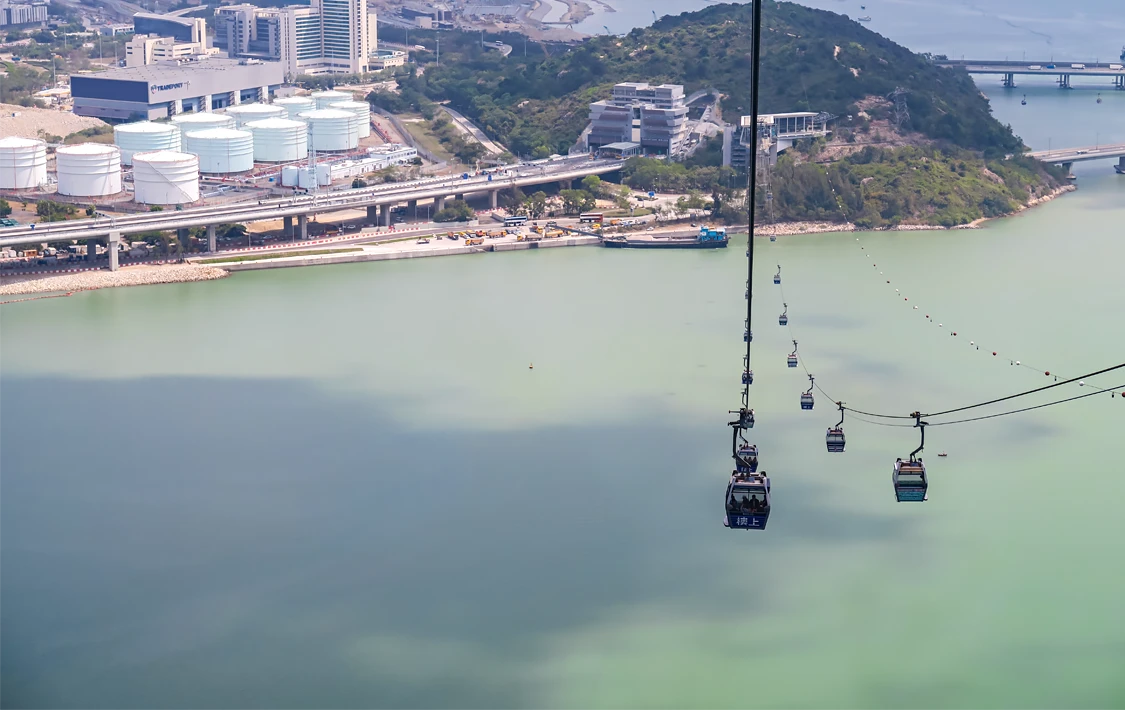
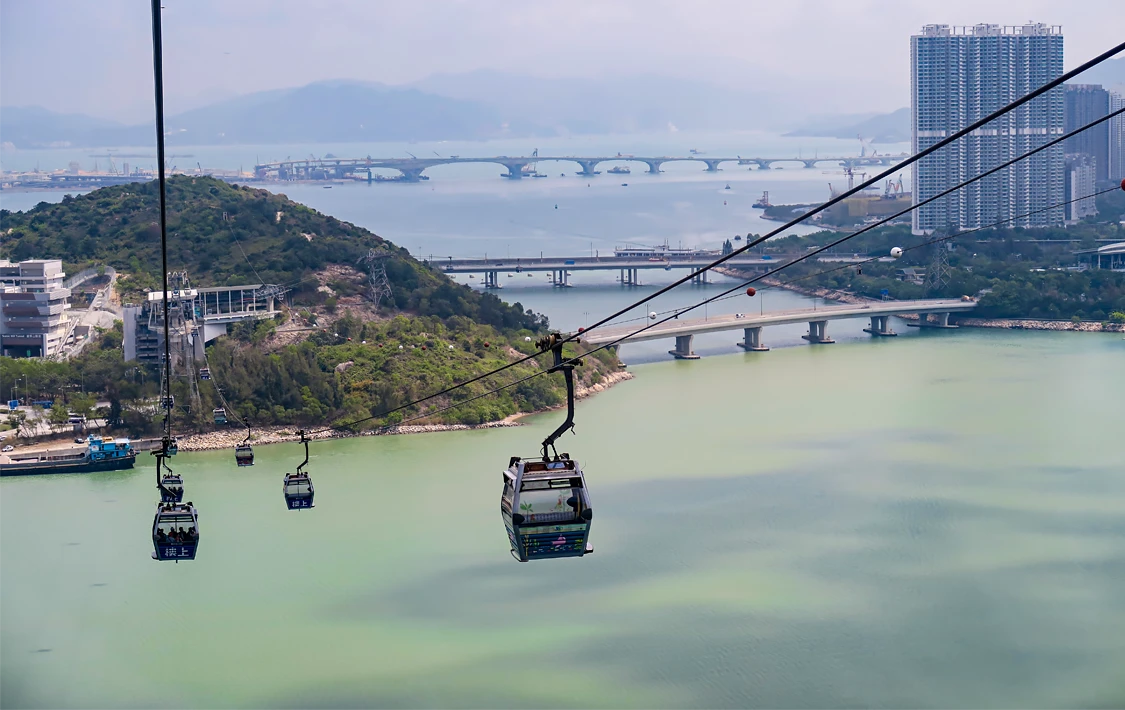
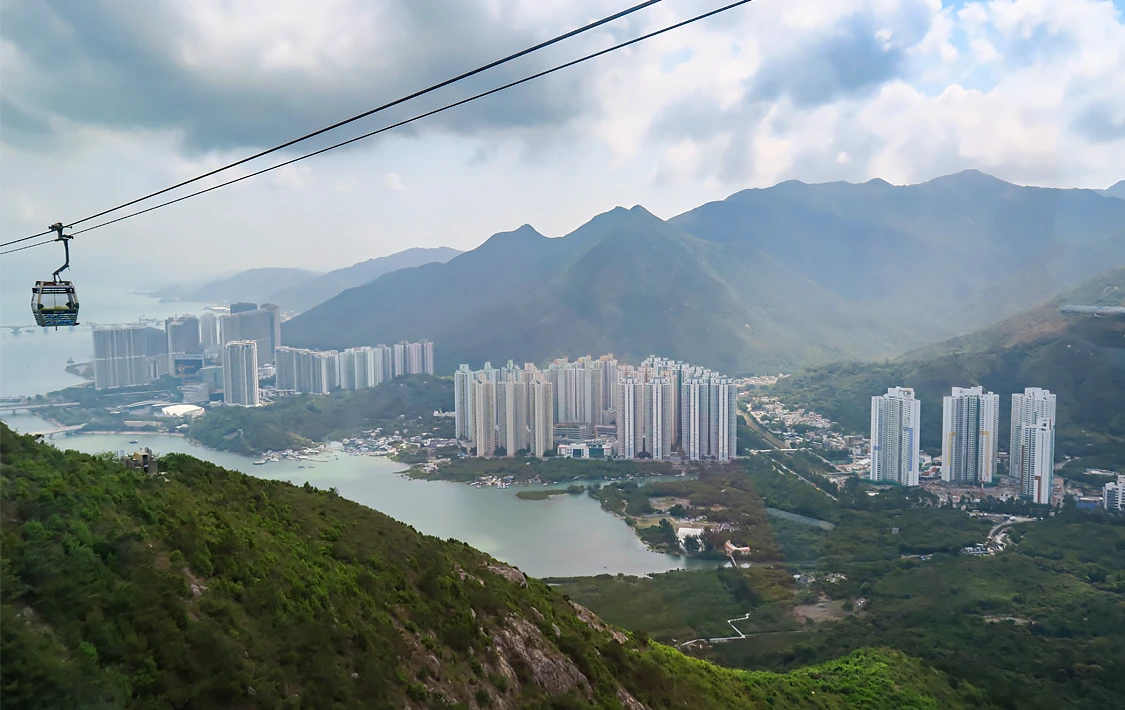
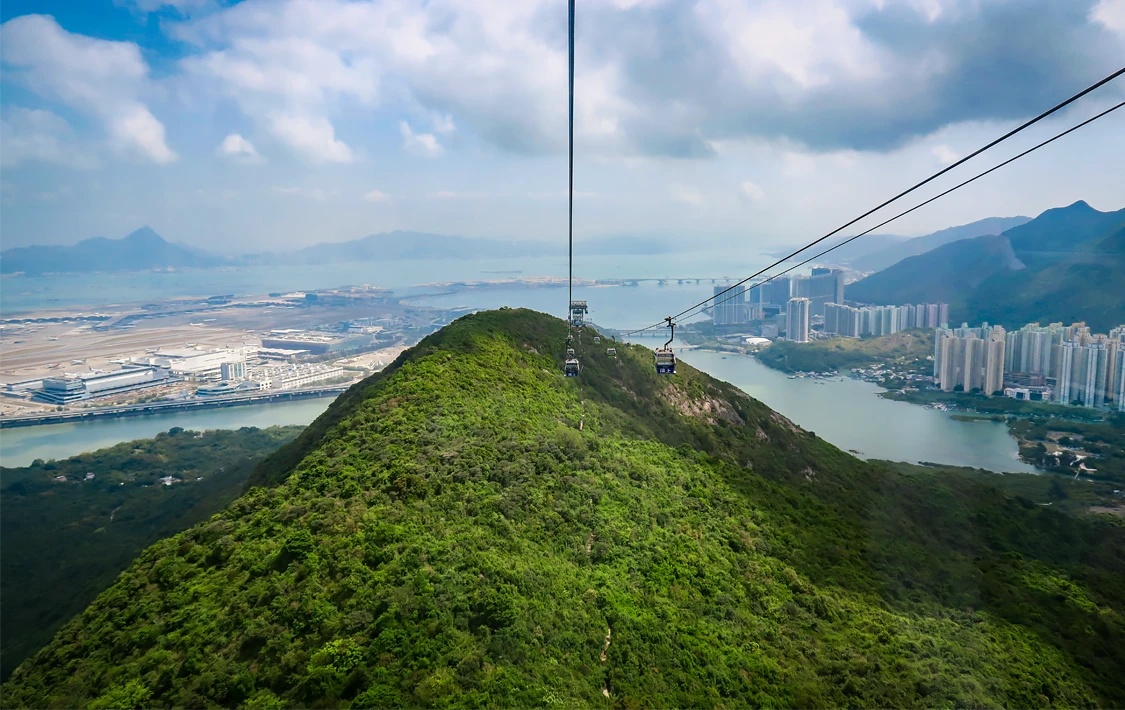
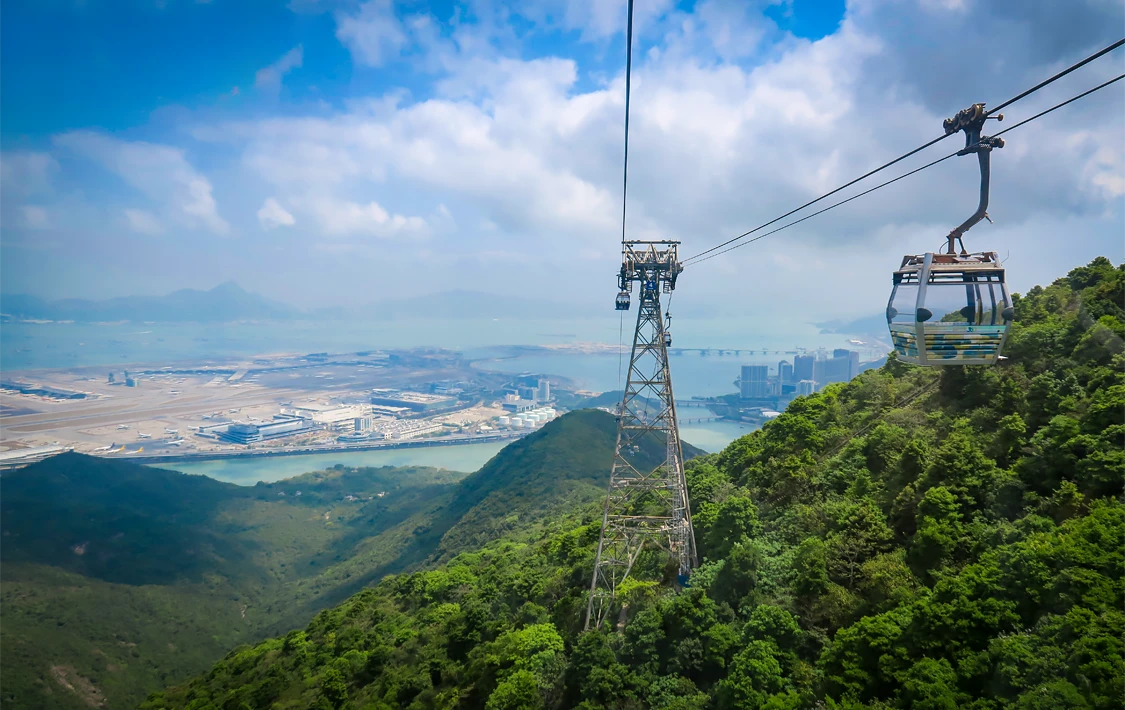
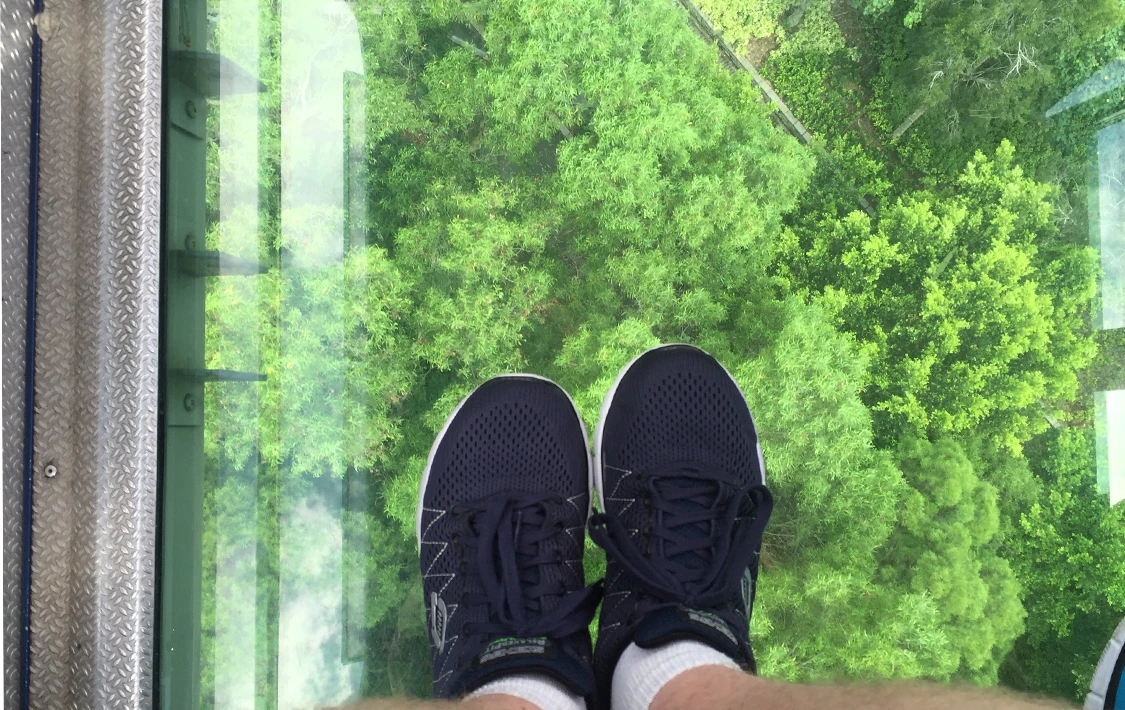
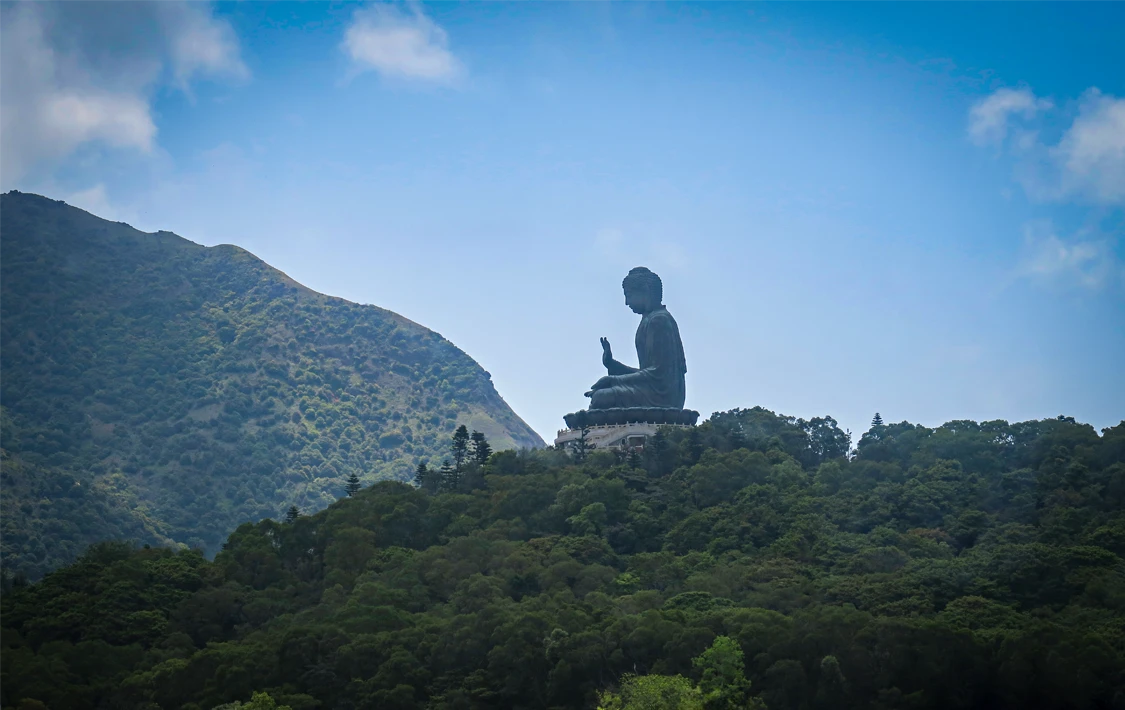
Cable car rides are always a highlight while travelling, although for many Swiss people they almost feel like everyday transport and have therefore lost a bit of their excitement. Back in my childhood, the first rides were still a real adventure, but over time they became almost as routine as driving a car. That’s exactly why I was surprised that Hongkong managed to amaze me once again with a cable car experience!
Spectacular Ride to Ngong Ping
The cable car that impressed me so much was the Ngong Ping 360, which takes visitors on a spectacular journey up to Ngong Ping. The ride, operated since 2006, stretches over approximately 5.7 kilometres and lasts between 25 and 30 minutes.
The journey begins at Tung Chung Terminal and initially follows Airport Island, where the cable car suddenly makes a dramatic 60-degree turn before heading towards Lantau Island. Even as a Swiss person used to mountain railways, I had never experienced a turn like that on a cable car ride before.
After completing the sharp turn, the gondola continues across the waters of Tung Chung Bay. As the cable car climbs 418 metres in altitude towards Ngong Ping, you’ll enjoy breathtaking views over the bay, the airport, Tung Chung’s skyscrapers, the South China Sea and the surrounding hills of the national park. Since support towers could not be built in the middle of the bay, the gondola crosses a 1.5-kilometre section completely unsupported, without a single pillar beneath it. For me personally, this was the absolute highlight of the entire ride.
Once you’ve crossed Tung Chung Bay, stunning views of lush green hills and the Ngong Ping Trail await you. If you enjoy hiking, you can also reach Ngong Ping via this scenic trail.
Well before arriving at the final station, the impressive 34-metre-tall Big Buddha becomes visible in the distance. Throughout the entire journey, you’re treated to spectacular panoramic views of the surrounding scenery, making this one of Hongkong’s most memorable attractions.
Tip: Although the cable car can transport around 3,500 passengers per hour, it’s still worth arriving early at Tung Chung Station. Right after opening time, queues are usually still manageable, while in the afternoon waiting times can easily reach two hours. A total of 111 gondolas operate on the line, including 36 crystal cabins with glass floors that provide an even more thrilling view below your feet.
Useful facts about the Ngong Ping cable car ride
1.1 Lantau Island: Exploring Ngong Ping and Its Attractions
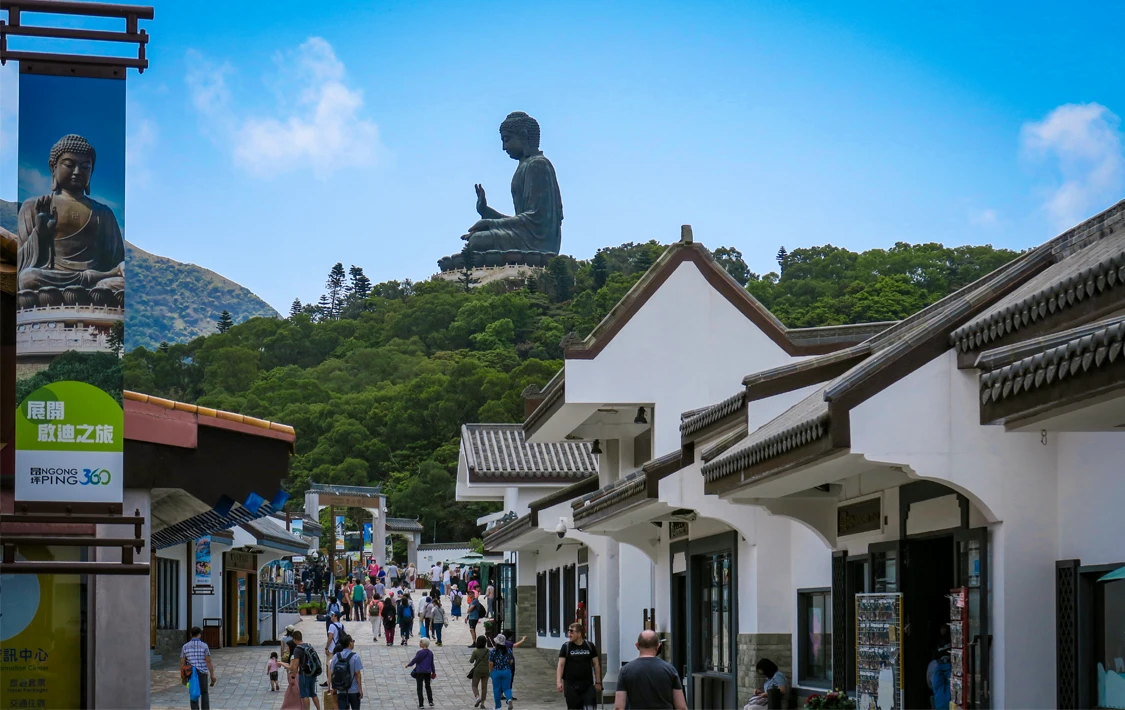
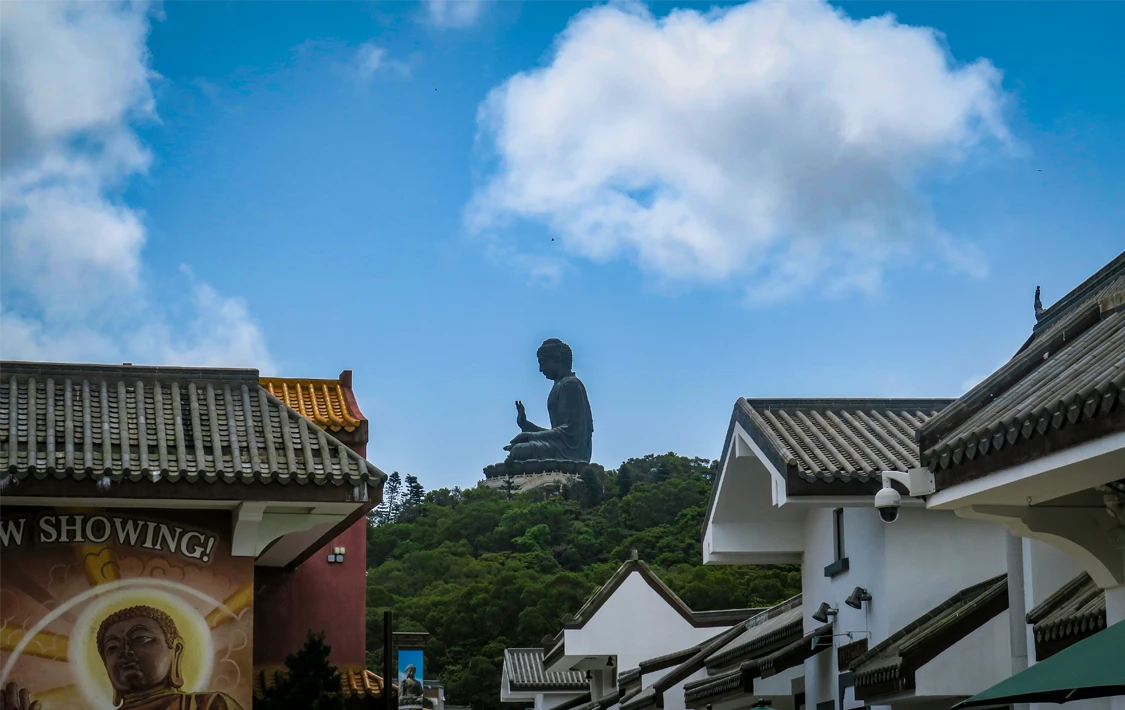
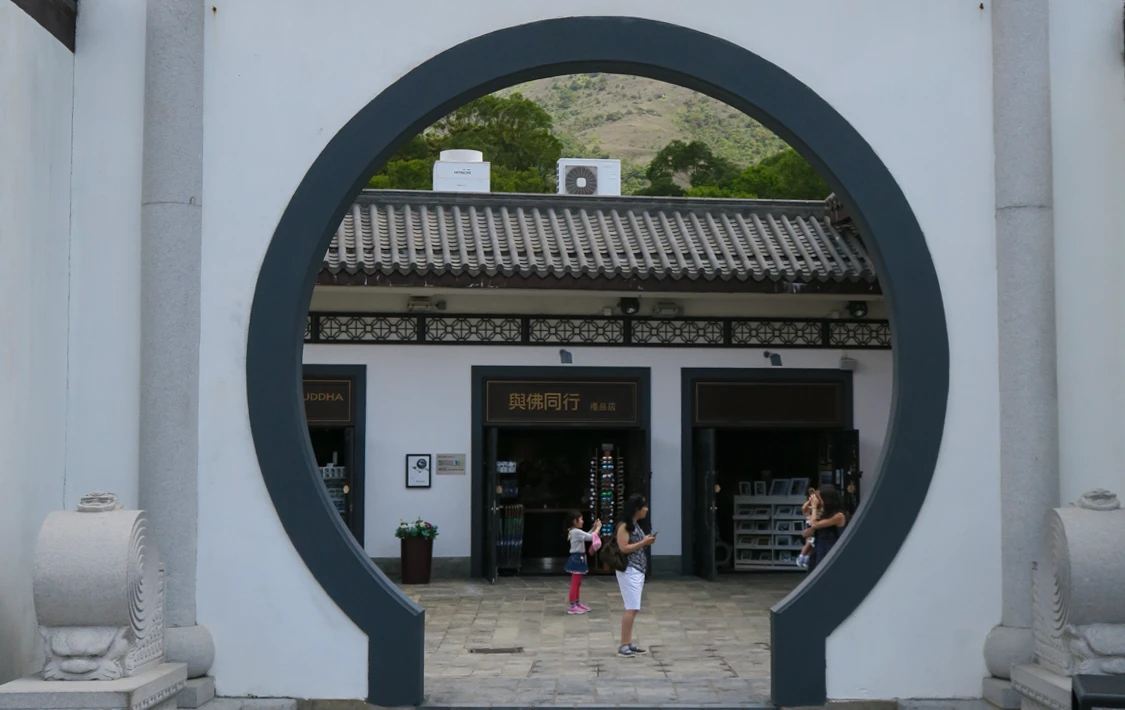
- Ngong Ping Village
- Ngong Ping Piazza
- Big Buddha Tian Tan
- Po Lin Monastery
1.1.1 Lantau Island: Ngong Ping Village

1.1.2 Lantau Island: Ngong Ping Piazza
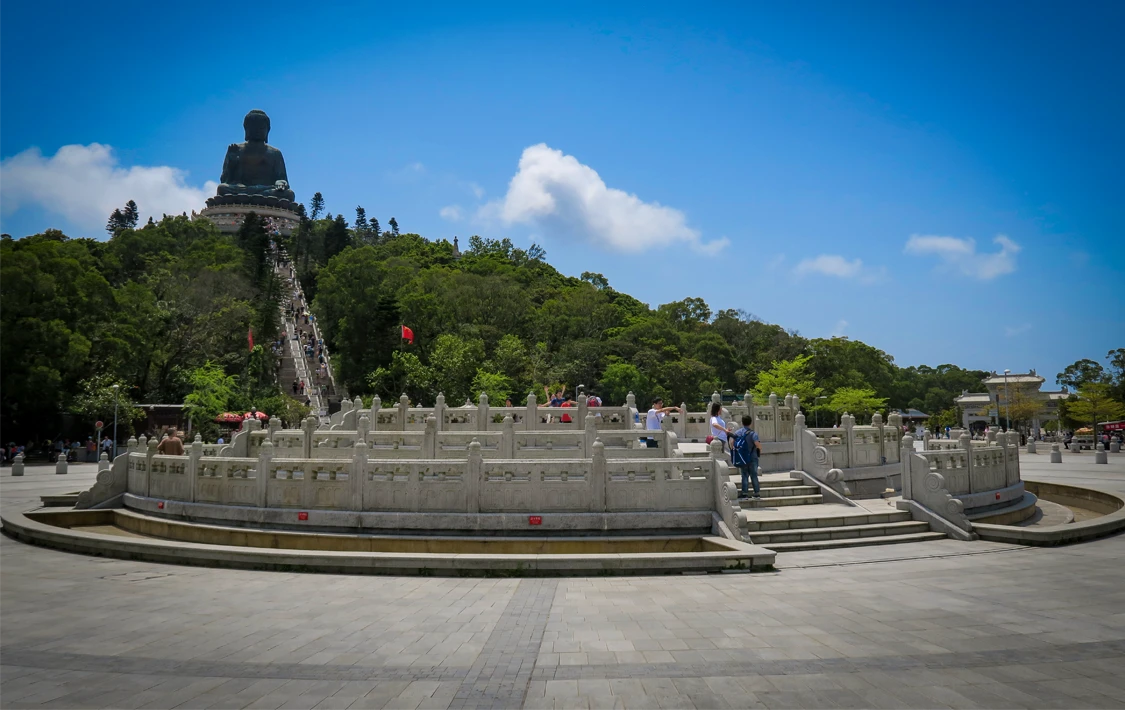


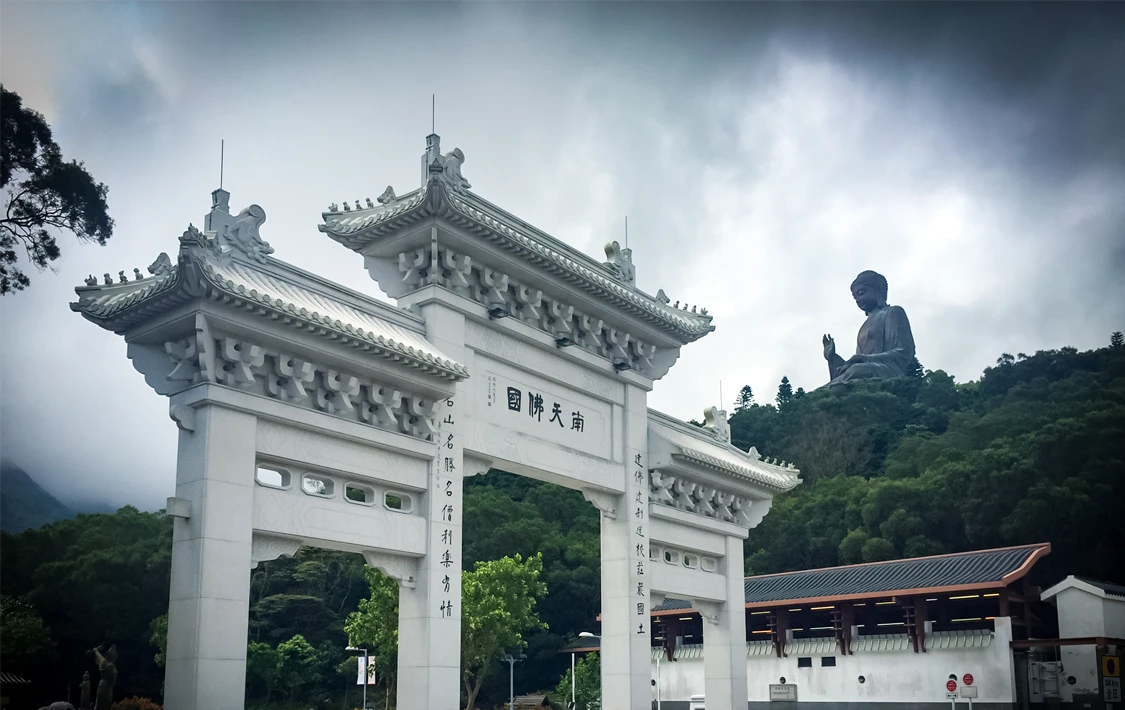
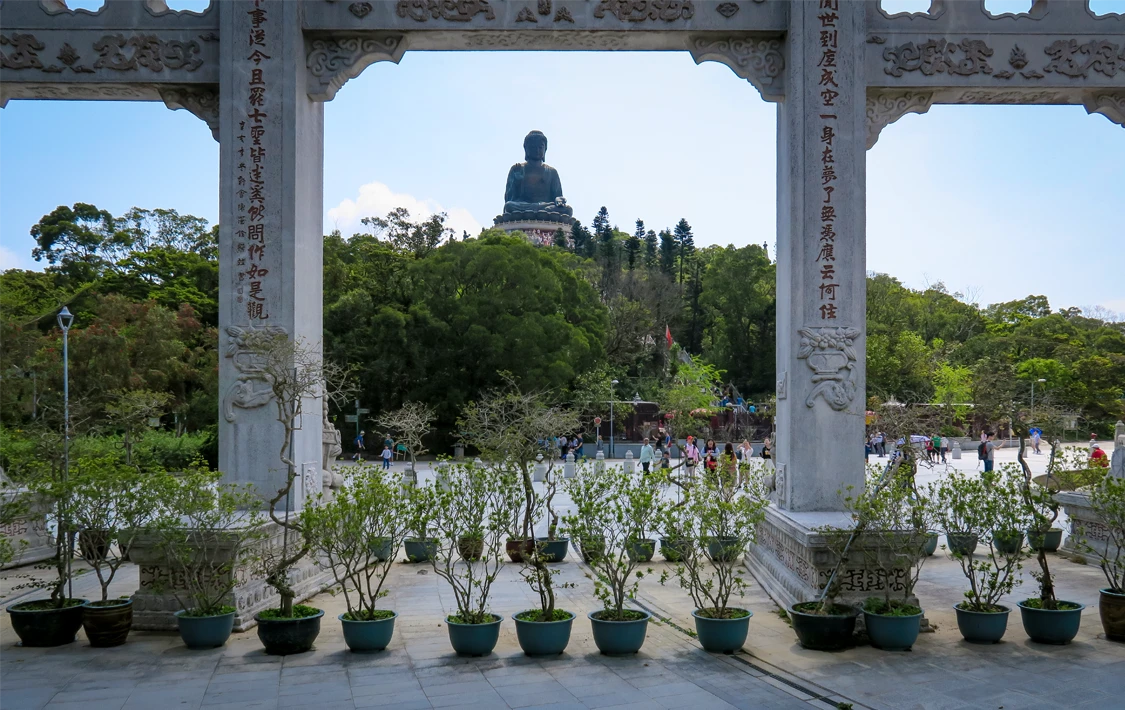
On your way to the Big Buddha, you’ll inevitably pass through Ngong Ping Piazza. The square acts as the central hub for visiting all nearby attractions. Even the entrance to the area is impressive, dominated by the New Pai Lau archway, which is already an architectural highlight in itself.
After walking through the magnificent gate, you’ll enter the Bodhi Path. Along this 120-metre-long walkway, you can admire 12 divine statues and 40 lotus-shaped stone lanterns lining the sides of the path. At the end of the walkway, you’ll reach the true centre of the piazza, the Di Tan Altar.
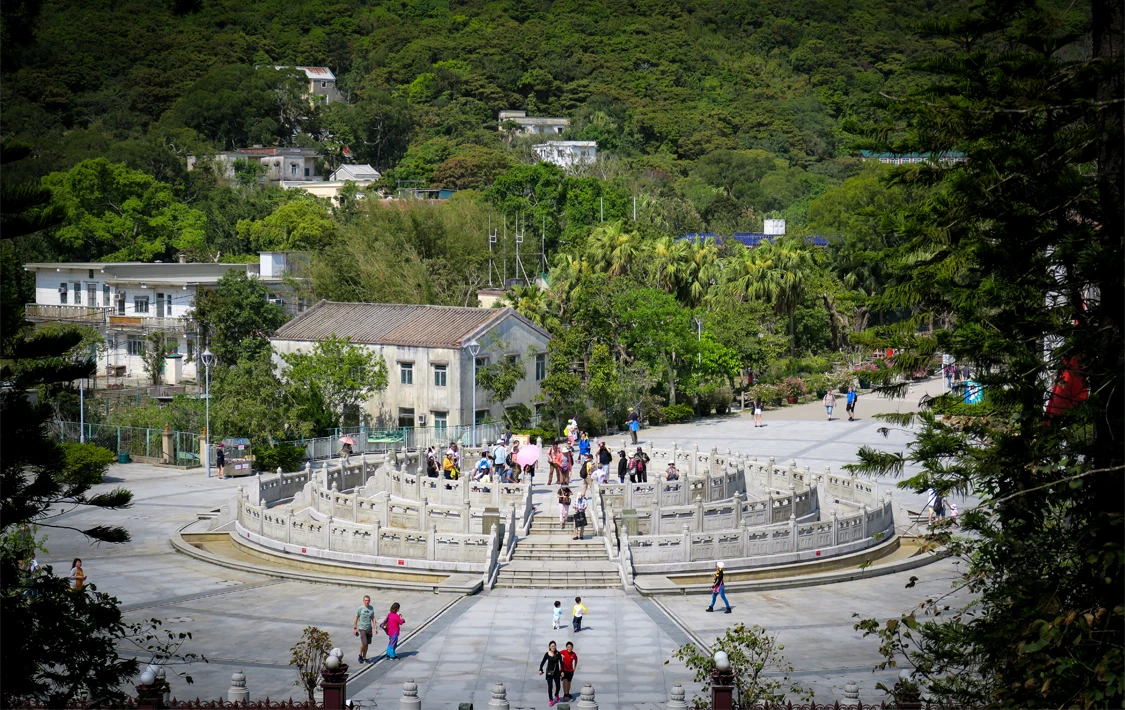
Located beneath the Big Buddha, the Di Tan Altar (Altar of the Earth) is a circular granite platform surrounded by four lotus ponds. Religious ceremonies are regularly held on the grounds.
1.1.3 Lantau Island: Ngong Ping Big Buddha Tian Tan
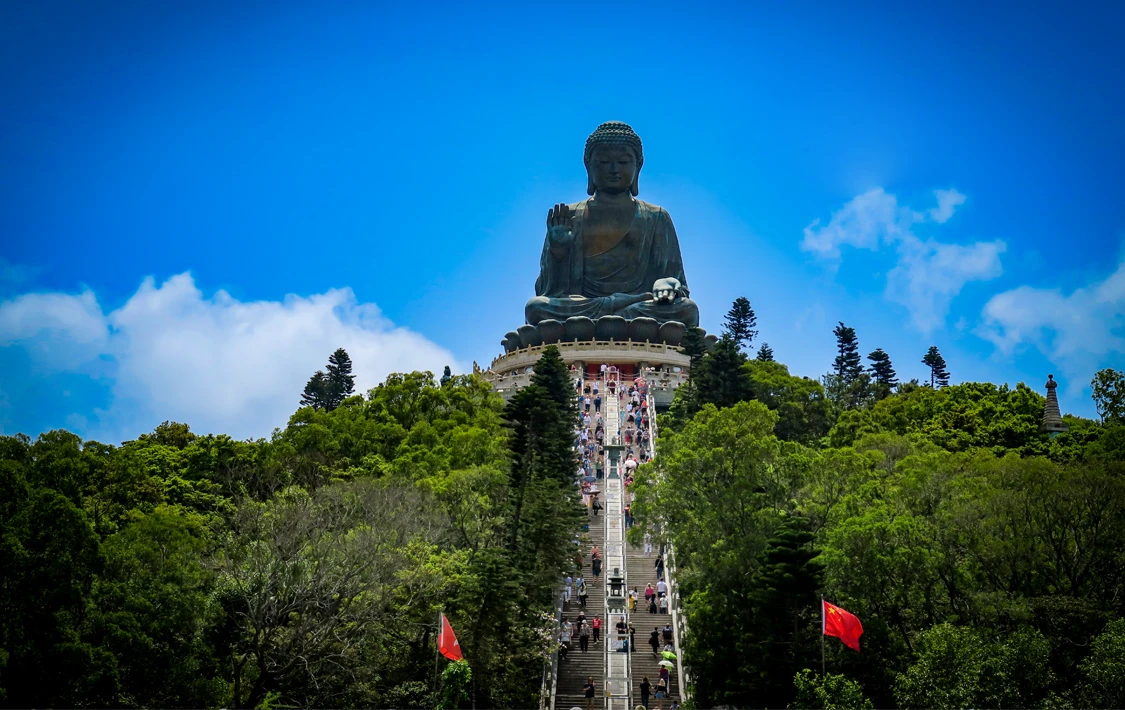
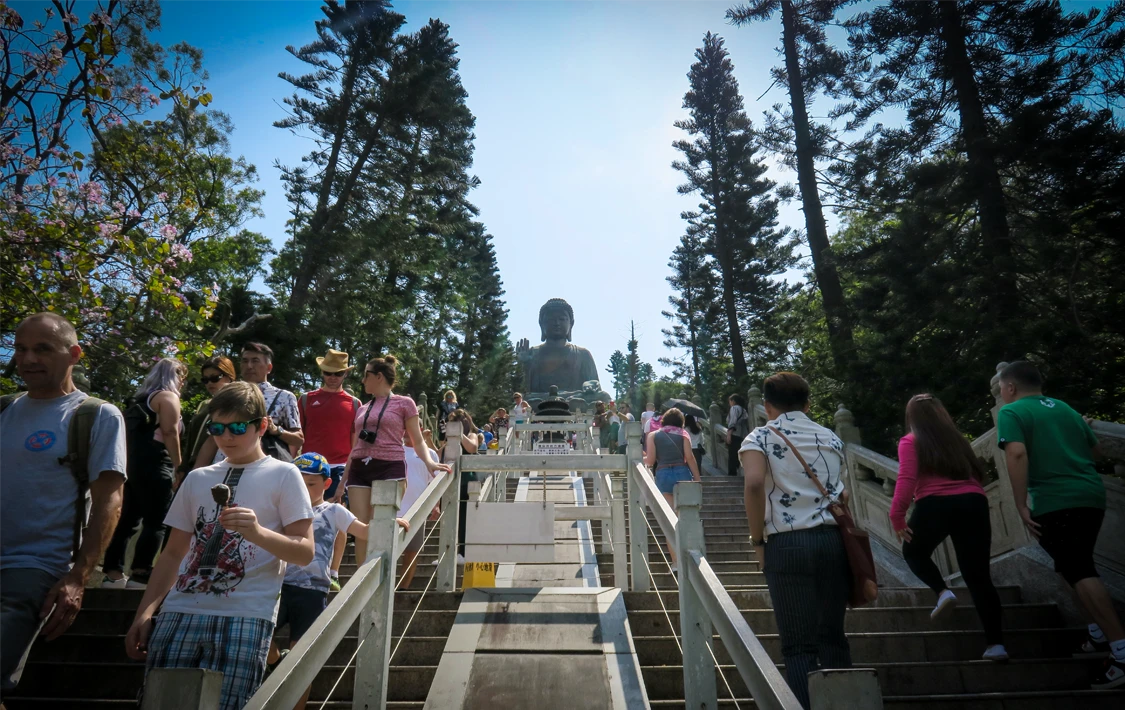

The Big Buddha, also known as the Tian Tan Buddha, is considered the most famous attraction on Lantau Island. From the Di Tan Altar, you can climb 268 steps to reach the statue. The Buddha stands 34 metres tall, was built from 250 tonnes of bronze and officially opened in 1993.
Once you reach the Buddha platform, three different levels with various attractions await you.
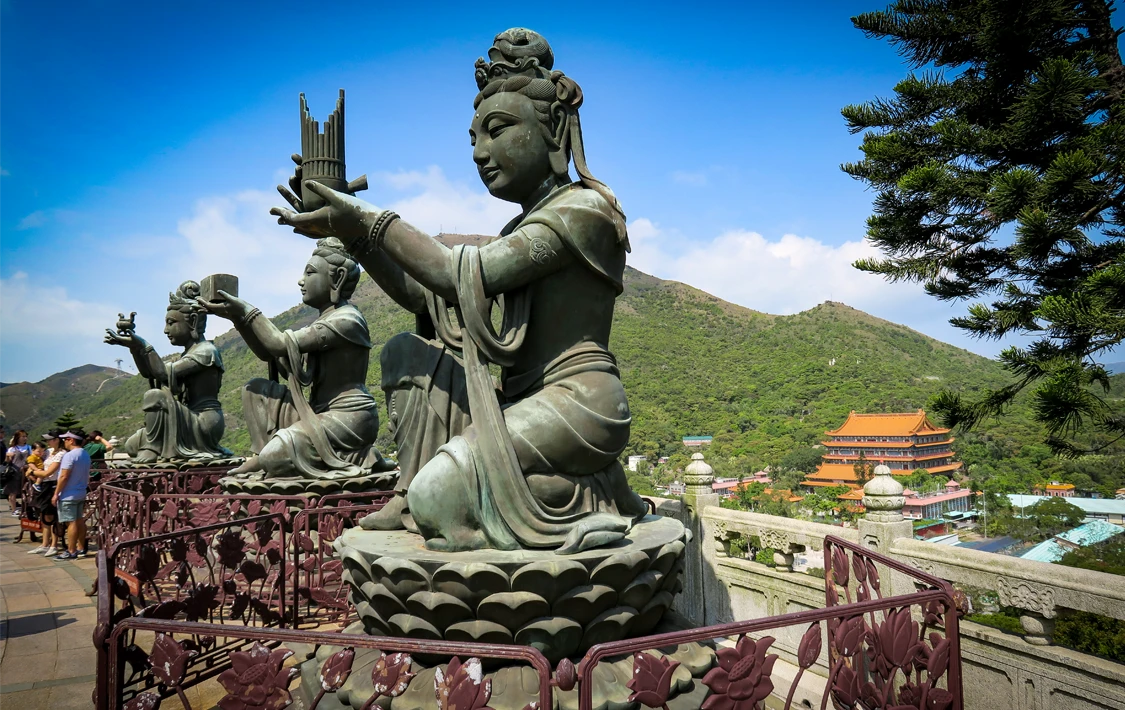
On the first level, you’ll encounter bronze statues known as The Offering of the Six Devas, which surround the Buddha. The figures present symbolic offerings representing the six virtues required for enlightenment: generosity, morality, patience, diligence, meditation and wisdom.
The second level houses a small museum displaying paintings that depict Buddha’s life and teachings.
Inside the pedestal, there is also a three-storey exhibition hall showcasing a range of Buddhist artefacts, including a sacred relic of Buddha.
On the third level, you’ll be rewarded with spectacular views over the entire area, including Ngong Ping Piazza, Po Lin Monastery, the surrounding hills and the South China Sea.
1.1.4 Lantau Island: Ngong Ping Po Lin Monastery
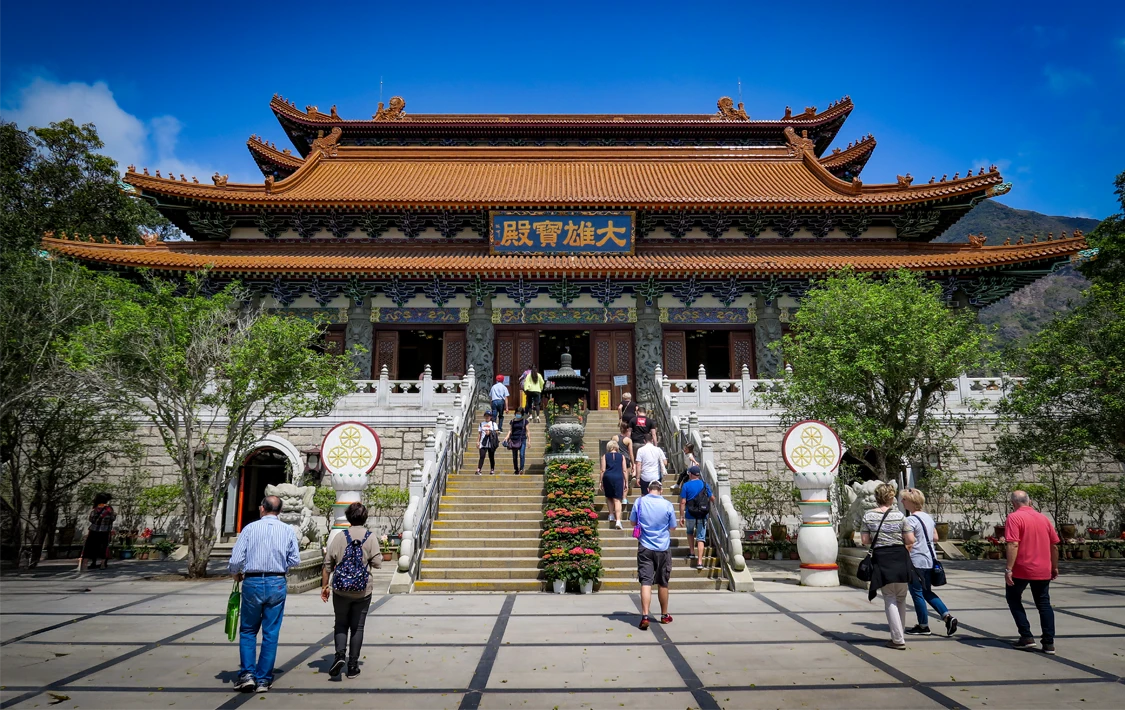
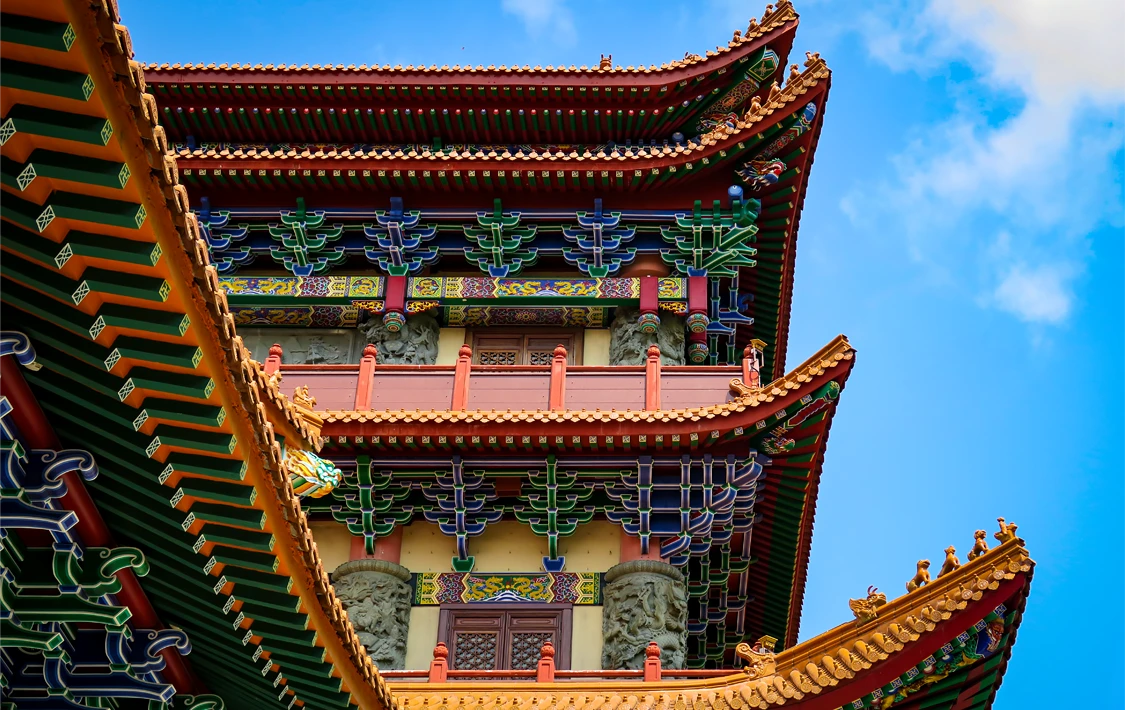

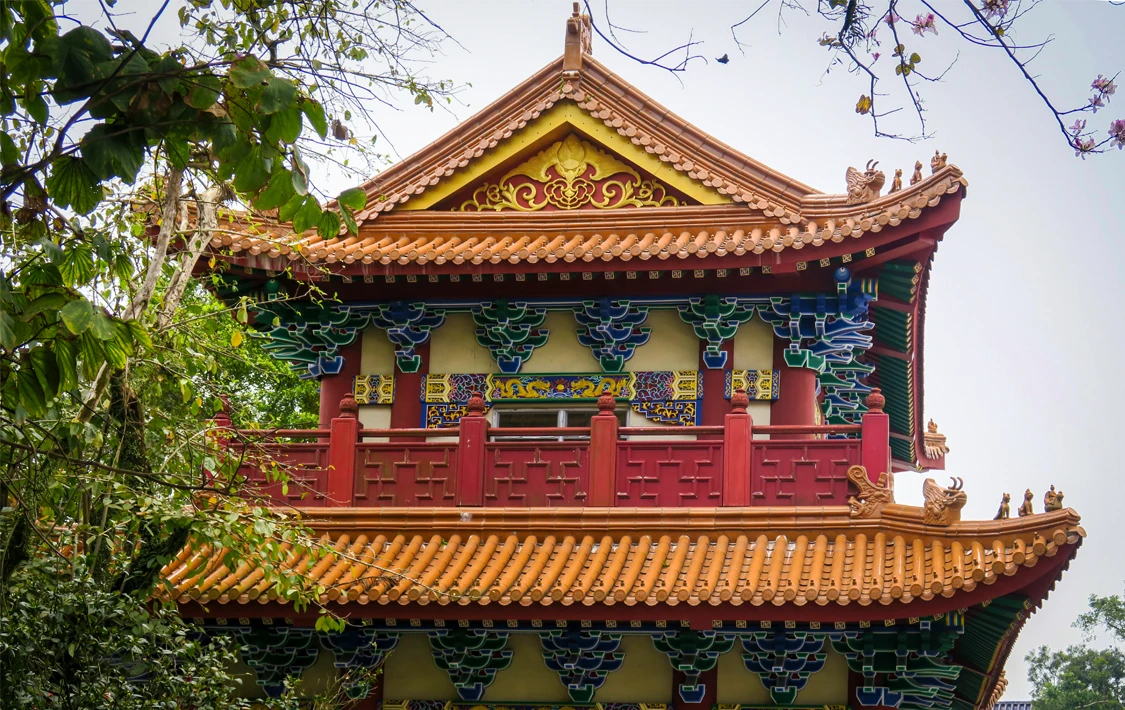

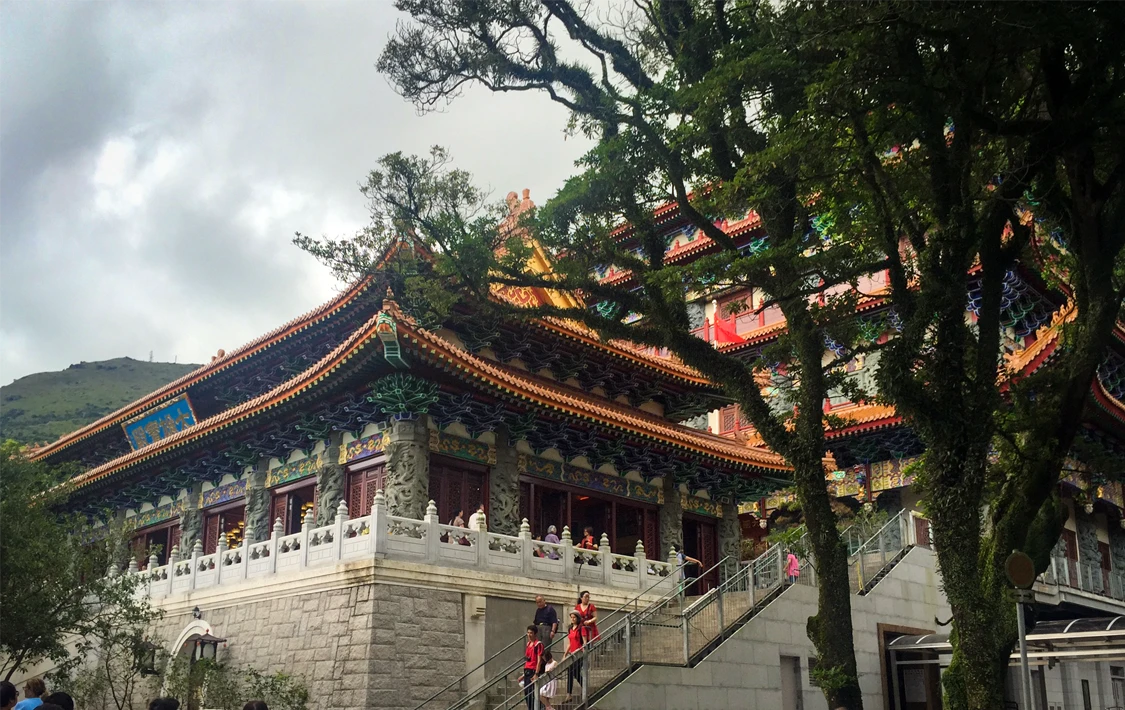
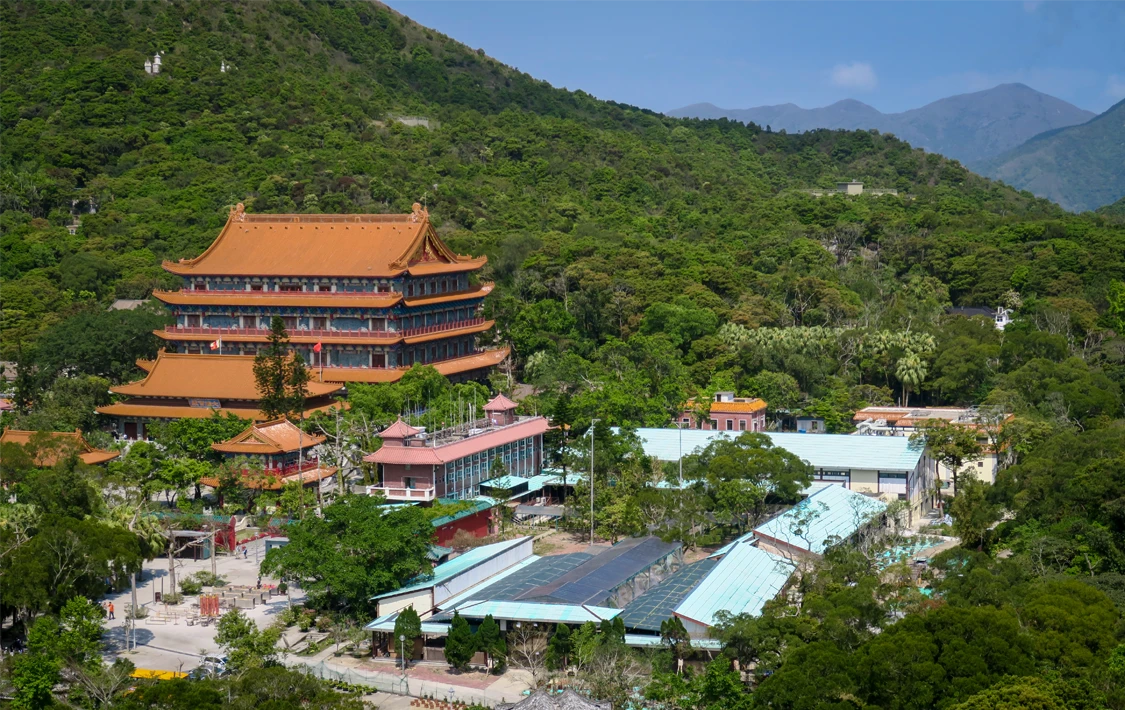
Directly opposite the Big Buddha, you’ll find Po Lin Monastery, home to more than a dozen halls, pagodas, gardens and shrines.
The origins of this Buddhist temple date back to 1906, when three monks were so overwhelmed by the island’s beauty and tranquillity that they decided to build a temple there. Over the course of a century, the monastery evolved from a small straw hut into one of the most important Buddhist centres in Hongkong.
A walk through the temple grounds offers fascinating insights into Buddhism and provides plenty of interesting photo opportunities.
1.2 Lantau Island: Tai O – A Journey Back in Time
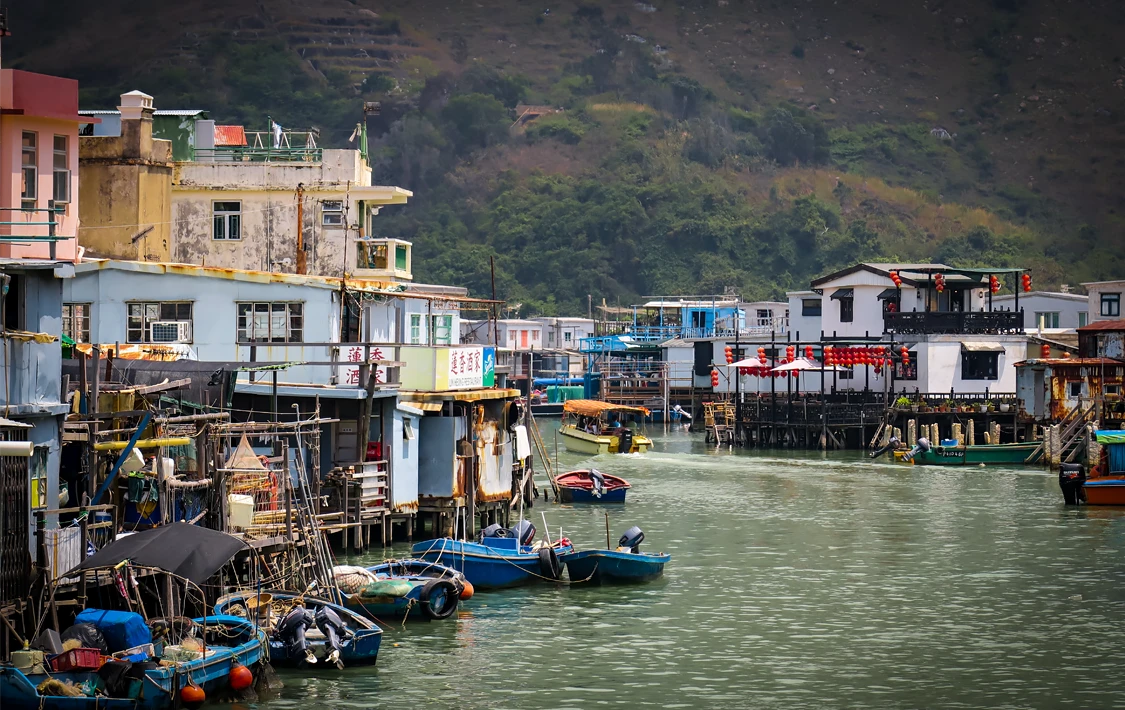

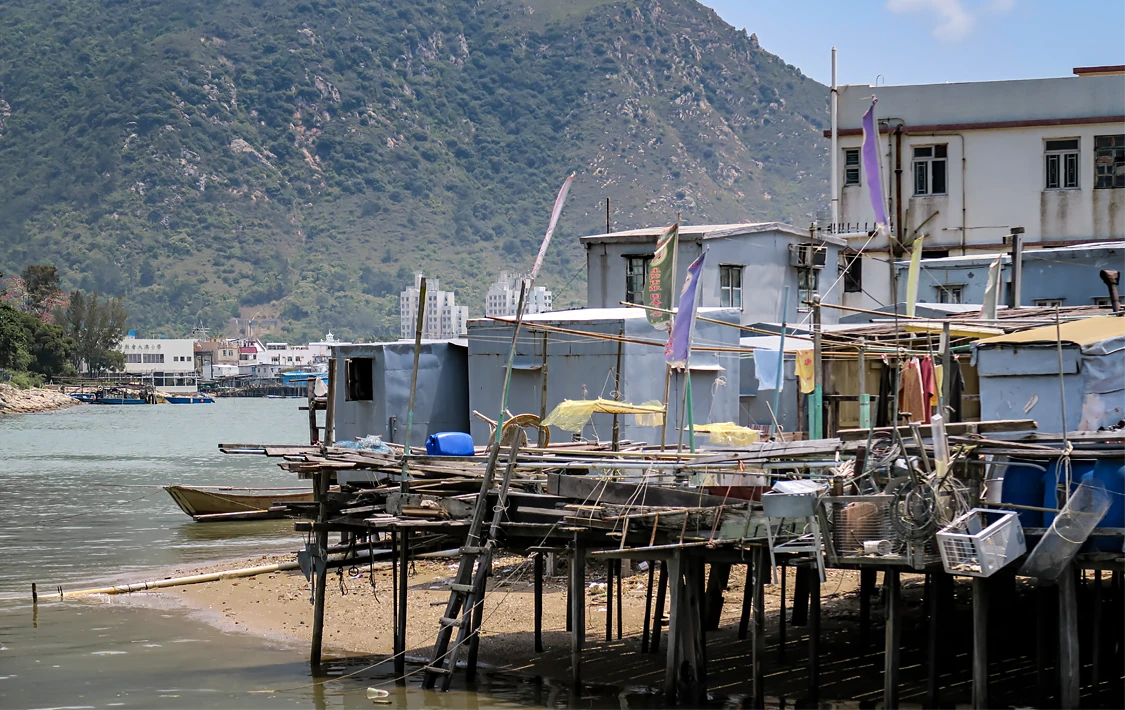
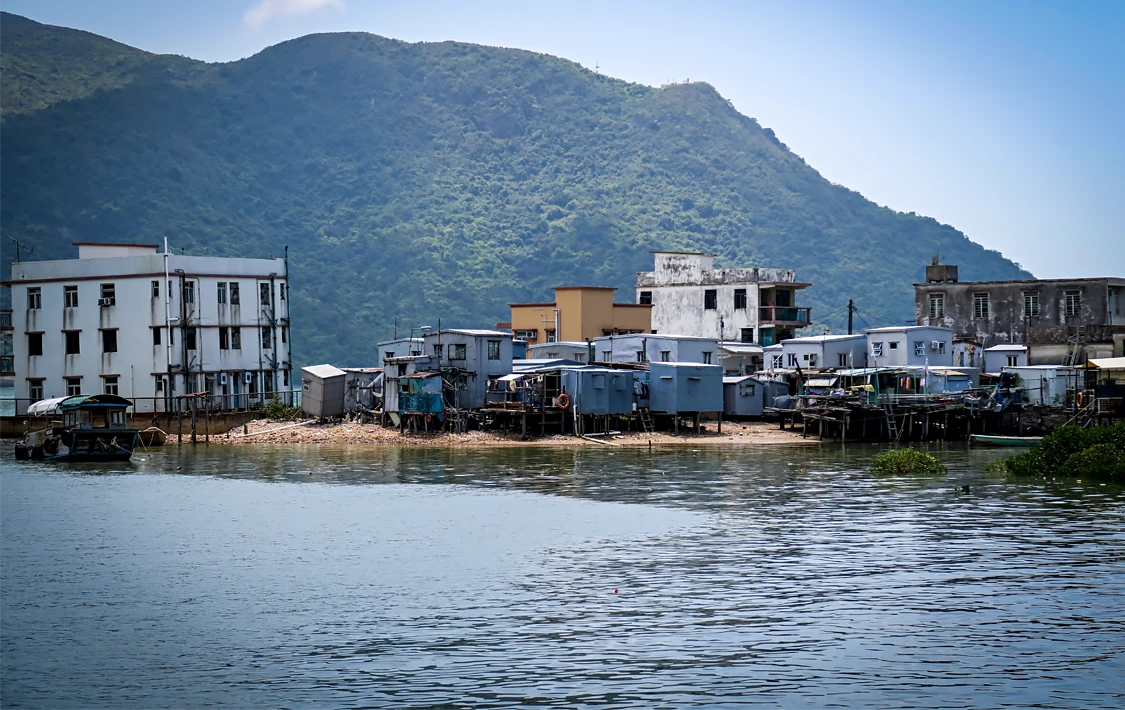
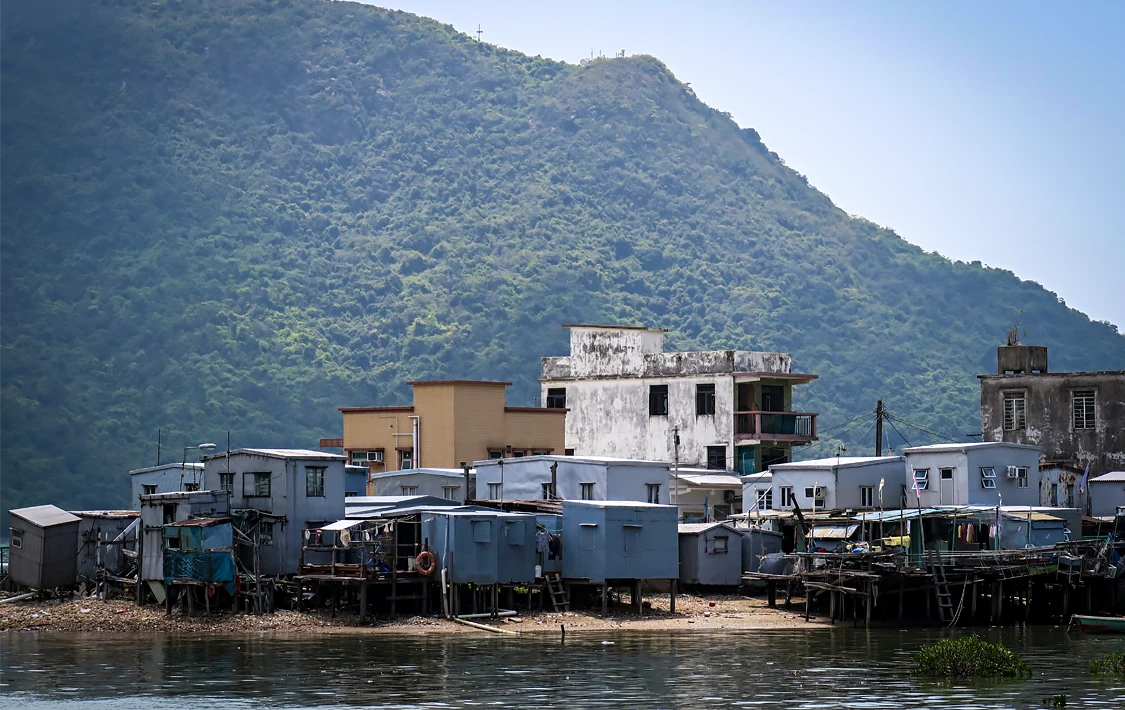

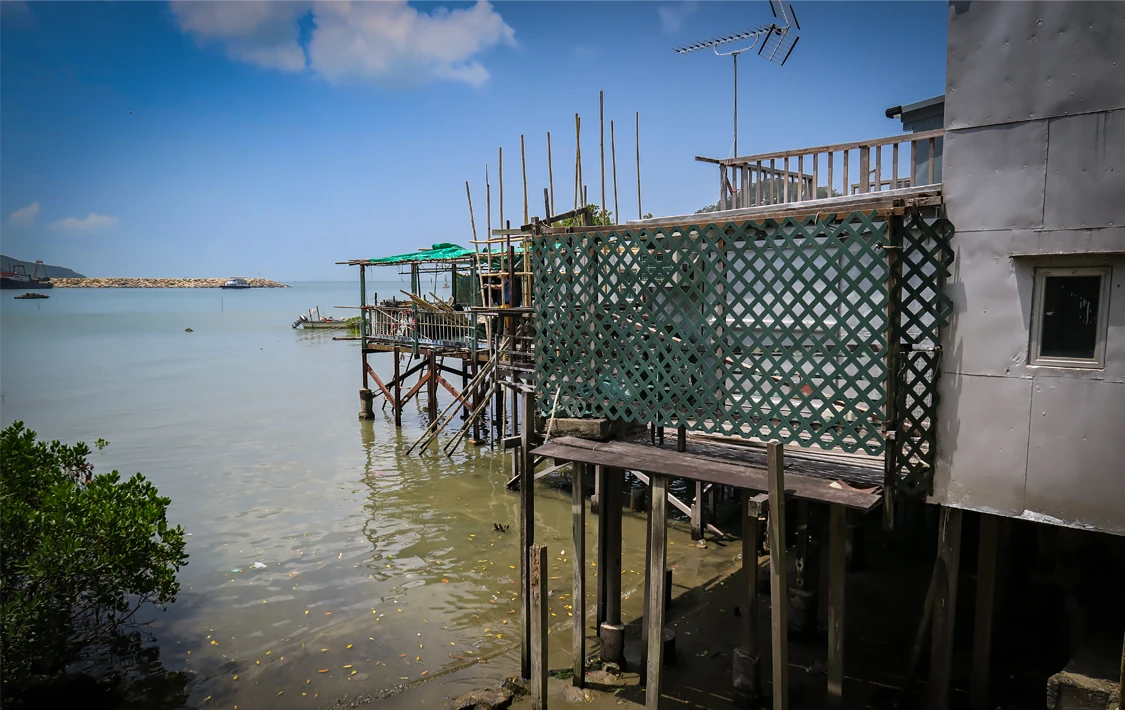
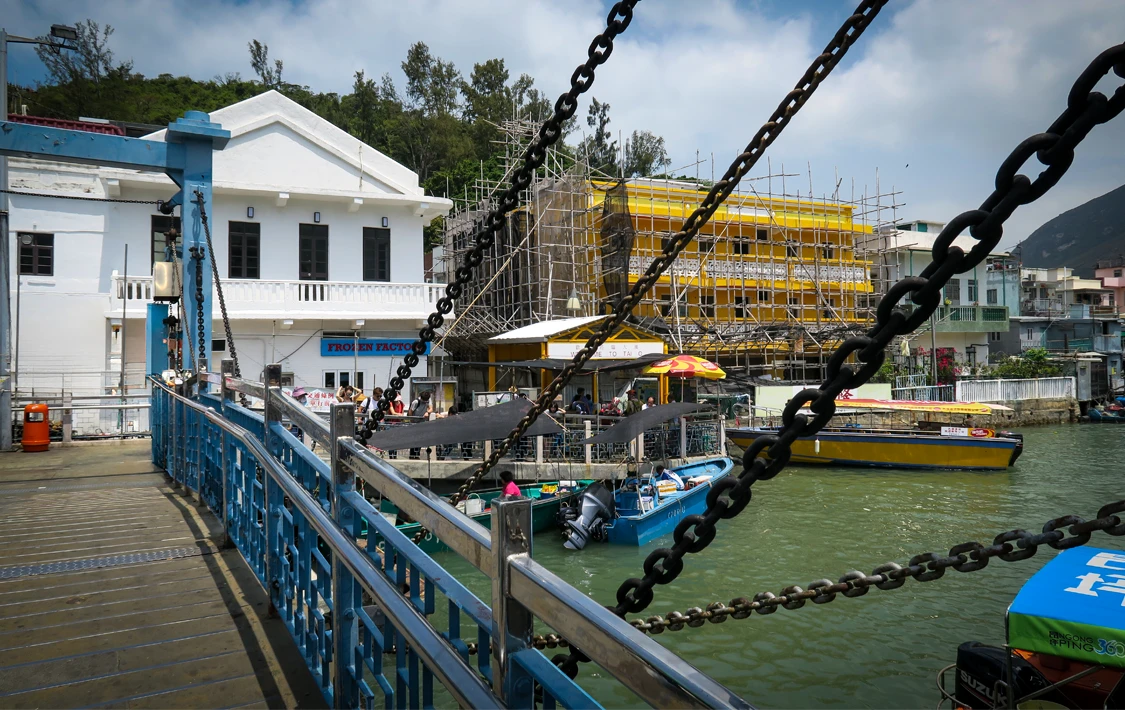


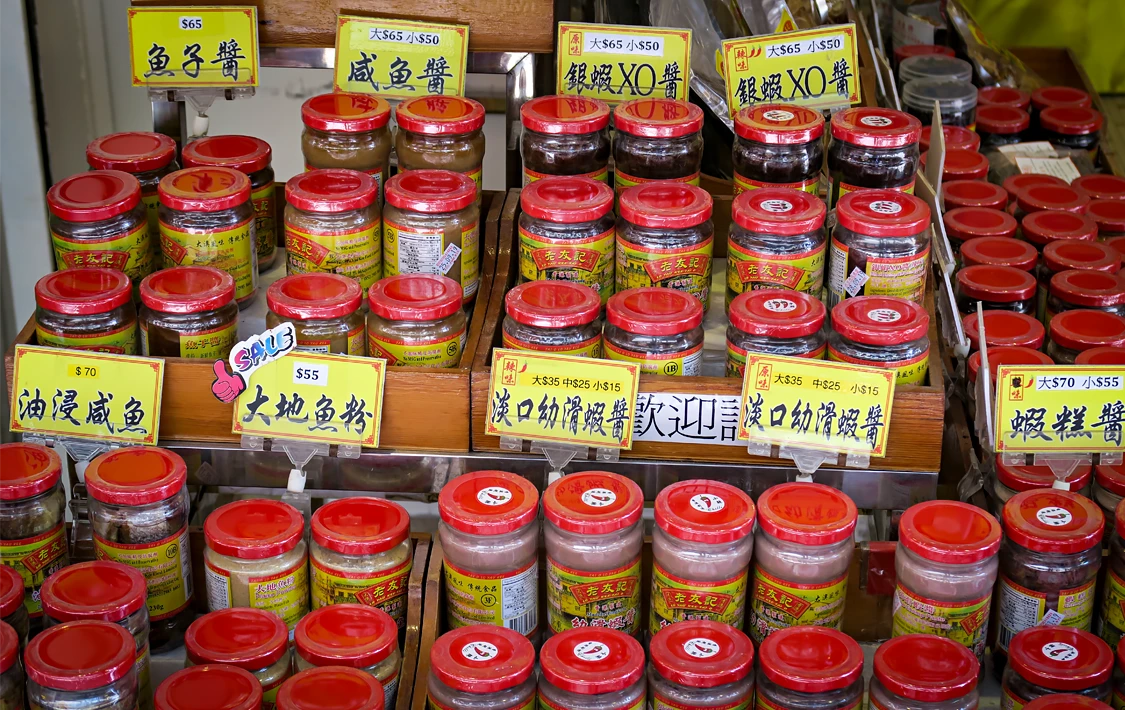
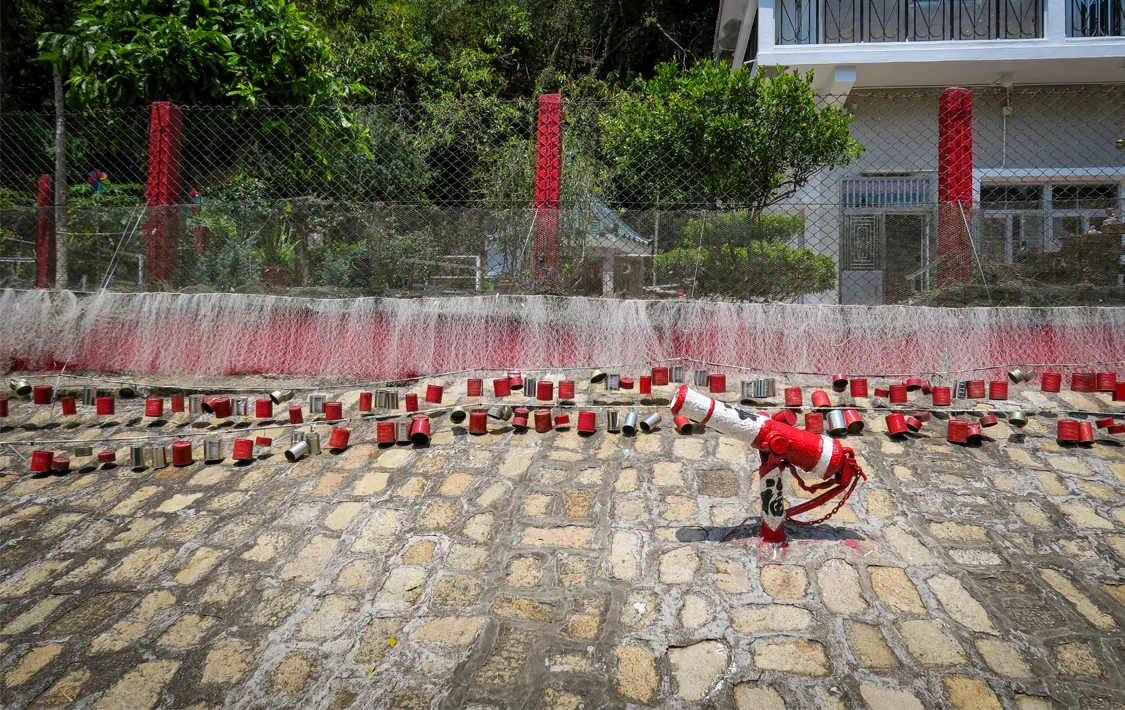
A visit to the fishing village of Tai O feels like stepping back in time. Located along the coast, the village stands in complete contrast to the modern lifestyle found elsewhere in Hongkong. Instead of skyscrapers and concrete buildings, the residents of this idyllic fishing village still live in traditional stilt houses built above the water. This unique way of living has even earned Tai O the nickname “The Venice of Hongkong”, although that comparison might be a little exaggerated.
Tai O was once one of China’s most important fishing ports, and even today many residents still make a living from fishing. As a result, the village is filled with shops and markets selling a wide variety of seafood products. Tai O is especially famous for its salted dried fish. Throughout the village, you’ll see fish hanging in the sun to dry, spreading their unmistakable scent through the narrow streets. Another well-known local product is shrimp paste, a popular ingredient in Asian cuisine, which can be spotted everywhere stored inside large blue containers.
As you wander through the fascinating fishing village, you’ll come across several highlights:
- Tai Chun Bridge: The village is divided into two sections by a small waterway. Until 1996, a ferry operated here before being replaced by a drawbridge, which can still be lifted for fishing boats to pass through. The bridge is a fantastic spot for taking photos of the village scenery.
- Tai O Promenade: Right next to the bus station at the entrance of Tai O, you’ll find a scenic promenade with an adjacent pier. From here, you can capture some beautiful photos or continue towards the Tai O Infinity Pool, which I personally didn’t visit.
- Herritage: Following the waterfront path leads you to an old police station that has since been transformed into a heritage hotel. Nearby, you’ll also reach Shek Tsai Pier, where you can enjoy lovely views over Tai O.
- Boat Tours: Tai O is also a great starting point for boat excursions. The tours follow the river out into the open sea, where you may be lucky enough to spot the famous pink dolphins. Due to the colour of their skin, locals affectionately call them “Pink Dolphins.”
Useful facts about Tai O:
2. Cheung Chau Island – Small but Charming
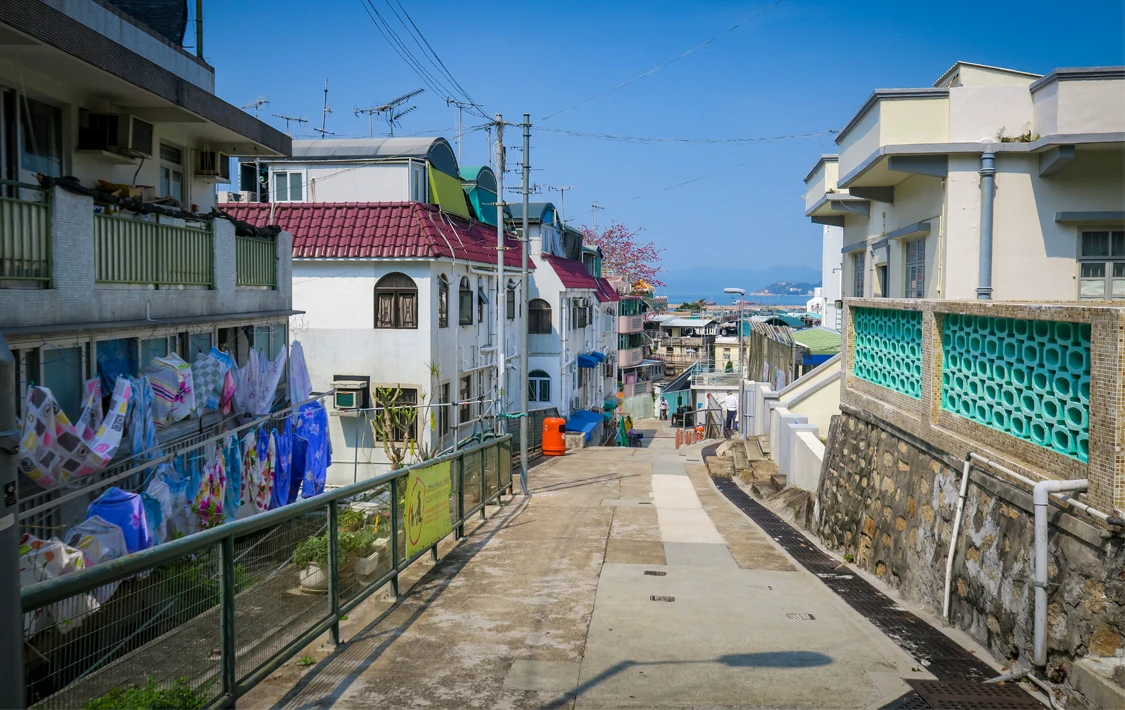


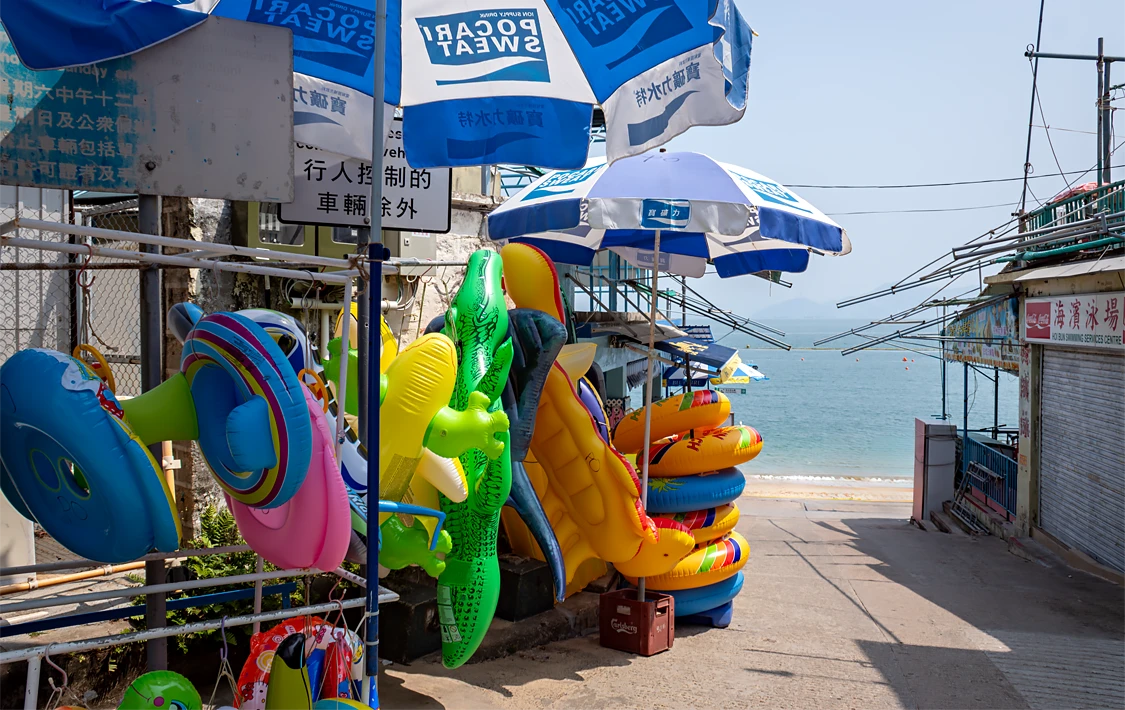


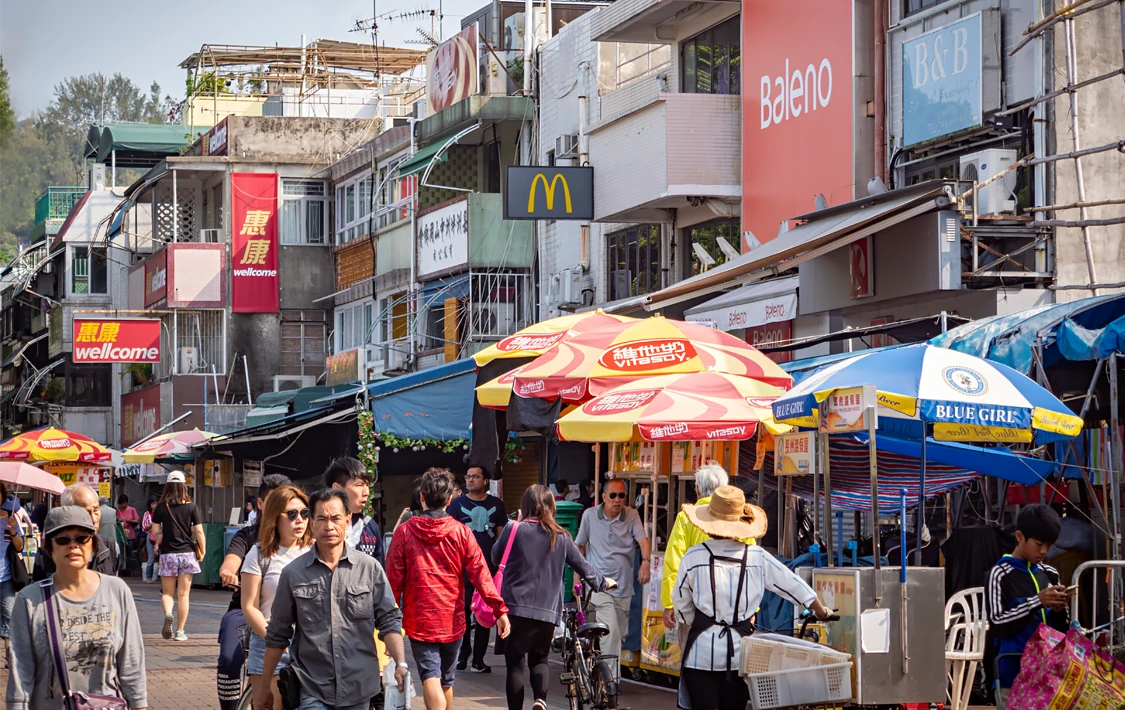
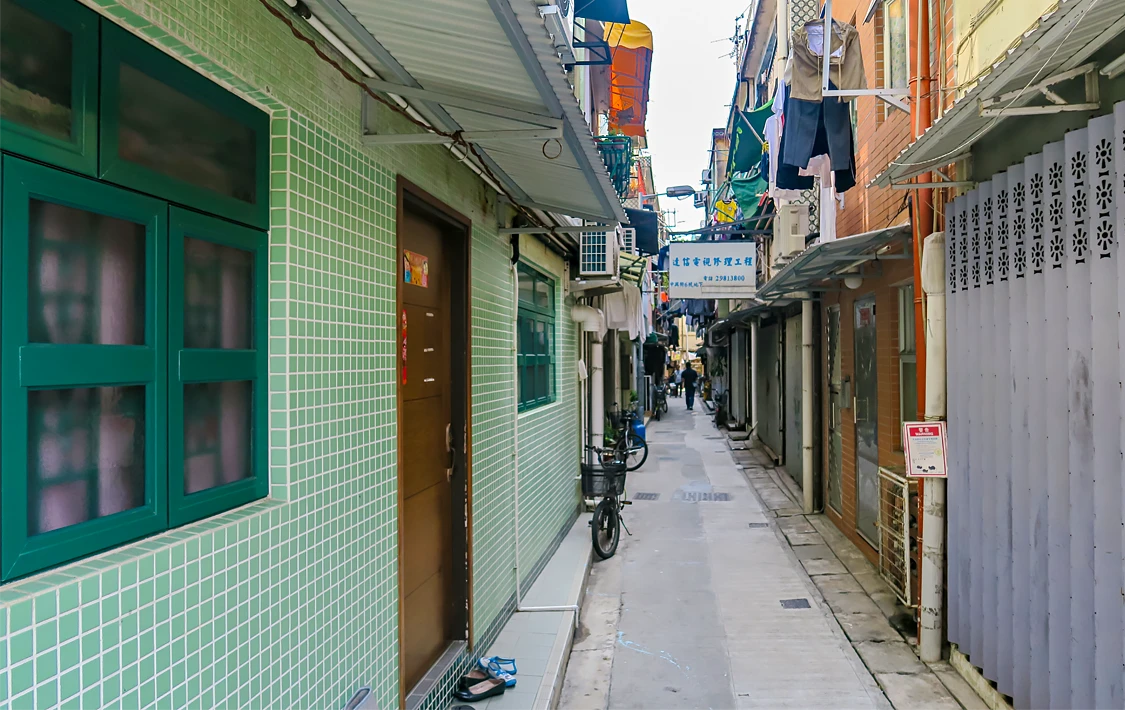
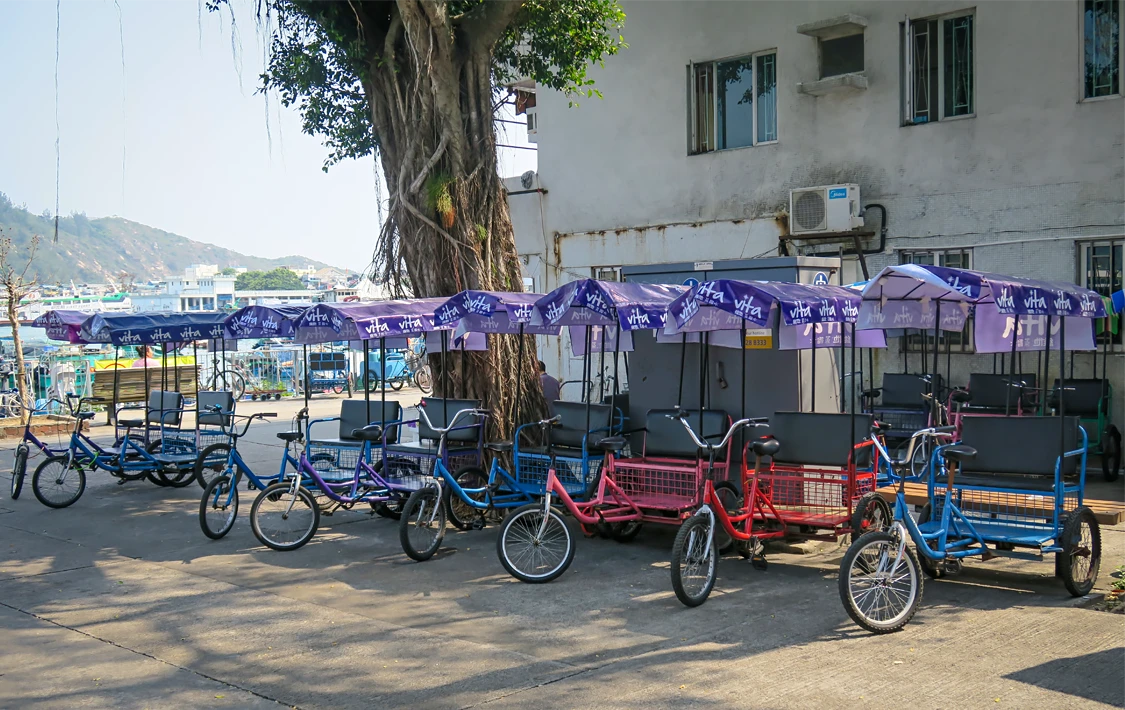


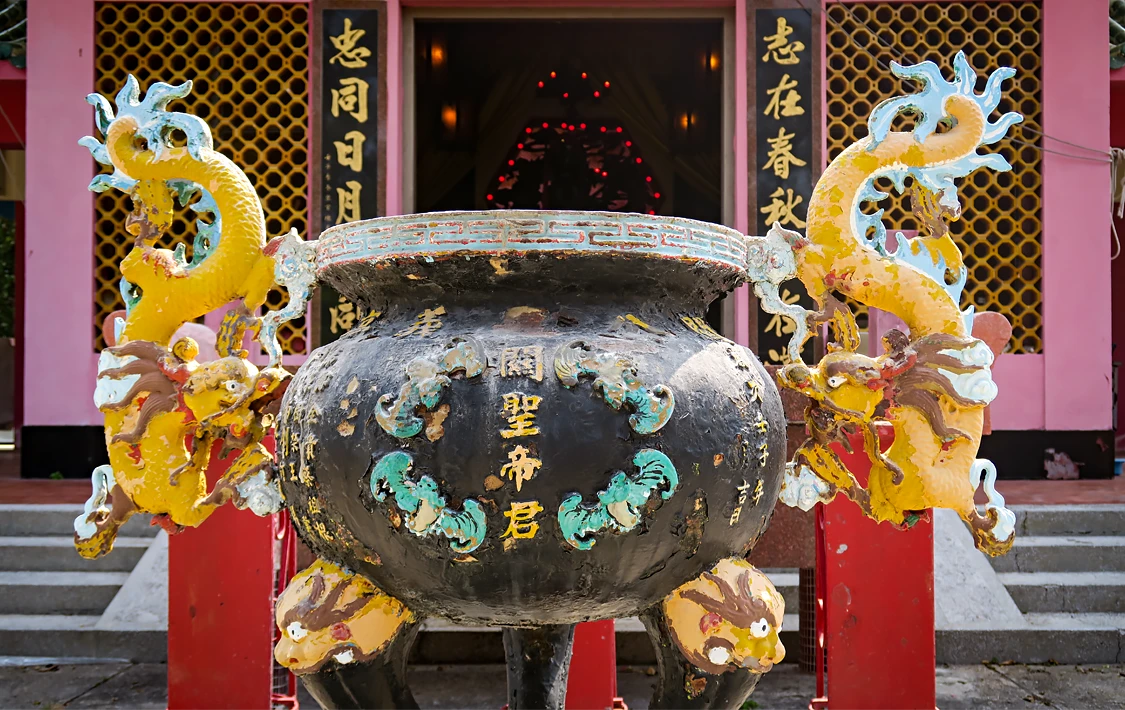
From Central, you can reach Cheung Chau Island by ferry in around one hour. Even the journey to the island is a highlight in itself, as you cross almost the entire Victoria Harbour and enjoy fantastic views of Central’s impressive skyline directly from the water.
Once you arrive, the lively harbour atmosphere immediately draws you in. Around the waterfront, you’ll find plenty of delicious seafood restaurants, while the promenade creates a vibrant and charming atmosphere.
Life on the island feels incredibly relaxed and completely different from the fast-paced energy of Central when you first boarded the ferry. The entire island has a picturesque charm, and every alleyway comes with its own unique character. Since Cheung Chau is completely car-free, you can explore it either on foot or by renting one of the many bicycles available across the island. There are several attractions to discover, and you can easily spend an entire day here.
Cheung Chau Attractions at a Glance
- Tung Wan Beach: A beautiful sandy beach with calm waters, perfect for swimming and relaxing. The beach offers excellent facilities, including changing rooms, toilets, lifeguards, shark nets and restaurants.
- Kwun Yam Beach: Smaller than Tung Wan Beach, with coarser sand and a more laid-back atmosphere. This beach feels more local and authentic and is especially popular among windsurfers and residents.
- Pak Tai Temple: This temple is dedicated to Pak Tai, the God of the Sea. According to local legend, early settlers from Guangdong Province brought a statue of Pak Tai to Cheung Chau. As the statue was carried through the village, the island was spared from a plague that devastated nearby communities. In gratitude, the locals built this temple in honour of their saviour. The temple features traditional Chinese architecture with colourful ceramic tiles, decorative roofs and guardian lion sculptures.
- Kwan Kung Pavilion: This small temple was built in 1973 in honour of Kwan Kung, a general from the Han Dynasty (206 BC – 220 AD) who is worshipped as the God of Wealth. The red pavilion with its green tiled roof follows traditional Chinese design and houses a 2.5-metre-high statue of Kwan Kung.
- Tin Hau Tempel Tin Hau: Tin Hau, the Goddess of the Sea, is worshipped by fishermen and everyone whose life is connected to the ocean. Inside this approximately 200-year-old temple, you’ll find pottery, murals and detailed wood carvings.
- Lock of Love: The perfect place for couples. Here, you can attach heart-shaped locks or love wishes to the fence. The locks are sold nearby and can be individually personalised.
Useful facts about Cheung Chau Island
3. Lamma Island – Beaches, Hiking and Relaxation
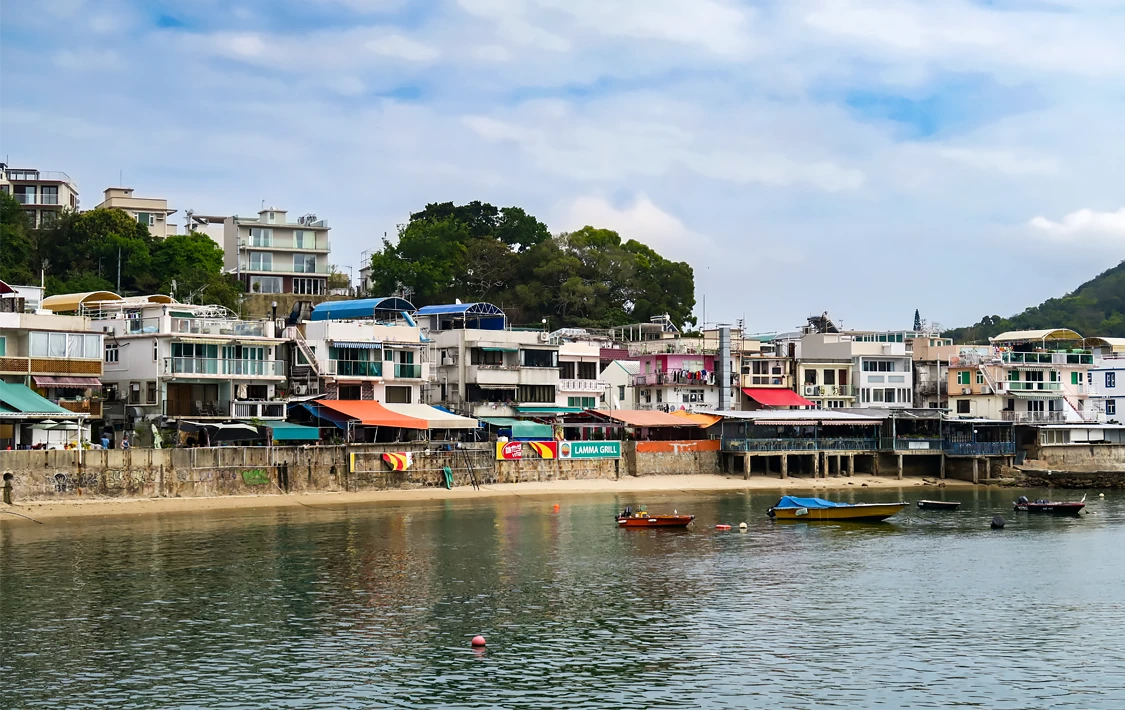

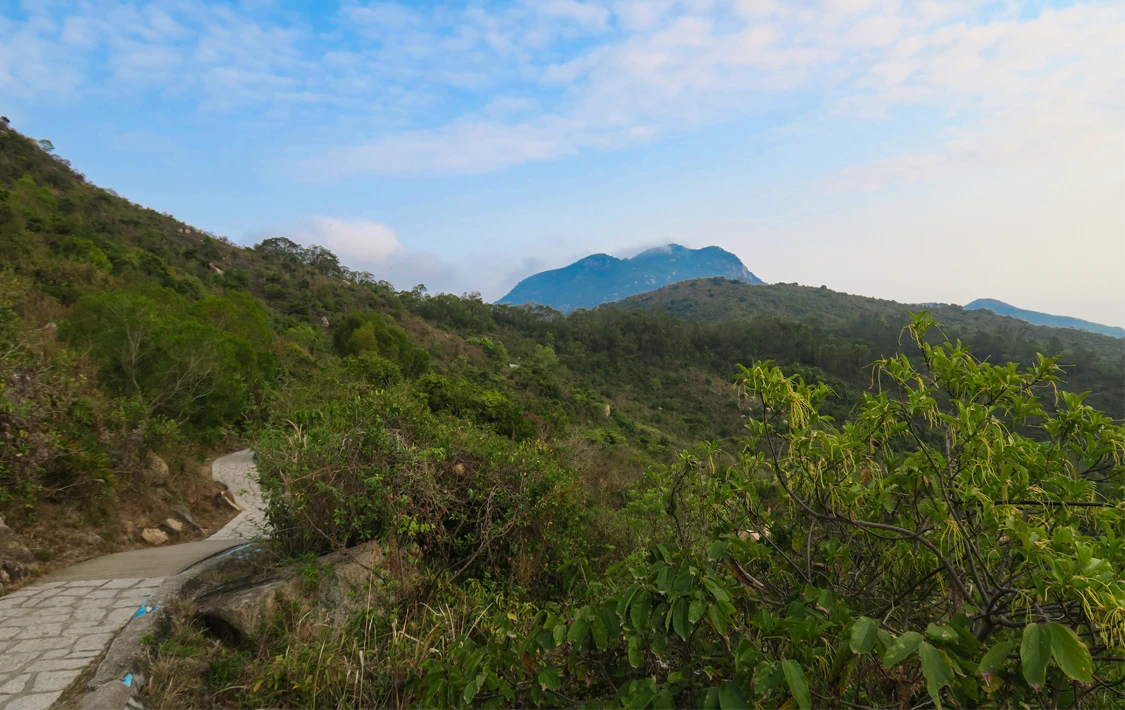

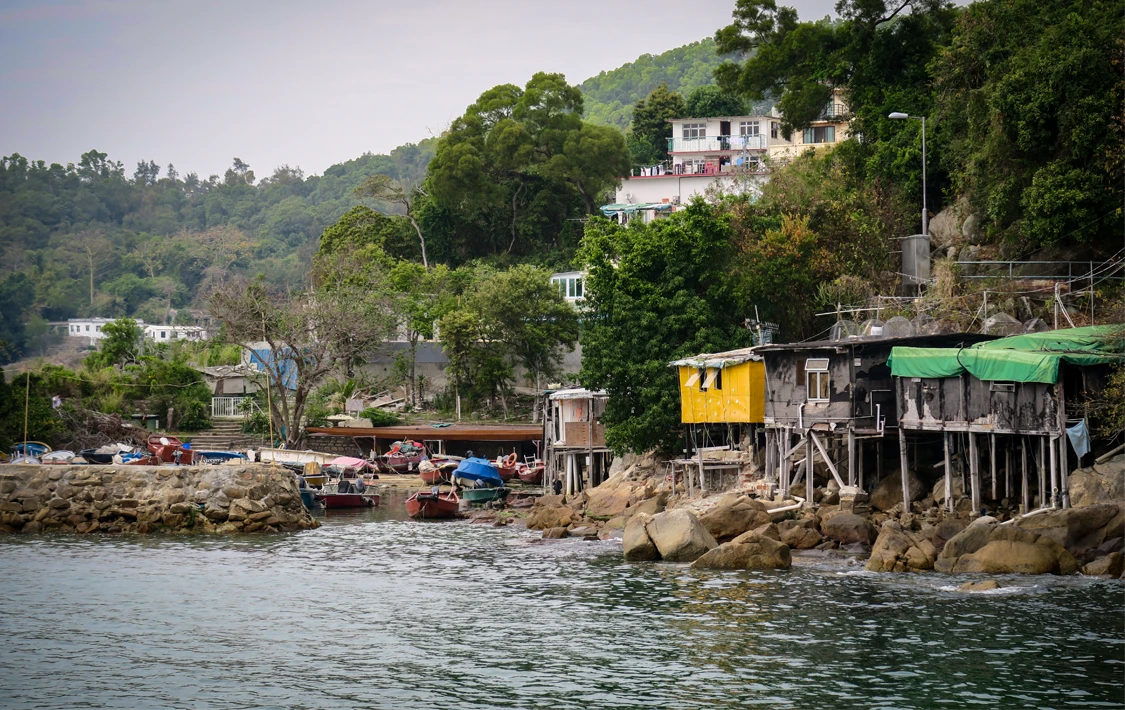
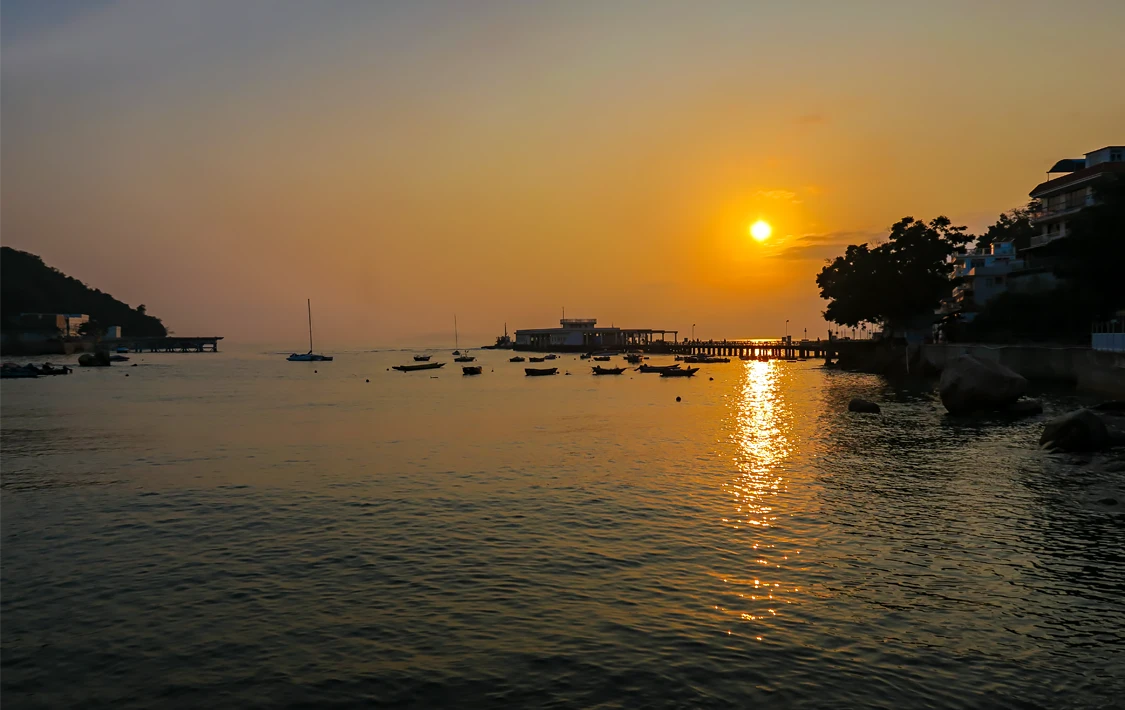
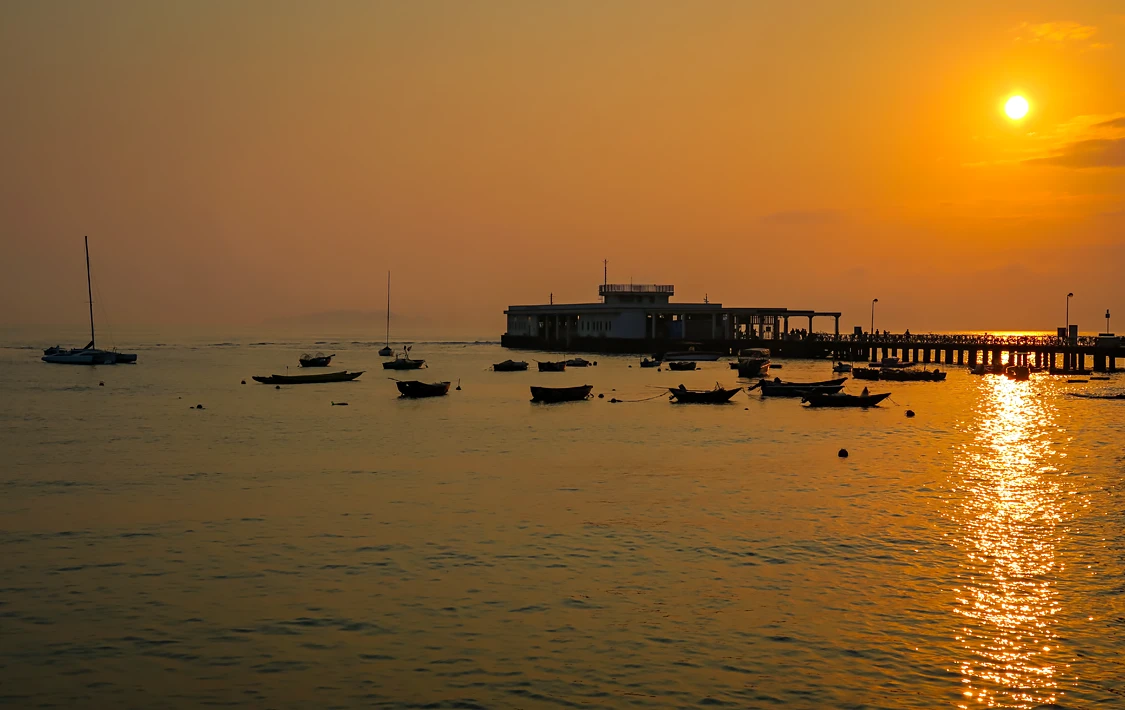
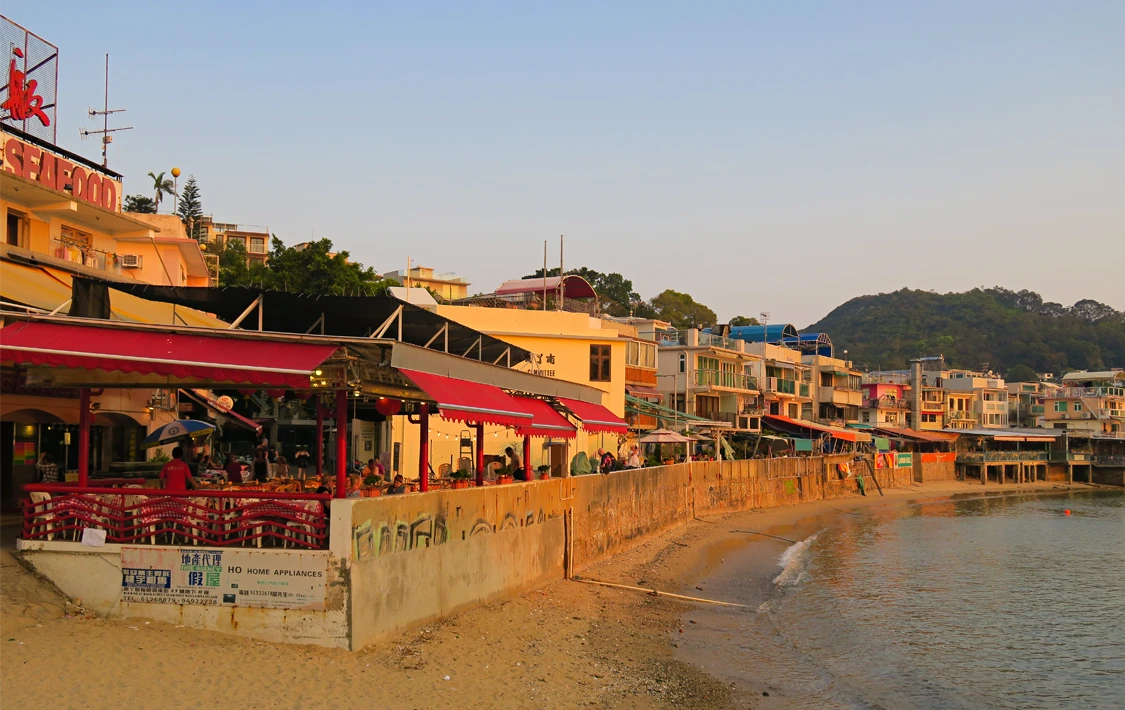
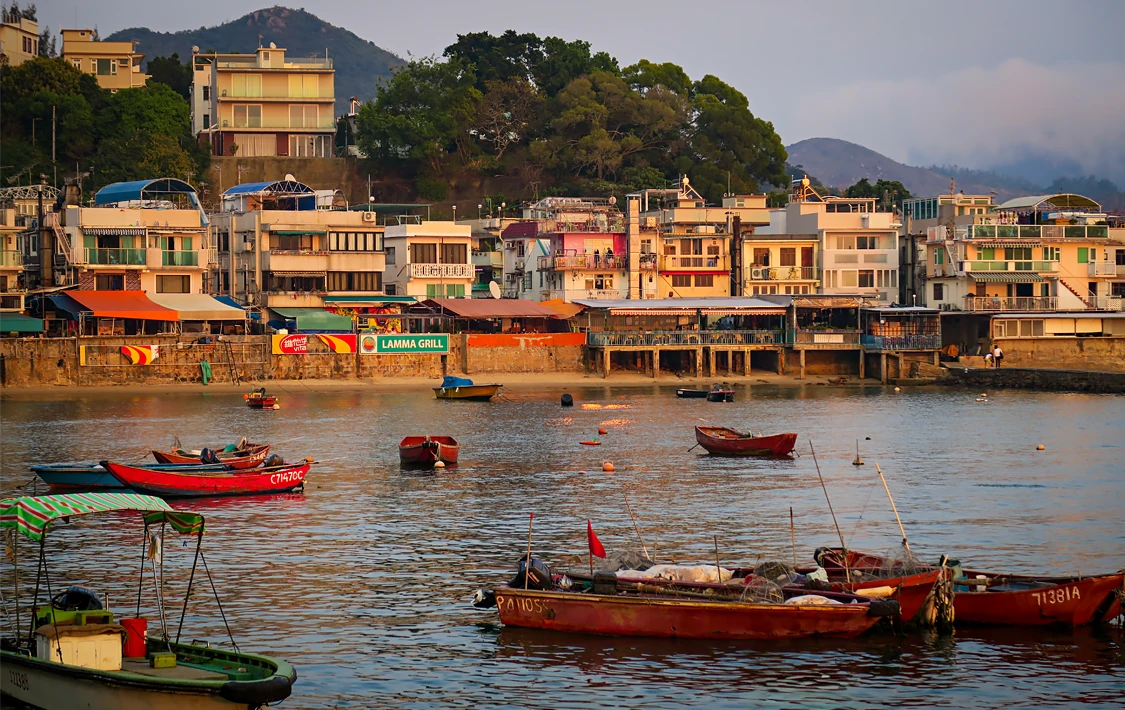

Lamma Island is especially known for its hiking trails, relaxed atmosphere and seafood restaurants located in its fishing villages. Particularly on weekends, the island becomes a popular escape for people looking to get away from the hustle and bustle of the city. Apparently, many western artists and hipsters have also settled here over the years.
The island’s best-known attractions can easily be explored on a scenic walk known as the Lamma Island Family Walk. You have two different route options:
Option 1:
Start at Yung Shue Wan Ferry Pier and hike across the island towards Sok Kwu Wan Pier, where you can take the ferry back to Central on Hongkong Island. The walk is around 6 kilometres long and takes roughly 1.5 hours without breaks. View the hike on Google Maps.
Option 2:
Also starting at Yung Shue Wan Pier, this route continues past Sok Kwu Wan and follows a circular trail back to Yung Shue Wan Pier. View the hike on Google Maps.
I personally chose the first option and will introduce the top spots along this route below. Of course, the list is not exhaustive, as there are several side paths leading to additional attractions along the way.
What You’ll Discover Along the Hiking Route
- Yung Shue Wan: This is the main village on Lamma Island and has a very laid-back atmosphere. The charming village is filled with seafood restaurants, bars and small shops selling snacks and picnic supplies for your hike. Yung Shue Wan is also home to the ferry pier connecting Lamma Island with Central.
- Power Station Beach: This is the first beach along the route. If you’re planning to swim or relax by the sea, I’d recommend saving it for the upcoming beaches instead, as they are far more inviting. Personally, I think this beach can easily be skipped.
- Hung Shing Ye Bay: Popular among locals and expats, this beach offers excellent conditions for swimming and relaxing. The only downside is the rather unattractive power station visible in the background.
- Lookout Pavillon: From the pavilion, you’ll enjoy beautiful views across Lamma Island towards Aberdeen and Ocean Park.
- Lo So Shing Beach: For me personally, this is the most beautiful beach along the route. If you’re planning a beach stop, I highly recommend Lo So Shing Beach. It’s relatively quiet and offers lifeguards, showers and changing facilities. Best of all, the power station is completely out of sight here.
- Kamikaze Bay: During World War II, the Japanese used this cave to hide speedboats intended for suicide missions against Allied forces.
- Tin Hau Temple: This temple is dedicated to Tin Hau, the Goddess of the Sea, who is believed to protect those whose livelihoods depend on the ocean.
- Sok Kwu Wan: This is the final village along the Lamma Island Family Walk. From here, you can either take the ferry back to Central or continue on the circular route back to Yung Shue Wan. The waterfront promenade of this fishing village offers fantastic views over the lively harbour and is lined with small shops and seafood restaurants serving delicious local dishes.
Useful facts about Lamma Island
Where to stay in Hongkong
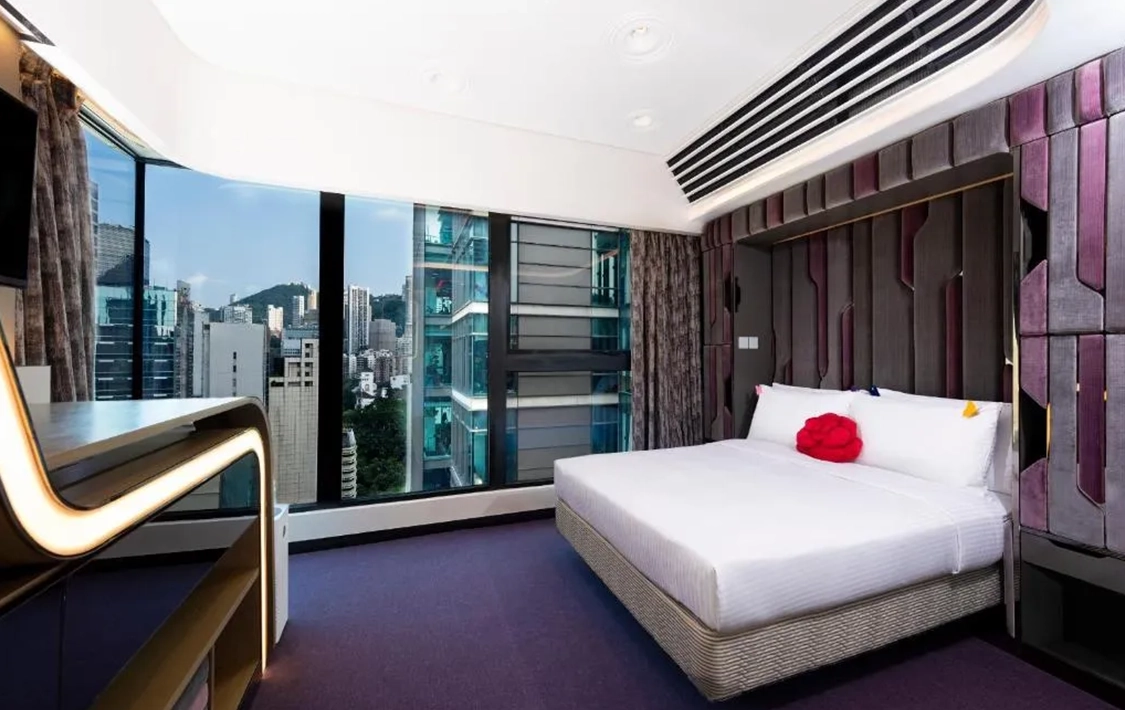
Where I stayed – Dorsett Mongkok (Kowloon)
Located in the heart of Kowloon, the Dorsett Hotel offers a convenient base for exploring Hongkong. You’ll find various shopping and dining options in the surrounding area.
The rooms are simple but functional, and the nearest MTR station (Olympic Station) is about a 10-minute walk away. Popular attractions such as the Ladies Market, Temple Street, Tsim Sha Tsui, and the Avenue of Stars can be reached by metro in around 15 to 20 minutes.
The Dorsett Mongkok is not as centrally located as some other hotels, but for Hongkong standards, it falls into the more affordable range. If you’re not in a rush and want to keep your budget under control, this could be a good option for your stay.
Where I stayed – Gloucester Luk Kwong Hotel (Hongkong Island)
On another visit, I stayed at the Gloucester Luk Kwong Hotel on Hongkong Island. The location is very central, with easy access to the MTR, making it a great base for exploring the city.
For Hongkong standards, the rooms are surprisingly spacious and offer good value for money. You’ll also find plenty of restaurants, shops, and nightlife options in the surrounding area.
If you’re looking for a centrally located hotel with relatively large rooms at a reasonable price, the Gloucester Luk Kwong is definitely worth considering.
The Salisbury – centrally located (Kowloon)
The Salisbury stands out with its excellent location in Kowloon, right by the Tsim Sha Tsui Promenade. You can reach the Avenue of Stars within just a 5-minute walk. Most rooms offer spectacular views of Victoria Harbour and Hongkong’s iconic skyline.
Many of Kowloon’s main attractions are right on your doorstep. Other sights, such as the markets in Mong Kok, can be reached by MTR in around 20 to 30 minutes. The nearest metro station is just around the corner and only a short walk away.
The hotel not only offers functional rooms but also features an indoor pool.
Compared to the Dorsett Hotel mentioned earlier, The Salisbury is priced slightly higher, but it also offers a much more central location. In my opinion, it provides great value for money and strikes a good balance between a prime location and an affordable stay. It’s definitely one of my top choices for my next trip to Hongkong.
Regent Hong Kong (Kowloon)
The Regent Hong Kong also impresses with its perfect location right on the Tsim Sha Tsui Promenade. Most of Kowloon’s main attractions are within walking distance and can be reached in just a few minutes. There’s also an MTR station nearby.
At the Regent, you can expect true five-star comfort, along with stunning views of Victoria Harbour and Hongkong’s impressive skyline. The hotel also features an outdoor pool and, for Hongkong standards, spacious rooms with excellent amenities.
However, a stay at the Regent is not for budget travellers. All Hotels in Kowloon here.
Butterfly on LKF Boutique Hotel (Hongkong Island – Central)
Hongkong Island is home not only to many of the city’s top attractions, but also to its iconic skyline and dense forest of skyscrapers. This is where you’ll find international corporations – and those who can afford to live here are certainly at the top end of Hongkong’s price range. As a result, the Central district is one of the most expensive areas in the city, and accommodation here reflects that.
A centrally located option that still offers good value for money is the Butterfly on LKF Boutique Hotel. The hotel is within walking distance of major sights such as Lan Kwai Fong, the Mid-Levels Escalator, and Hong Kong Park.
The Peak Tram, which takes you up to Victoria Peak with its incredible skyline views, is also just a short distance away.
Hotel Madera Hollywood (Hongkong Island – Central)
Hotel Madera Hollywood is located in the vibrant Central district on Hongkong Island and is perfect if you want to be right in the middle of the action. Thanks to its central location, you can quickly reach many of the city’s main attractions, as well as trendy restaurants and bars.
The spacious suites offer a charming mix of modern comfort and retro design. The hotel also features a fitness centre, so you can stay active during your trip.
Wharney Hotel (Stadtteil Hongkong Island – Wan Chai)
Das Wharney Hotel befindet sich im lebendigen Wan Chai-Viertel, einem idealen Ausgangspunkt, um Hongkong zu erkunden. Von hier aus erreichst du schnell das Nachtleben, Restaurants und Einkaufsmöglichkeiten. Die Zimmer sind komfortabel und bieten alles, was du für einen angenehmen Aufenthalt brauchst. Besonders erwähnenswert ist der Aussenpool, der an heissen Tagen für eine willkommene Abkühlung sorgt, sowie die Sauna, die nach einem langen Tag Entspannung bietet.
Holiday Inn Express Hong Kong (Hongkong Island – Causeway Bay)
Holiday Inn Express in Causeway Bay offers a central location at a fair price. Situated right next to Times Square, it’s perfect for convenient shopping.
The rooms are simple and comfortable, and the included breakfast makes for an easy start to the day. The location is especially practical if you want quick access to the city centre or explore the lively surroundings.
Conclusion on Hongkong’s Outlying Islands
The Outlying Islands are the complete opposite of Hongkong’s hectic city life. Especially Cheung Chau and Lamma Island feel incredibly relaxed, and you’ll encounter far fewer tourists there. Both islands are also popular weekend escape destinations among locals.
Lantau Island, particularly the Ngong Ping Cable Car and the famous Big Buddha, is a much more popular tourist destination. The atmosphere there can feel almost as busy as the city itself. That’s hardly surprising though, as Ngong Ping is definitely one of Hongkong’s major highlights and should absolutely be on your bucket list if you have enough time. Tai O also left a strong impression on me. Finding a traditional fishing village in modern Hongkong is probably not something most people associate with the city, which makes the contrast even more fascinating to experience.
Cheung Chau also won me over. In many ways, it feels like a classic and relaxed beach town in Europe, combined with laid-back surfer vibes and a welcome escape from the stress of the metropolis.
Lamma Island is another interesting island and definitely worth visiting if you have enough time in Hongkong, although personally it impressed me the least compared to the others.
Do you have any questions about the Hongkong Outlying Islands travel guide?
How did you like my guide to Hongkong’s Outlying Islands? Are you planning your own trip to Hongkong or the Outlying Islands? Do you have any additional tips for other travellers or any open questions? I’d love to hear your thoughts in the comments!
*Affiliate Disclosure:
Please note that this website uses affiliate links. This means we may earn a small commission if you purchase products or services through these links. The use of affiliate links does not affect the price you pay and helps support this website and the creation of high-quality travel content.